Carboxylic acids are fundamental organic compounds containing the carboxyl group (-COOH) that play crucial roles in biochemistry and industrial chemistry. This comprehensive course with JoVE Coach covers everything from nomenclature and physical properties to advanced reactions like Fischer esterification and decarboxylation. Students explore how these compounds function in pharmaceuticals like ibuprofen and cocaine detection methods used in US forensic laboratories.
Understand IUPAC nomenclature rules for mono- and dicarboxylic acids
Analyze physical properties including boiling points, solubility, and intermolecular forces
Explore acidity principles and substituent effects on pKa values
Identify carboxylic acids using IR, NMR, and mass spectroscopy techniques
Learn preparation methods from alcohols, aldehydes, nitriles, and Grignard reagents
Apply Fischer esterification mechanisms and reaction conditions
Understand conversion to acid chlorides, alcohols, and methyl esters
Analyze decarboxylation reactions of β-ketoacids and malonic acid derivatives
1. IUPAC Nomenclature and Structure
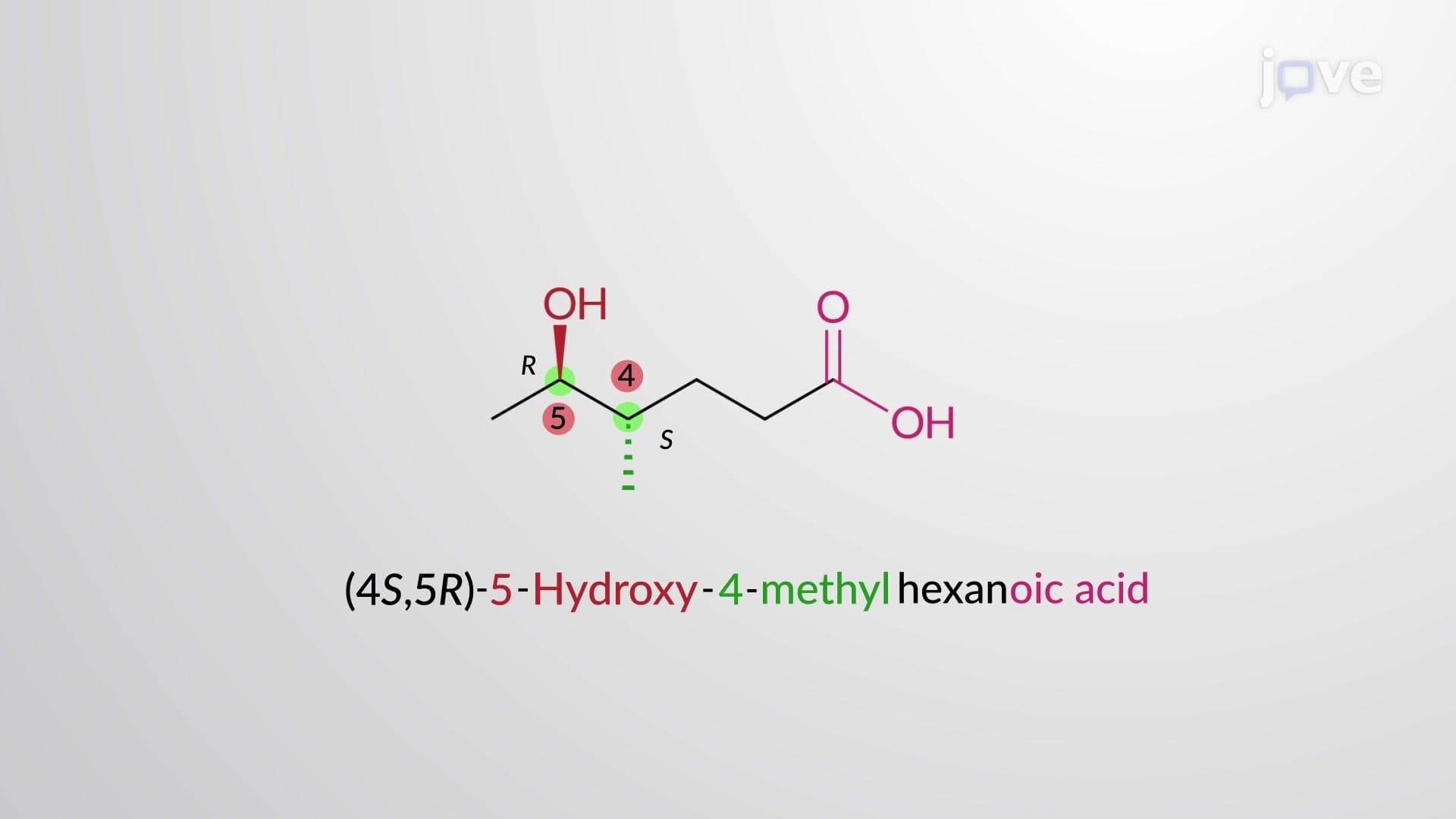
Master systematic naming conventions for carboxylic acids by identifying the longest carbon chain containing the carboxyl group and applying appropriate suffixes like "-oic acid" for monocarboxylic acids and "-dioic acid" for dicarboxylic acids. Learn to handle complex molecules with multiple functional groups, such as naming pharmaceutical compounds like aspirin (acetylsalicylic acid) used in US hospitals. Understanding proper nomenclature is essential for interpreting chemical literature and communicating effectively in laboratory settings, particularly when working with drug synthesis or quality control in the pharmaceutical industry.
2. Physical Properties and Intermolecular Forces
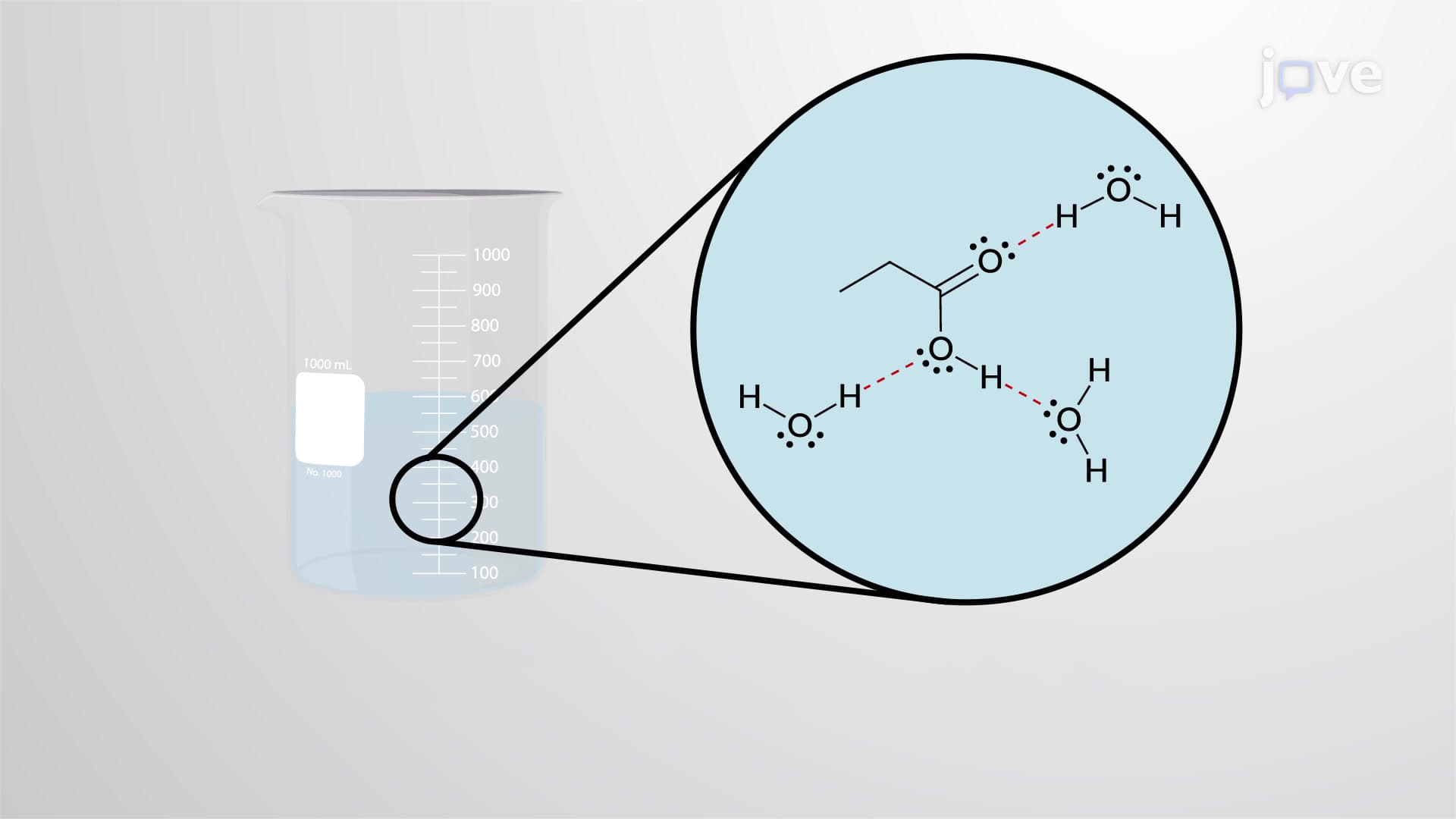
Explore how hydrogen bonding between carboxyl groups creates stable dimers, dramatically increasing boiling points compared to analogous alcohols or aldehydes. Analyze solubility patterns where short-chain acids like acetic acid (found in vinegar) dissolve readily in water, while long-chain fatty acids require alcoholic solvents. These properties directly impact drug formulation strategies used by US pharmaceutical companies, where understanding solubility helps determine whether medications should be administered orally, intravenously, or topically for optimal bioavailability.
3. Acidity and pKa Relationships
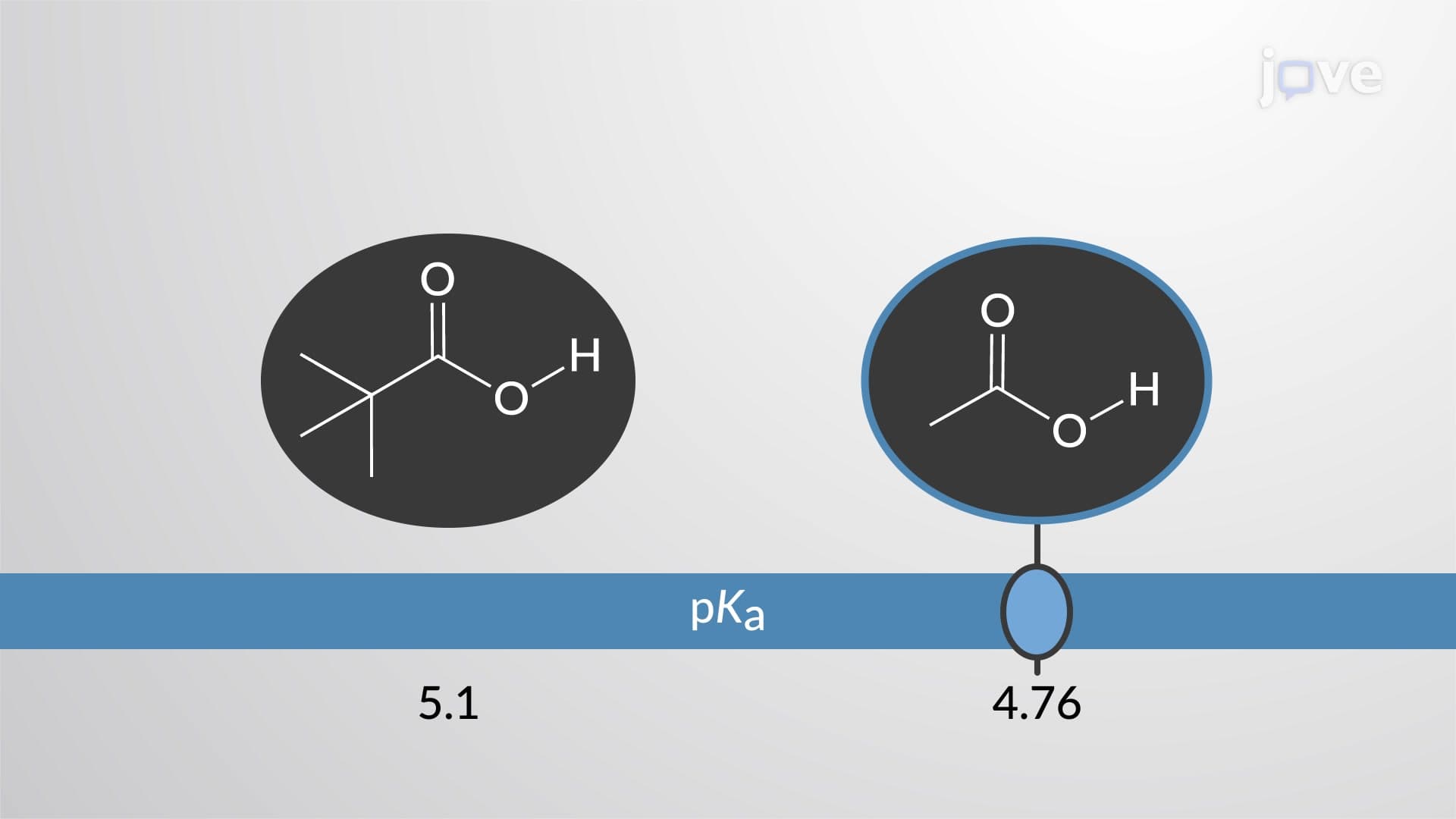
Understand why carboxylic acids exhibit significantly higher acidity (pKa 4-5) compared to alcohols (pKa 16-18) through resonance stabilization of carboxylate anions. Examine how electron-withdrawing substituents increase acidity, as seen in trichloroacetic acid used in chemical peels by US dermatologists. Learn to predict relative acid strengths based on substituent effects and structural features, knowledge crucial for designing buffer systems in biochemical research and understanding drug interactions in clinical pharmacy practice.
4. Spectroscopic Identification Techniques
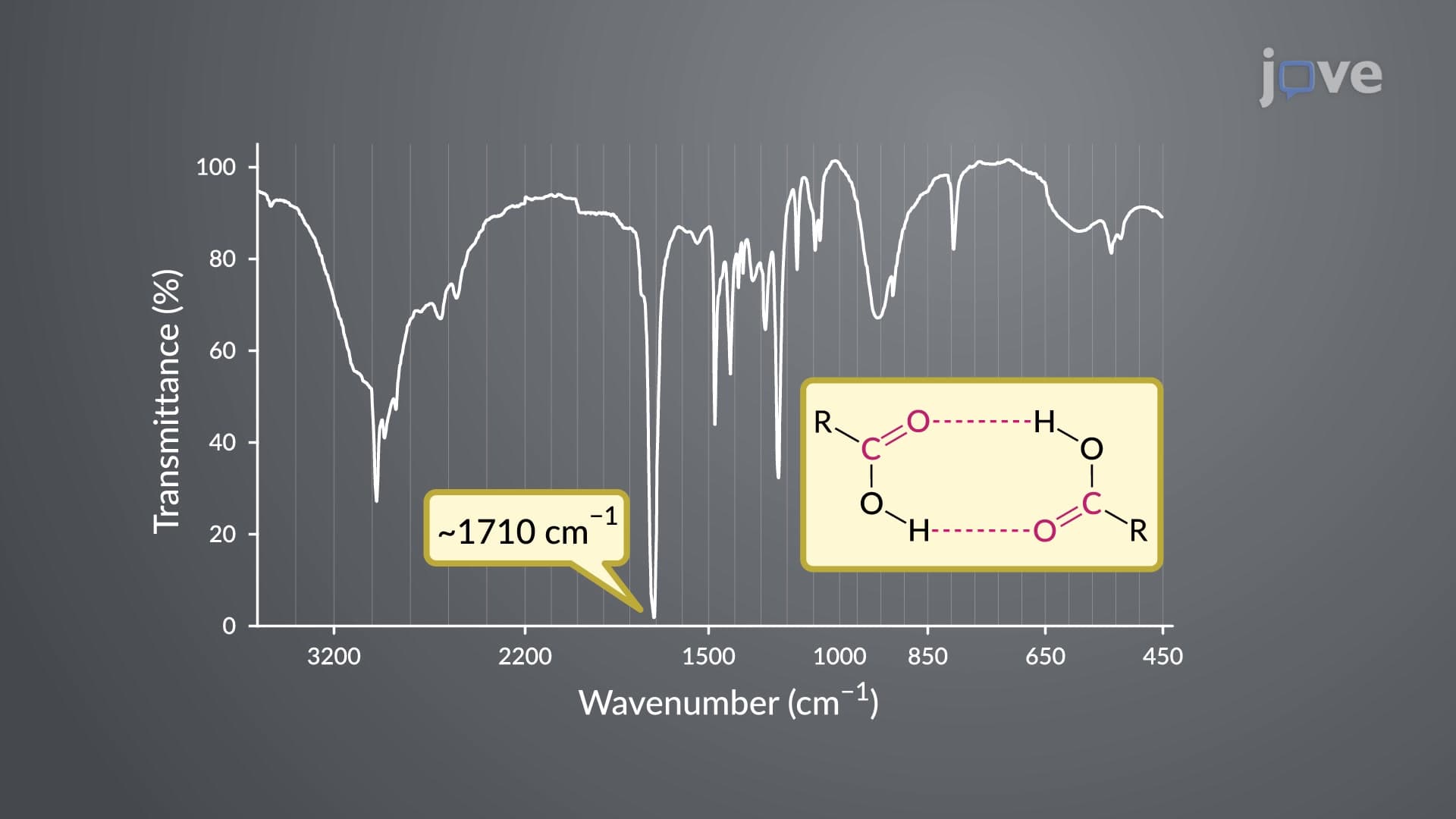
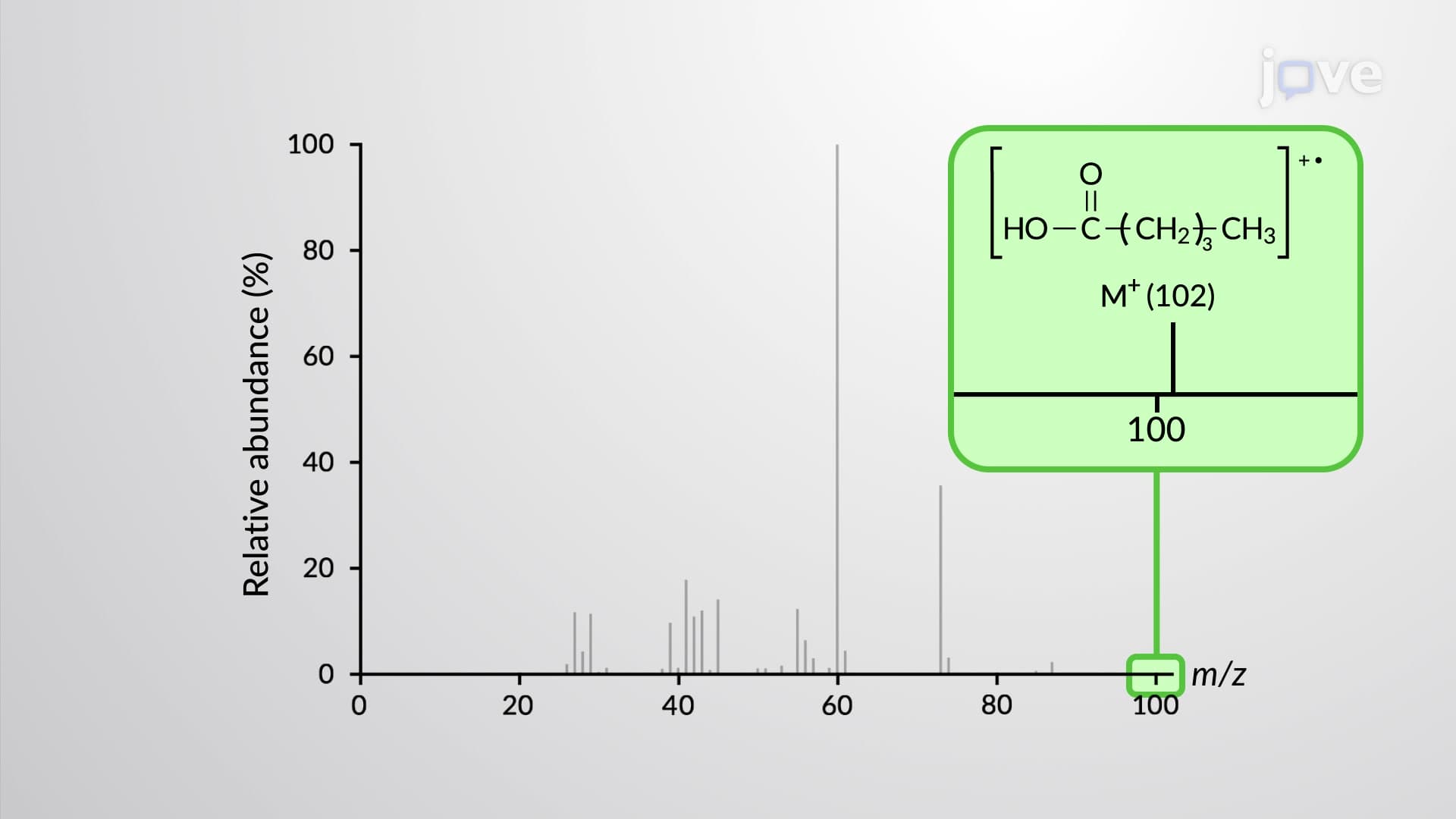
Master identification of carboxylic acids using characteristic IR absorption bands at 1710 cm⁻¹ (C=O stretch) and 2500-3500 cm⁻¹ (broad O-H stretch), plus distinctive NMR signals with COOH protons appearing at 9-12 ppm. Apply these techniques to analyze pharmaceutical samples, similar to quality control procedures used by FDA laboratories. Understanding mass spectrometry fragmentation patterns helps identify unknown compounds in forensic analysis, such as detecting benzoylecgonine (cocaine metabolite) in urine samples processed by US crime laboratories.
5. Preparation Methods and Synthetic Strategies
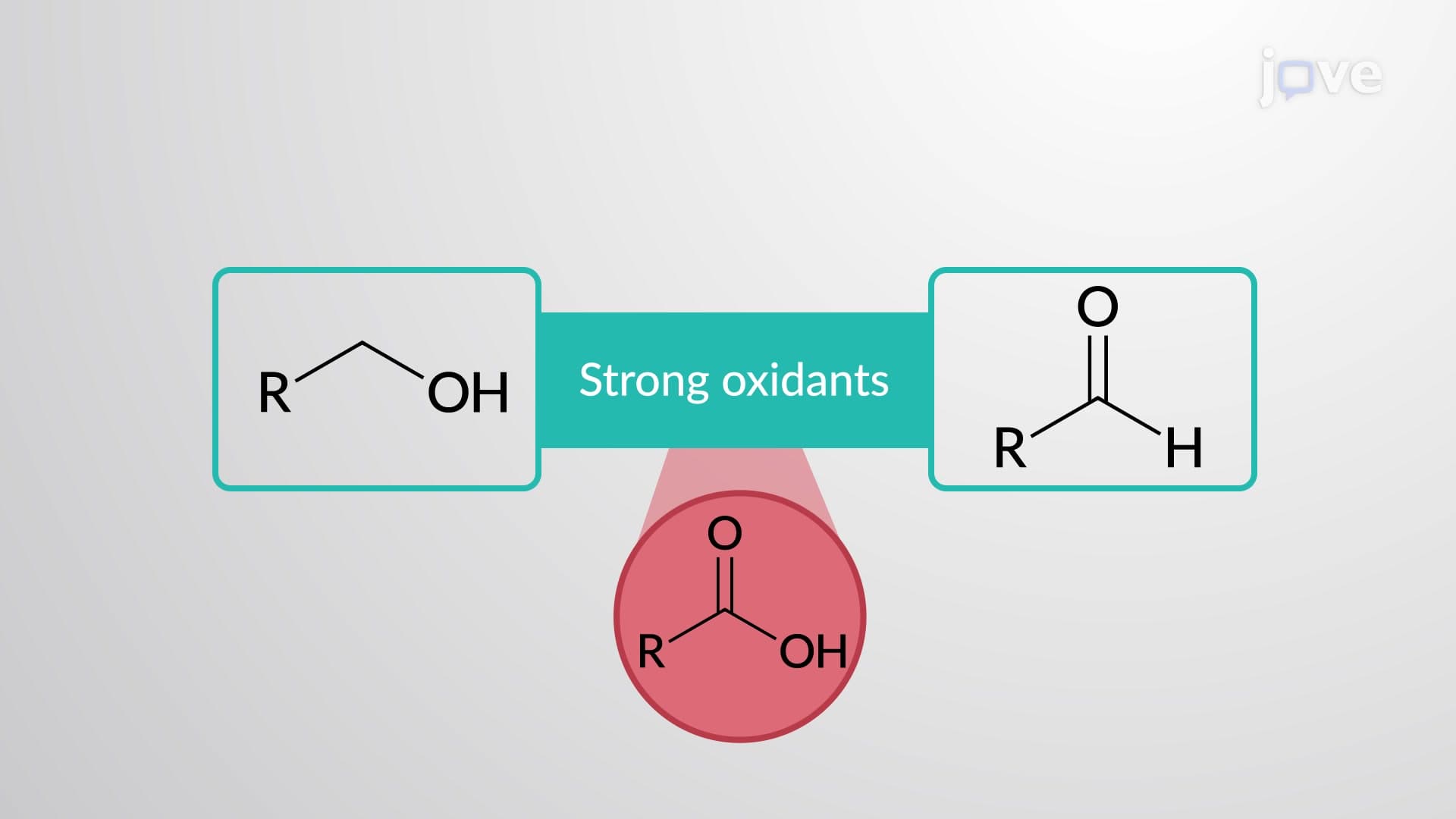
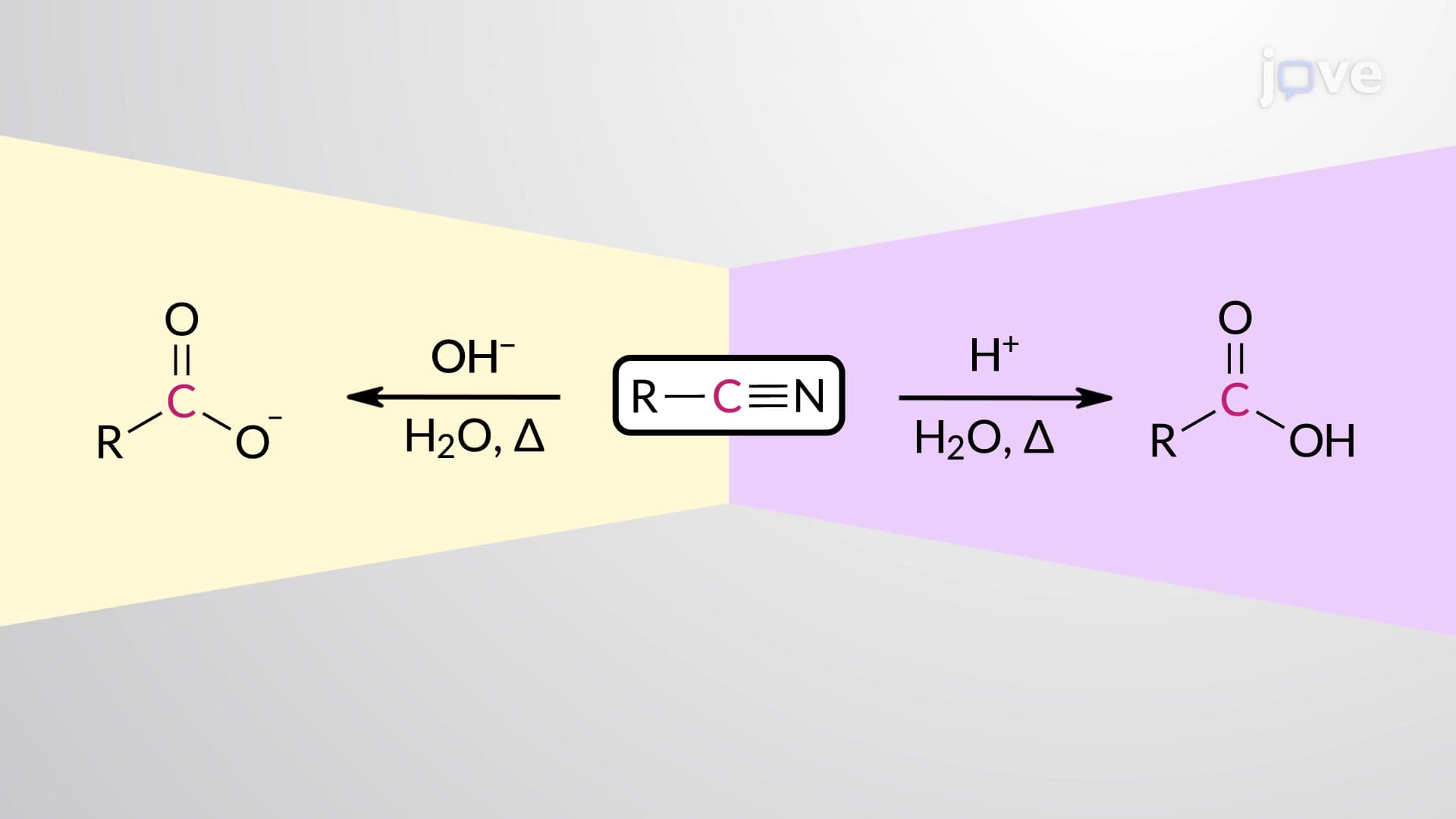
Learn multiple synthetic routes including oxidation of primary alcohols and aldehydes using chromium or permanganate reagents, hydrolysis of nitriles under acidic conditions, and carboxylation of Grignard reagents with CO₂. These methods are fundamental to pharmaceutical synthesis, such as the industrial production of ibuprofen through nitrile intermediates. Master the two-step conversion of alkyl halides to carboxylic acids, a strategy commonly employed in medicinal chemistry research conducted at US universities and pharmaceutical companies.
6. Fischer Esterification and Ester Formation
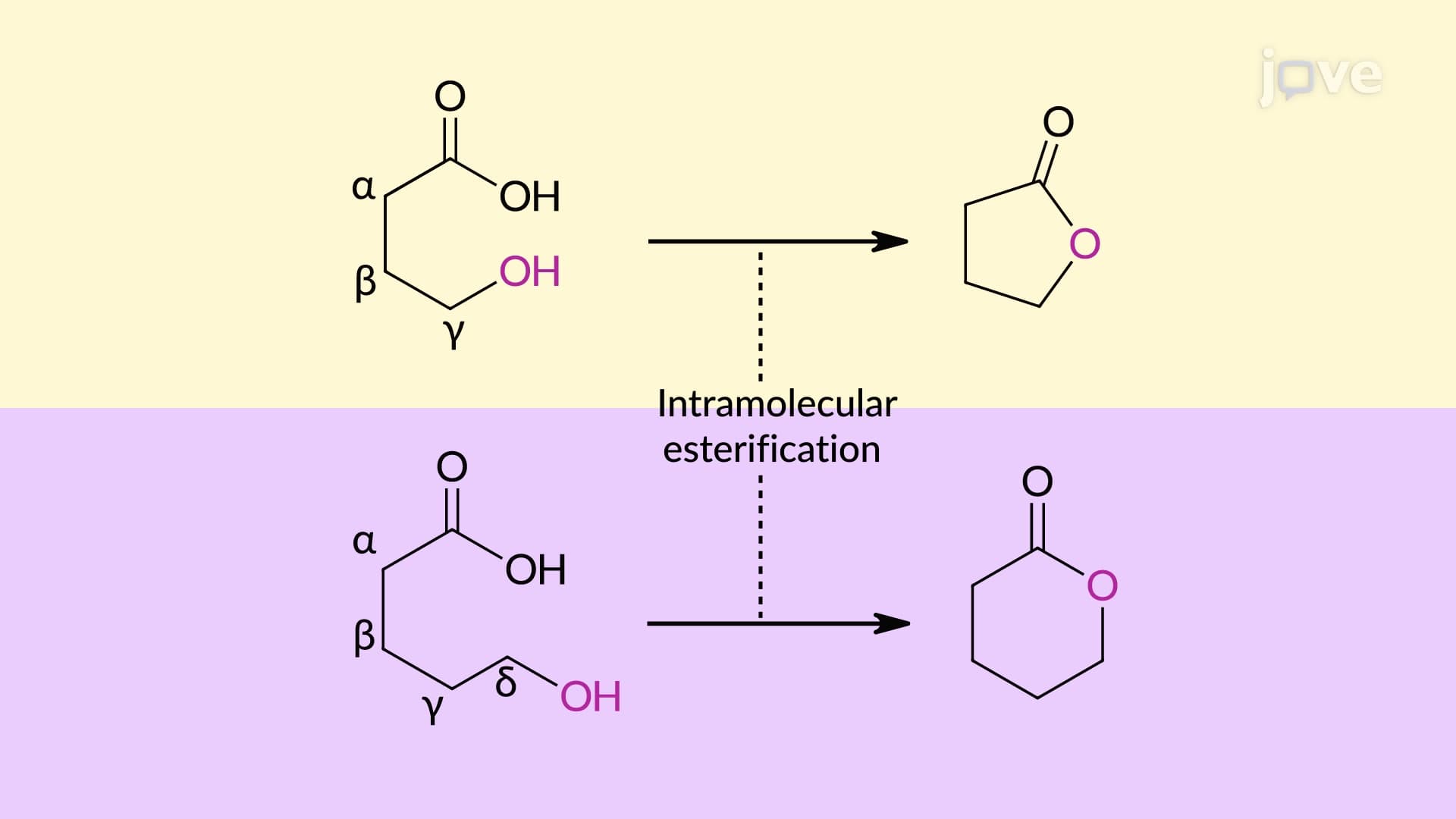
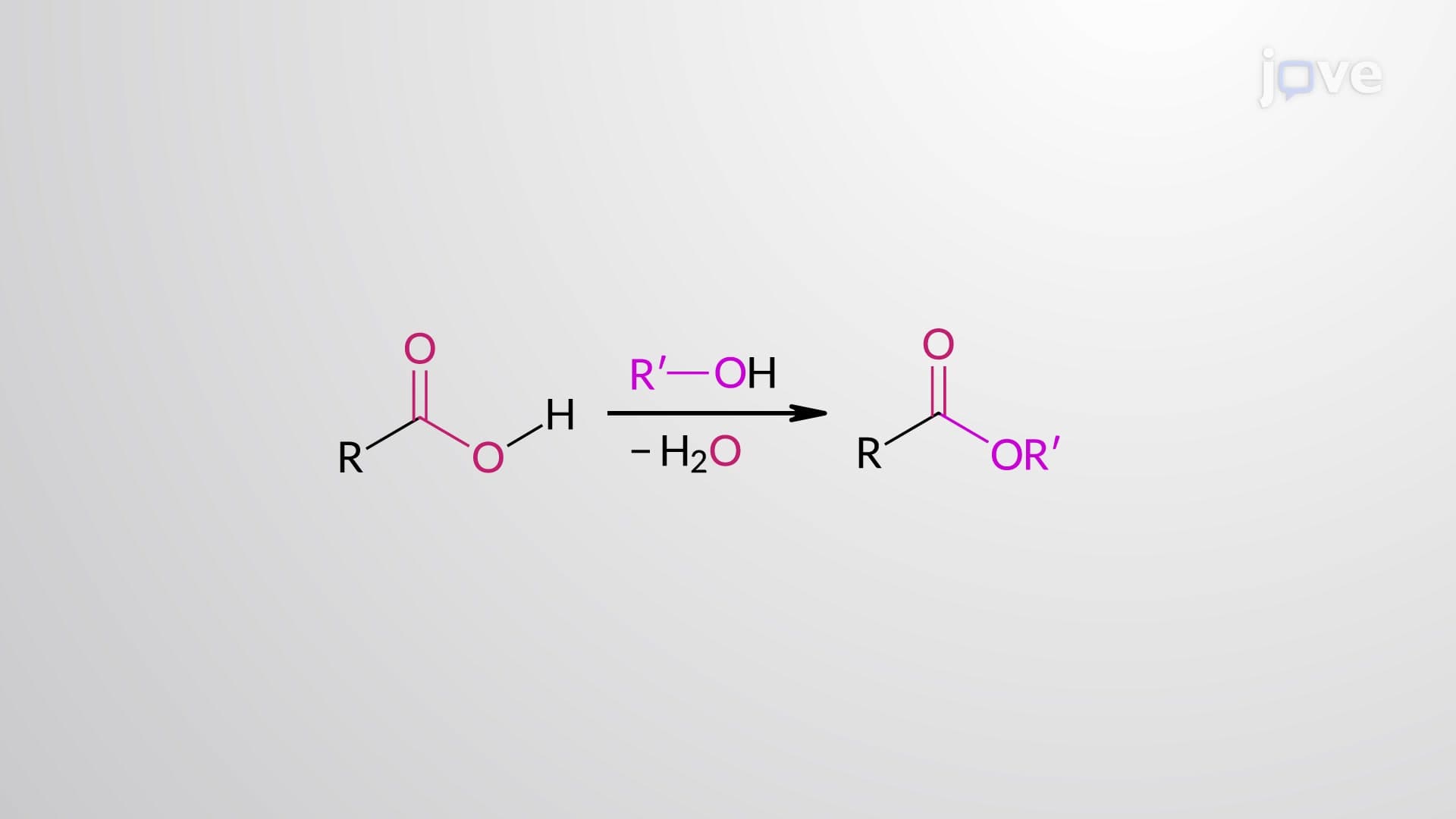
Understand the acid-catalyzed condensation mechanism between carboxylic acids and alcohols to form esters, applying Le Chatelier's principle to drive equilibrium toward product formation. Learn how this reaction produces everything from aspirin synthesis to biodiesel production in US refineries. Master the use of diazomethane for methyl ester formation, a technique used in analytical chemistry laboratories for preparing samples for gas chromatography-mass spectrometry analysis, particularly in environmental monitoring and forensic investigations.
7. Functional Group Transformations
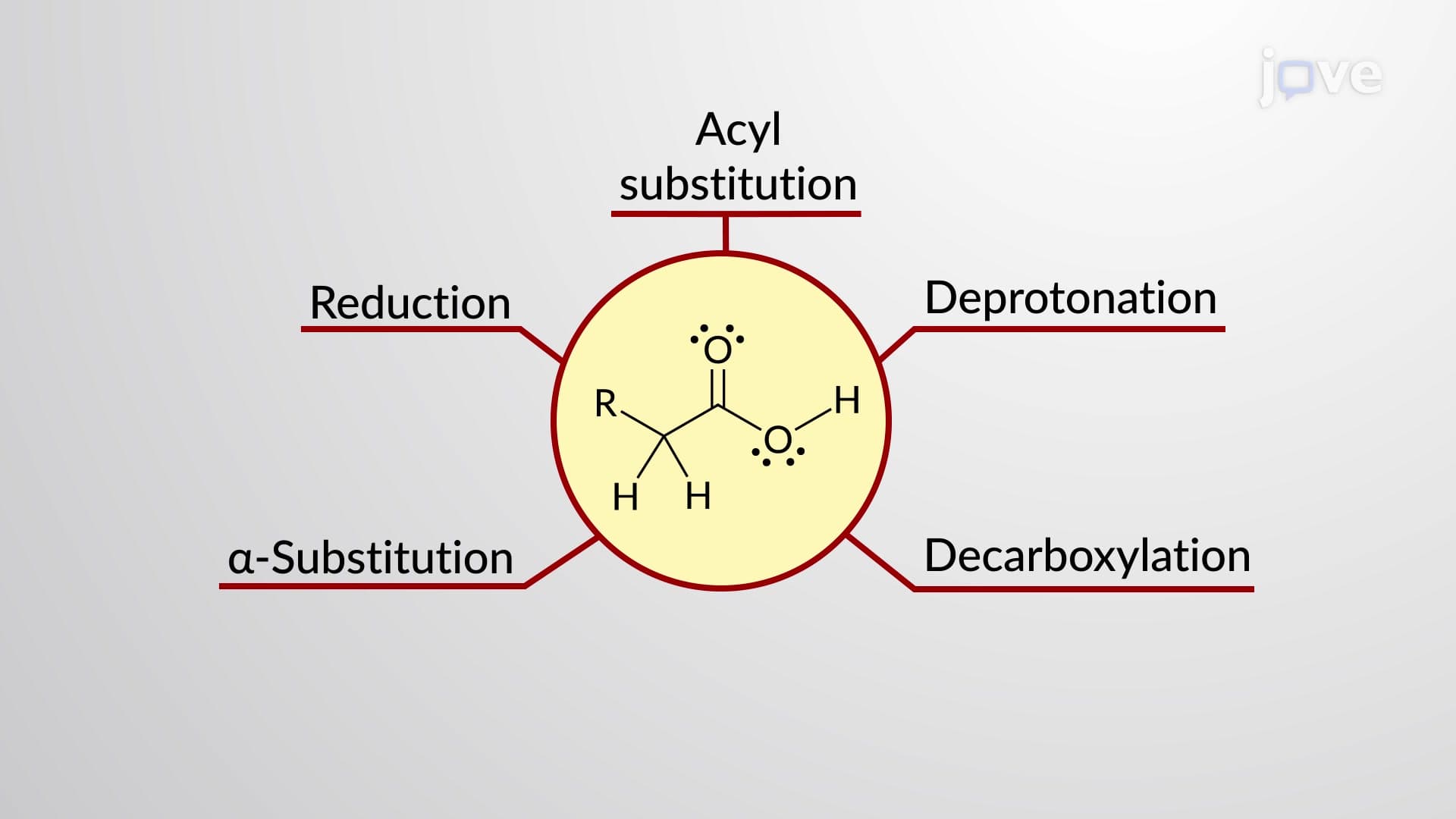
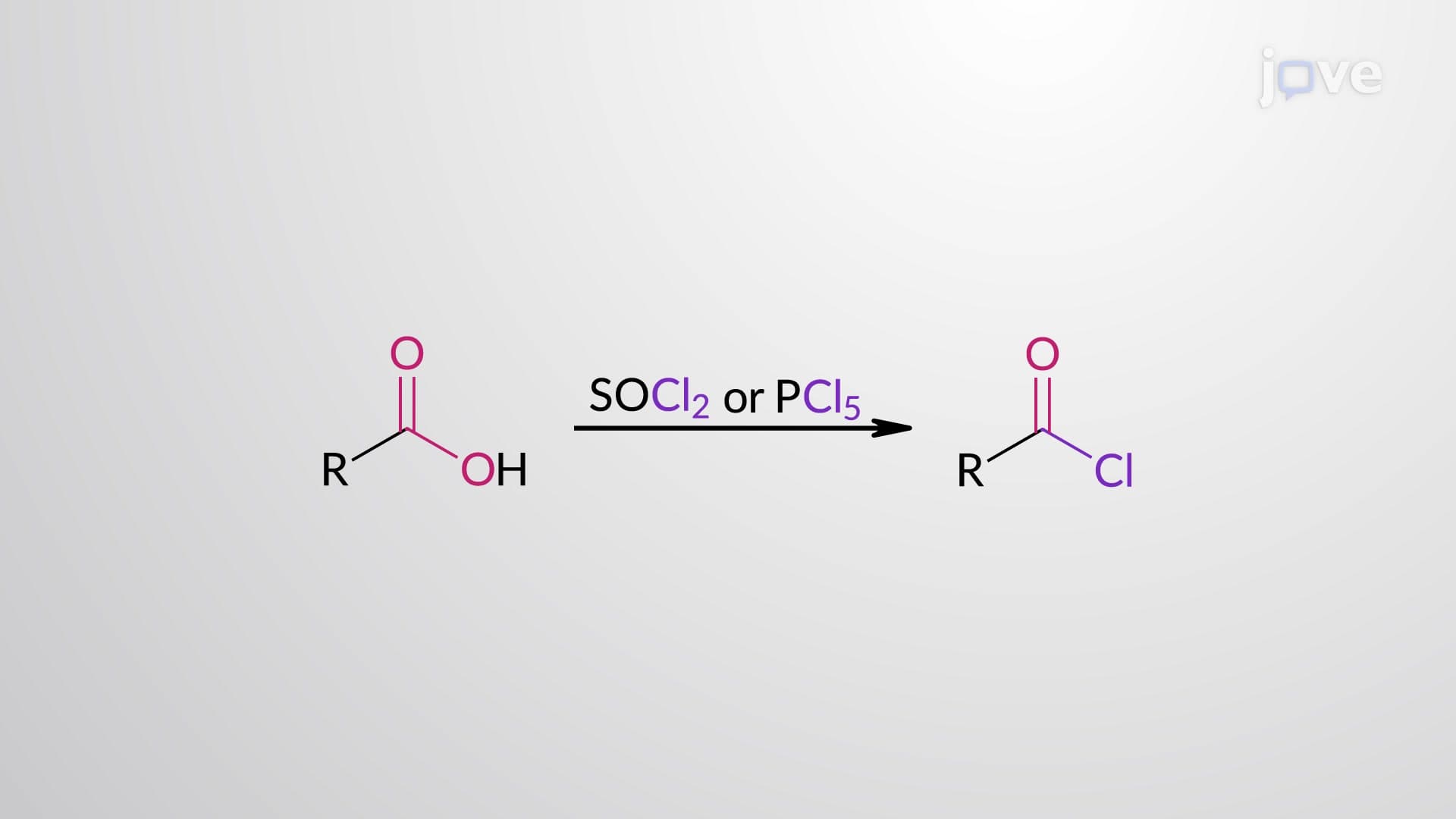
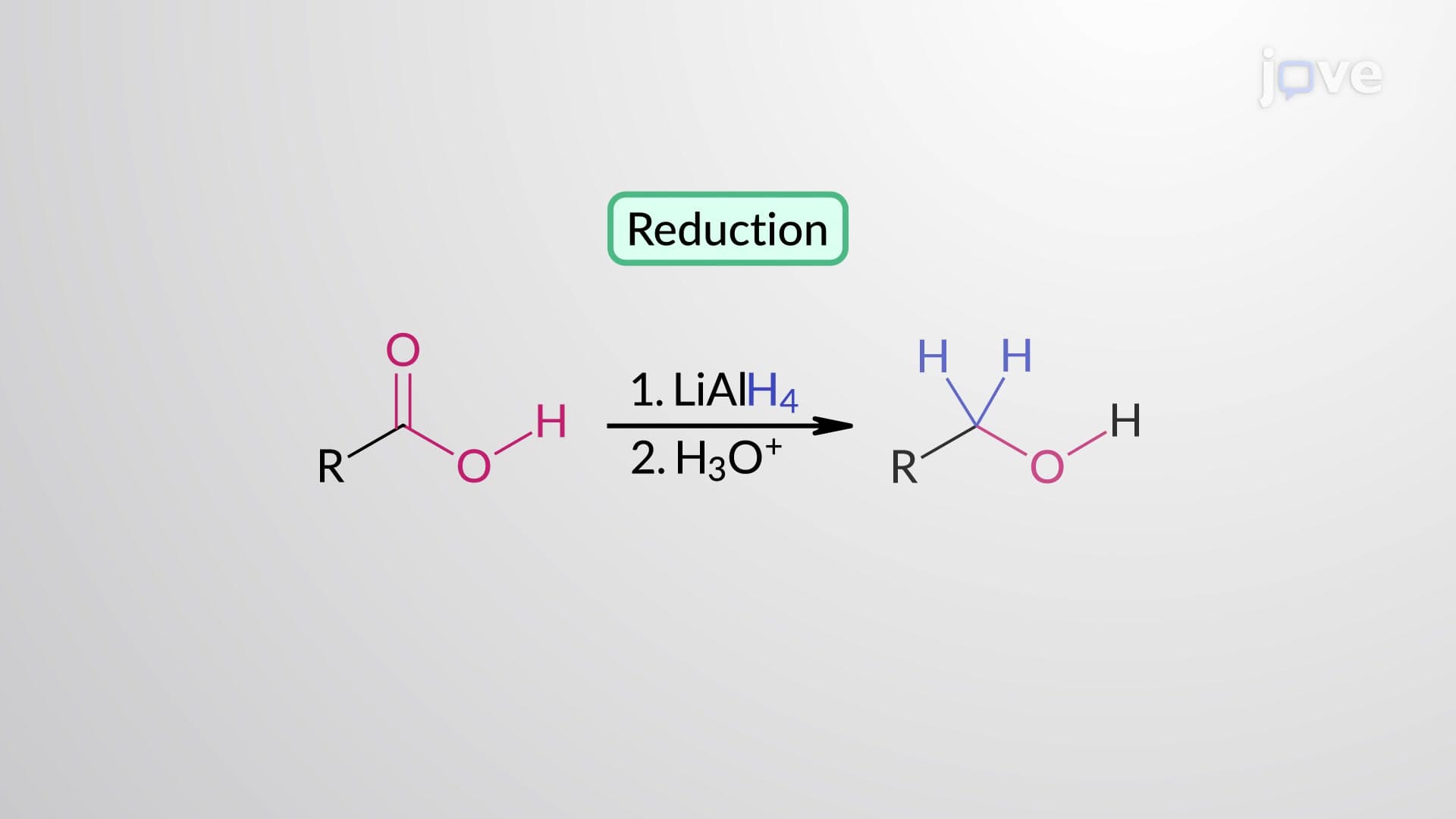
Explore conversion of carboxylic acids to acid chlorides using SOCl₂ or PCl₅, creating highly reactive intermediates for further synthetic manipulations. Study reduction to primary alcohols using LiAlH₄, a transformation important in pharmaceutical synthesis. Understanding these reactions enables design of multi-step synthetic pathways used in drug discovery, such as converting natural product carboxylic acids into more bioactive derivatives through selective functional group modifications.
8. Decarboxylation Reactions
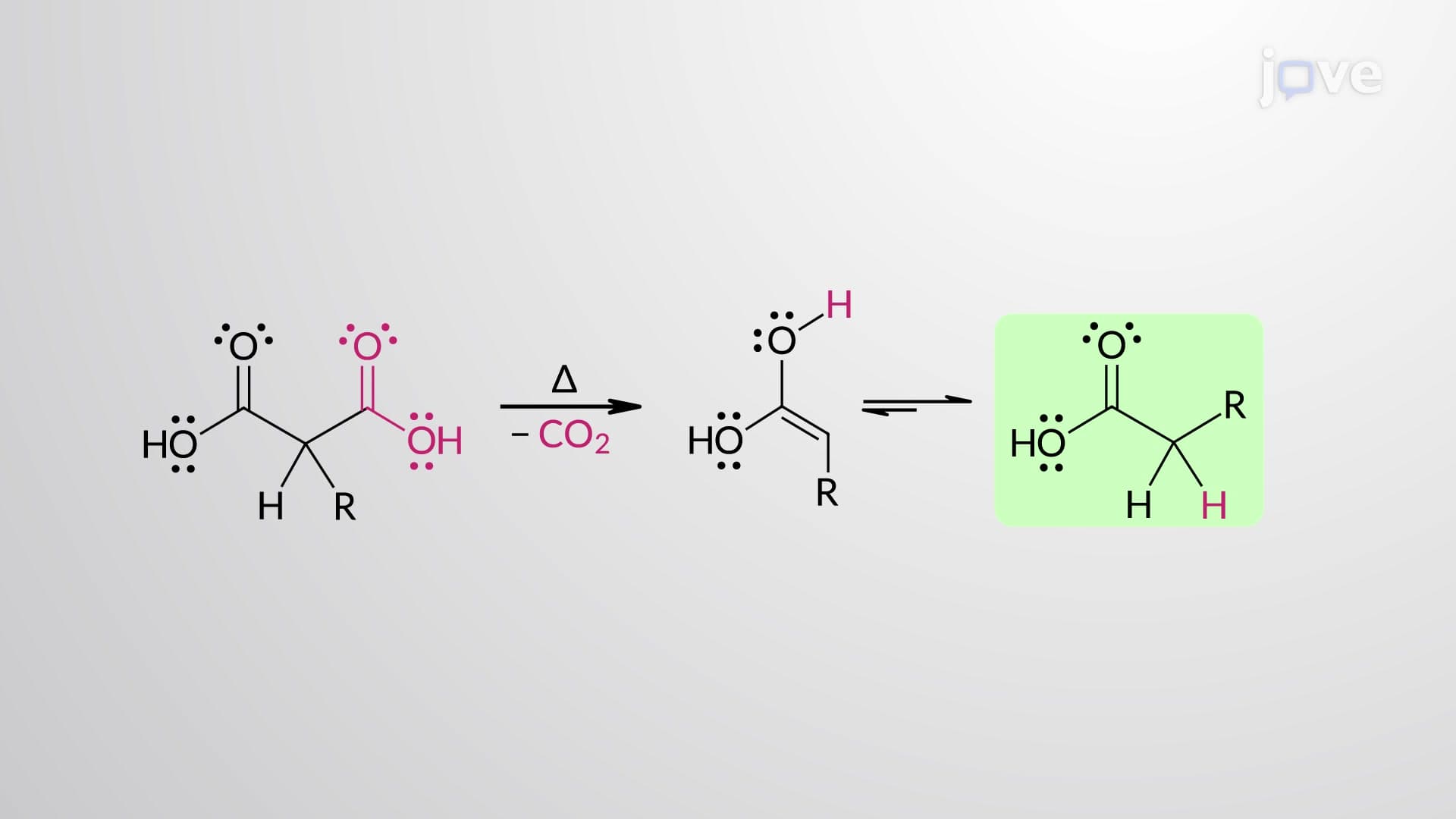
Analyze thermal decarboxylation of β-ketoacids and malonic acid derivatives, reactions that proceed through six-membered cyclic transition states to eliminate CO₂. These transformations are crucial in both synthetic organic chemistry and biological systems, including metabolic pathways like the citric acid cycle studied in US medical schools. Understanding decarboxylation mechanisms helps explain drug metabolism and provides strategies for carbon chain shortening in pharmaceutical synthesis.
Frequently Asked Questions
Focus on electron-withdrawing vs. electron-donating effects of substituents. Electron-withdrawing groups (like halogens, nitro groups) stabilize the carboxylate anion through inductive effects, increasing acidity. The closer the substituent to the carboxyl group, the stronger the effect. For example, trifluoroacetic acid is much more acidic than acetic acid due to the three electronegative fluorine atoms.
Fischer esterification is acid-catalyzed and reversible, requiring excess alcohol or water removal to drive the reaction forward. It works through nucleophilic acyl substitution with a tetrahedral intermediate. Other methods like using acid chlorides or diazomethane are irreversible and proceed through different mechanisms. The MCAT often tests recognition of reaction conditions and mechanisms.
Several factors affect yield: the reaction is reversible (use excess alcohol or remove water), steric hindrance (primary alcohols work better than tertiary), and incomplete reaction (longer heating times may be needed). Using a Dean-Stark trap to remove water or using the alcohol as solvent can significantly improve yields in undergraduate labs.
Carboxylic acids are key intermediates in drug synthesis. Aspirin contains an acetyl group derived from acetic acid, ibuprofen is synthesized through carboxylic acid intermediates, and many antibiotics contain carboxyl groups. The FDA regulates their purity and synthetic pathways. Understanding their chemistry is crucial for quality control and developing new medications in US pharmaceutical companies.
IR spectroscopy is most diagnostic, showing two characteristic peaks: a broad O-H stretch (2500-3500 cm⁻¹) and C=O stretch around 1710 cm⁻¹. The broad, overlapping O-H peak is unique to carboxylic acids. ¹H NMR showing a peak around 10-12 ppm that disappears with D₂O exchange confirms the acidic proton.
Understanding the mechanistic details of nucleophilic acyl substitution reactions, particularly Fischer esterification. Students often struggle with recognizing when protonation occurs and tracking electron movement through tetrahedral intermediates. Drawing out each step and practicing with different substrates helps master these mechanisms before the MCAT.
Start with simple monocarboxylic acids, then progress to dicarboxylic acids and cyclic systems. Practice with pharmaceutical examples like aspirin and ibuprofen since they appear frequently on exams. Focus on identifying the longest carbon chain containing the carboxyl group and numbering from the carboxyl carbon. Use molecular model kits to visualize three-dimensional structures.
Study enzymatic reactions involving carboxylic acids in metabolism (like the citric acid cycle), organocatalysis using carboxylic acids, and their role in polymer chemistry. Explore how carboxylic acid derivatives function in drug design and medicinal chemistry. Understanding their coordination chemistry with metals and their behavior in biological systems provides excellent preparation for graduate-level biochemistry and organic chemistry courses.