Ketones and aldehydes are essential carbonyl compounds featuring a C=O functional group that drives diverse carbonyl chemistry reactions. From vanilla extract (benzaldehyde) to acetone in nail polish remover, these compounds exhibit unique reactions and properties of aldehydes and ketones including nucleophilic addition carbonyl mechanisms and oxidation reduction carbonyl processes. Master these foundational organic chemistry concepts with JoVE Coach.
Understand the structural differences between aldehydes and ketones and their electronic properties
Learn IUPAC and common naming conventions for aldehyde and ketone compounds
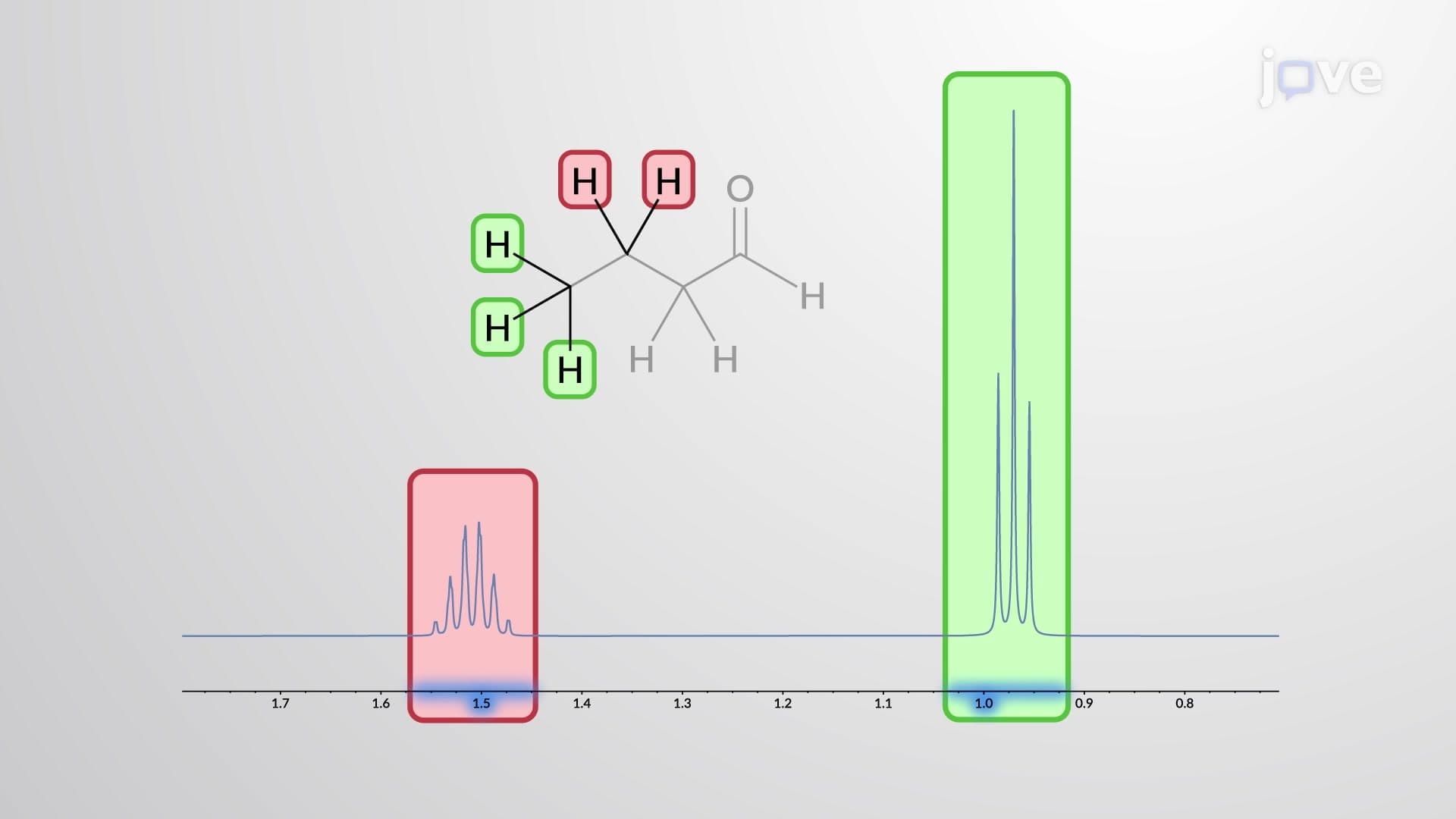
Identify characteristic spectroscopic features using IR, NMR, and mass spectrometry techniques
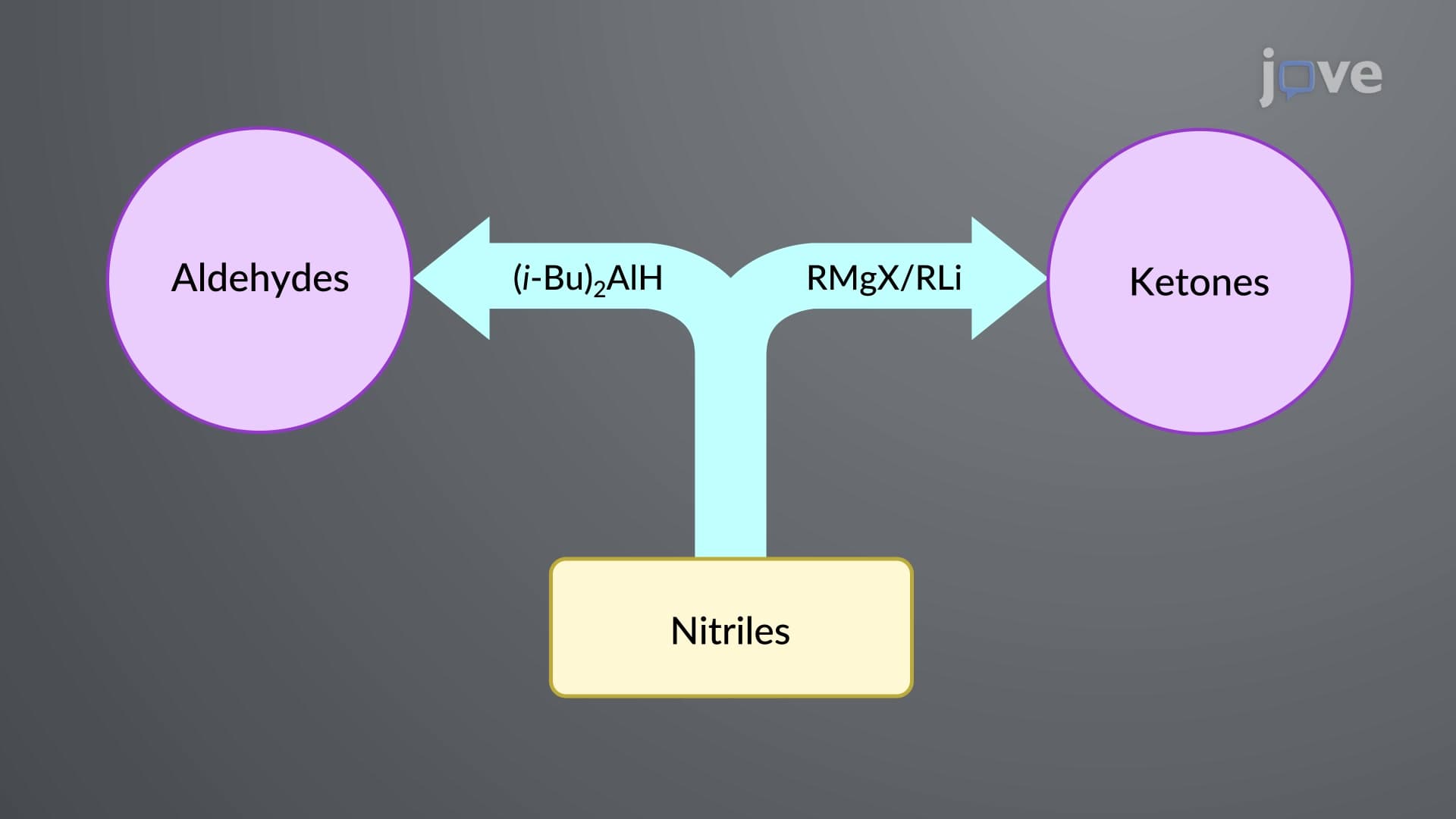
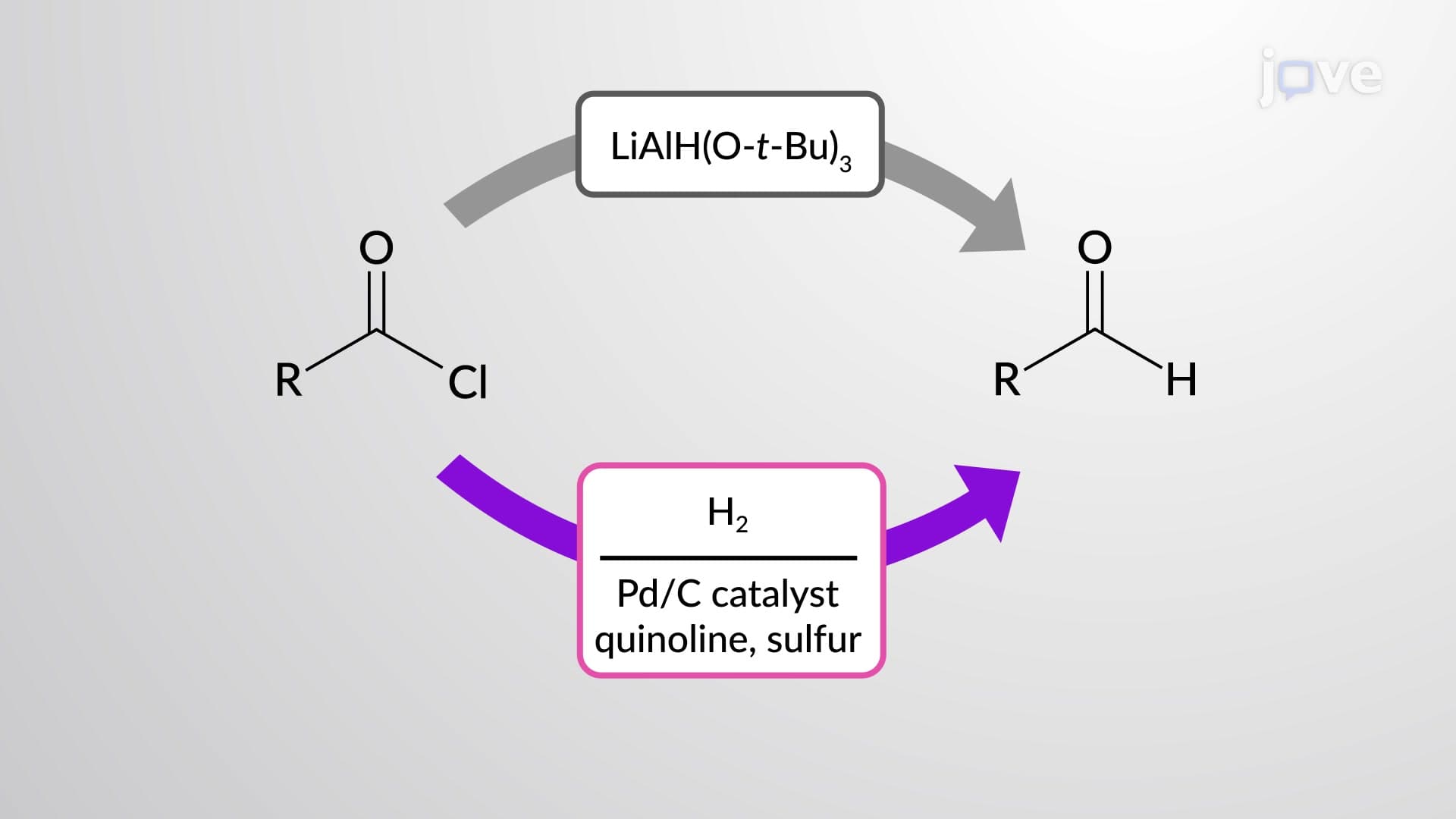
Explore multiple synthetic pathways for preparing aldehydes and ketones from various starting materials
Analyze nucleophilic addition mechanisms including hydrate, hemiacetal acetal, and cyanohydrin formation
Apply protecting group strategies using acetals and thioacetals in multi-step syntheses
Understand reduction reactions including Wolff-Kishner and Grignard ketone transformations
Examine oxidation reactions and specialized transformations like Baeyer-Villiger oxidation
Analyze keto-enol tautomerism and its mechanistic implications
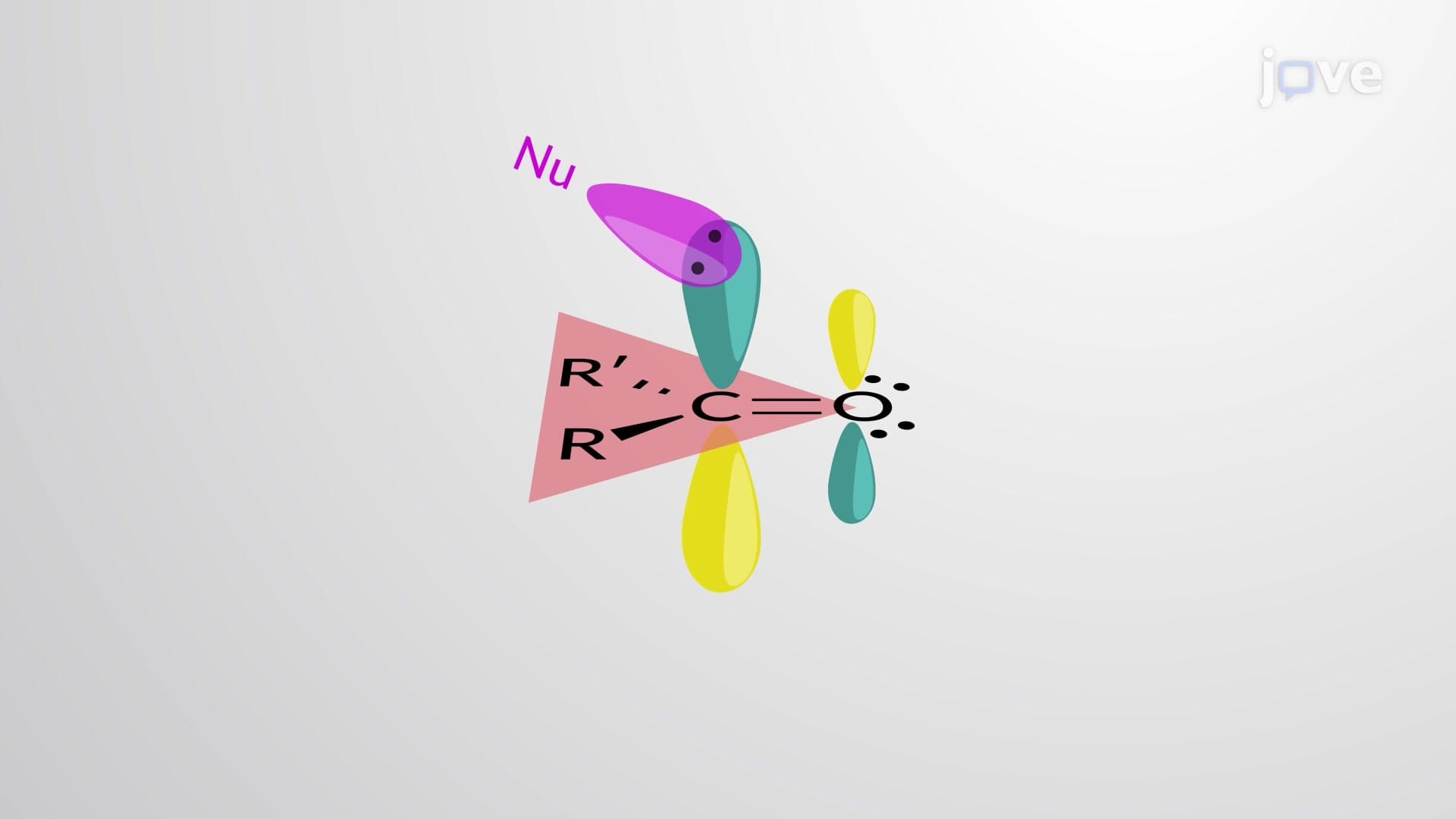
1. Carbonyl Structure and Bonding: The carbonyl group features sp²-hybridized carbon with trigonal planar geometry and 120° bond angles. Electronegativity differences create significant bond polarization, making carbon electrophilic and oxygen nucleophilic. This polarization drives most carbonyl reactivity patterns. Resonance structures show partial positive charge on carbon, explaining why carbonyl compounds readily undergo nucleophilic attack. Understanding this electronic structure is fundamental for predicting reaction outcomes in organic synthesis.
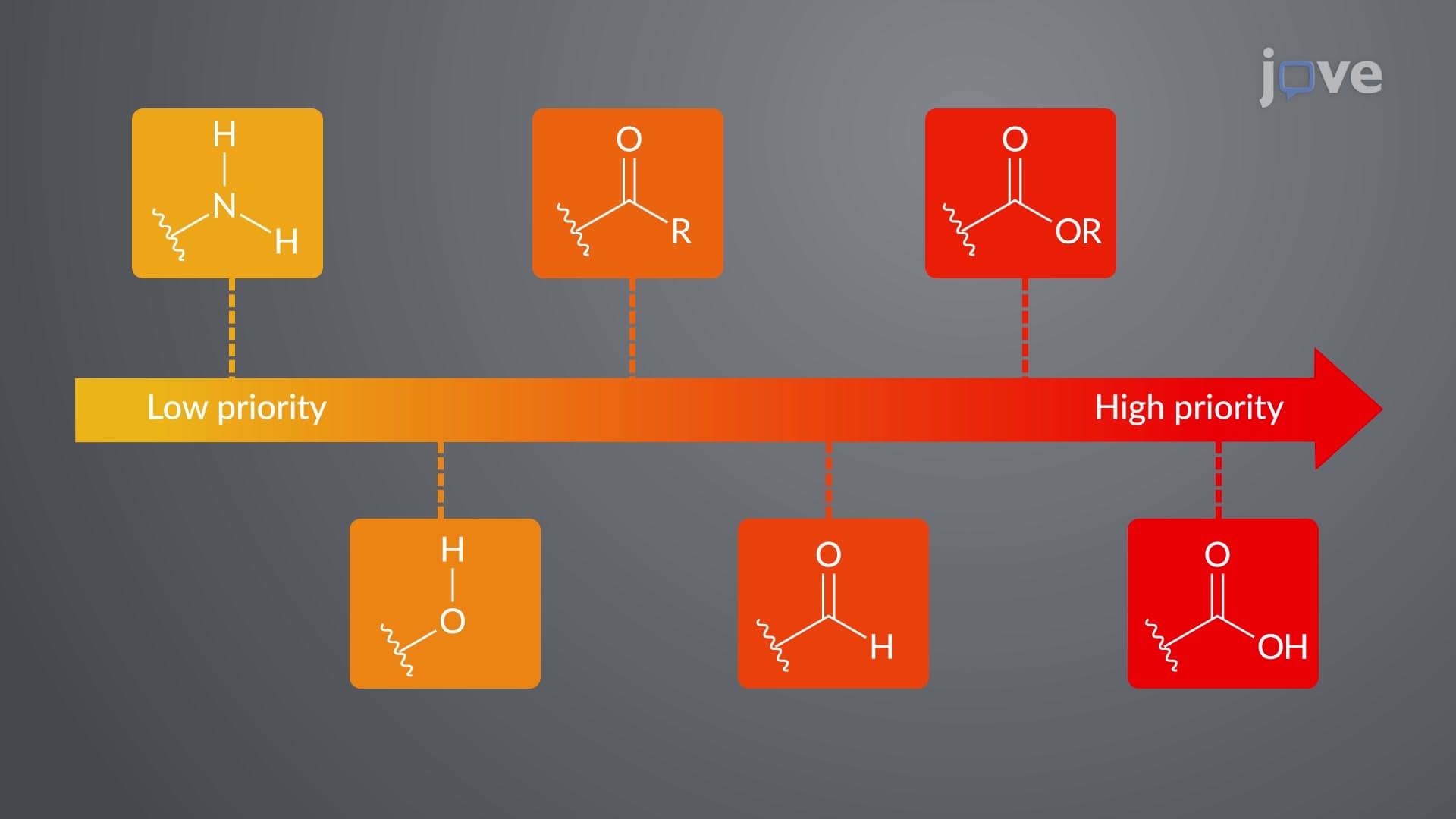
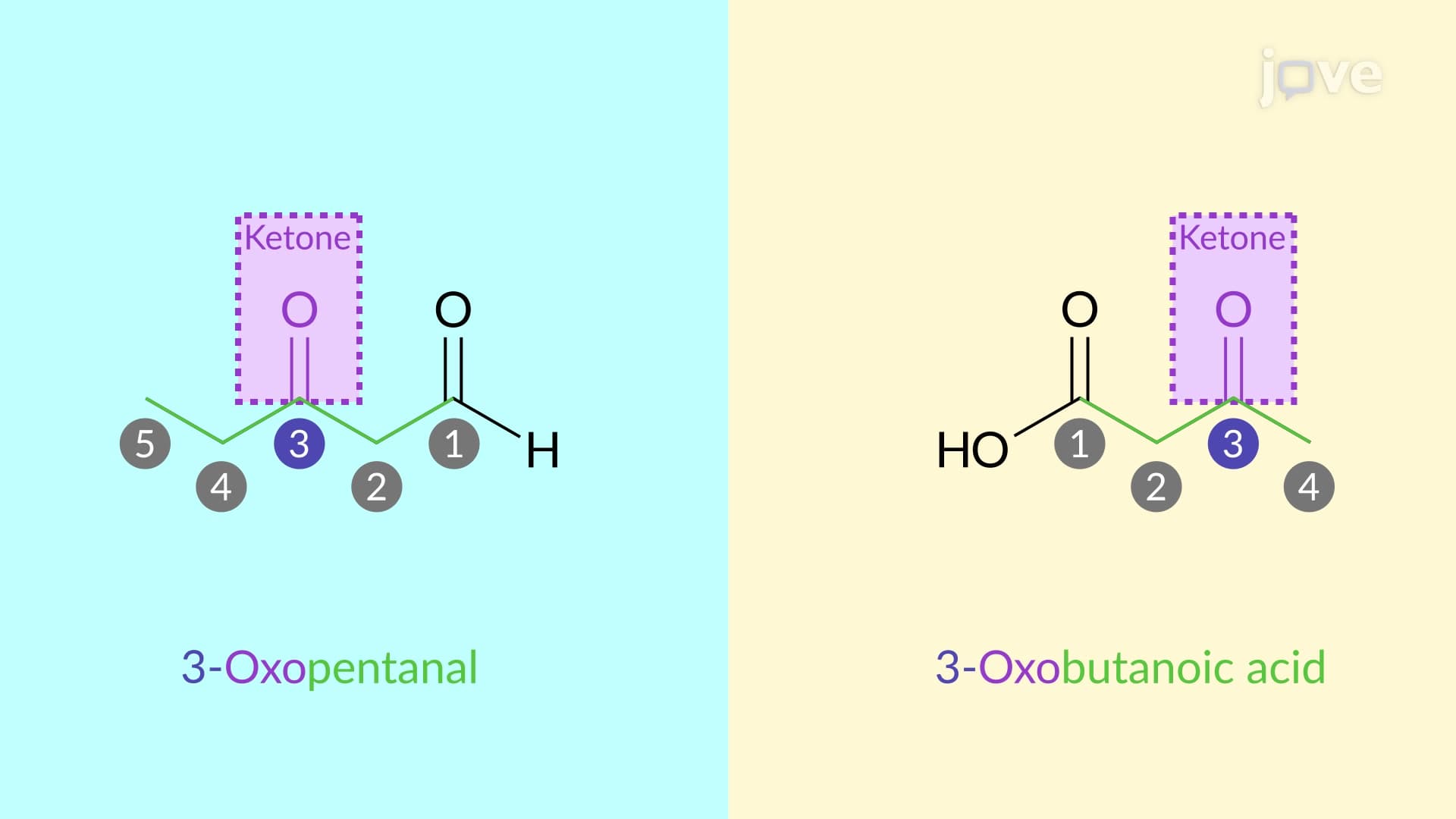
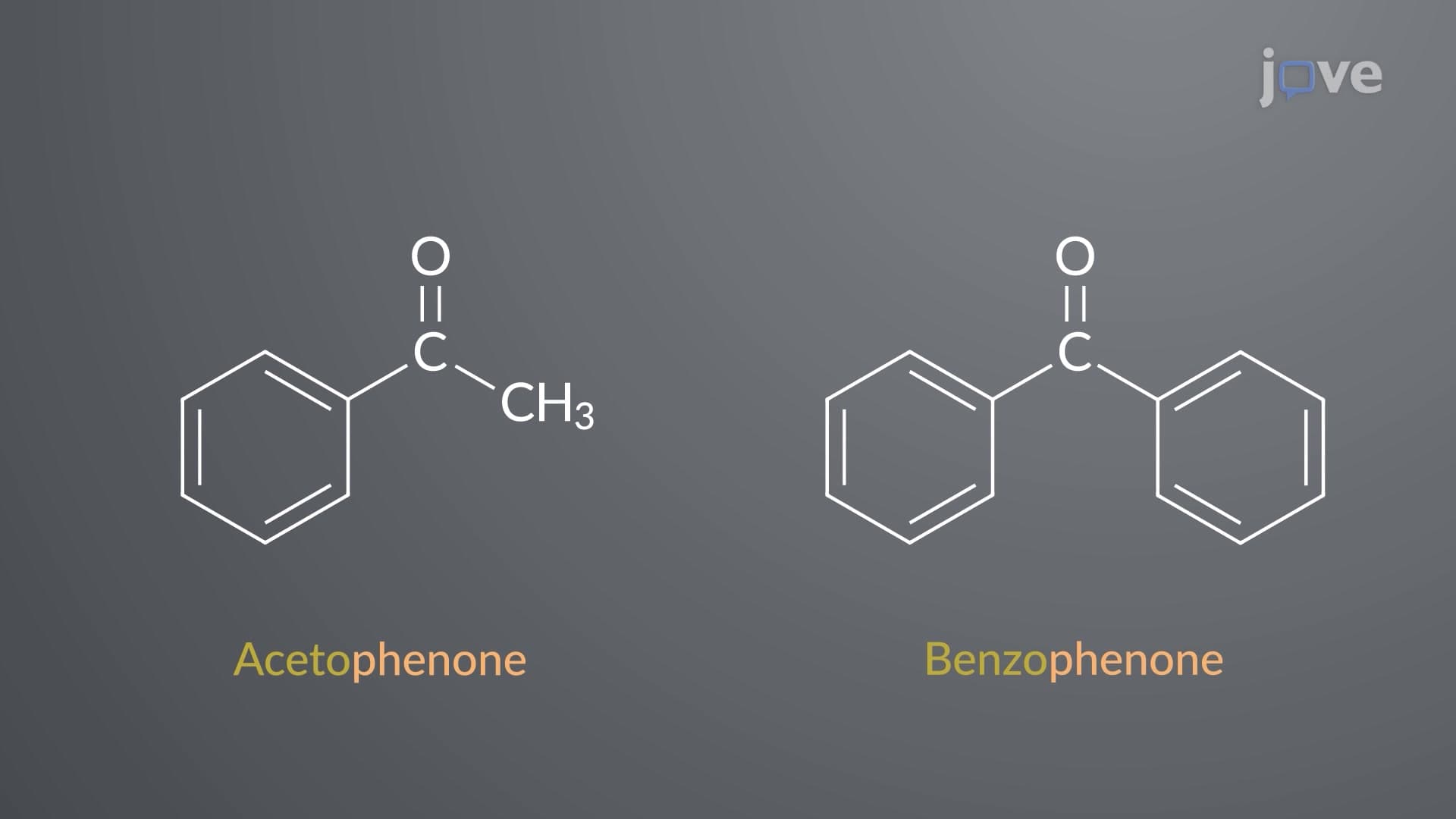
2. IUPAC Nomenclature Systems: Aldehydes use the suffix "-al" with numbering from the carbonyl carbon, while ketones employ "-one" with the lowest possible carbonyl position number. Cyclic aldehydes add "carbaldehyde" to the parent ring name. Priority rules determine naming when multiple functional groups are present, with aldehydes ranking higher than ketones. Common names like formaldehyde, acetaldehyde, and acetone remain widely used in laboratory and industrial settings throughout the United States.
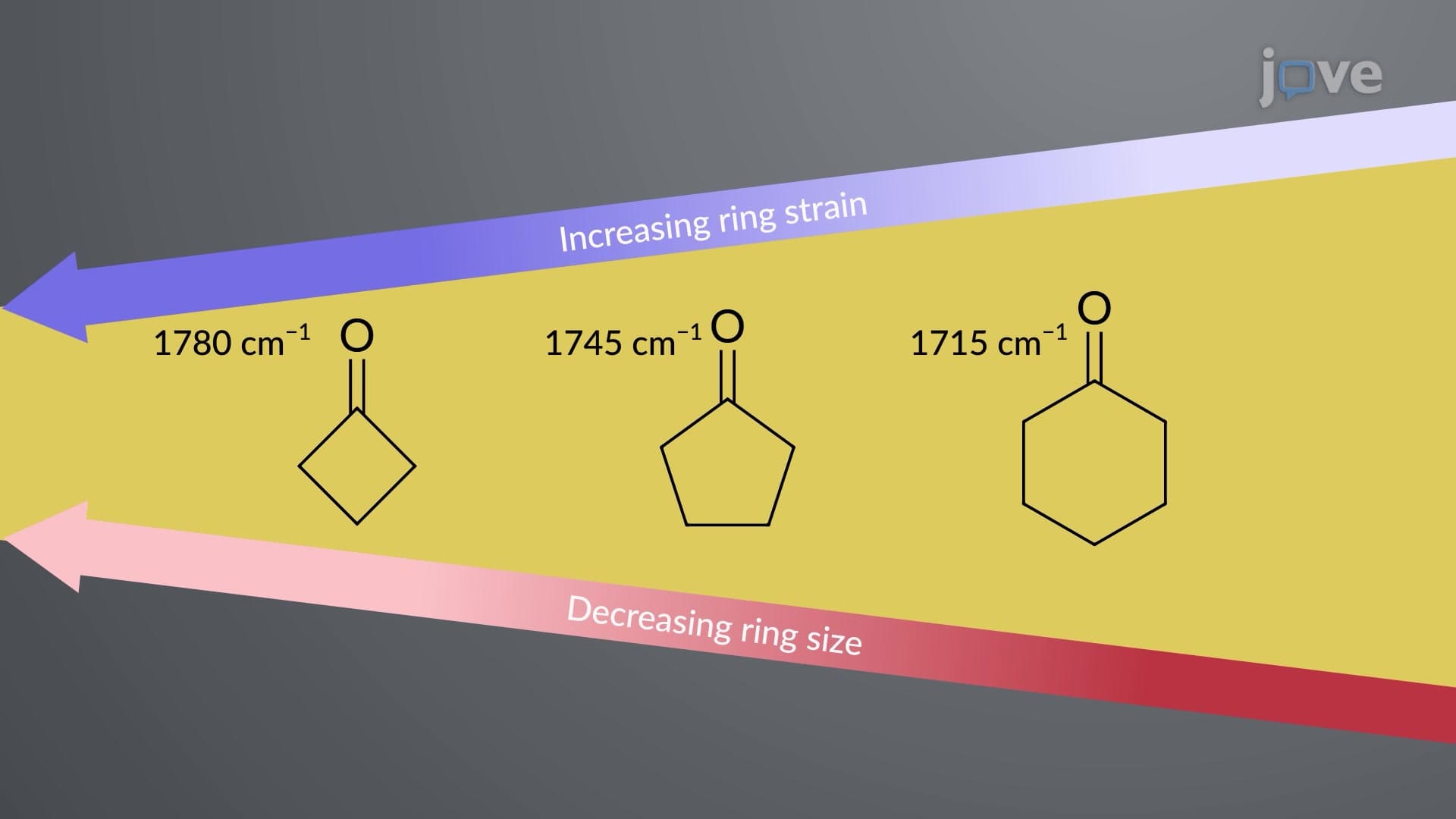
3. Spectroscopic Identification Methods: IR spectroscopy shows characteristic C=O stretches around 1720-1740 cm⁻¹, with aldehydes displaying additional C-H stretches near 2720 and 2820 cm⁻¹. ¹H NMR reveals aldehydic protons at ~10 ppm, while ¹³C NMR shows carbonyl carbons at 190-220 ppm. Mass spectrometry exhibits molecular ion peaks with characteristic α-cleavage fragmentation patterns. These techniques combined provide definitive structural identification for unknown carbonyl compounds in analytical chemistry laboratories.
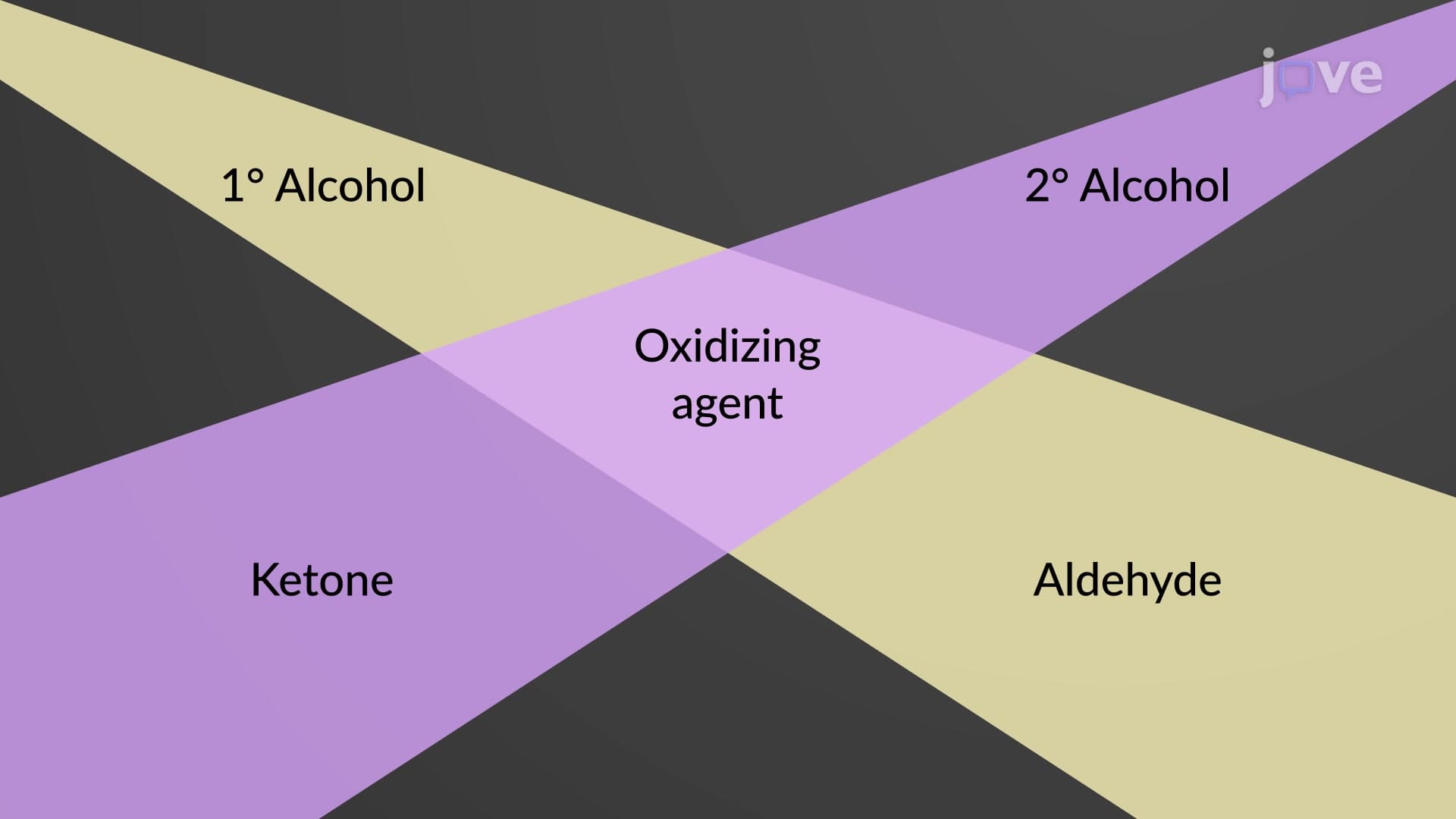
4. Synthetic Preparation Methods: Primary alcohols oxidize to aldehydes using mild oxidants like PCC, while secondary alcohols form ketones with various oxidizing agents. Ozonolysis of alkenes provides carbonyl compounds based on substitution patterns. Hydroboration-oxidation of terminal alkynes yields aldehydes, while internal alkynes form ketones. Friedel-Crafts acylation creates aromatic ketones. These methods form the backbone of carbonyl synthesis in pharmaceutical and chemical manufacturing across American industries.
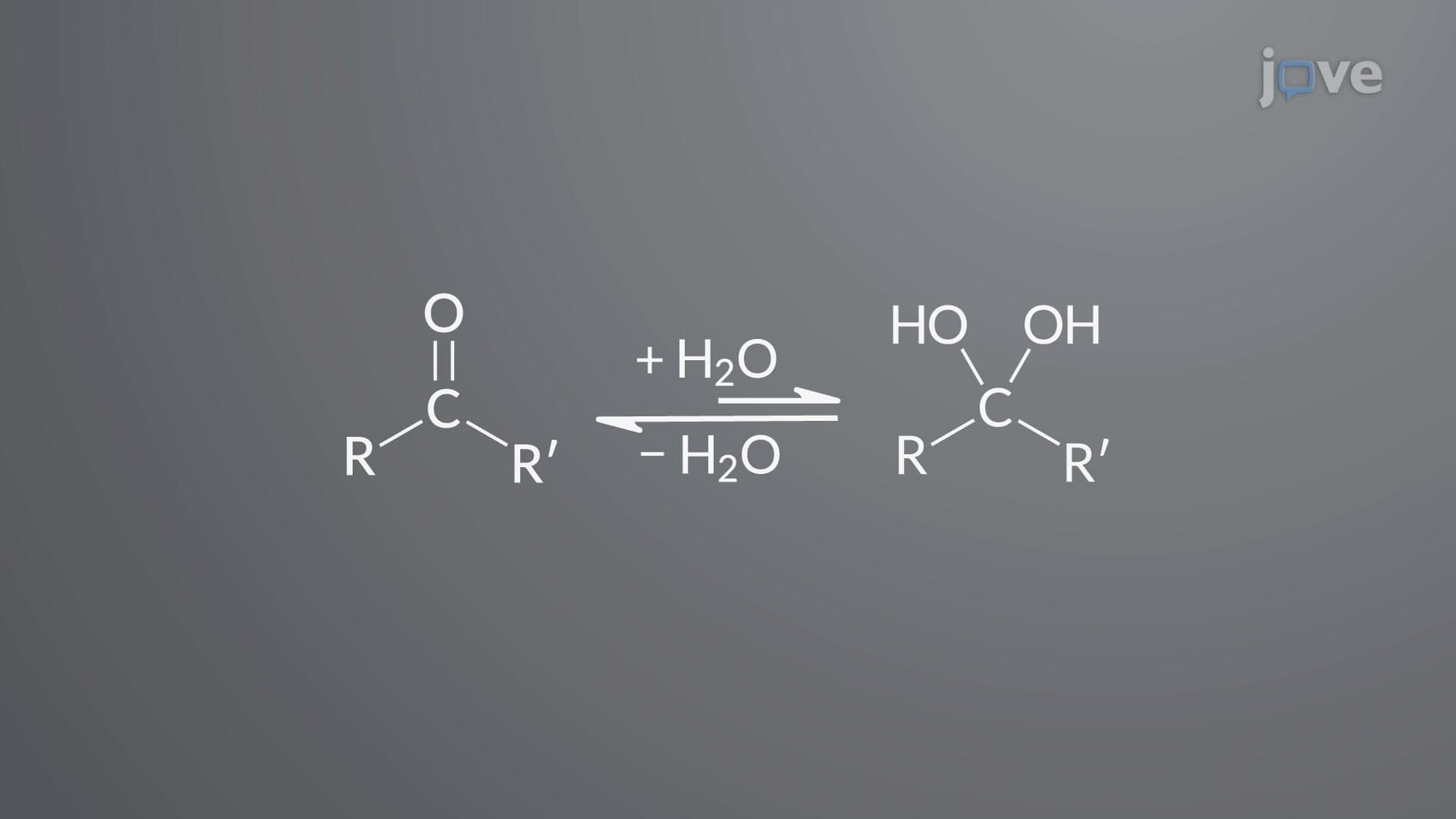
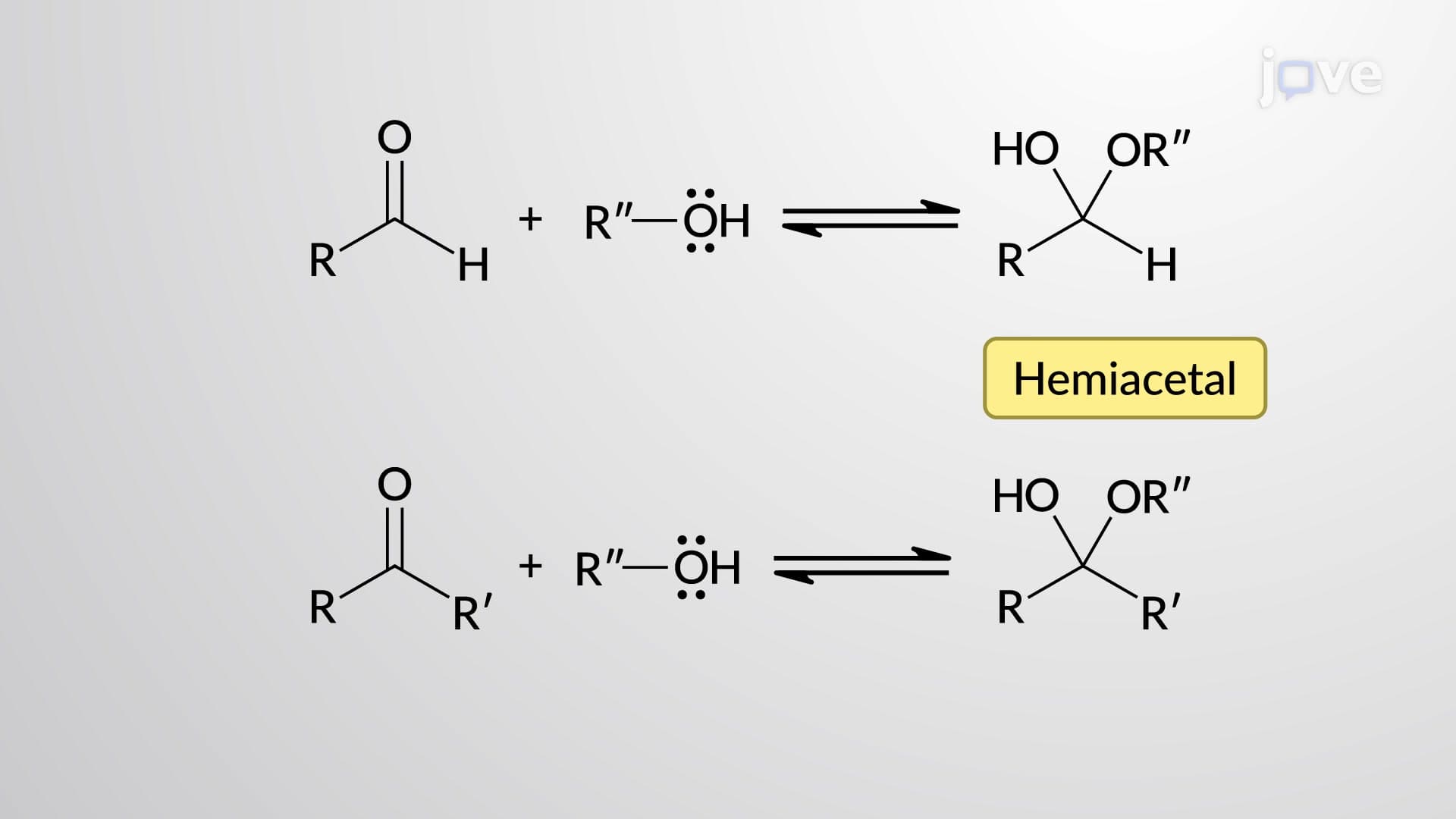
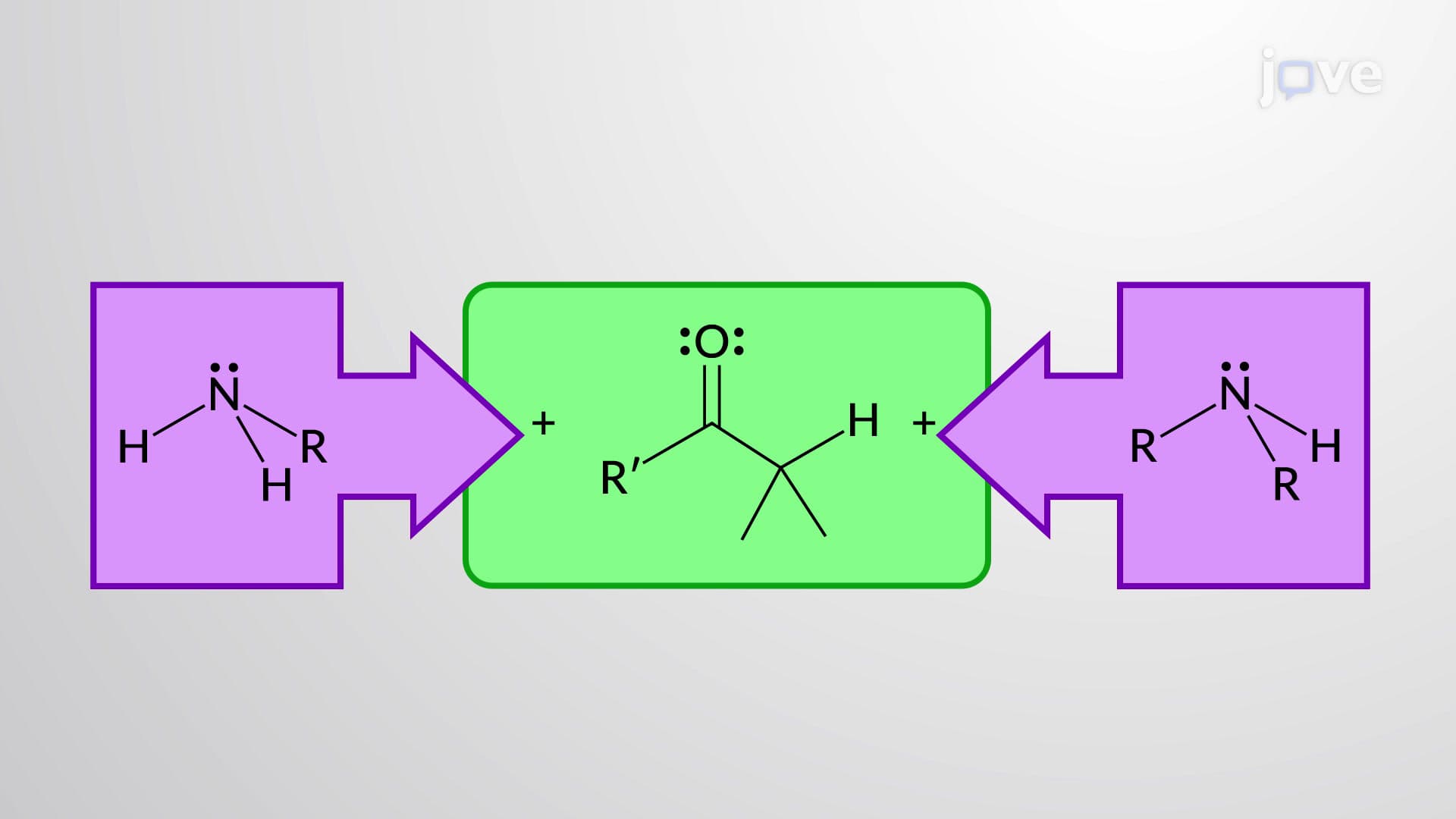
5. Nucleophilic Addition Mechanisms: Strong nucleophiles directly attack carbonyl carbon, while weak nucleophiles require acid catalysis for activation. Water addition forms gem-diols (hydrates), with equilibrium favoring carbonyl compounds for most cases. Alcohol addition creates hemiacetals, which can further react to form acetals under acidic conditions. These fundamental mechanisms explain reactivity patterns essential for understanding biochemical processes like carbohydrate chemistry and metabolic pathways.
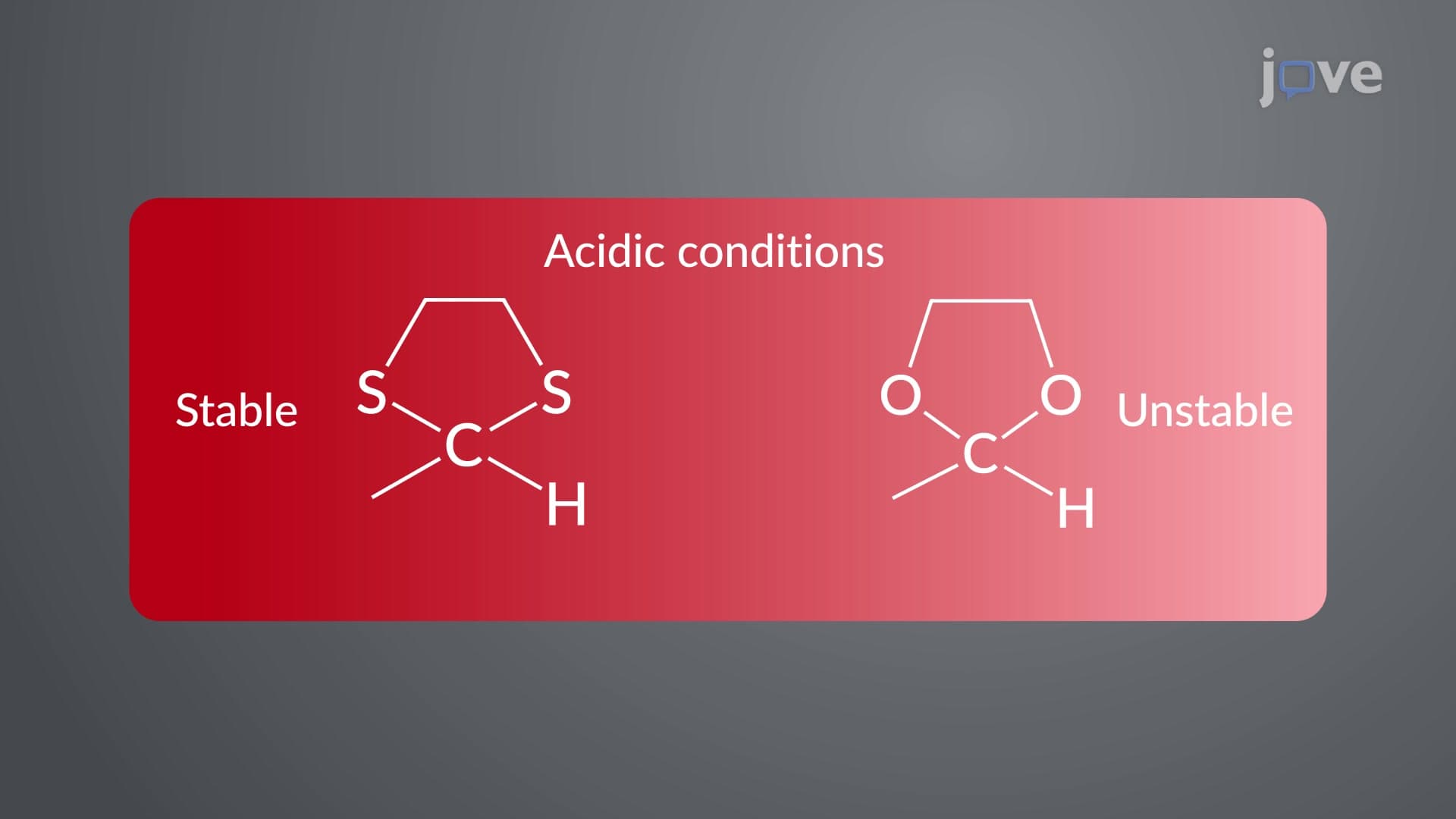
6. Protecting Group Strategies: Acetals and thioacetals serve as protecting groups for aldehydes and ketones during multi-step syntheses. Acetals form under acidic conditions and are removed by mild acid hydrolysis, remaining stable to bases and nucleophiles. Thioacetals show enhanced stability under acidic conditions and require mercuric chloride for removal. These strategies enable selective transformations in complex molecule synthesis, crucial for pharmaceutical development and natural product synthesis in American research institutions.
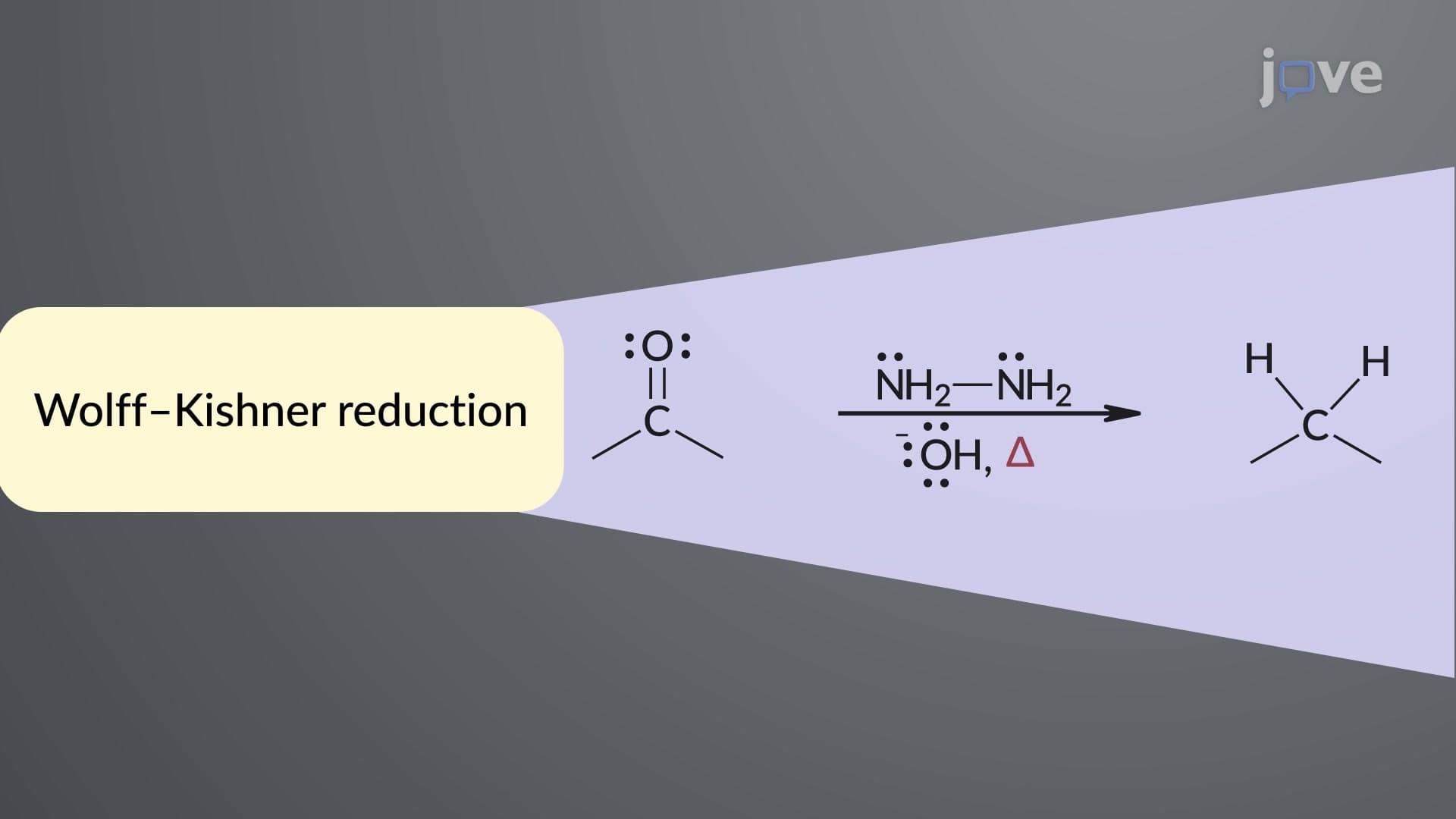
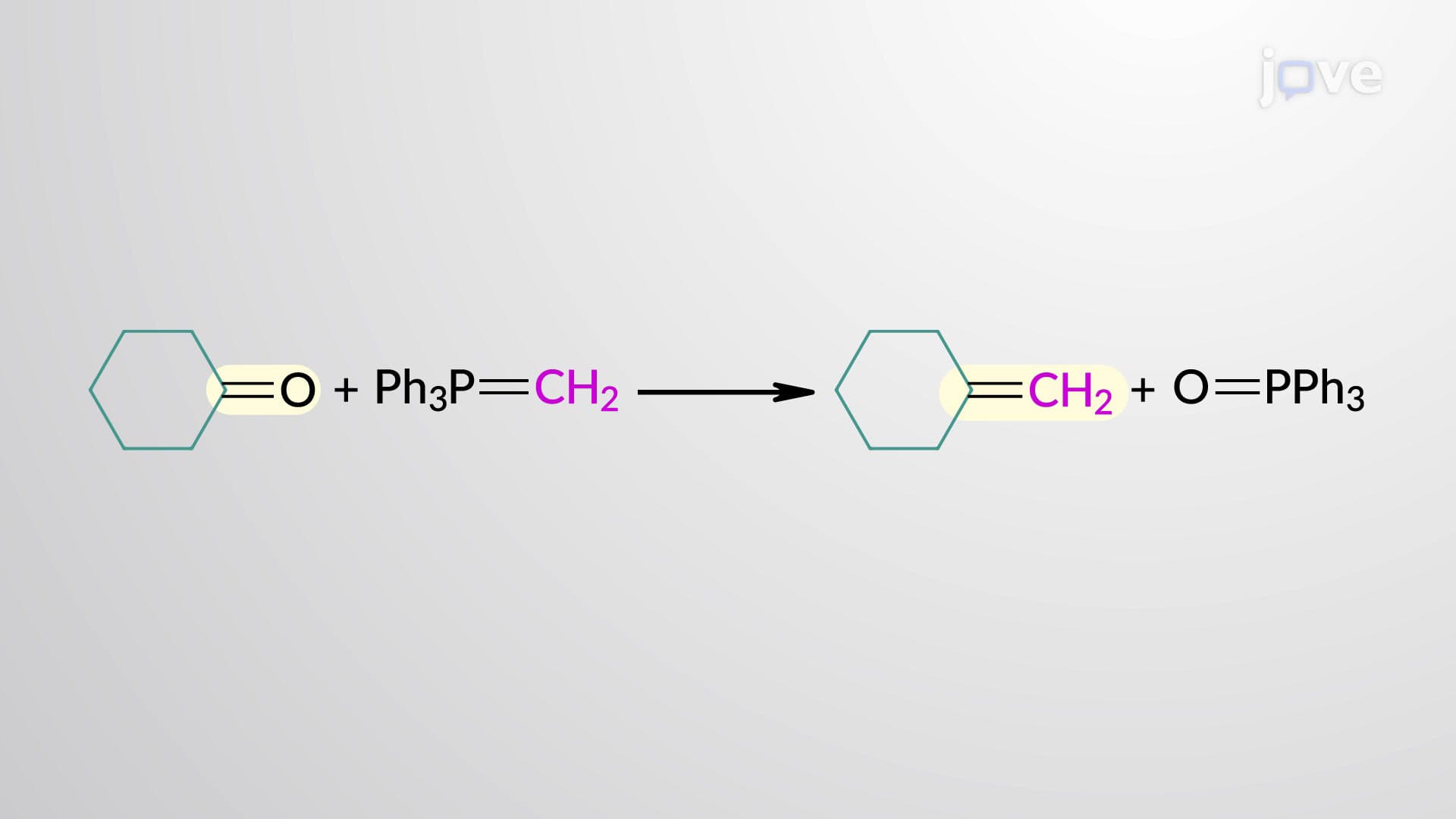
7. Specialized Transformations: The Wittig reaction converts carbonyl compounds to alkenes using phosphorus ylides, providing excellent regioselectivity and predictable stereochemistry. Wolff-Kishner reduction transforms carbonyls to methylene groups using hydrazine under basic conditions. Baeyer-Villiger oxidation inserts oxygen adjacent to carbonyl carbon, converting ketones to esters with predictable migratory aptitudes. These reactions represent powerful synthetic tools for creating complex molecular architectures in organic chemistry research.
Frequently Asked Questions
Aldehydes have a hydrogen atom directly bonded to the carbonyl carbon, making them generally more reactive toward nucleophiles and easier to oxidize. Ketones have two carbon groups attached to the carbonyl, providing greater steric hindrance and stability. This structural difference explains why aldehydes readily oxidize to carboxylic acids while ketones resist oxidation under mild conditions.
Examine the substitution pattern around the C=C double bond. Each carbon becomes a carbonyl carbon after ozonolysis. Terminal carbons (with hydrogens) form aldehydes, while internal carbons (substituted with carbon groups) form ketones. For example, 2-methyl-2-butene yields acetone and acetaldehyde after ozonolysis and reductive workup.
The MCAT emphasizes nucleophilic addition mechanisms, especially hemiacetal/acetal formation relevant to carbohydrate chemistry. Aldol condensations, though not covered in this course, frequently appear. Understanding carbonyl reactivity patterns, protecting groups, and spectroscopic identification methods helps with passage-based questions. Focus on mechanistic understanding rather than memorizing specific reactions.
For aldehydes, emphasize oxidation of primary alcohols using mild oxidants like PCC, or ozonolysis of terminal alkenes. For ketones, highlight oxidation of secondary alcohols with any oxidizing agent, or ozonolysis of internal alkenes. The AP exam often tests understanding of oxidation state changes and predicting products based on starting material structure.
Both show C=O stretches around 1720-1740 cm⁻¹, but aldehydes display two additional characteristic peaks around 2720 and 2820 cm⁻¹ from C-H stretching of the aldehydic hydrogen. Ketones lack these distinctive peaks. This makes IR spectroscopy a reliable method for distinguishing these functional groups in unknown compound identification.
Acetals are stable under basic conditions, reducing conditions, and toward most nucleophiles, but can be selectively removed under mildly acidic conditions. This allows chemists to "mask" reactive carbonyl groups during reactions that might otherwise interfere, then regenerate the carbonyl when needed. It's like temporarily covering something during construction work.
The main challenge is understanding how electronic effects influence reactivity patterns. Focus on the fundamental concept that carbonyl carbon is electrophilic due to oxygen's electronegativity. Practice drawing mechanisms step-by-step, identifying nucleophiles and electrophiles in each reaction. Create concept maps linking different reactions by their common mechanistic elements rather than memorizing isolated transformations.
Carbonyl chemistry is fundamental to metabolism, including glycolysis where aldehydes and ketones appear as intermediates. Diabetes involves ketone production during ketosis. Many pharmaceuticals contain carbonyl groups, and understanding their reactivity helps explain drug mechanisms and side effects. Aldehydes like formaldehyde are important in medical preservation and sterilization processes used throughout American healthcare systems.
This microcourse includes 25 concept videos that walk you through the building blocks of Organic Chemistry. Each video is short, about 1 minute, so you can cover a full topic during a coffee break or between classes. The full sequence starts with Structures of Aldehydes and Ketones and ends with Keto-Enol Tautomerism: Mechanism.