Loading video…


 20 Concepts
 256.6K views

Video Summary: What are Leaving Groups
Ever wonder why some chemical reactions happen instantly while others take forever? Leaving groups are the molecular "escape artists" that determine reaction speed in nucleophilic substitution reactions. In pharmaceutical manufacturing across the US, companies like Pfizer rely on understanding leaving group efficiency to optimize drug synthesis pathways. What are leaving groups exactly? They're functional groups that depart from molecules during chemical reactions, taking electrons with them to form stable species. The best leaving groups, like iodide ions, create the fastest reactions because they form exceptionally stable products after departure. Watch the full video on JoVE Coach to master this concept with expert-led visuals and step-by-step explanations.
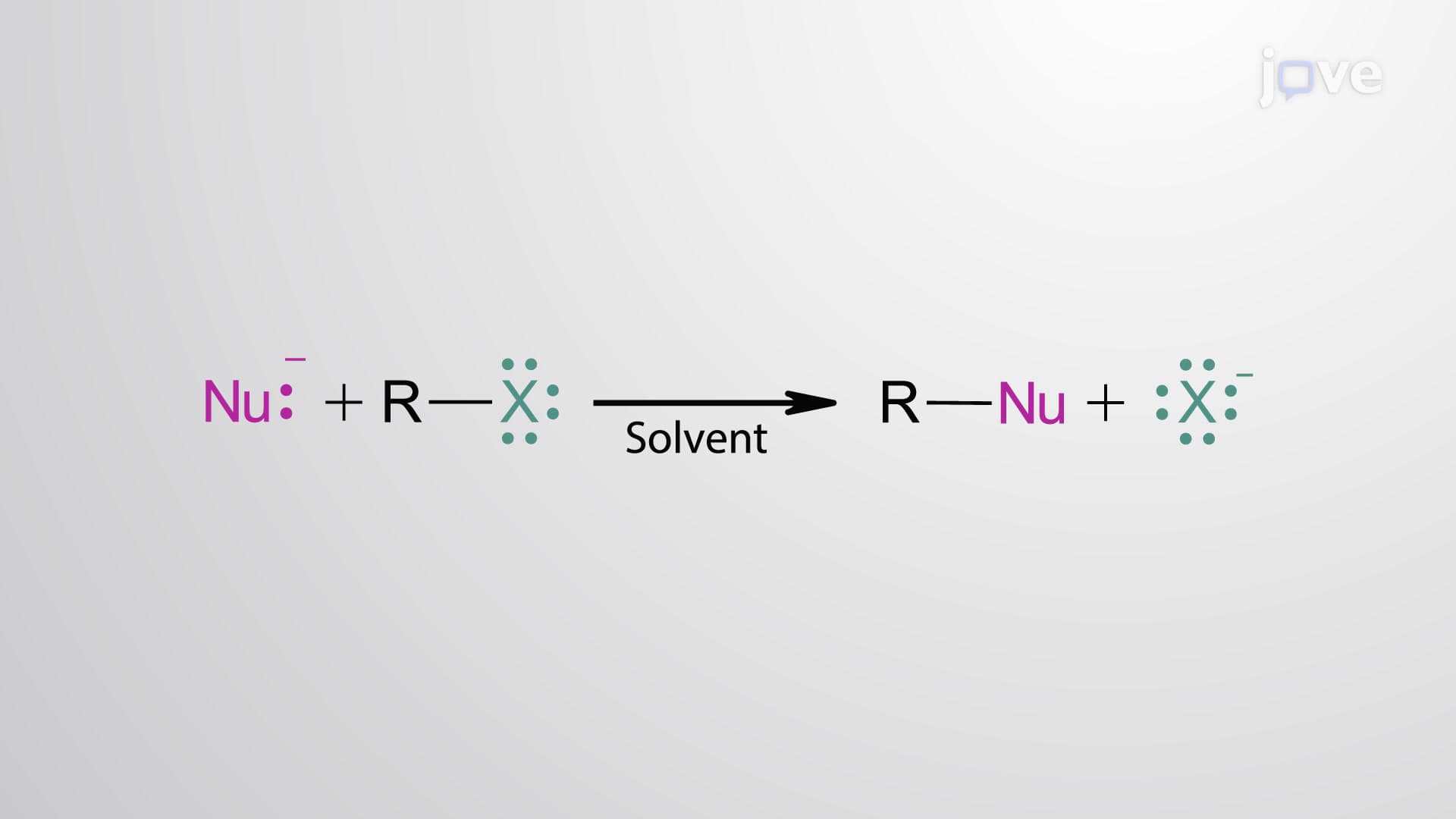
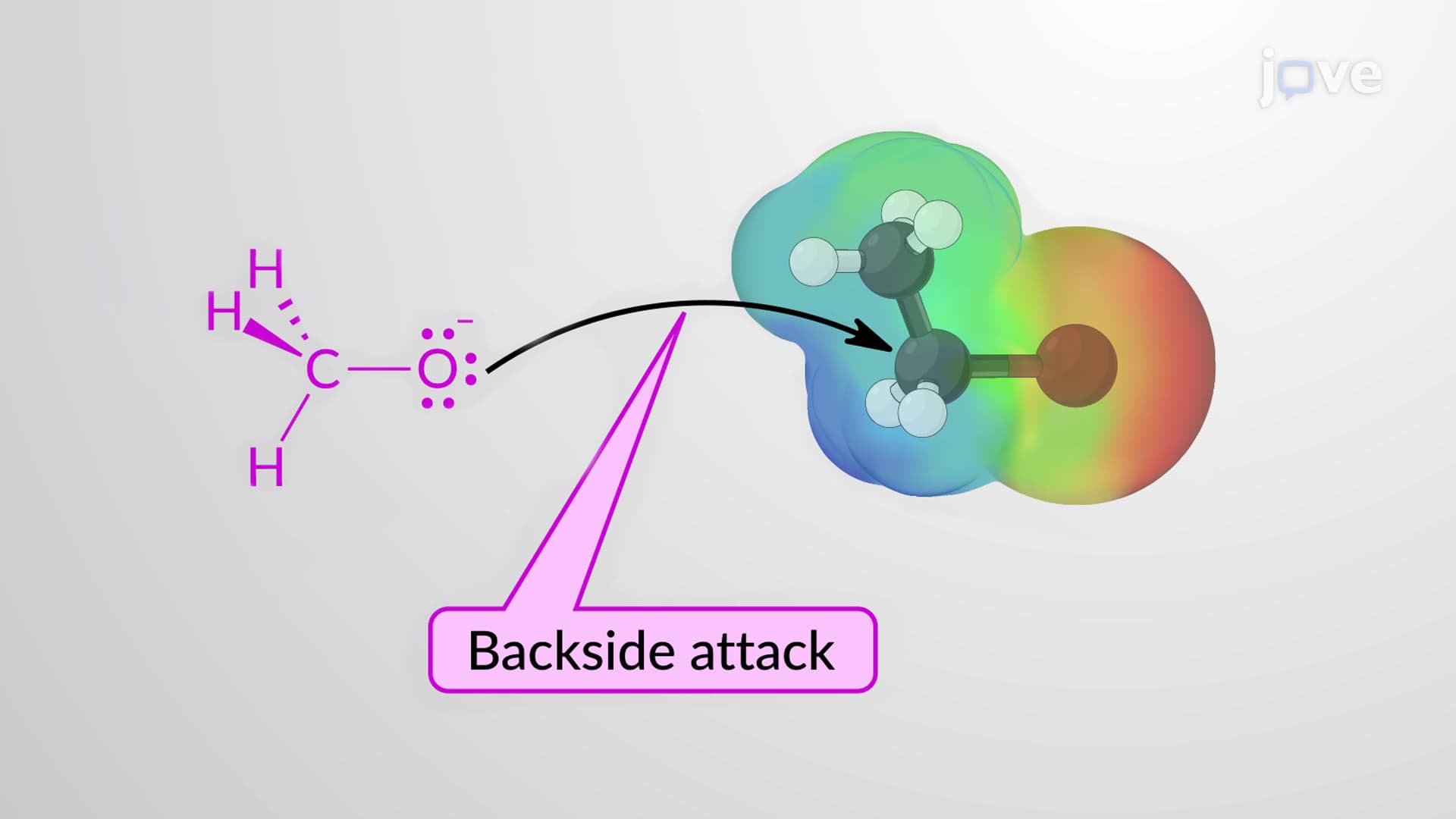
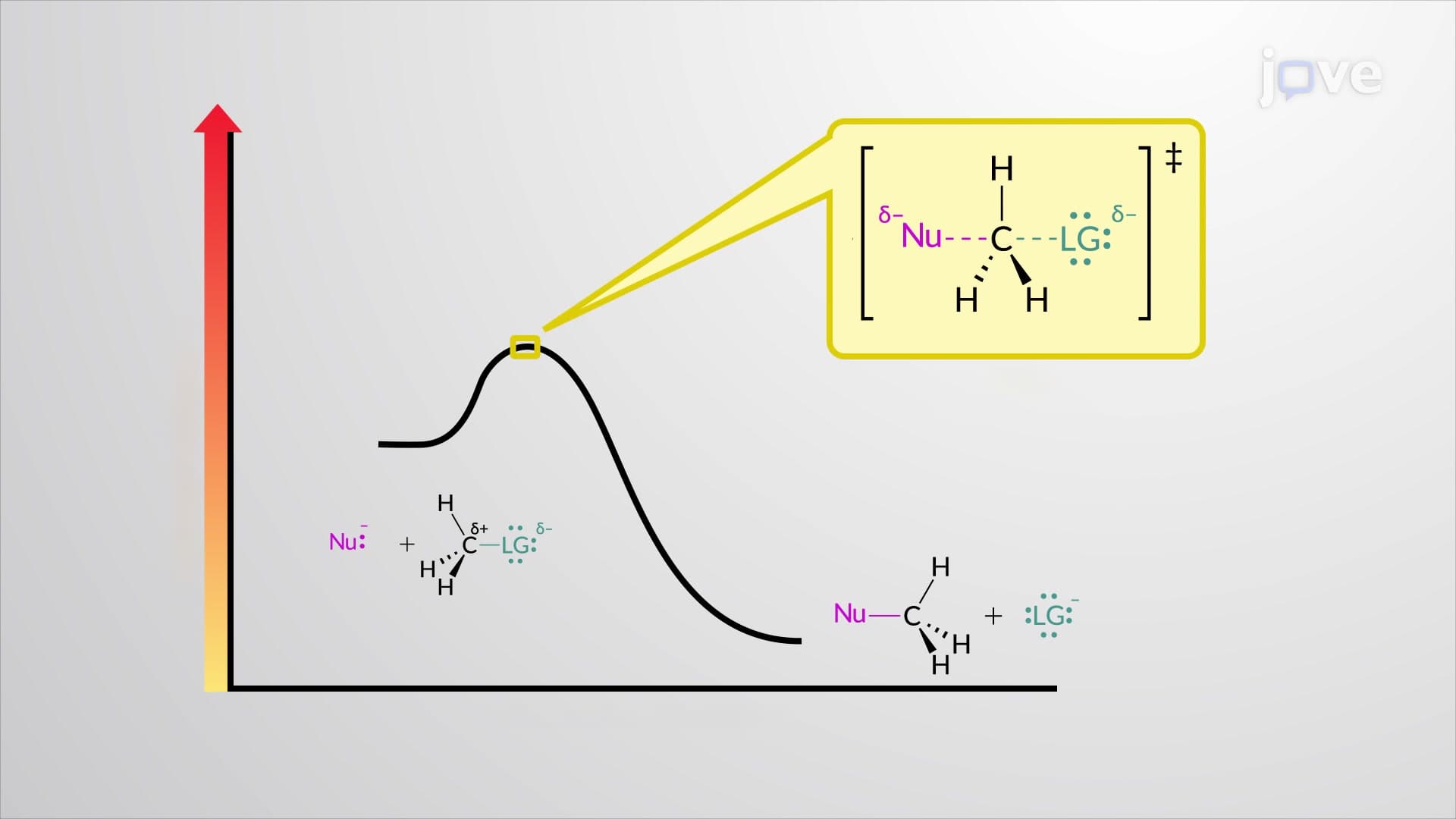
Leaving groups represent one of organic chemistry's most crucial concepts, functioning as the molecular fragments that depart during nucleophilic substitution reactions. When a nucleophile attacks an electrophilic carbon, the leaving group must exit to maintain proper bonding arrangements. This departure occurs through heterolytic bond cleavage, where the leaving group retains both electrons from the broken bond.
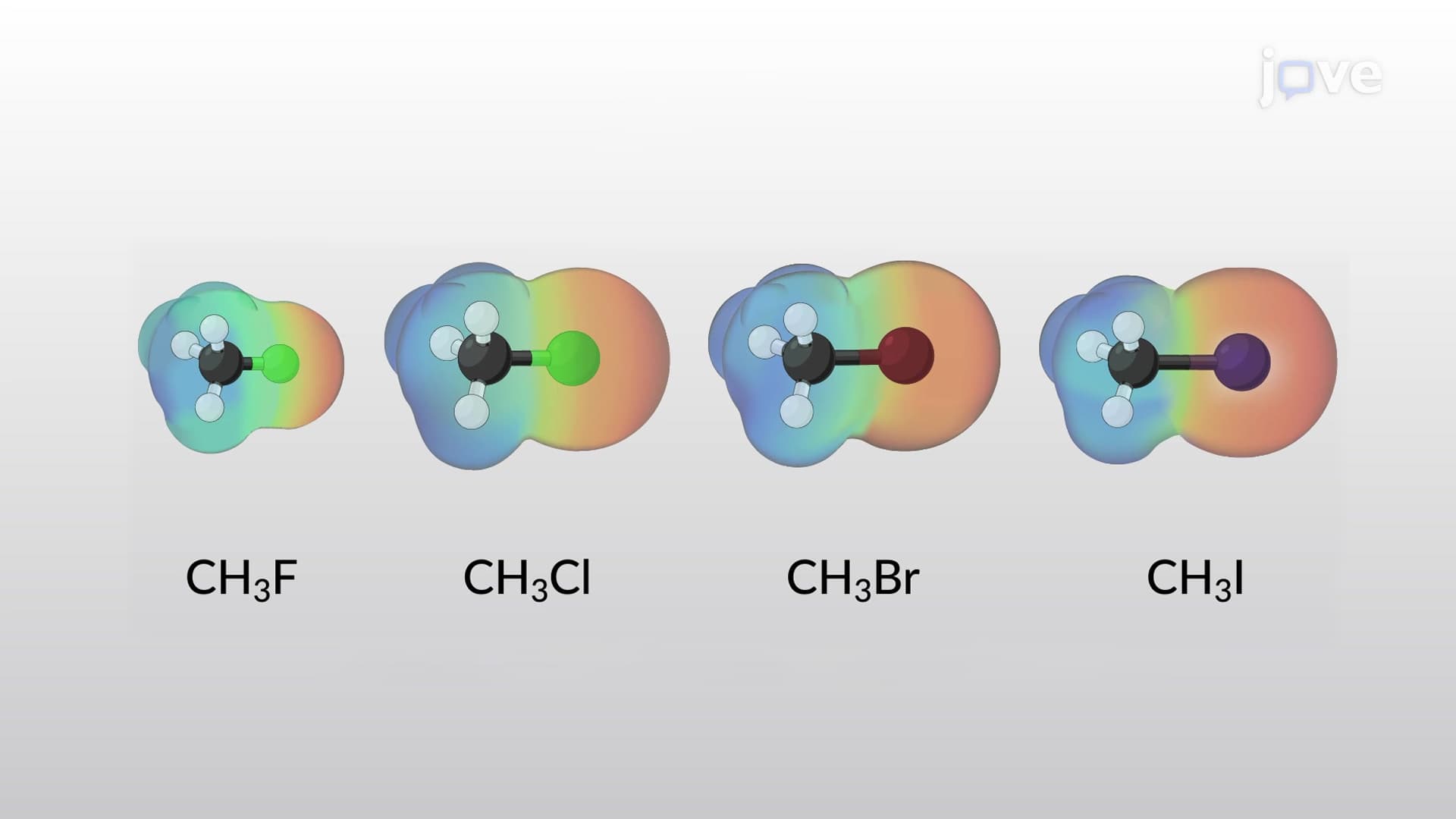
The fundamental principle governing leaving group ability centers on stability after departure. Excellent leaving groups form highly stable species once they leave the parent molecule. This stability typically correlates with the strength of the conjugate acid. For instance, iodide makes an outstanding leaving group because it's the conjugate base of hydroiodic acid (HI), one of the strongest acids known. The large iodine atom effectively disperses negative charge, creating remarkable stability.
Students preparing for AP Chemistry or college organic chemistry courses should memorize this trend: iodide > bromide > chloride > fluoride for halide leaving group ability. This order directly reflects the pKa values of their corresponding acids (HI < HBr < HCl < HF). Major pharmaceutical companies utilize this principle when designing synthetic routes-reactions involving iodide leaving groups proceed faster and under milder conditions than those with chloride.
While many students initially think of leaving groups as anions, numerous important leaving groups are neutral molecules. Water represents the most common neutral leaving group, departing readily because it's the conjugate base of the hydronium ion (H3O+). Alcohols can also function as leaving groups after protonation, transforming into excellent leaving groups like protonated methanol.
This concept proves essential for MCAT preparation, where students encounter alcohol dehydration reactions and ester hydrolysis mechanisms. In industrial applications, companies like DuPont exploit neutral leaving groups in polymer synthesis, where water elimination drives polymerization reactions.
The general rule states that conjugate bases of acids with negative pKa values function as superior leaving groups. This principle helps predict reaction outcomes and design synthetic pathways. Fluoride, despite being highly electronegative, makes a poor leaving group because HF is a relatively weak acid compared to other hydrogen halides. The strong H-F bond and fluoride's high charge density make it reluctant to leave.
Understanding these principles proves invaluable for students tackling organic chemistry exams at universities like MIT or Stanford, where mechanism prediction questions frequently test leaving group recognition and ranking abilities.
Related Micro-courses