Loading video…


 15 Concepts
 116.4K views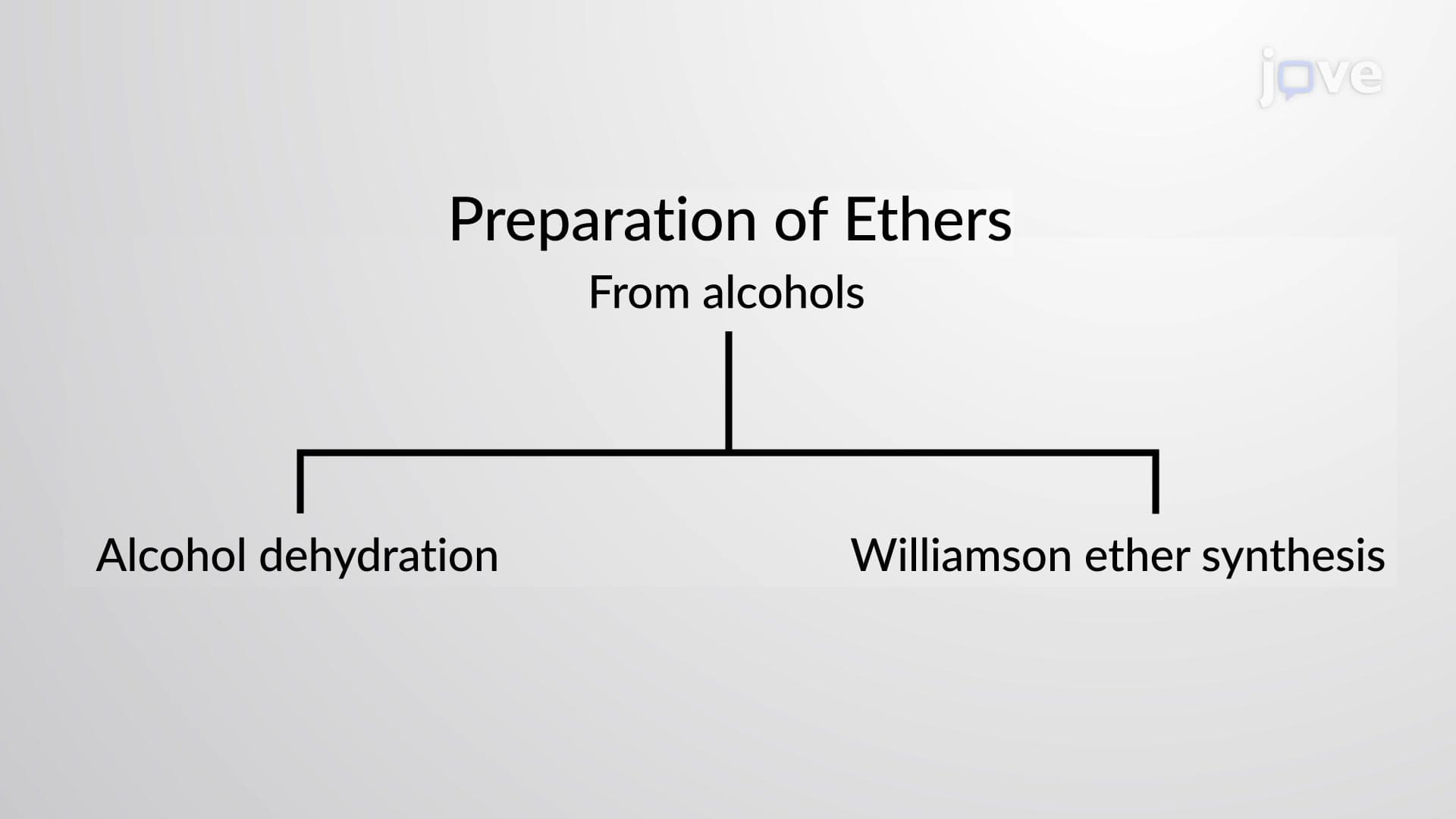

Video Summary: Ethers From Alcohols Alcohol Dehydration Explained
Ever wonder how industrial solvents like diethyl ether are mass-produced in chemical plants across the United States? Ethers from alcohols alcohol dehydration represents one of the most fundamental synthetic pathways in organic chemistry, where simple alcohols transform into versatile ether compounds through acid-catalyzed reactions. This process powers the production of anesthetic ethers used in medical facilities nationwide, from Cleveland Clinic to Mayo Clinic. Understanding Ethers From Alcohols Alcohol Dehydration Explained opens doors to advanced organic synthesis concepts. Watch the full video on JoVE Coach to master this concept with expert-led visuals and step-by-step explanations.
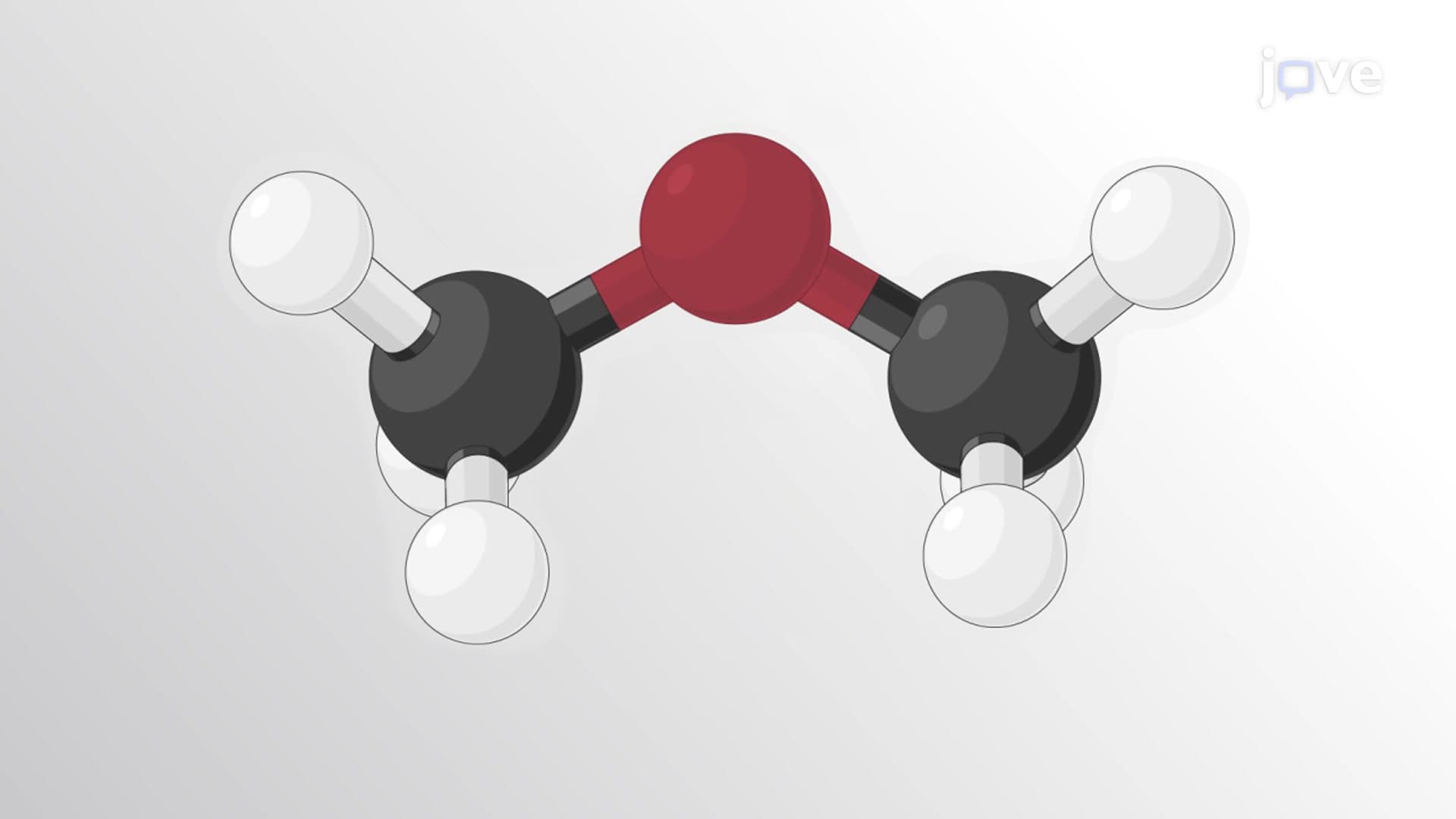
Ether formation from alcohols represents a cornerstone reaction in organic chemistry, with profound implications for both academic study and industrial applications. This process transforms readily available alcohols into ethers-compounds featuring an oxygen atom bonded to two carbon groups. The reaction's significance extends from AP Chemistry classrooms to pharmaceutical manufacturing facilities across the United States.
The alcohol dehydration mechanism proceeds through a carefully orchestrated sequence of proton transfers and nucleophilic attacks. Sulfuric acid serves as the catalyst, initially protonating the alcohol's hydroxyl group to form an oxonium ion (ROH2+). This crucial step converts the poor leaving group (OH-) into an excellent leaving group (H2O), facilitating subsequent bond formation.
The SN2 mechanism drives the core reaction step. A second alcohol molecule acts as a nucleophile, attacking the carbon bearing the oxonium ion while simultaneously displacing water. This concerted process forms a new C-O bond while breaking the C-O bond to the leaving water molecule. Students preparing for the MCAT often encounter this mechanism in organic chemistry sections, where understanding the stereochemical implications proves essential.
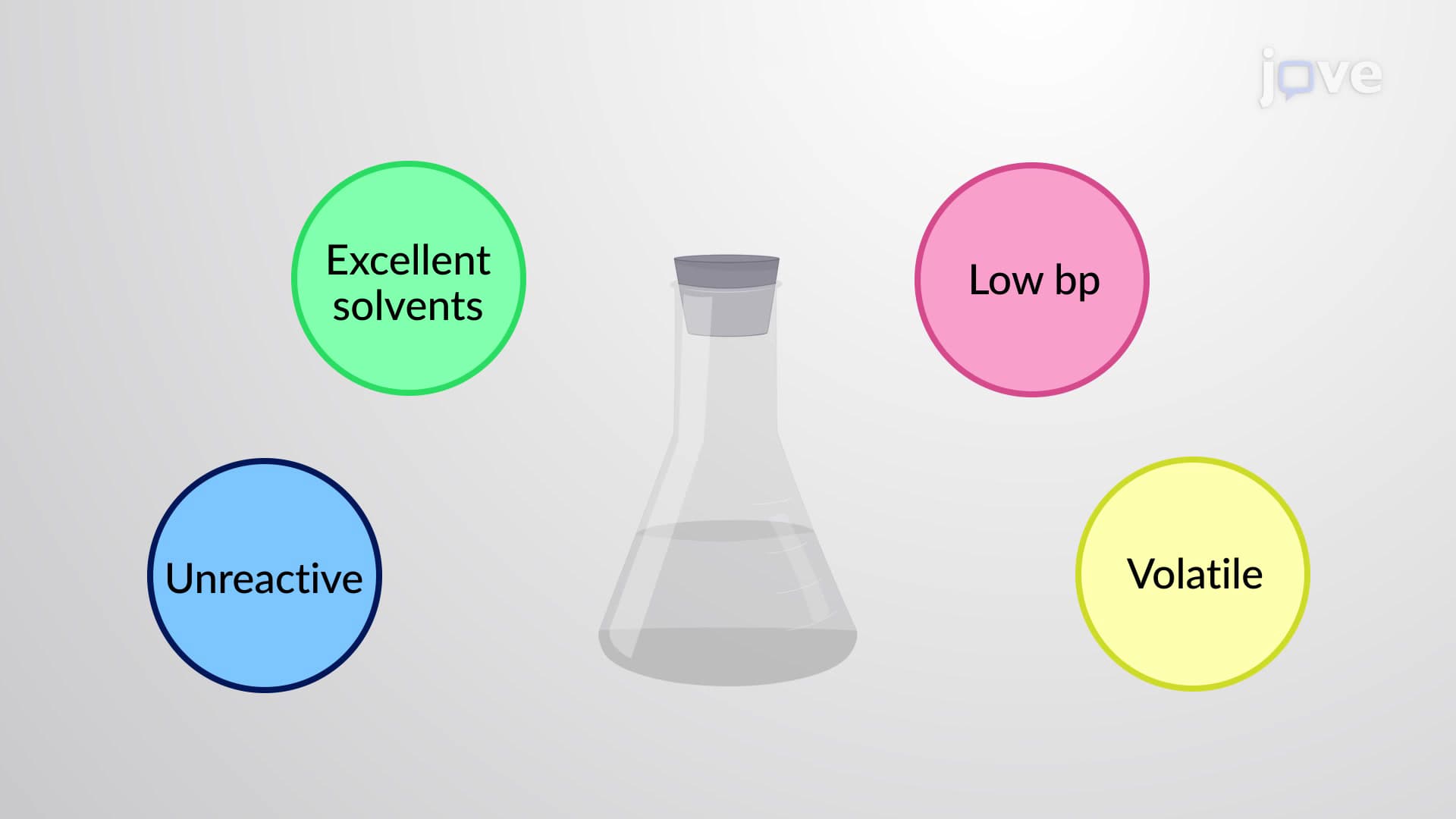
Major chemical companies like DuPont and Dow Chemical utilize alcohol dehydration for large-scale ether production, particularly diethyl ether synthesis from ethanol. This process supplies anesthetics for surgical procedures in American hospitals and serves as a solvent in pharmaceutical manufacturing.
However, the method exhibits significant limitations. Primary alcohols work optimally, while secondary and tertiary alcohols preferentially undergo elimination to form alkenes rather than ethers. This selectivity stems from carbocation stability-secondary and tertiary carbocations readily lose protons to form double bonds rather than undergo nucleophilic attack.
When asymmetrical ethers are required, chemists turn to Williamson ether synthesis. This two-step process begins with alkoxide ion formation using strong bases like sodium hydride, followed by SN2 reaction with alkyl halides. College organic chemistry courses, including those at universities like MIT and Stanford, emphasize this complementary approach for its versatility in creating diverse ether structures.
Related Micro-courses