Loading video…


 15 Concepts
 116.4K views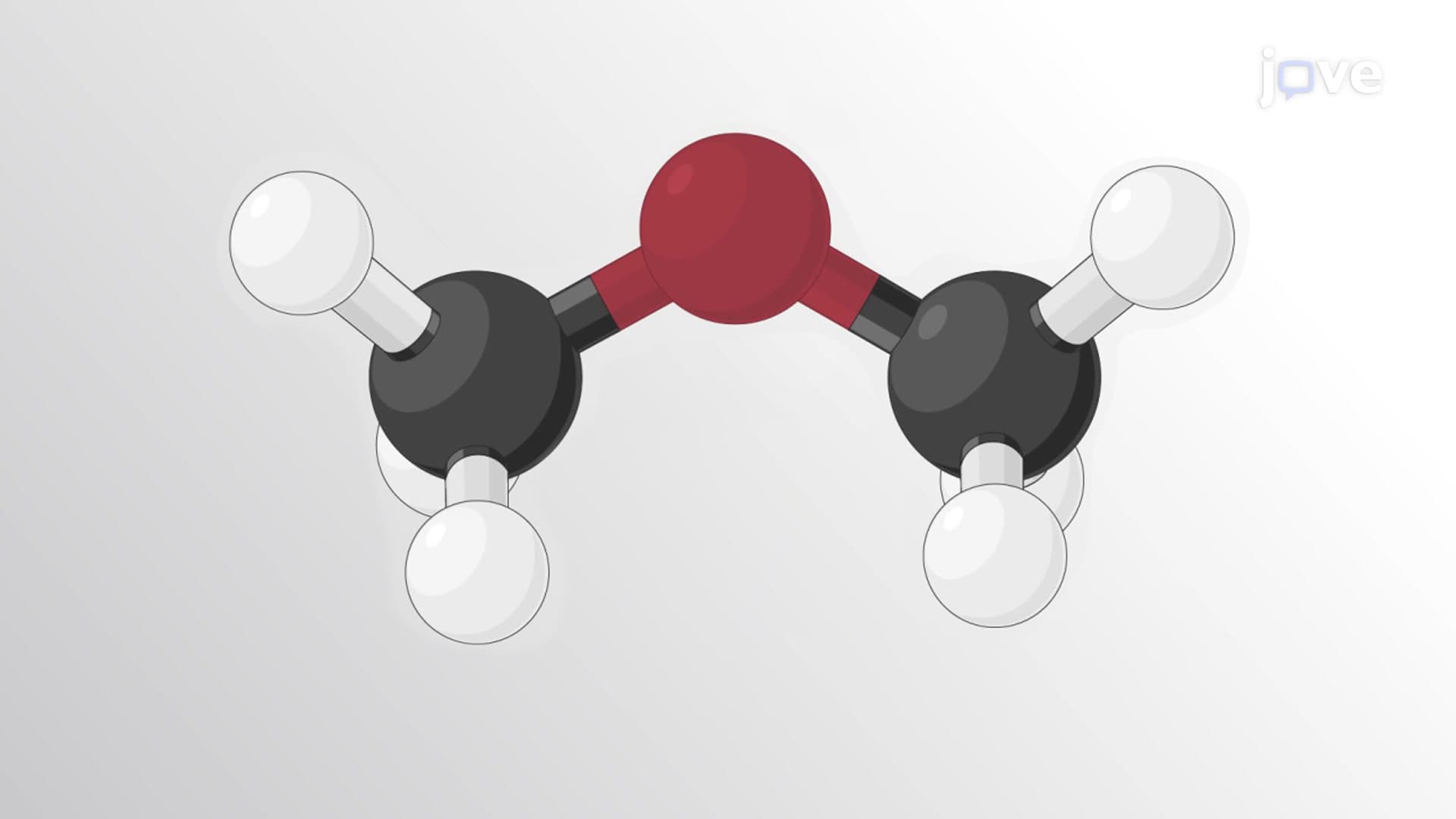

Video Summary: Structure and Nomenclature of Ethers Explained
Ever wonder how the anesthetic used in your dentist's office gets its name? The structure nomenclature ethers follows systematic rules that help identify compounds like diethyl ether, once commonly used in American hospitals for surgery. Understanding the Structure And Nomenclature of Ethers Explained reveals how oxygen bridges between carbon groups create these versatile organic molecules with predictable naming patterns. Watch the full video on JoVE Coach to master this concept with expert-led visuals and step-by-step explanations.
Ethers represent a crucial class of organic compounds characterized by their distinctive oxygen bridge connecting two carbon-containing groups. With the general formula CnH2n+2O, these molecules play vital roles in everything from medical anesthetics to industrial solvents used across American laboratories and hospitals.
The oxygen atom in ethers adopts sp³ hybridization, creating a bent molecular geometry similar to water and alcohols. This geometry results in bond angles close to the tetrahedral angle of 109.5°, with dimethyl ether exhibiting a 110.3° angle. Understanding this three-dimensional arrangement becomes crucial when predicting physical properties and reactivity patterns that appear frequently on AP Chemistry exams and college organic chemistry courses.
The structural classification of ethers falls into two categories: symmetrical ethers contain identical R groups on both sides of the oxygen (like diethyl ether), while asymmetrical ethers feature different groups (such as methyl phenyl ether). This distinction directly impacts naming conventions and appears regularly in MCAT organic chemistry sections.
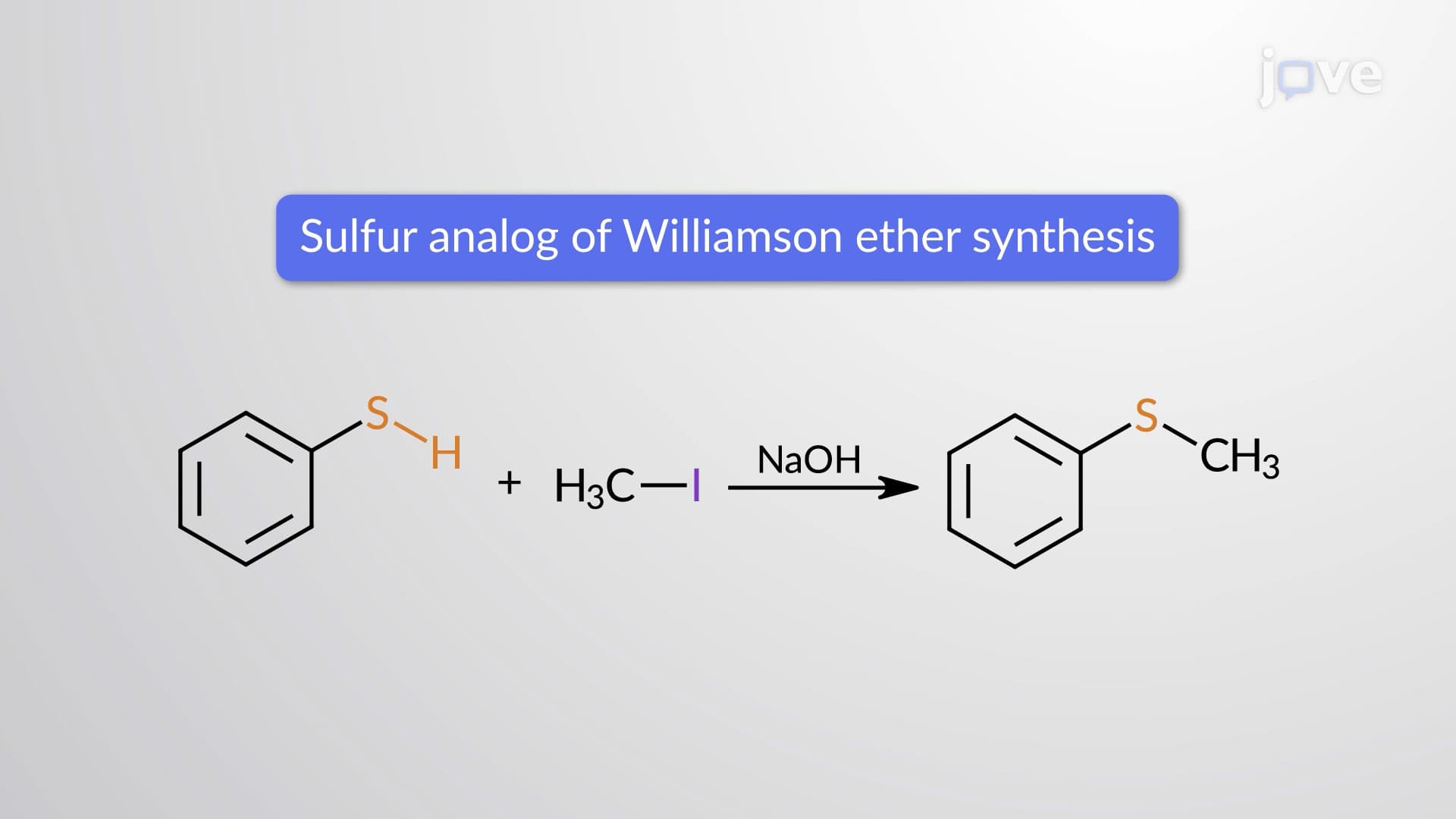
The traditional common naming system provides an intuitive approach by listing the R groups alphabetically followed by "ether." For identical groups, the prefix "di-" simplifies the name. This system works well for simple ethers commonly encountered in introductory chemistry courses and appears frequently on standardized tests like the SAT Subject Test in Chemistry.
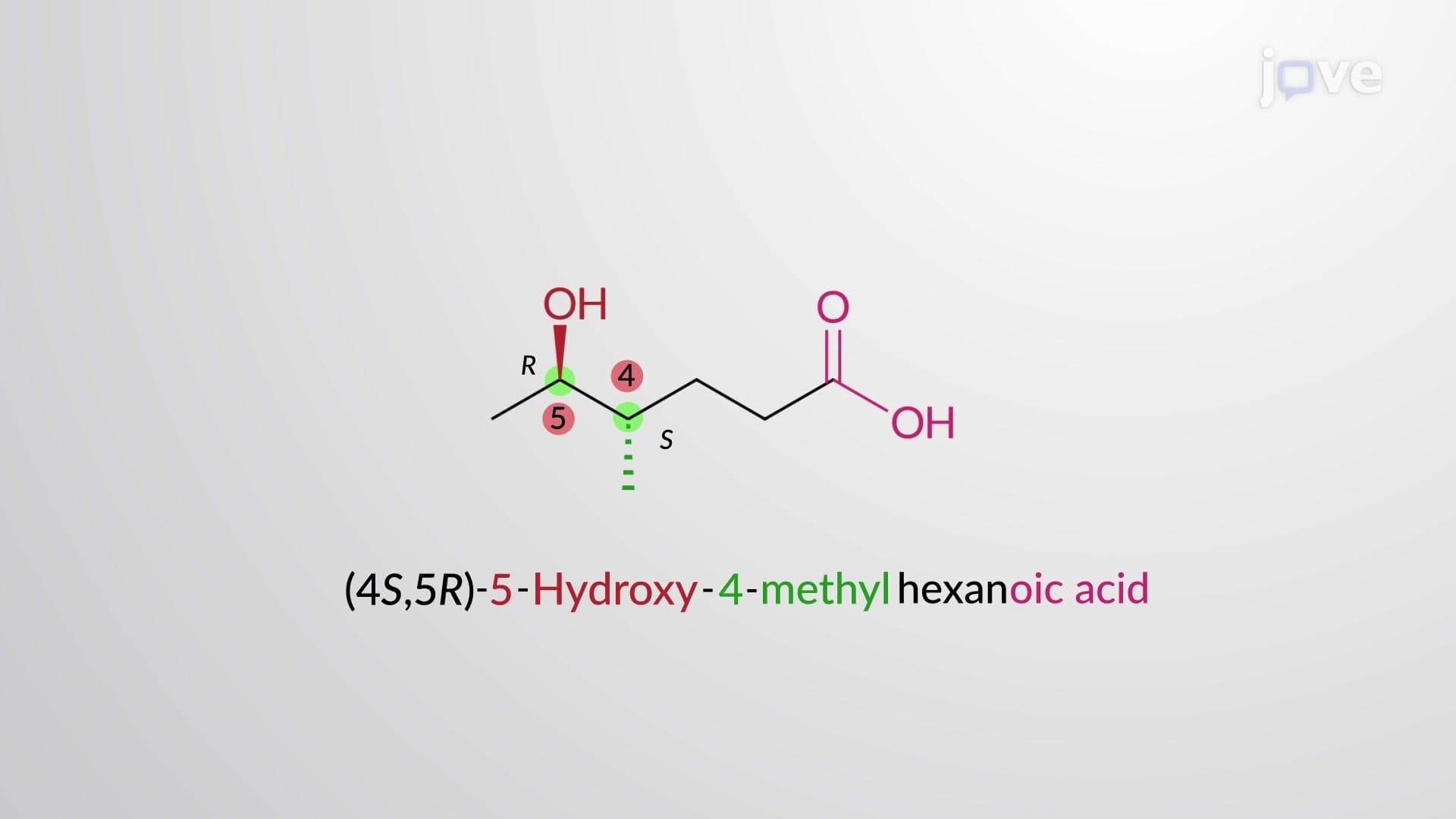
The systematic IUPAC naming approach treats ethers as alkoxy-substituted hydrocarbons, where the larger carbon chain becomes the parent molecule. The smaller group transforms into an alkoxy substituent (methoxy, ethoxy, etc.). This method proves essential for complex molecules with multiple functional groups, branching, or ring systems that challenge students in advanced placement courses.
For cyclic ethers, the "oxa" prefix indicates oxygen's presence within the ring structure. Terms like oxirane (three-membered ring) and oxolane (five-membered ring) provide specific nomenclature for these important biological molecules, including several found in pharmaceutical compounds developed by American drug companies.
Related Micro-courses