Loading video…


 29 Concepts
 119.8K views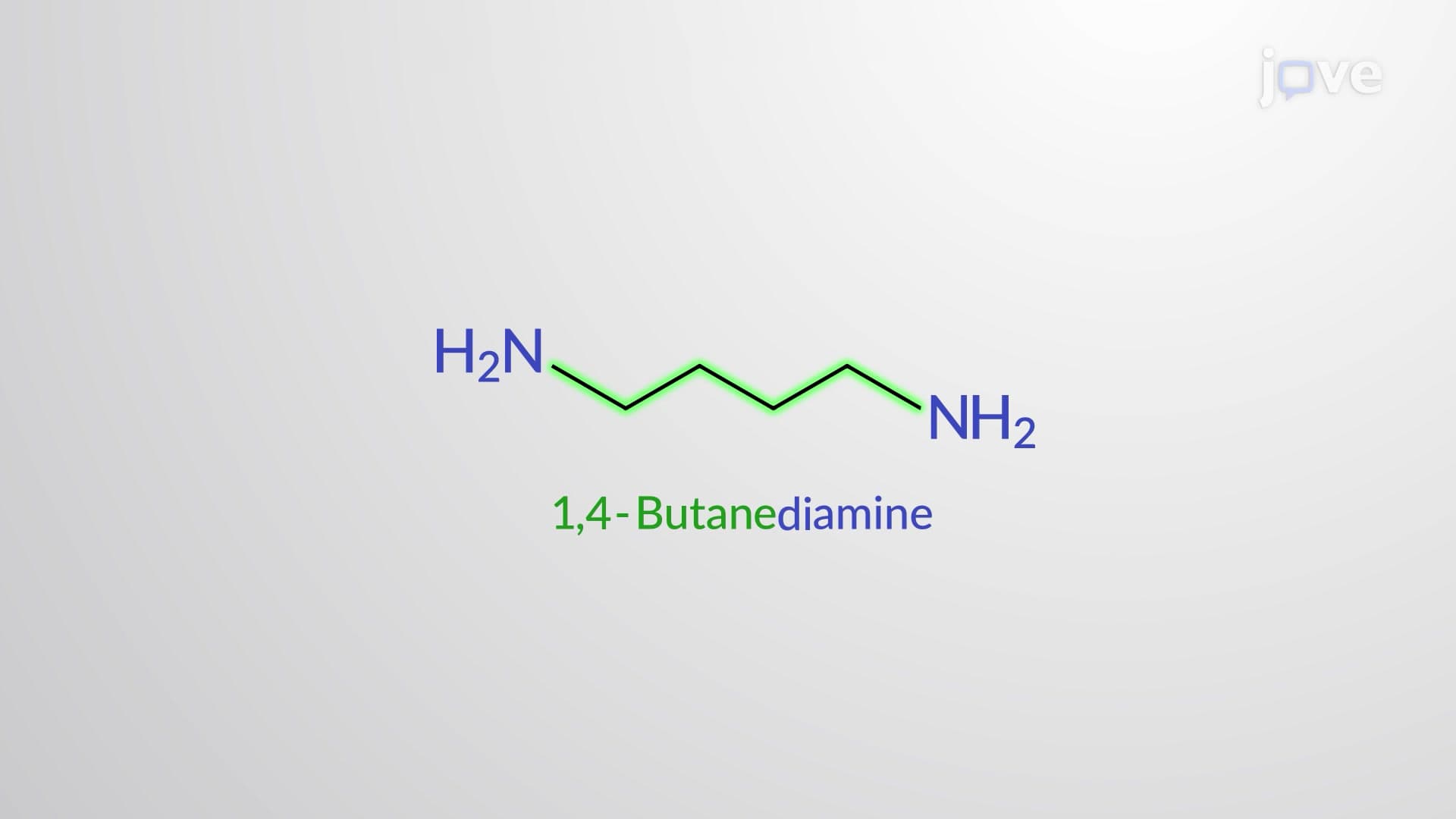

Video Summary: What are Nomenclature of Primary Amines
Ever wondered how pharmaceutical companies like Pfizer ensure precise communication when developing life-saving drugs containing amine compounds? The nomenclature of primary amines follows systematic rules that prevent costly confusion in drug development and chemical manufacturing. Both common naming (adding "-amine" to alkyl groups) and IUPAC naming (replacing alkane "-e" with "-amine") provide standardized methods for identifying these nitrogen-containing compounds. From methylamine in industrial processes to complex pharmaceutical intermediates, proper naming ensures safety and accuracy across American laboratories and manufacturing facilities. Watch the full video on JoVE Coach to master this concept with expert-led visuals and step-by-step explanations.
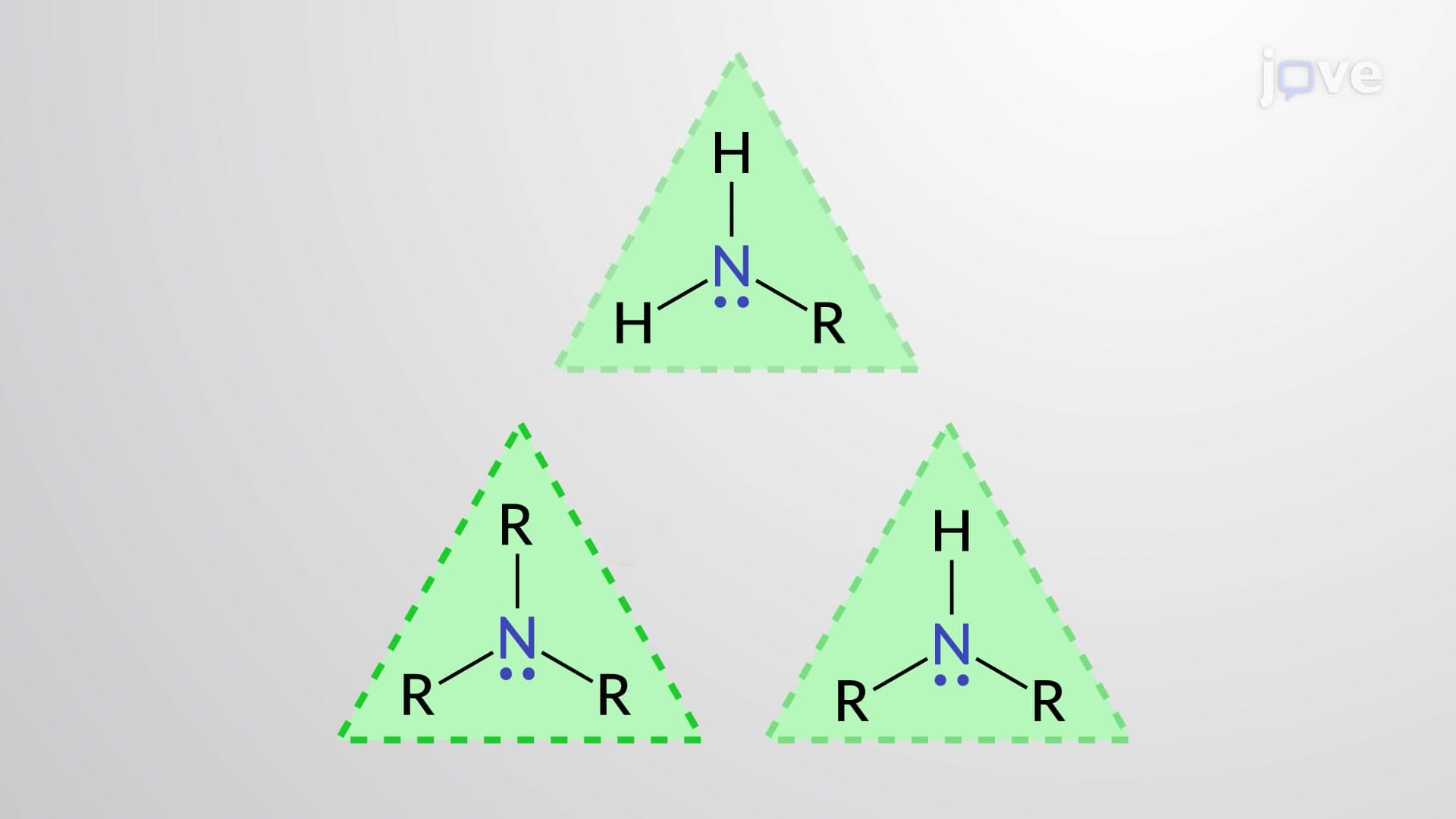
Nomenclature of primary amines represents a critical skill for chemistry students preparing for AP Chemistry, college organic chemistry courses, and professional entrance exams like the MCAT. Primary amines contain one amino group (-NH2) attached to a carbon atom, and their systematic naming follows established protocols that ensure universal understanding across scientific communities.
The two primary naming systems serve different purposes in American chemistry education and industry. Common nomenclature, preferred in introductory courses, simply adds "-amine" as a suffix to the alkyl group name, creating terms like "methylamine" or "ethylamine." This approach mirrors everyday chemical communication in many US manufacturing facilities where simplicity enhances safety protocols.
IUPAC nomenclature provides the authoritative standard taught in advanced placement and college-level chemistry courses nationwide. This system replaces the final "-e" of the parent alkane with "-amine," producing names like "methanamine" instead of "methylamine." For molecules containing two NH2 groups, chemists retain the alkane's "-e" and add "-diamine," creating compounds such as "1,6-hexanediamine."
The systematic approach requires identifying the longest carbon chain containing the amino nitrogen, then assigning the lowest possible number to the carbon bearing the NH2 group. This methodology proves essential for students tackling complex organic chemistry problems on standardized tests and university examinations.
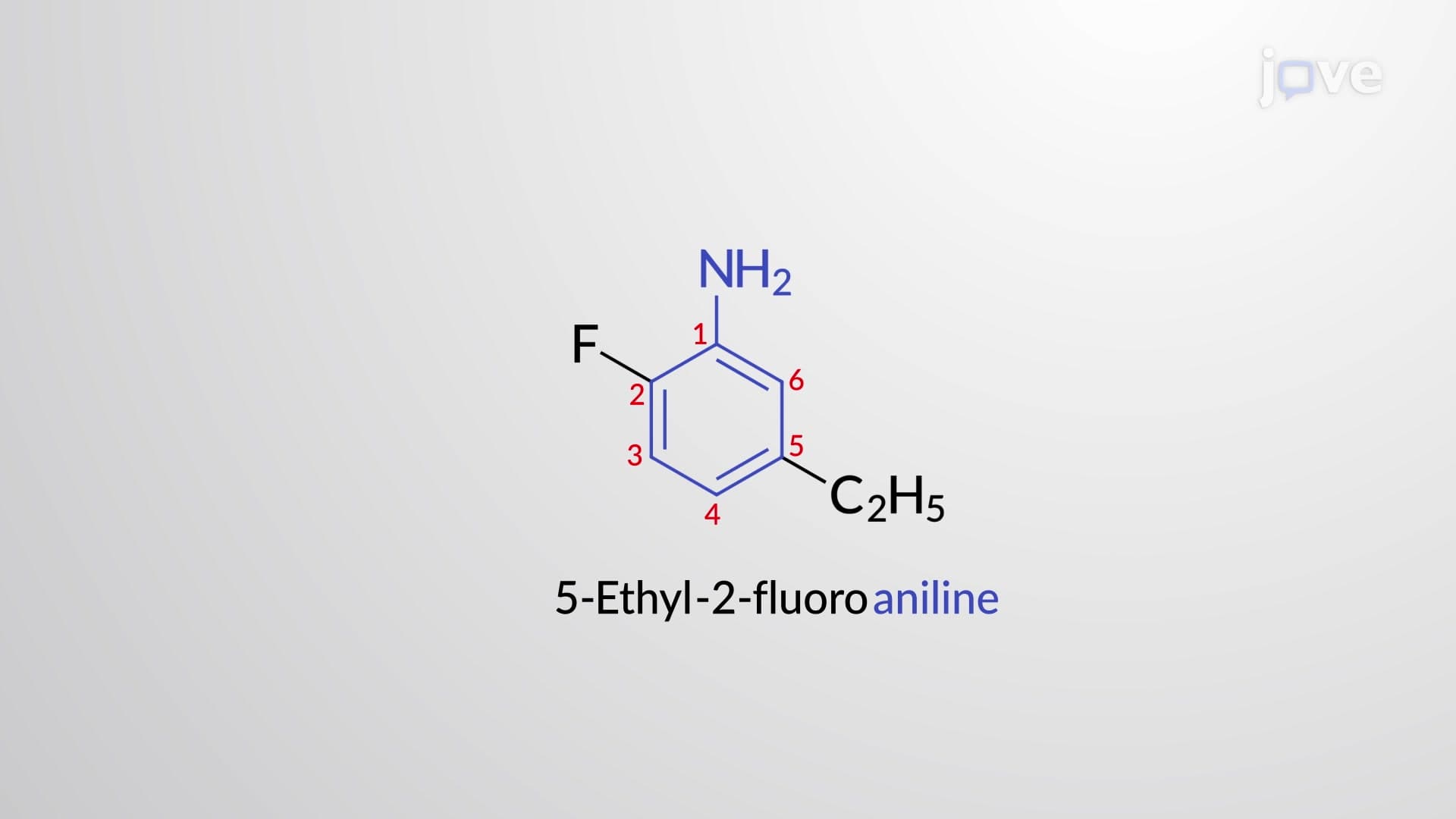
Understanding functional group priority becomes crucial when primary amines coexist with other chemical groups. Except for halogens, most functional groups take precedence over amines in naming conventions. In such cases, the NH2 group becomes a substituent labeled as "amino-" and positioned alphabetically with other substituents.
This hierarchy system frequently appears in MCAT organic chemistry sections and advanced placement examinations, where students must demonstrate mastery of systematic naming under time pressure. American pharmaceutical companies rely on these same rules when developing drug nomenclature for FDA submissions.
Cyclic primary amines follow specialized naming conventions using "cycloalkylamine" or "cycloalkanamine" formats. These structures commonly appear in pharmaceutical intermediates manufactured by major US drug companies, making their proper identification essential for chemistry students pursuing careers in biotechnology or pharmaceutical sciences.
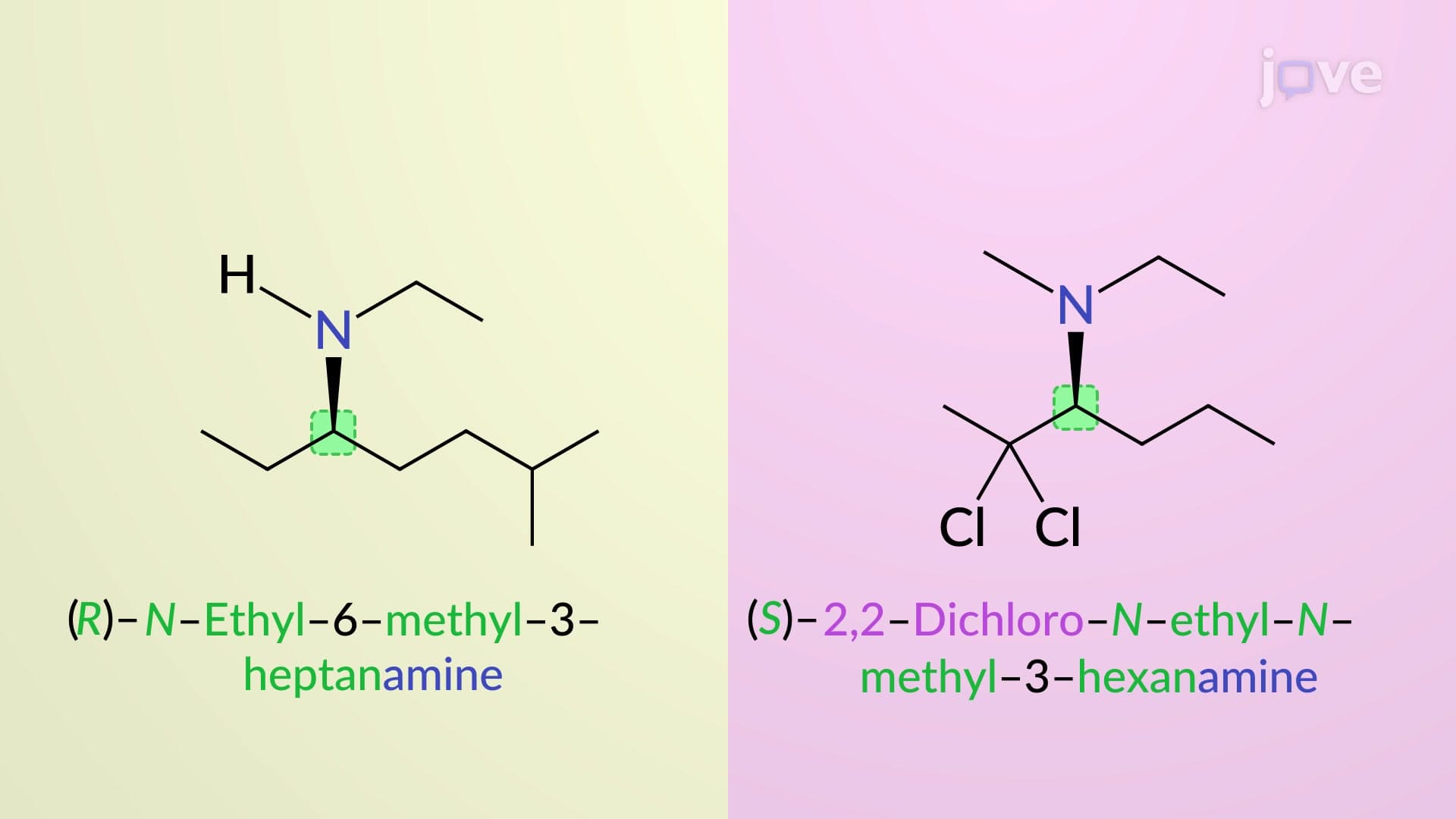
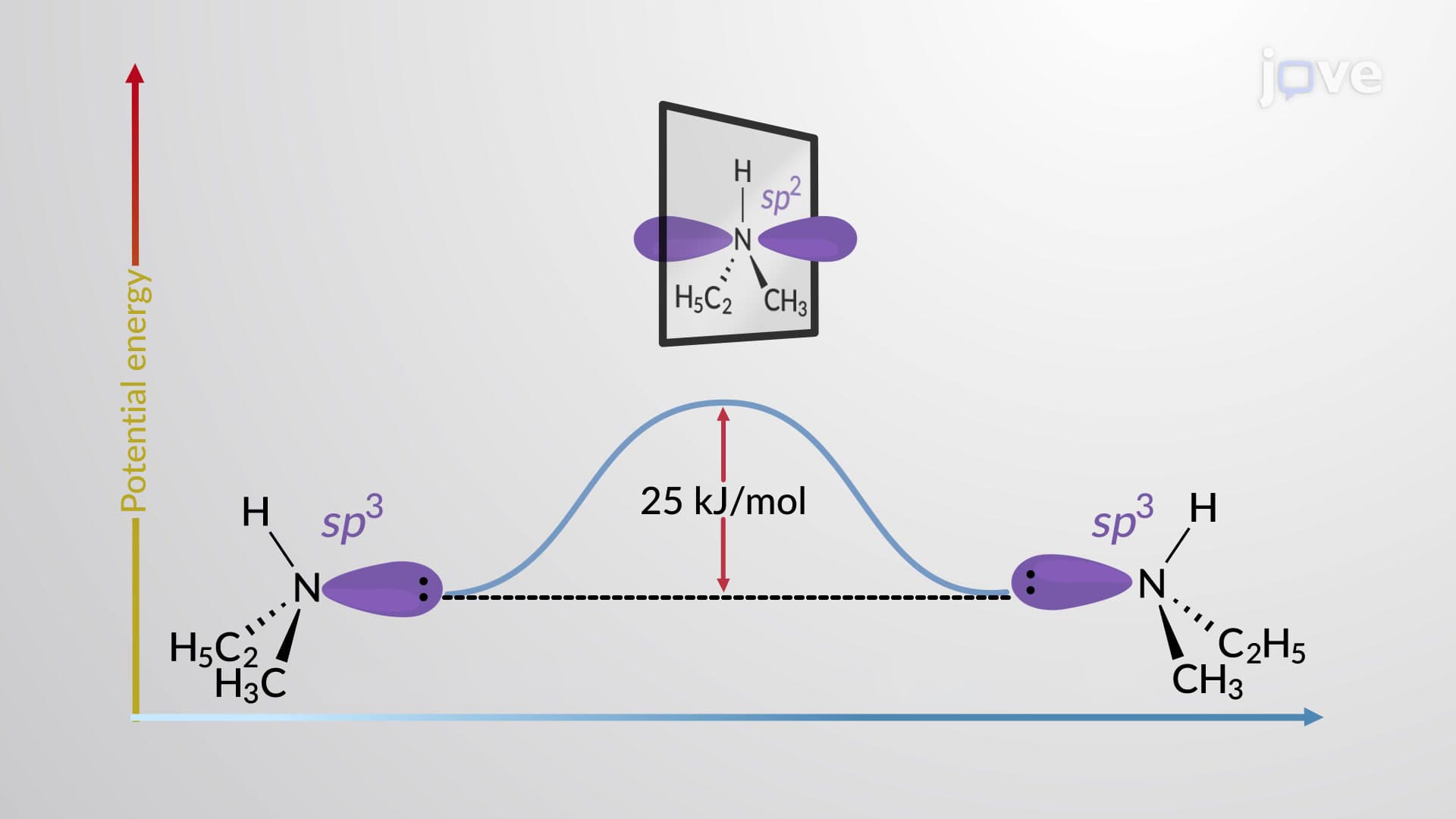
Chiral centers in amine compounds require additional stereochemical notation at the name's beginning, following R/S configuration rules. This complexity level typically emerges in second-year organic chemistry courses and professional school entrance examinations.
Related Micro-courses