Loading video…


 29 Concepts
 119.8K views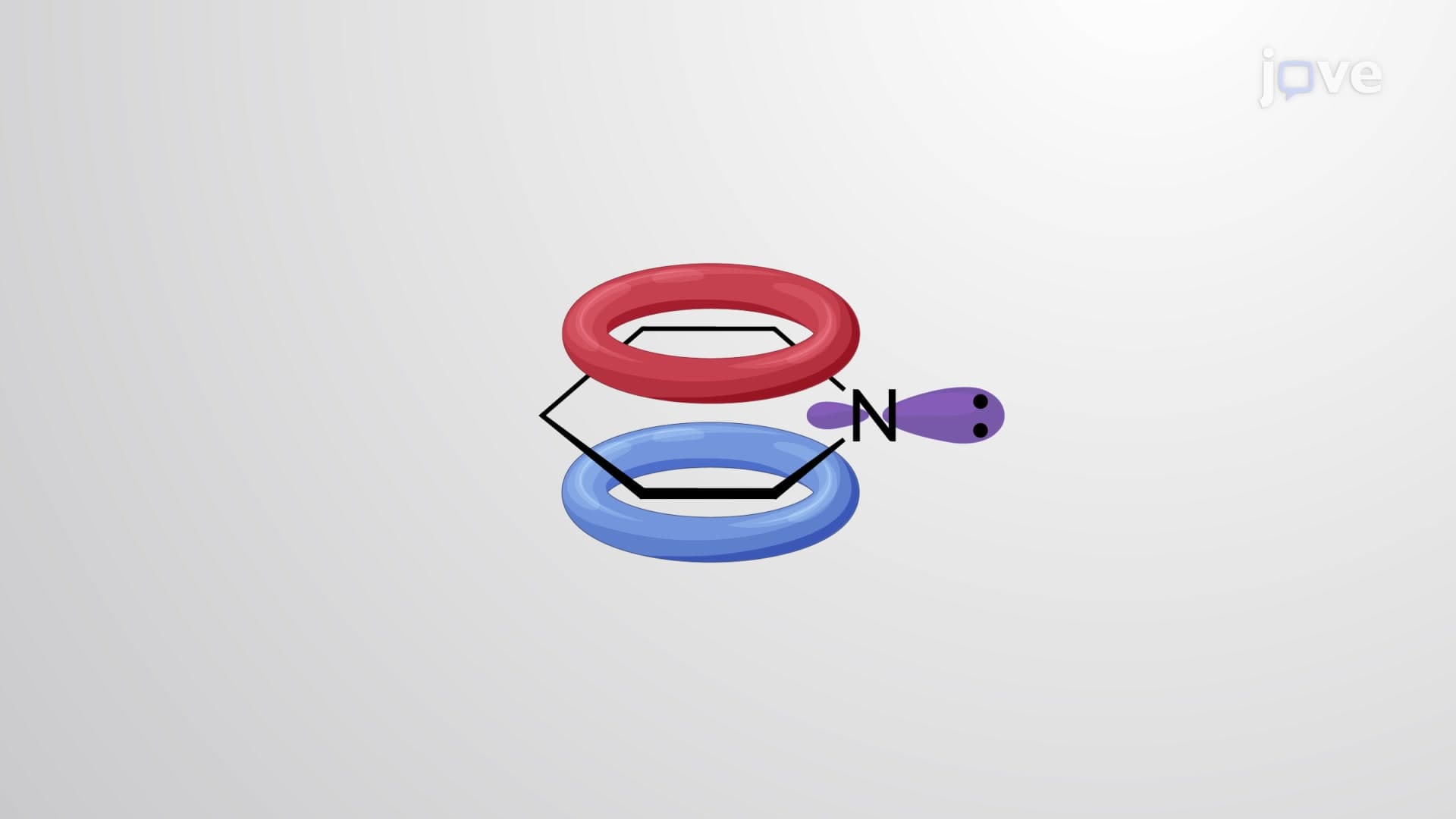

Video Summary: Basicity of Heterocyclic Aromatic Amines Explained
Why does pyridine dissolve easily in stomach acid while pyrrole resists protonation entirely? The basicity of heterocyclic aromatic amines depends on two critical factors: resonance effects and hybridization states of nitrogen atoms. In pharmaceuticals like nicotine (pyridine derivative), this basicity determines drug absorption in the human digestive system. Understanding basicity of heterocyclic aromatic amines explained reveals why some nitrogen-containing drugs work effectively while others fail. Watch the full video on JoVE Coach to master this concept with expert-led visuals and step-by-step explanations.
Basicity of heterocyclic aromatic amines explained involves examining how nitrogen atoms in ring systems donate their lone pair electrons to accept protons. Unlike simple aliphatic amines, heterocyclic aromatic amines exhibit dramatically different basicities due to their unique electronic environments. This concept appears frequently on AP Chemistry exams and college organic chemistry courses, making it essential for pre-med students preparing for the MCAT.
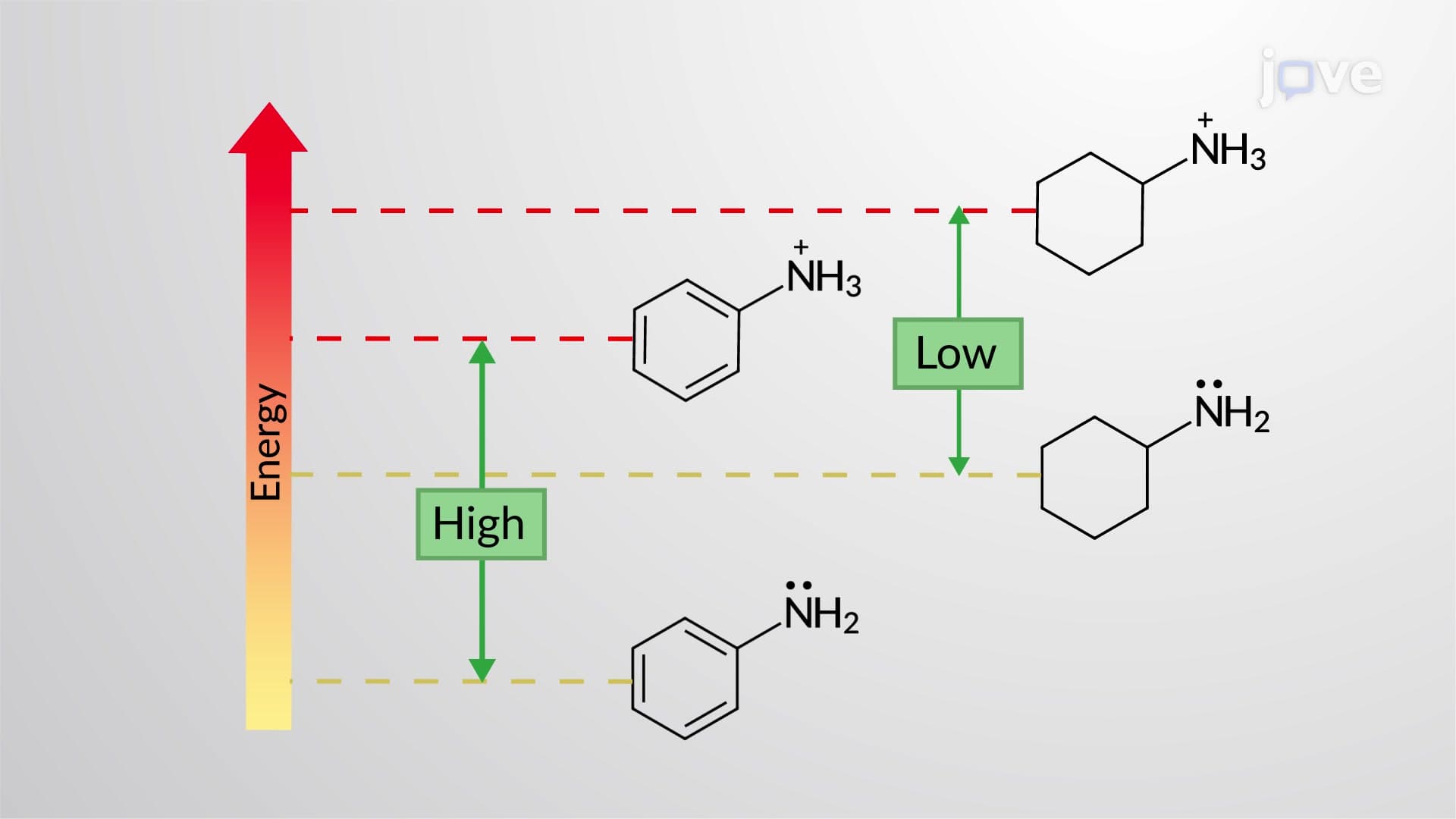
The most critical factor determining basicity is whether the nitrogen's lone pair participates in aromatic stabilization. In pyridine, the nitrogen's sp2 lone pair sits perpendicular to the aromatic π-system, remaining available for protonation without disrupting the six-electron aromatic system. This explains why pyridine (pKa ≈ 5.2) readily accepts protons in acidic environments.
Conversely, pyrrole's nitrogen contributes its p-orbital electrons directly to the aromatic sextet. Protonating pyrrole would destroy this stabilization, making the process energetically unfavorable (pKa ≈ -4). This principle explains why pyrrole-containing molecules like heme groups in hemoglobin resist protonation under physiological conditions, maintaining their biological function.
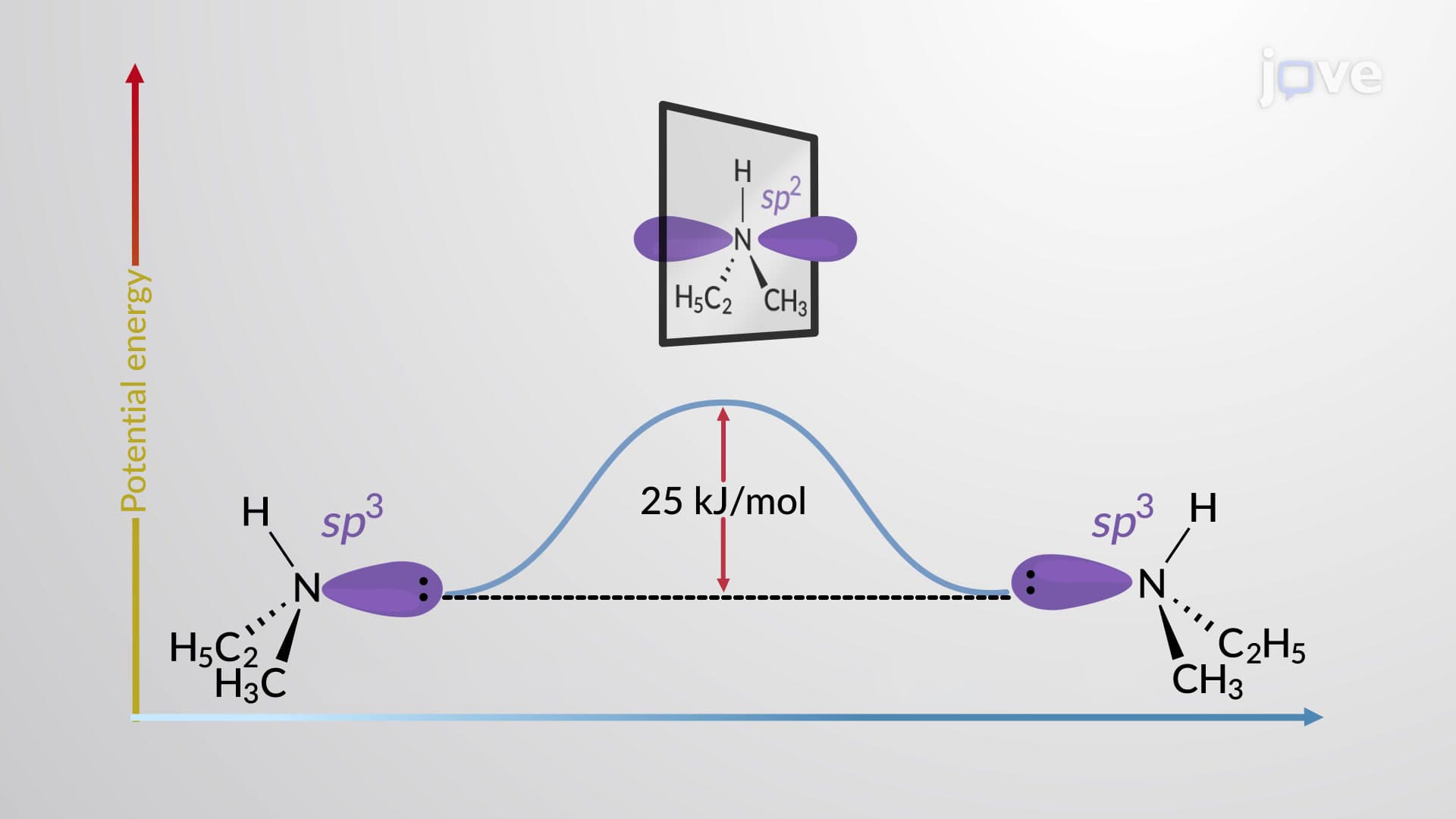
The hybridization state of nitrogen dramatically influences basicity through s-character effects. Electrons in orbitals with higher s-character are held closer to the nucleus, reducing their availability for bonding. This concept, tested on college organic chemistry midterms, explains the basicity order: sp3 > sp2 > sp > p orbital participation.
Piperidine, with sp3-hybridized nitrogen (25% s-character), shows the highest basicity (pKa ≈ 11.1) among common heterocycles. The lower s-character means electrons are less tightly held, making them more available for protonation. This principle appears in pharmaceutical chemistry, where drug designers modify hybridization states to control absorption and distribution properties.
Understanding heterocyclic basicity proves crucial in drug development. Nicotine's pyridine ring makes it sufficiently basic to cross biological membranes, while antihistamines like diphenhydramine utilize piperidine's high basicity for optimal receptor binding. These applications frequently appear as MCAT practice questions, emphasizing the real-world relevance of this organic chemistry concept.
Related Micro-courses