Loading video…


 29 Concepts
 119.8K views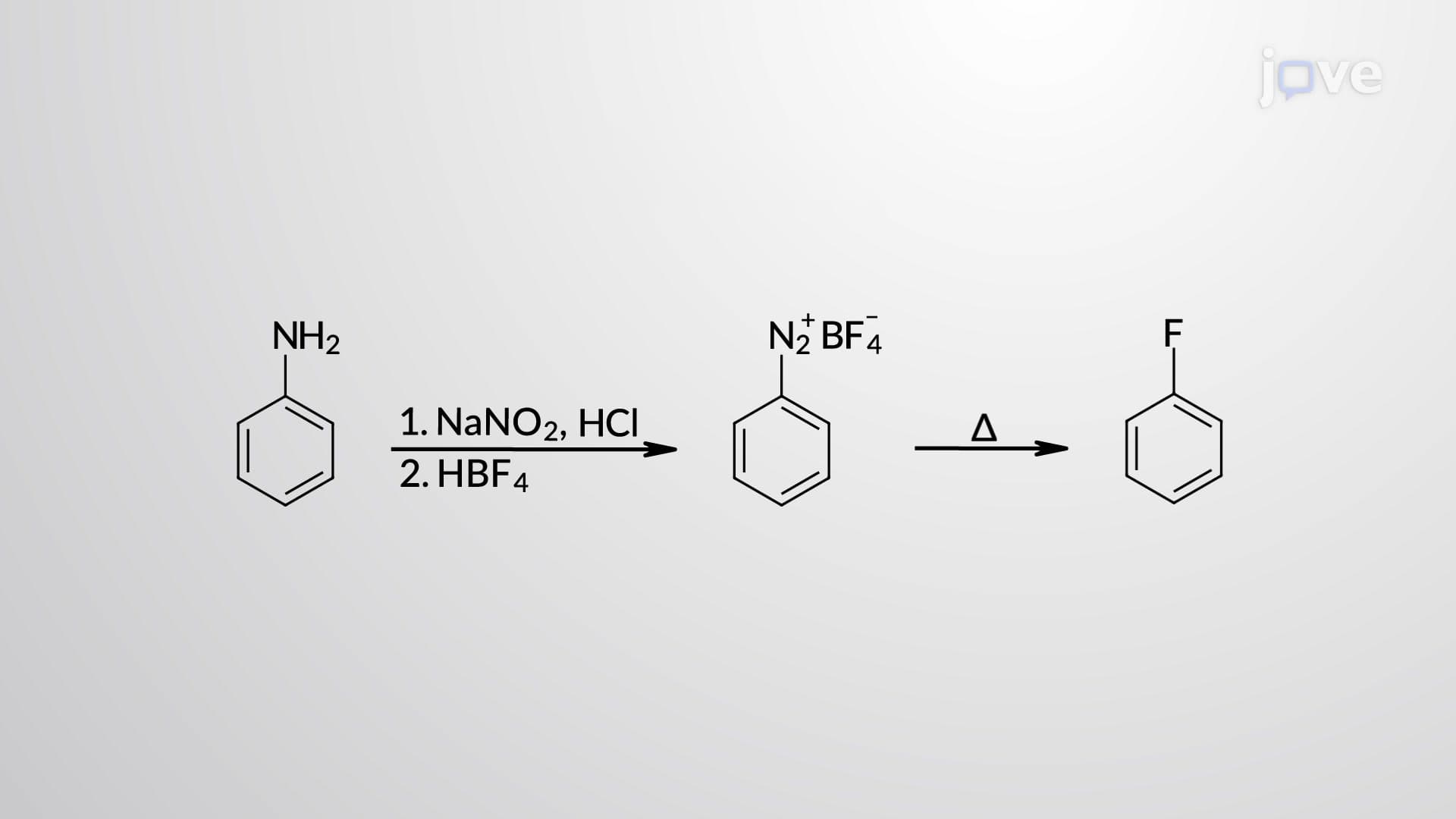

Video Summary: What Is Diazonium Group Substitution
Ever wondered how pharmaceutical companies create complex aromatic compounds for medications like aspirin? Diazonium group substitution transforms simple benzene rings into sophisticated molecules through strategic chemical replacements. This powerful synthetic technique allows chemists at companies like Pfizer to install specific functional groups-halogens, nitriles, and more-precisely where needed on aromatic rings. What is diazonium group substitution becomes clear when you see how it enables the creation of everything from antibiotics to anti-inflammatory drugs through controlled molecular modifications. Watch the full video on JoVE Coach to master this concept with expert-led visuals and step-by-step explanations.
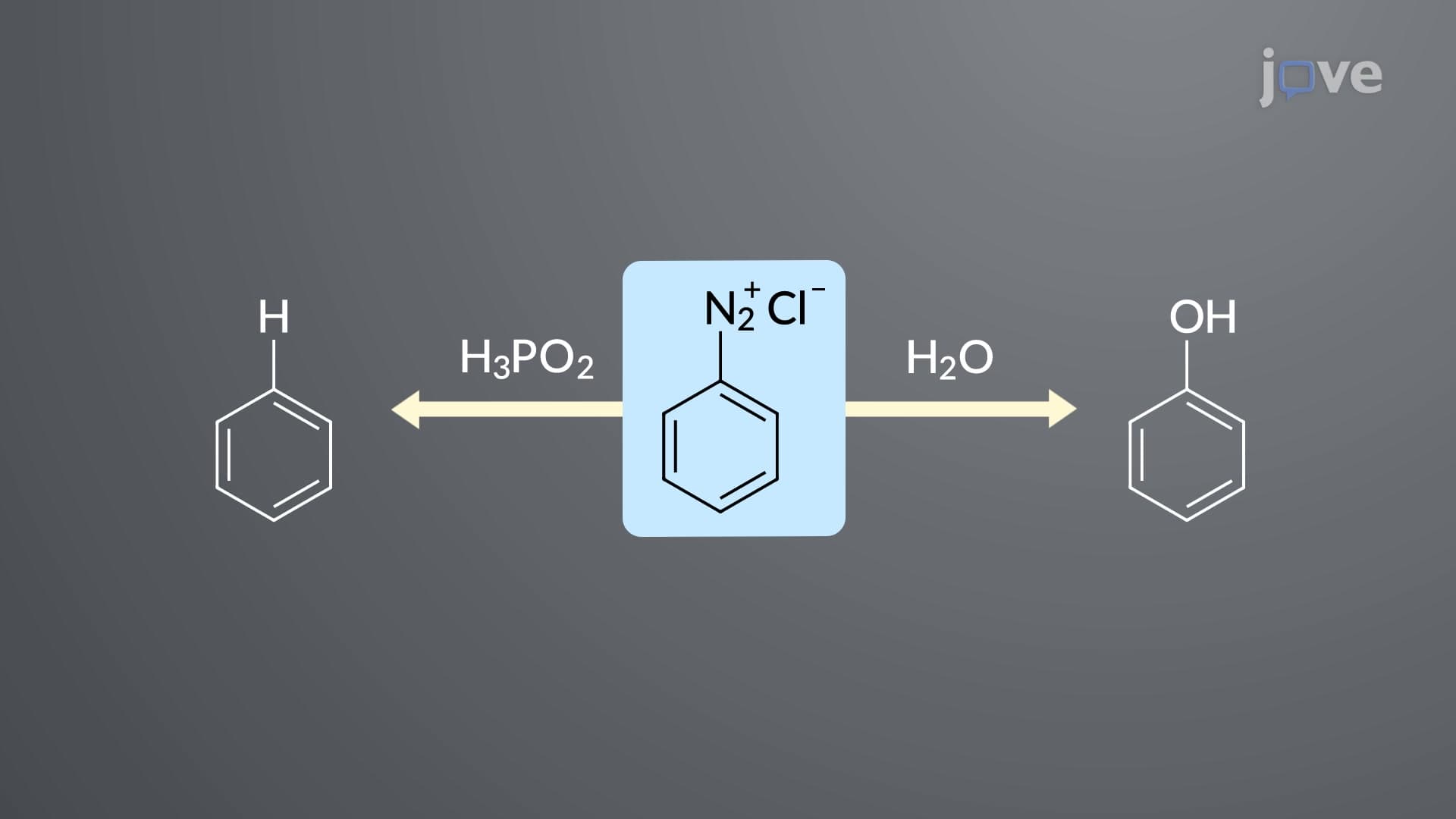
Diazonium group substitution represents one of organic chemistry's most versatile synthetic strategies, enabling chemists to transform simple aromatic amines into complex substituted benzenes with precision. This process capitalizes on the excellent leaving group ability of the diazonium ion (N2+), which departs as stable nitrogen gas, driving substitution reactions forward.
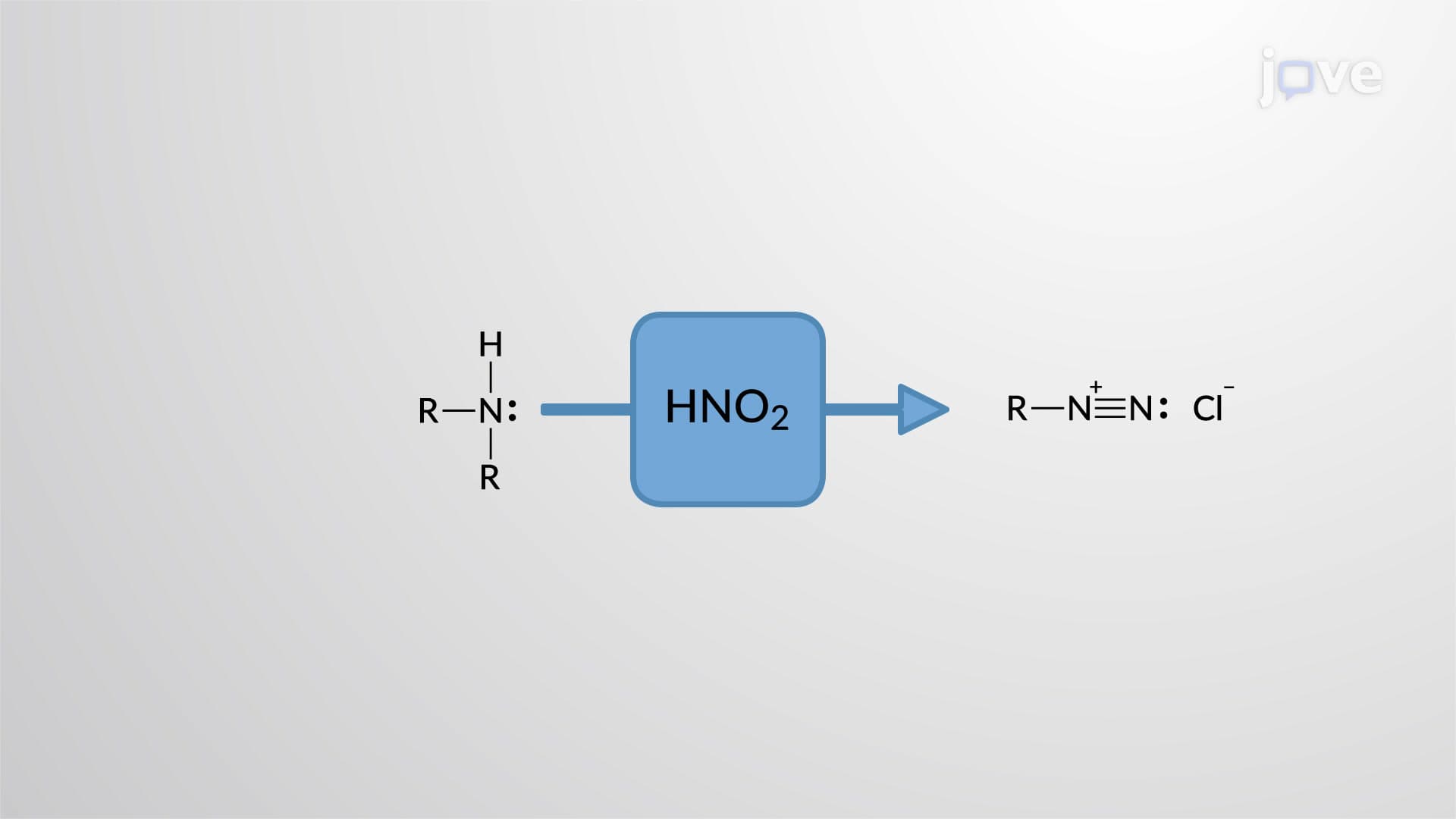
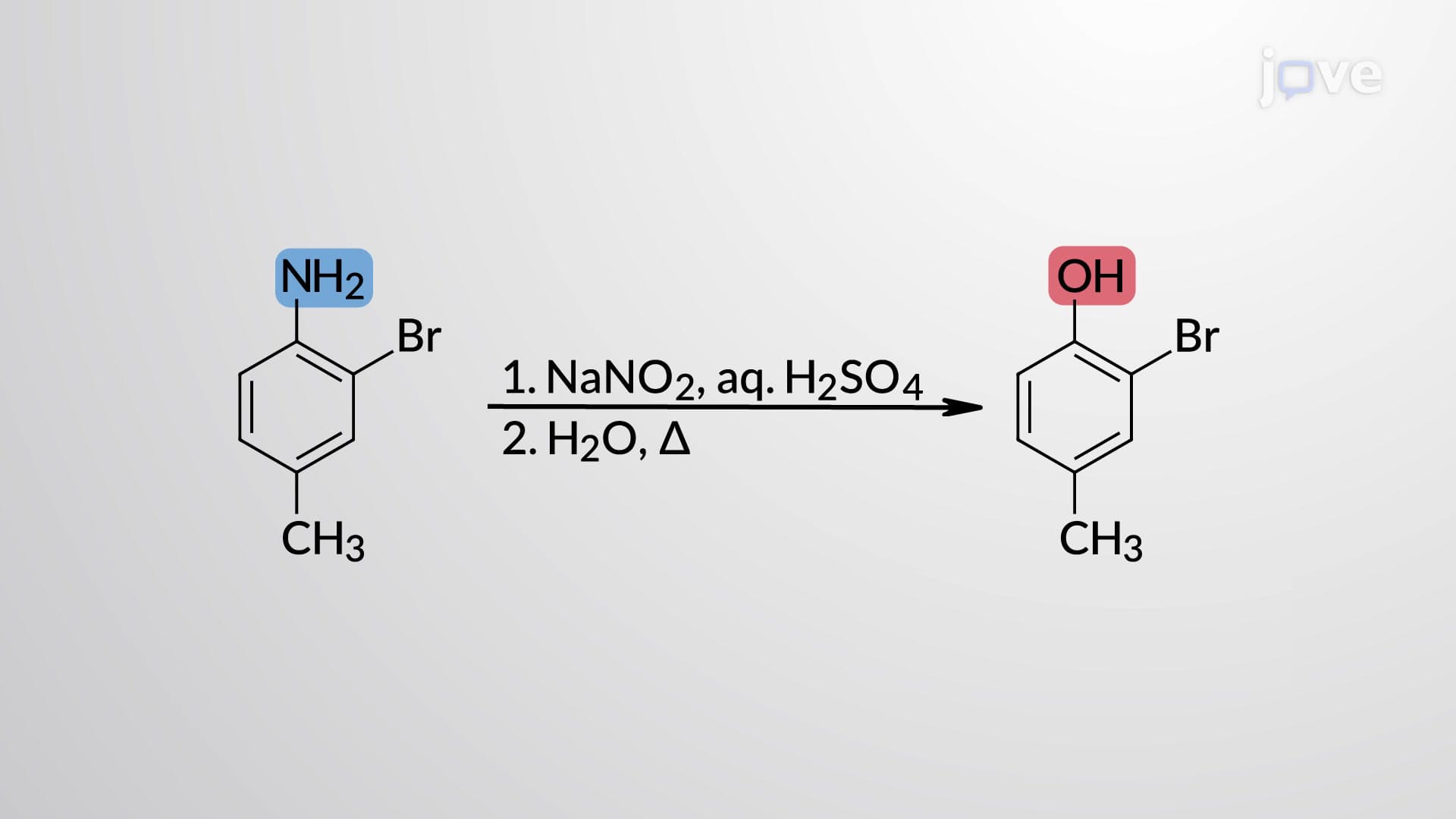
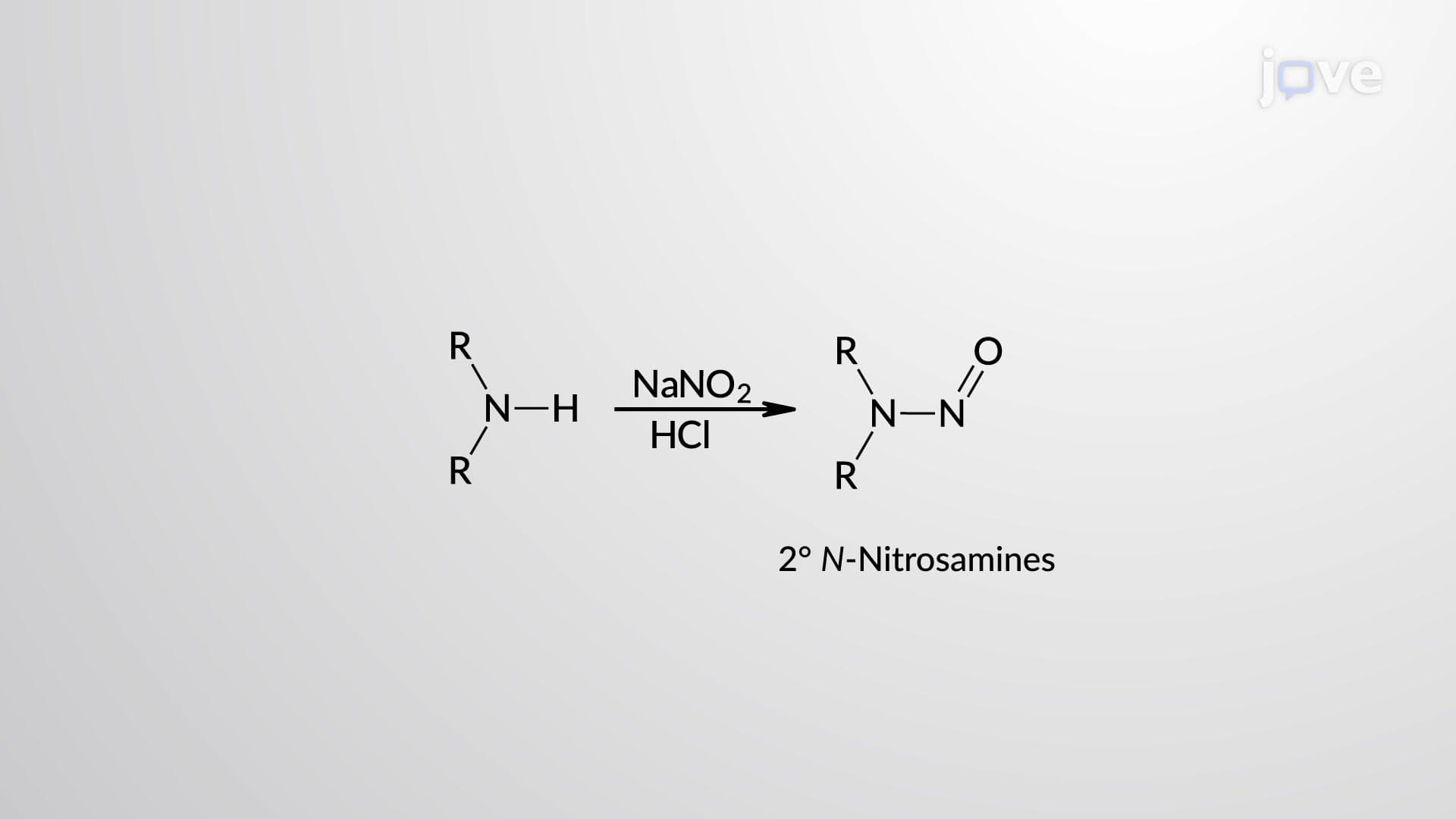
The process begins with primary arylamines-aromatic compounds containing an NH2 group directly attached to a benzene ring. Under acidic conditions with sodium nitrite (NaNO2), these amines undergo diazotization, forming arenediazonium salts. These intermediates serve as synthetic powerhouses, ready to undergo substitution reactions that would be impossible through direct aromatic substitution.
The Sandmeyer reaction stands as the workhorse of diazonium chemistry, utilizing copper(I) salts to facilitate substitution. When arenediazonium salts react with CuCl, CuBr, or CuCN, they yield aryl chlorides, bromides, and nitriles, respectively. This copper-catalyzed process operates through a radical mechanism, providing excellent yields and regioselectivity.
Aryl nitriles produced via Sandmeyer reactions serve as versatile intermediates. Through hydrolysis under acidic or basic conditions, these nitriles convert to carboxylic acids, expanding synthetic possibilities. This transformation proves particularly valuable in pharmaceutical chemistry, where carboxylic acid groups frequently appear in drug molecules like ibuprofen and naproxen.
Diazonium group substitution requires unique approaches for fluorine and iodine installation. Fluorine's extreme reactivity makes standard Sandmeyer conditions impractical, necessitating the Schiemann reaction. Here, arenediazonium salts react with tetrafluoroboric acid (HBF4) to form diazonium tetrafluoroborate salts, which decompose upon heating to yield aryl fluorides.
Iodination follows a simpler path, with direct treatment of diazonium salts using potassium iodide (KI). This reaction proceeds without copper catalysis, as iodide's nucleophilicity sufficiently activates the substitution process.
This chemistry frequently appears in AP Chemistry and college organic chemistry courses, particularly in synthesis problems requiring multi-step transformations. Students must recognize that diazonium substitution enables indirect aromatic substitution patterns impossible through electrophilic aromatic substitution alone. For MCAT preparation, understanding these mechanisms proves crucial for biochemistry passages involving amino acid modifications and drug metabolism pathways.
Related Micro-courses