Loading video…


 29 Concepts
 119.8K views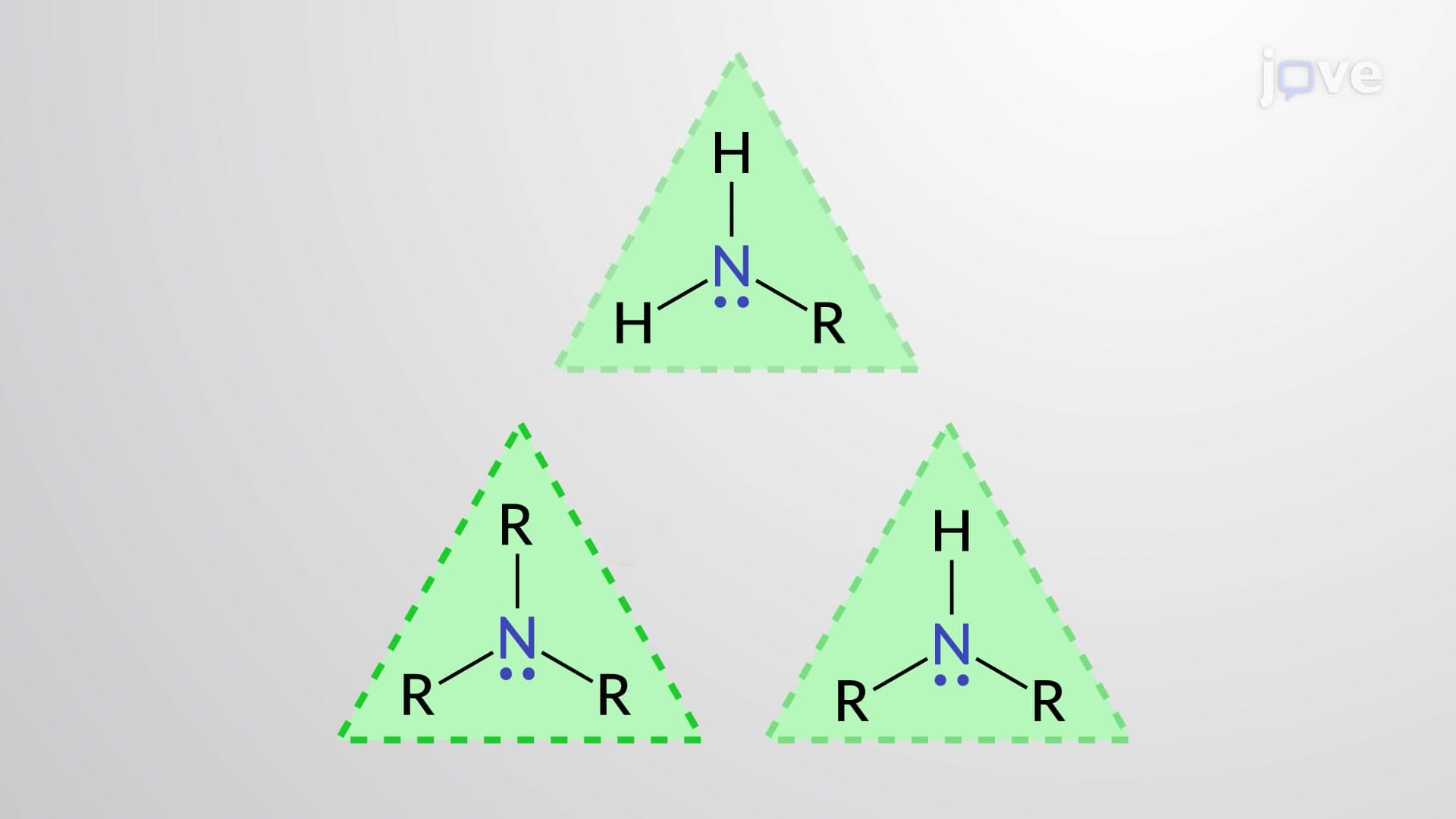

Video Summary: What Is Amines Introduction
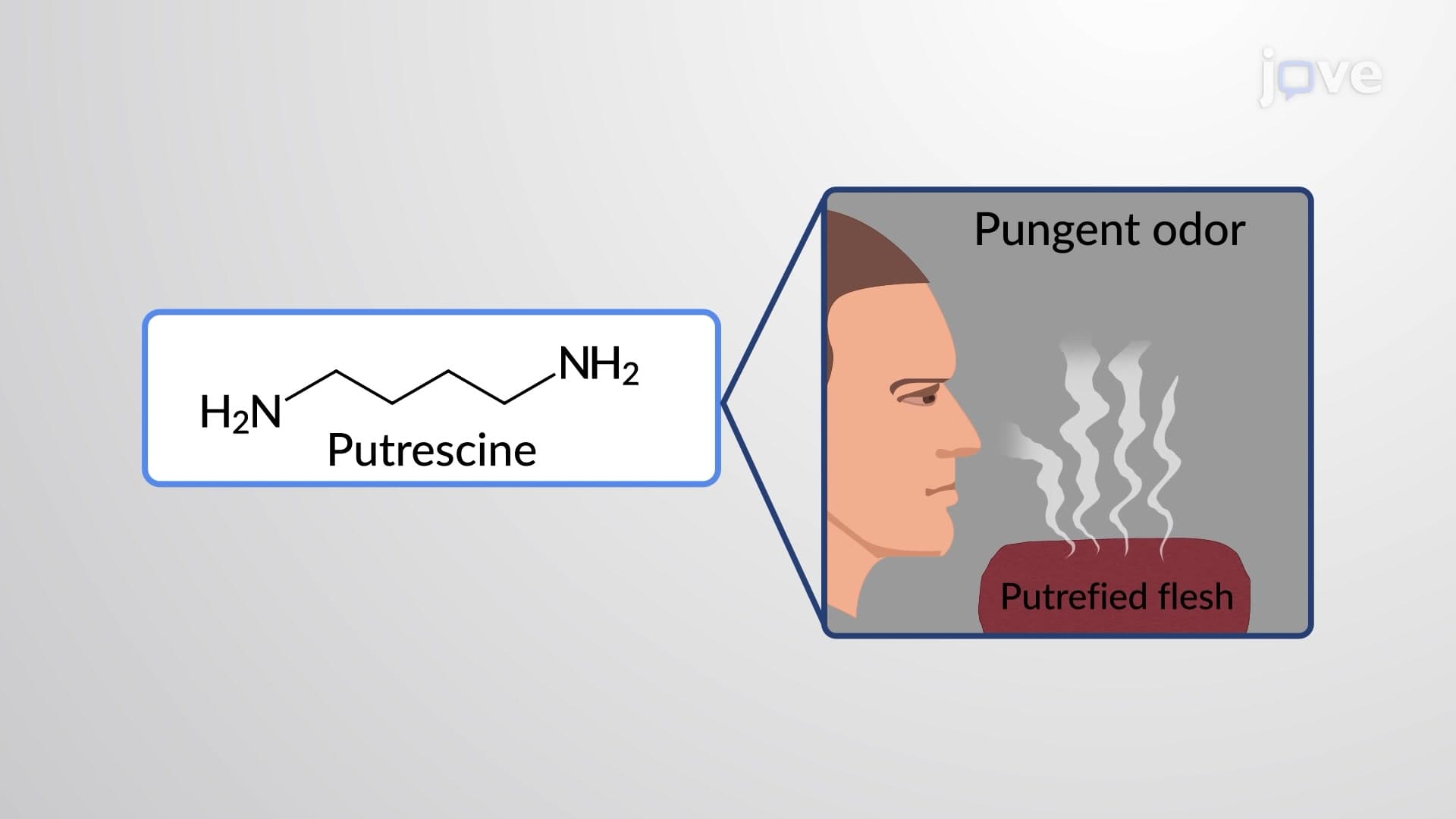
Ever wondered how cocaine affects your brain or why fish smells so distinctly? The answer lies in amines introduction, fascinating nitrogen-containing compounds that shape everything from pharmaceuticals to everyday odors. This what is amines introduction concept reveals how ammonia transforms into complex organic molecules by replacing hydrogen atoms with carbon-based groups. From the dopamine in your brain to the trimethylamine in seafood, amines are everywhere in American biochemistry and medicine. Watch the full video on JoVE Coach to master this concept with expert-led visuals and step-by-step explanations.
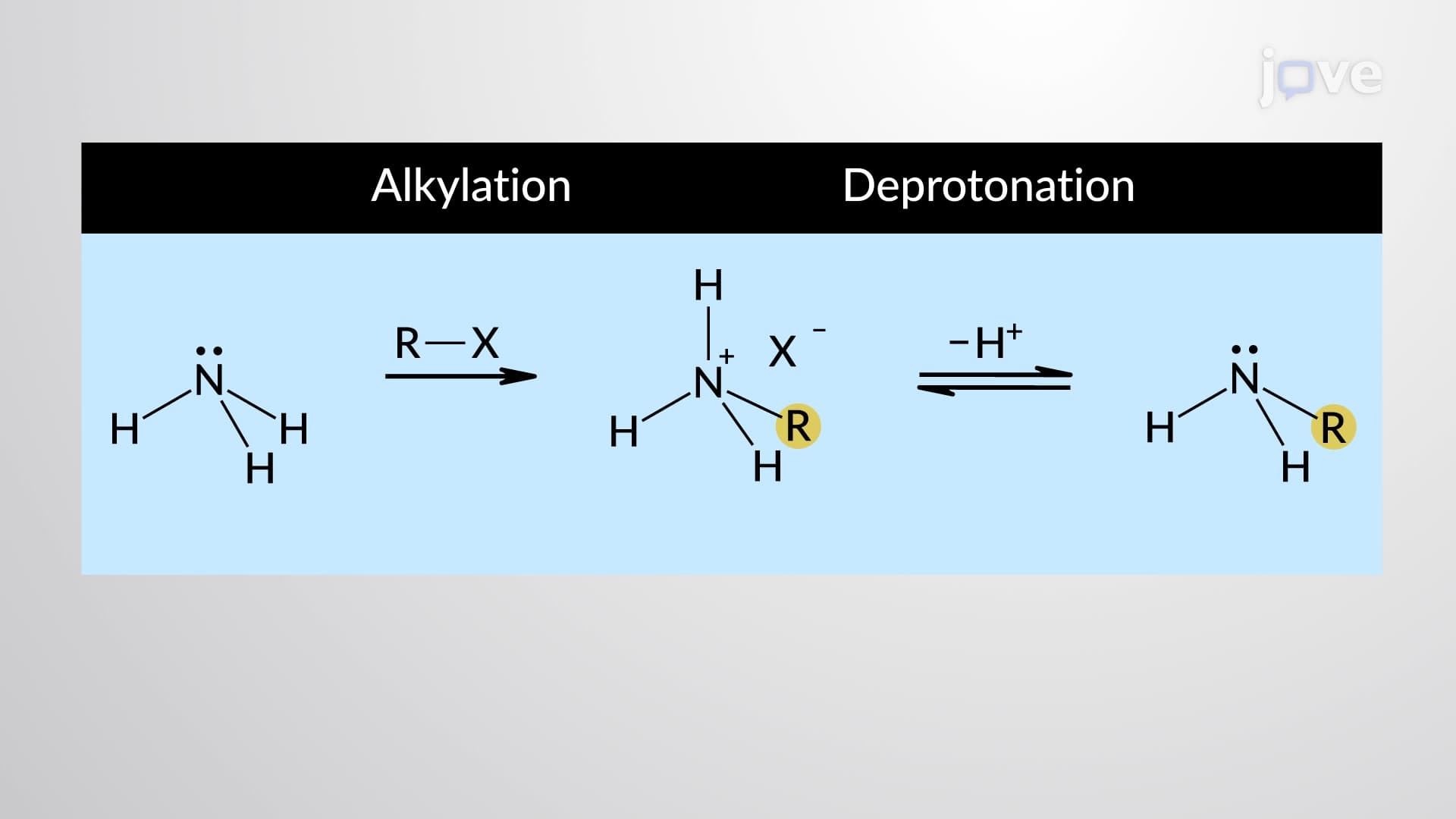
What is amines introduction begins with recognizing these compounds as organic derivatives of ammonia (NH₃). When one, two, or three hydrogen atoms in ammonia are replaced by alkyl groups (like methyl or ethyl) or aryl groups (like benzene rings), we create primary, secondary, or tertiary amines respectively. This systematic replacement process forms the backbone of amine chemistry studied in AP Chemistry, college organic chemistry courses, and pre-med curricula across American universities.
The amines introduction definition explained encompasses multiple classification methods. Structurally, we distinguish between aliphatic amines (where nitrogen bonds to carbon chains), aromatic amines (containing benzene rings), and heterocyclic amines (where nitrogen is part of a ring structure). This classification system appears frequently on MCAT practice tests and college organic chemistry exams, particularly when students must identify amine types in complex pharmaceutical molecules.
Beyond the basic three categories, amines can form quaternary ammonium salts when nitrogen carries four organic groups, creating a positively charged center. This concept proves crucial for understanding how medications cross cell membranes and how neurotransmitters function. For instance, choline, a quaternary ammonium compound, serves as a precursor to acetylcholine, the neurotransmitter essential for muscle contraction and memory formation studied extensively in American medical schools.
The amines introduction study guide applications span from prescription medications to industrial processes. Epinephrine (adrenaline), a primary amine, serves as a life-saving treatment for severe allergic reactions in American emergency rooms. Antihistamines like diphenhydramine (Benadryl) contain tertiary amine structures that block histamine receptors. Understanding these connections helps pre-pharmacy and pre-med students excel on standardized tests while grasping the practical importance of amine chemistry in healthcare delivery systems.
Related Micro-courses