Loading video…


 29 Concepts
 119.8K views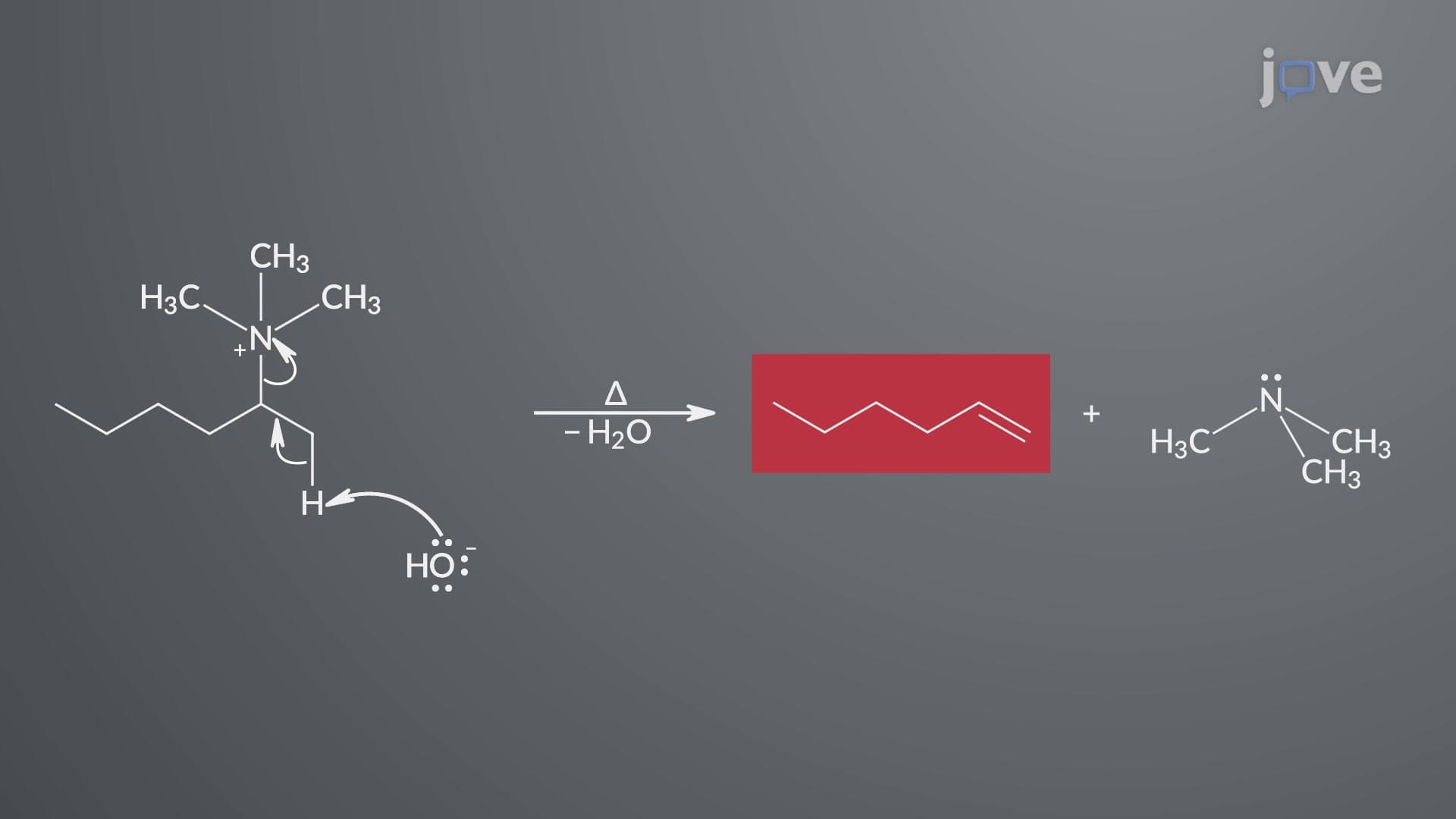

Video Summary: Amines to Alkenes Hofmann Elimination Explained
Ever wonder why certain pharmaceuticals can be synthesized through unexpected chemical pathways? The amines alkenes hofmann elimination transforms basic nitrogen compounds into double-bonded carbons through a clever two-step process that defies typical elimination patterns. Unlike standard reactions that favor highly substituted products, this mechanism produces less-substituted alkenes-a crucial distinction in drug manufacturing at companies like Pfizer and Merck. The Amines To Alkenes Hofmann Elimination Explained reveals why chemists must first convert amines into quaternary ammonium salts before achieving elimination. Watch the full video on JoVE Coach to master this concept with expert-led visuals and step-by-step explanations.
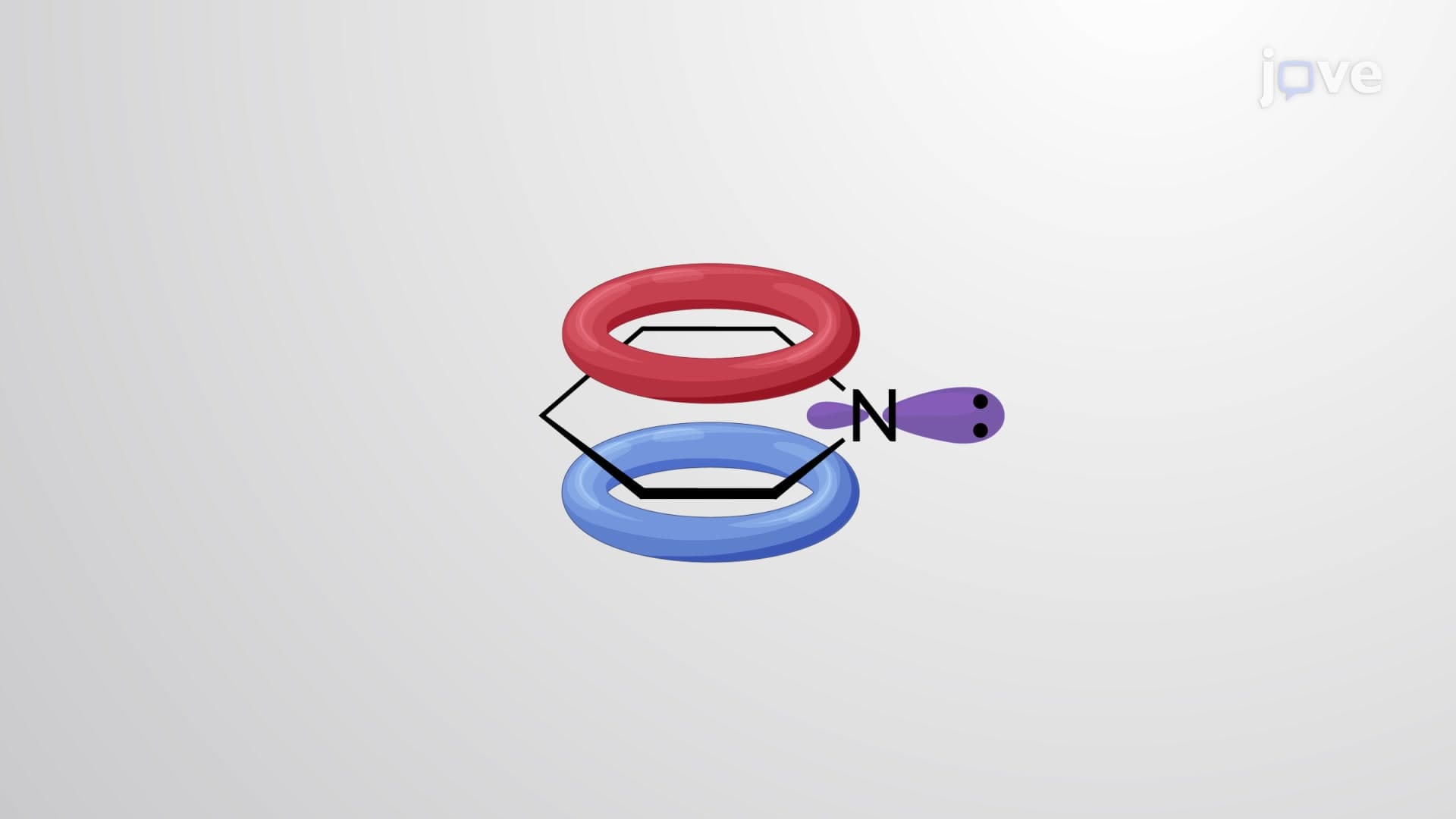
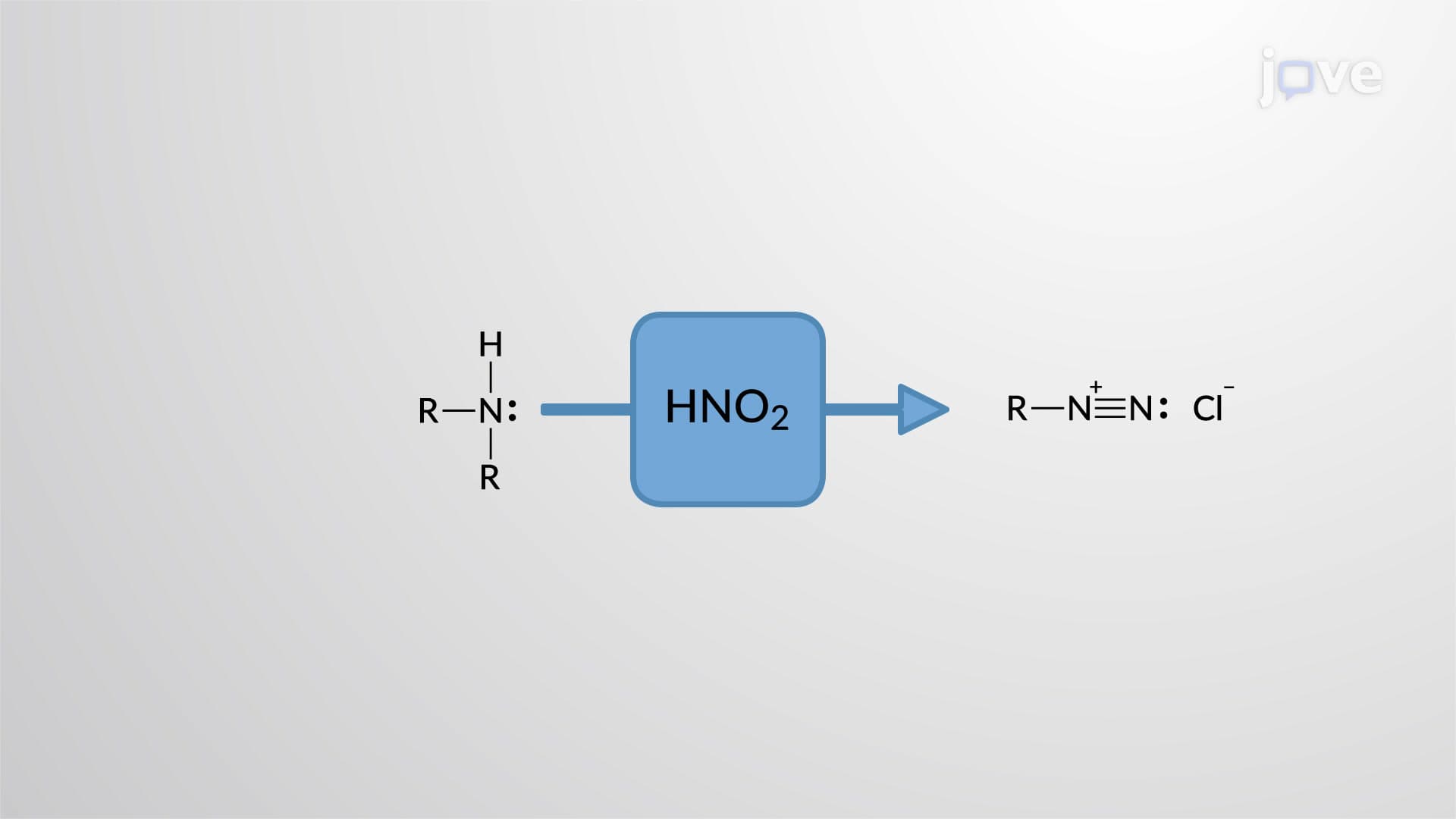
The transformation of amines into alkenes represents one of organic chemistry's most elegant solutions to a fundamental problem: amino groups are terrible leaving groups. In their natural state, amines carry a lone pair of electrons that makes them nucleophilic rather than electrophilic, preventing direct elimination reactions. The amines alkenes hofmann elimination solves this challenge through a sophisticated two-phase approach that first modifies the amine's electronic properties.
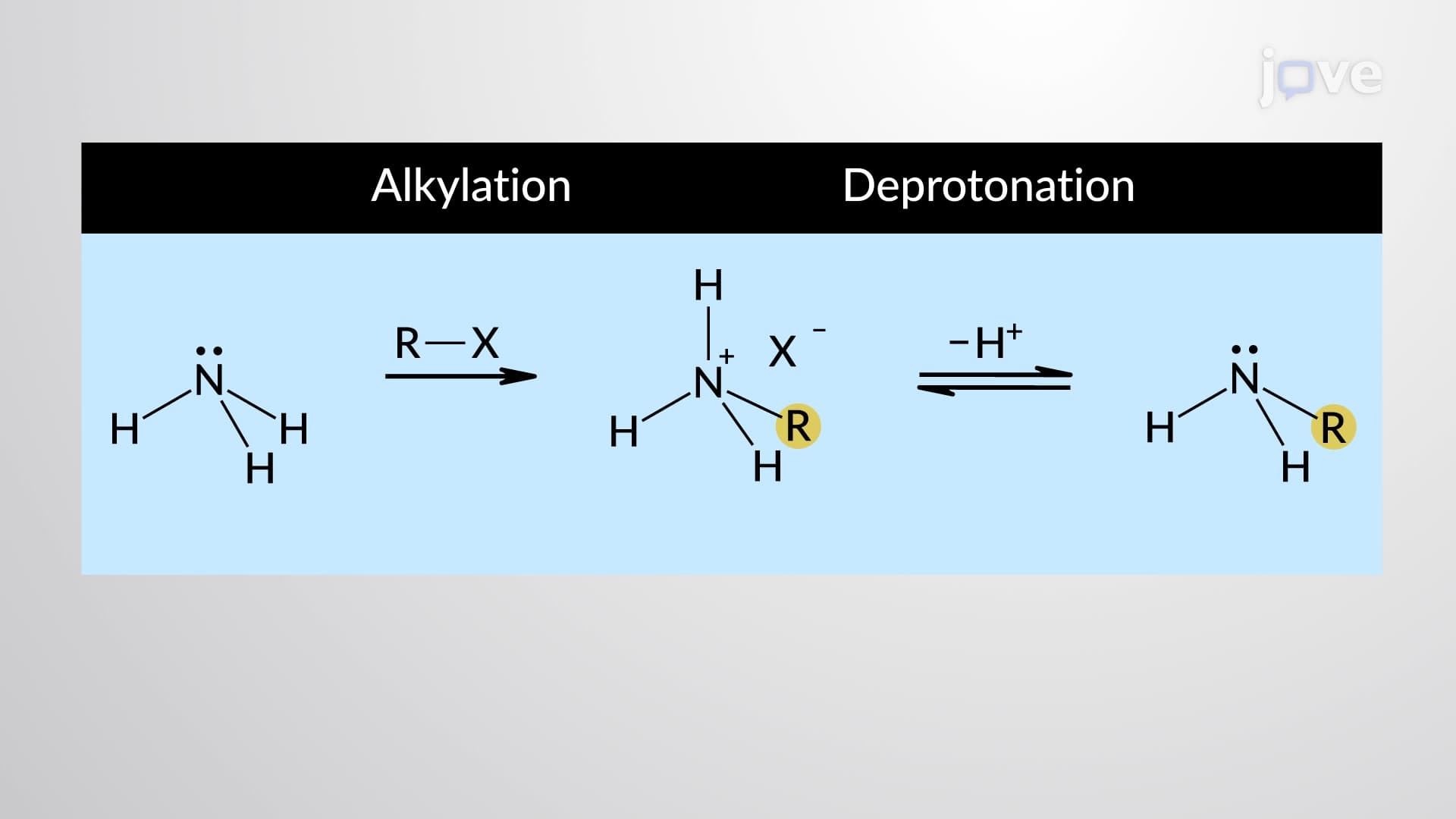
The genius of Hofmann elimination lies in exhaustive alkylation-treating the amine with excess alkyl halide (typically methyl iodide) until every available electron pair on nitrogen forms a bond. This process creates a quaternary ammonium salt where nitrogen carries a positive charge and four substituents. Students preparing for the AP Chemistry exam should note that this quaternization step is irreversible and fundamentally changes the molecule's reactivity profile.
The resulting quaternary ammonium halide then undergoes ion exchange with silver oxide or moist silver hydroxide, replacing the halide with hydroxide ion. This hydroxide serves dual purposes: it acts as the eliminating base while remaining associated with the positively charged ammonium center. Major pharmaceutical companies like Johnson & Johnson utilize similar strategies when synthesizing complex alkaloids.
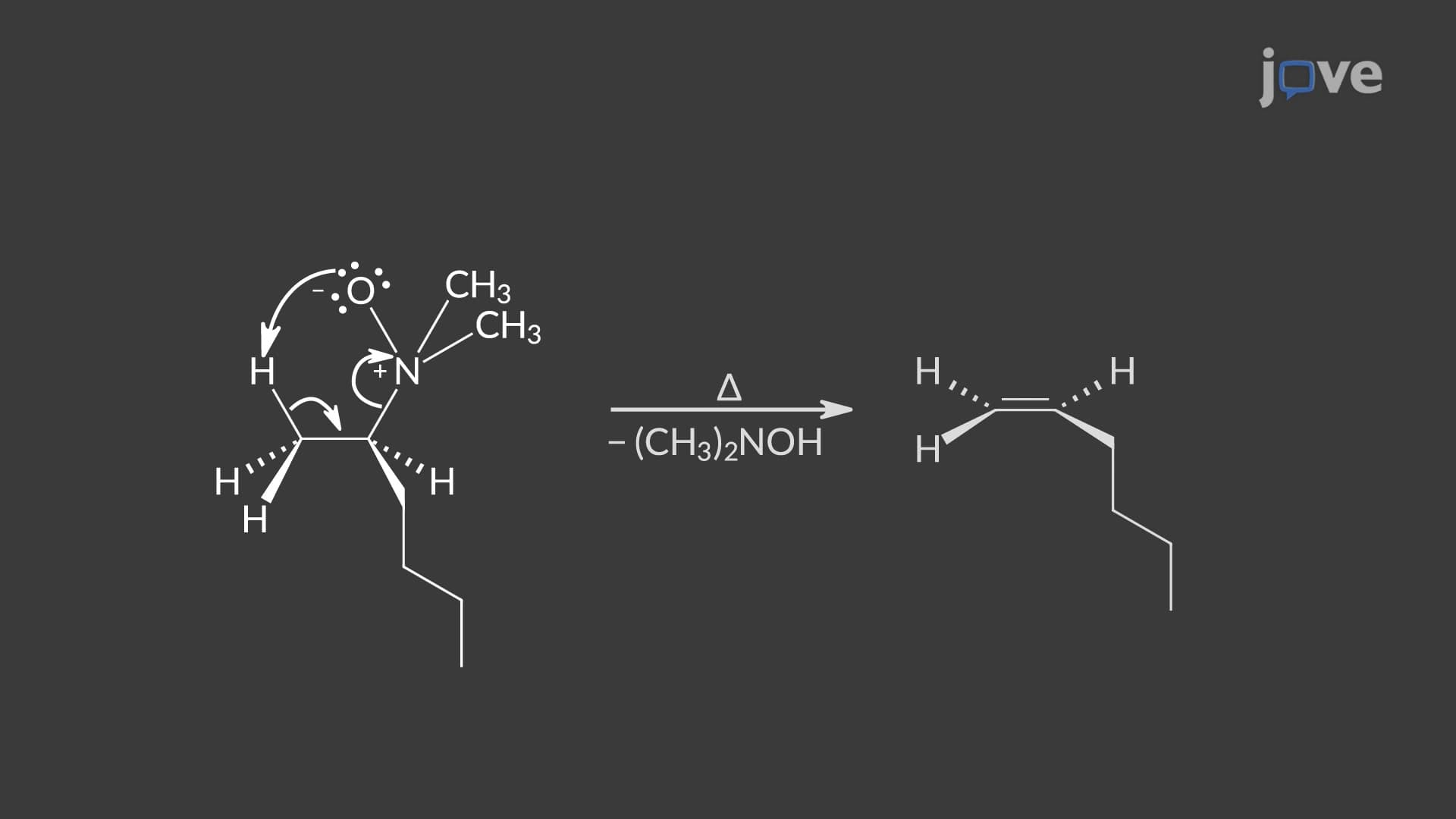
The actual elimination follows a concerted E2 mechanism with strict geometric requirements. The departing hydrogen and the tertiary amine group must adopt an anti-periplanar arrangement-positioned 180° apart in the molecule's three-dimensional structure. This constraint often determines which hydrogen atoms can participate in the elimination, directly influencing product distribution.
Under thermal conditions (typically 100-150°C), the hydroxide base abstracts a β-hydrogen while the C-N bond breaks simultaneously, expelling a neutral tertiary amine molecule. The concerted nature ensures that bond breaking and forming occur in a single step, similar to other E2 eliminations college students encounter in organic chemistry courses.
What makes Hofmann elimination unique among elimination reactions is its selectivity pattern. While most E2 eliminations follow Zaitsev's rule (producing more highly substituted, thermodynamically stable alkenes), Hofmann elimination preferentially forms less-substituted alkenes-the kinetic products. This occurs because the bulky quaternary ammonium group creates severe steric hindrance, making it difficult for the base to access more substituted β-carbons.
This selectivity proves invaluable in synthetic chemistry, particularly when preparing terminal alkenes or when Zaitsev selectivity would lead to unwanted rearrangements. Students taking the MCAT will encounter this principle in amino acid metabolism and alkaloid biosynthesis questions.
Related Micro-courses