Loading video…


 12 Concepts
 141.8K views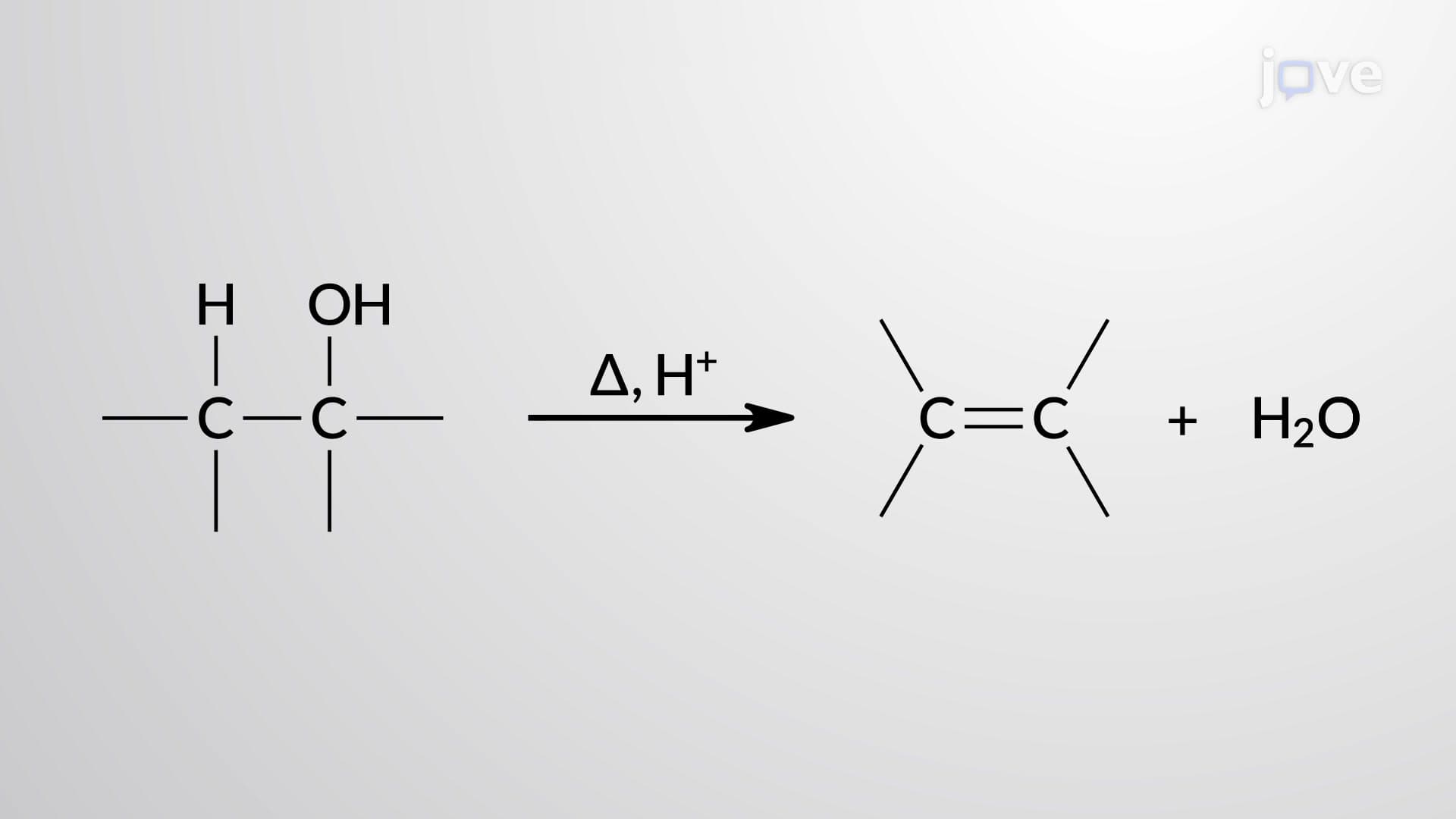

Video Summary: Acid Catalyzed Dehydration of Alcohols Explained
Ever wonder how petroleum refineries convert crude oil components into gasoline? Acid catalyzed dehydration of alcohols transforms simple alcohol molecules into alkenes by removing water, a crucial process in both industrial petrochemical production and pharmaceutical synthesis at companies like ExxonMobil and Pfizer. This acid catalyzed dehydration of alcohols explained mechanism varies dramatically based on alcohol structure, with tertiary alcohols requiring mild conditions while primary alcohols demand harsh treatment. Watch the full video on JoVE Coach to master this concept with expert-led visuals and step-by-step explanations.
Acid catalyzed dehydration of alcohols explained represents one of organic chemistry's most fundamental elimination reactions, where alcohols lose water molecules to form alkenes. This process drives countless industrial applications, from creating ethylene for plastic production at Dow Chemical facilities to synthesizing pharmaceutical intermediates at Merck laboratories.
The reaction's complexity lies in its mechanism variability. Unlike simple acid-base reactions, alcohol dehydration follows different pathways depending on the alcohol's structure, making it a critical concept for AP Chemistry students and pre-med undergraduates preparing for the MCAT.
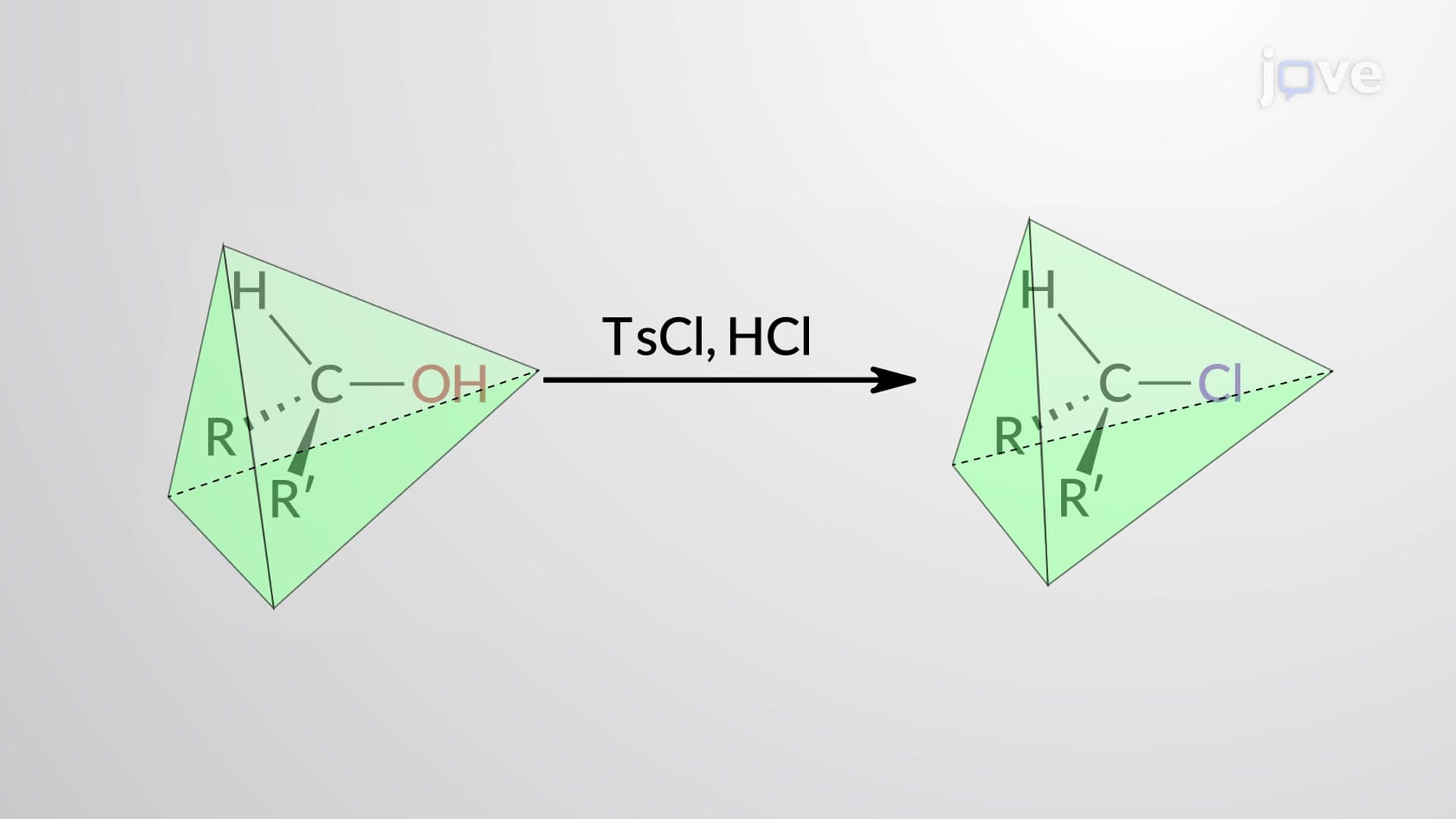
What is acid catalyzed dehydration of alcohols at the molecular level? The answer depends entirely on carbocation stability. Secondary and tertiary alcohols undergo E1 elimination because they can form stable carbocation intermediates. The process begins with acid protonation of the hydroxyl oxygen, converting it from a poor leaving group (-OH) to an excellent one (H2O).
When the protonated alcohol loses water, it creates a carbocation that can undergo rearrangement to achieve maximum stability. For example, 3,3-dimethyl-2-butanol forms a secondary carbocation that immediately rearranges to a more stable tertiary carbocation through hydride or alkyl shifts. This rearrangement explains why predicted products often differ from actual laboratory results.
Primary alcohols follow the E2 mechanism because primary carbocations are prohibitively unstable. Instead, proton removal and water departure occur simultaneously, eliminating the need for carbocation formation. However, the initially formed terminal alkenes often rearrange under acidic conditions following Markovnikov's rule, ultimately producing more substituted internal alkenes as major products.
Understanding product distribution requires mastering Zaitsev's rule, which states that elimination reactions favor the most substituted alkene. This principle applies directly to college organic chemistry exams and MCAT passages. When 2-butanol undergoes acid-catalyzed dehydration, students must consider both the initial elimination products and subsequent rearrangements under acidic conditions.
Industrial applications demonstrate these principles at scale. Phillips 66 refineries use acid-catalyzed dehydration to convert alcohols from fermentation processes into alkenes for fuel additives, while pharmaceutical companies like Johnson & Johnson employ controlled dehydration reactions to create specific alkene intermediates for drug synthesis.
Temperature and acid concentration requirements vary dramatically across alcohol types. Tertiary alcohols dehydrate under mild conditions (room temperature with dilute acid), making them ideal for laboratory syntheses in undergraduate organic chemistry courses. Secondary alcohols require moderate heating with concentrated acid, while primary alcohols demand harsh conditions including high temperatures and strong acids like concentrated sulfuric acid.
These differences appear frequently on AP Chemistry free response questions and college midterm exams, where students must predict optimal reaction conditions based on substrate structure. Understanding these requirements helps explain why industrial processes favor tertiary alcohol starting materials when possible, reducing energy costs and equipment requirements for companies like BASF and DuPont.
Related Micro-courses