Loading video…


 20 Concepts
 58.7K views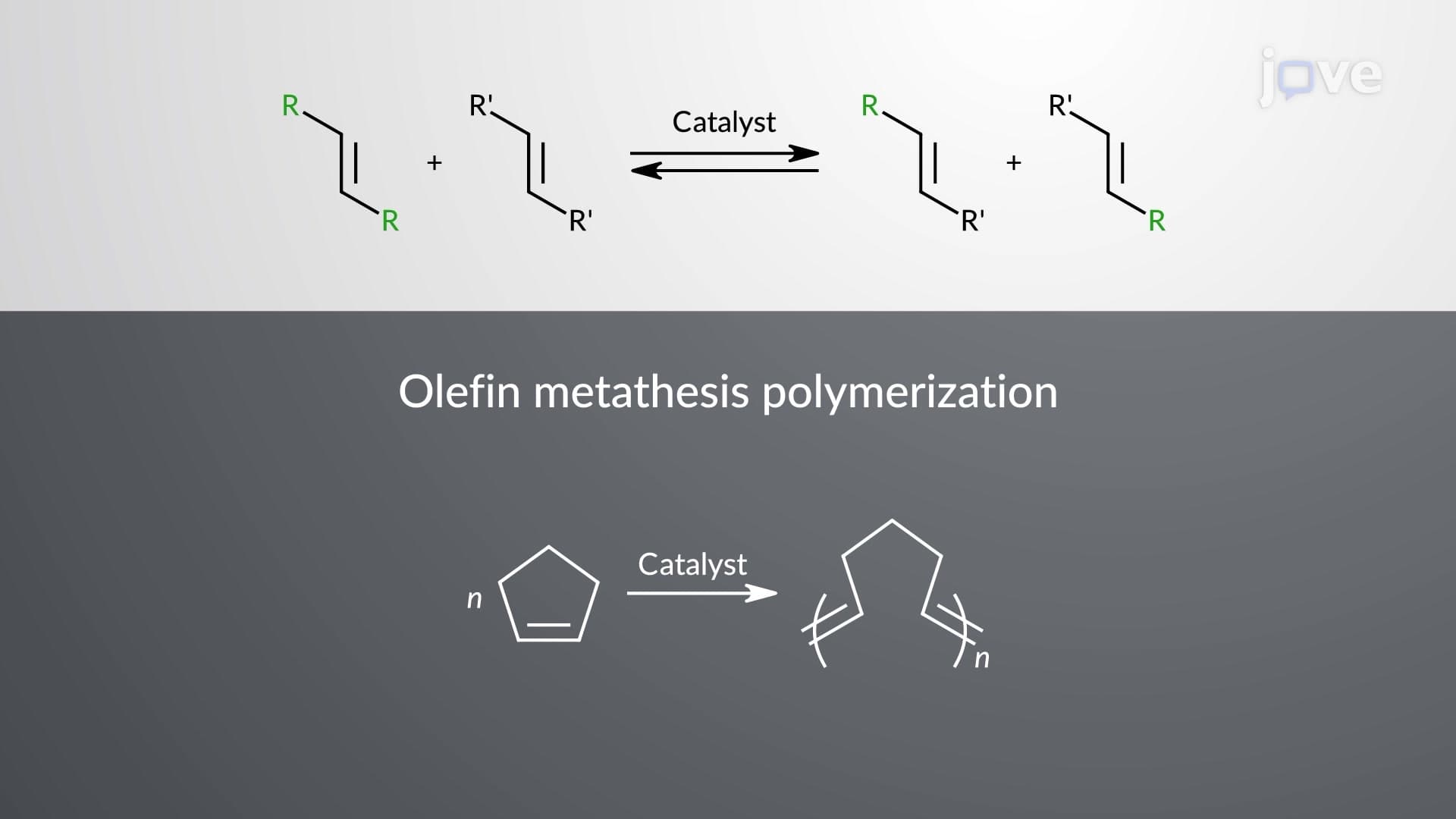

Video Summary: What Is Olefin Metathesis Polymerization
Did you know that the same chemical reaction used to create superabsorbent materials for oil spills also produces synthetic rubber for car tires? Olefin metathesis polymerization is a powerful chemical process where catalyst-driven reactions between olefins create entirely new polymer chains. This technique has revolutionized manufacturing at companies like DuPont and Dow Chemical, producing everything from specialty rubbers to advanced materials used in aerospace applications. Understanding what is olefin metathesis polymerization opens doors to cutting-edge polymer science and industrial chemistry careers. Watch the full video on JoVE Coach to master this concept with expert-led visuals and step-by-step explanations.
Olefin metathesis polymerization represents one of the most elegant synthetic approaches in modern polymer chemistry. At its core, this process involves the redistribution of carbon-carbon double bonds between olefin molecules, facilitated by specialized metal catalysts. The term "metathesis" derives from Greek, meaning "to transpose," which perfectly describes how substituents exchange positions to form new chemical bonds.
The breakthrough discovery of this reaction earned Robert Grubbs, Richard Schrock, and Yves Chauvin the 2005 Nobel Prize in Chemistry, highlighting its significance in advancing synthetic chemistry. In the United States, major chemical companies like Materia Inc. (now part of ExxonMobil) have commercialized this technology, making it accessible for industrial-scale production.
The most widely used catalysts in olefin metathesis polymerization are ruthenium-based Grubbs catalysts, first developed at the California Institute of Technology. These catalysts feature a characteristic metal-carbene double bond that initiates the metathesis process. The catalyst temporarily coordinates with olefin substrates, forming a four-membered metallacyclobutane intermediate that rapidly rearranges to exchange substituents between different olefin molecules.
Students preparing for AP Chemistry or college-level organic chemistry courses should understand that these catalysts offer remarkable tolerance toward various functional groups, including alcohols, amines, and esters. This compatibility makes olefin metathesis polymerization particularly valuable for synthesizing complex polymers that would decompose under harsh conditions required by traditional polymerization methods.
Ring-opening metathesis polymerization (ROMP) transforms cyclic olefins into linear polymers through ring-opening reactions. Companies like Cymetech Corporation use ROMP to produce specialized materials for electronics and aerospace applications. The driving force for ROMP comes from the relief of ring strain in cyclic monomers, making the polymerization thermodynamically favorable.
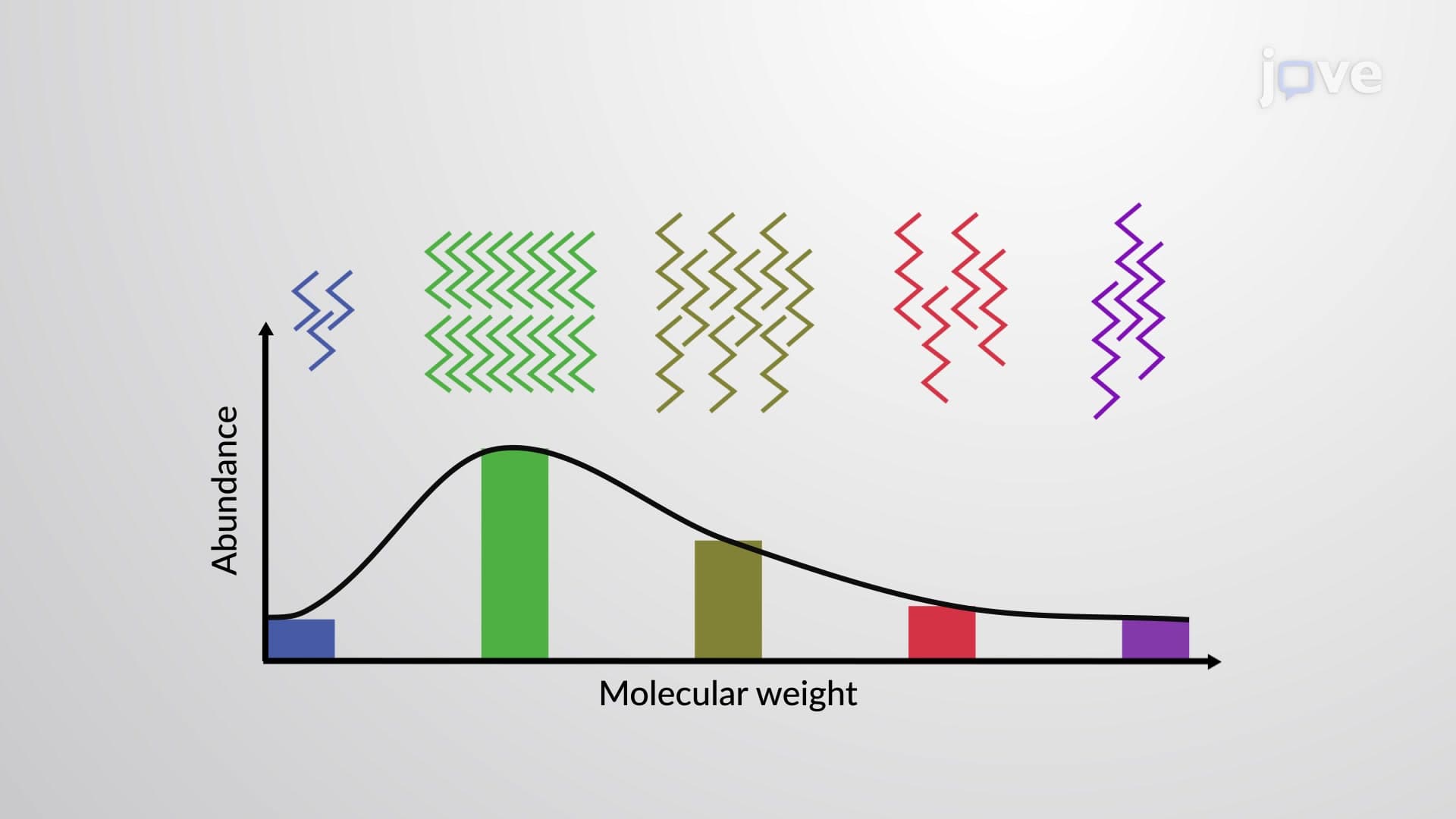
Acyclic diene metathesis (ADMET) polymerization, alternatively, uses linear diene monomers to create polymers while eliminating small molecules like ethylene. This step-growth mechanism allows precise control over polymer molecular weight and architecture, making it ideal for creating specialty materials with defined properties.
Commercial success stories demonstrate the practical value of olefin metathesis polymerization. Vestenamer, produced by Evonik Industries' US operations, improves rubber processing and final product properties in tire manufacturing. Norsorex serves as a superabsorbent polymer for environmental cleanup applications, particularly in oil spill remediation efforts coordinated by the EPA.
For students considering careers in chemical engineering or materials science, understanding these applications provides insight into how fundamental chemistry translates into real-world solutions addressing environmental and industrial challenges.
Related Micro-courses