Loading video…


 20 Concepts
 58.7K views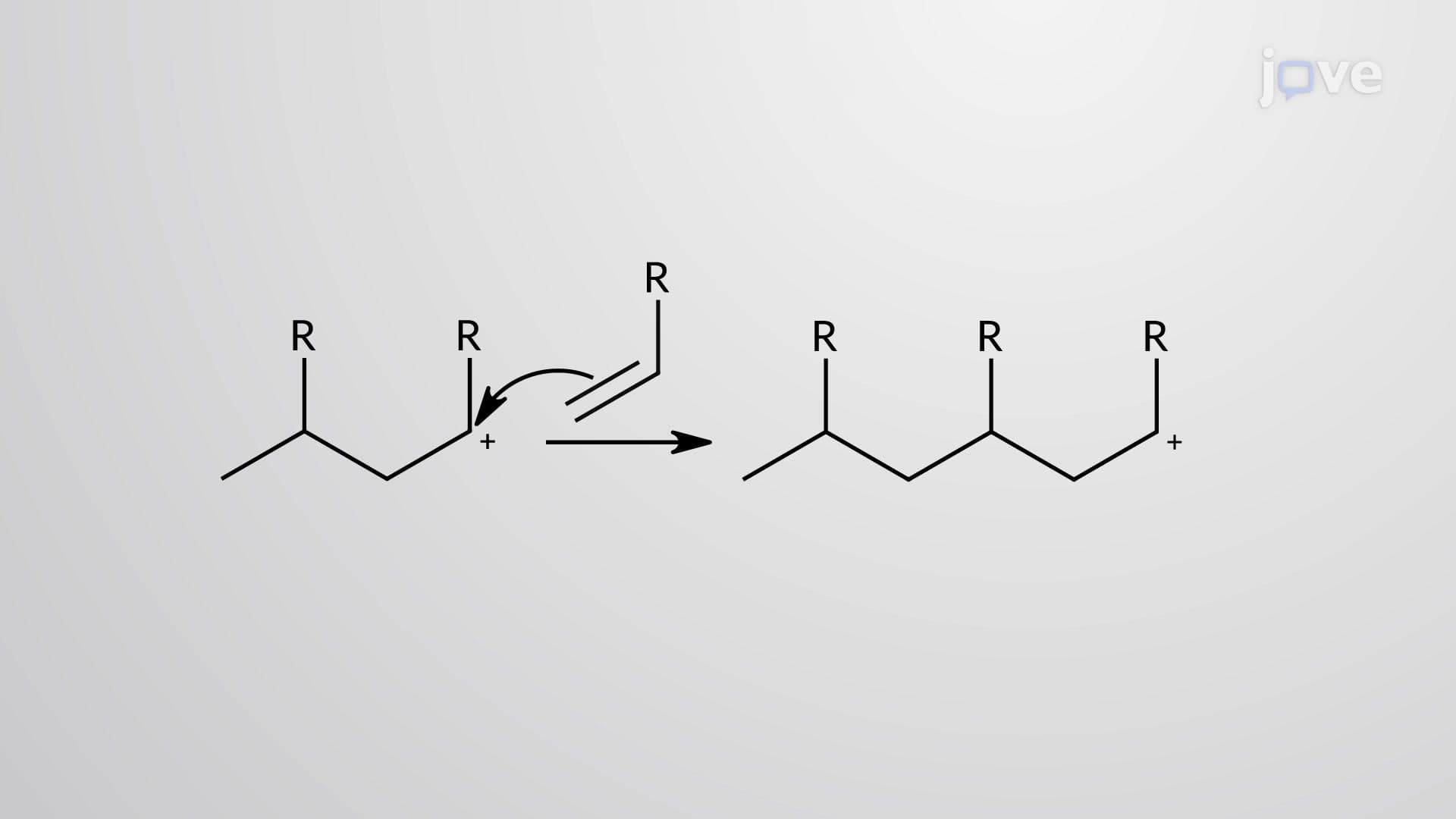

Video Summary: Cationic Chain Growth Polymerization Mechanism Explained
Ever wonder how the plastic in your smartphone case forms from simple molecules? Cationic chain growth polymerization creates countless everyday materials through a fascinating three-step dance of molecular building. From the polystyrene in disposable cups to specialized polymers in medical devices used across US hospitals, this mechanism transforms small monomers into long-chain polymers that shape our world. The Cationic Chain Growth Polymerization Mechanism Explained reveals how carbocations drive this essential industrial process. Watch the full video on JoVE Coach to master this concept with expert-led visuals and step-by-step explanations.
Cationic chain growth polymerization represents one of the most important synthetic pathways for creating polymers with precise structural control. Unlike other polymerization methods, this mechanism relies on positively charged intermediates called carbocations to drive chain growth. The process finds extensive use in manufacturing everything from adhesives to high-performance plastics used in aerospace applications across US industries.
The initiation step begins when a Lewis acid catalyst system interacts with monomer molecules. Boron trifluoride (BF3) combined with trace water creates a potent initiating system that protonates alkene bonds. This protonation generates a carbocation-a carbon atom bearing a positive charge. The stability of this carbocation depends heavily on the monomer structure, with electron-donating groups like alkyl substituents providing crucial stabilization through hyperconjugation and inductive effects.
Students preparing for AP Chemistry exams should recognize that carbocation stability follows the established tertiary > secondary > primary order. This fundamental principle directly impacts which monomers undergo successful cationic polymerization. Isobutylene, for instance, forms highly stable tertiary carbocations, making it ideal for this polymerization type.
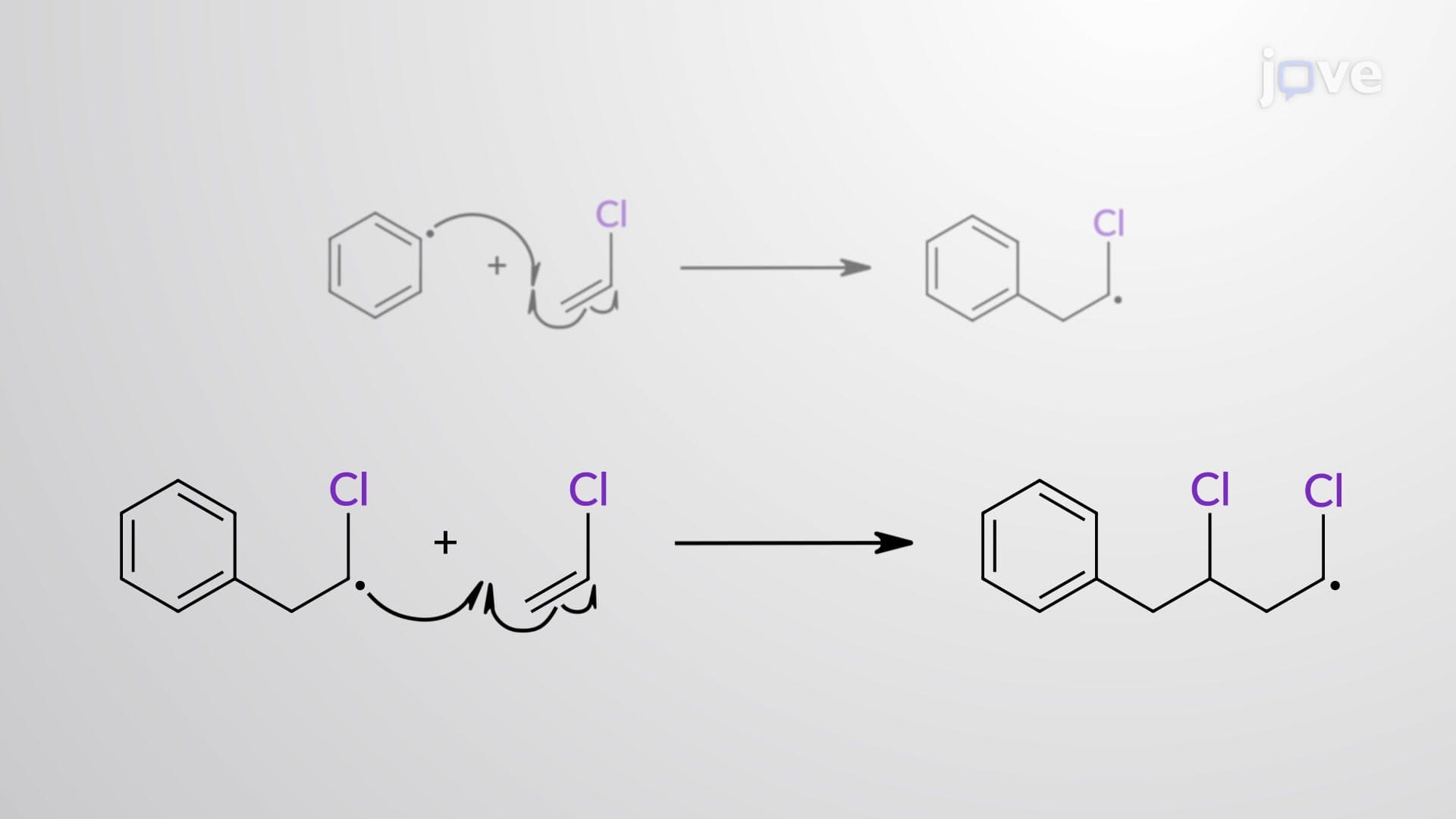
During propagation, the newly formed carbocation acts as an electrophile, attacking the pi bond of another monomer molecule. This nucleophilic attack by the alkene's electrons creates a new carbon-carbon bond while simultaneously generating a new carbocation at the chain end. The process repeats continuously, with each addition step creating longer polymer chains while maintaining the reactive carbocation terminus.
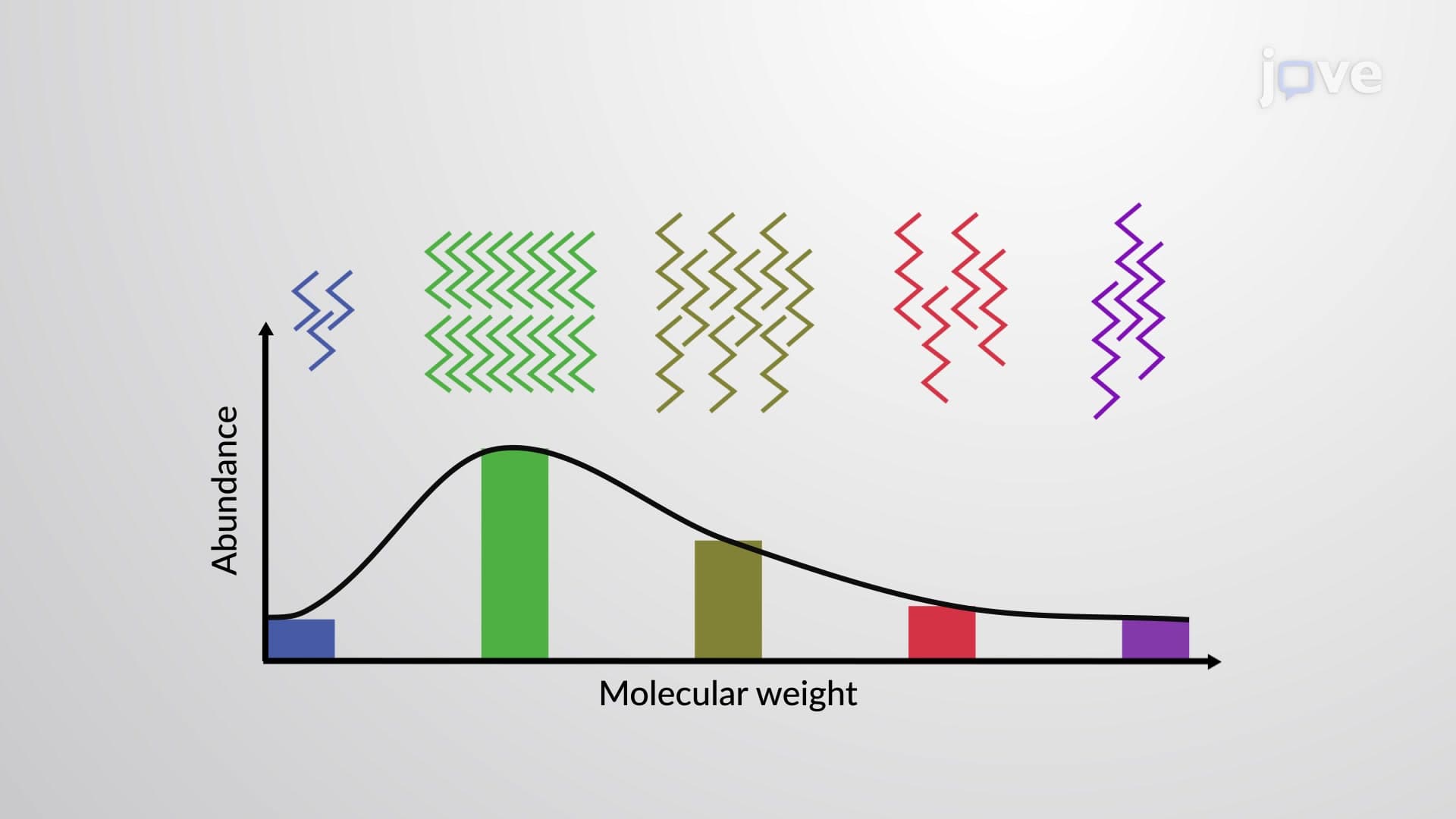
The propagation rate depends on several factors including temperature, monomer concentration, and the stability of the propagating carbocation. In industrial settings like those found in chemical plants throughout Texas and Louisiana, careful control of these parameters ensures optimal molecular weight distribution and polymer properties.
Chain termination occurs through two primary pathways. Base-induced termination involves adding a Brønsted base that removes a proton from the carbocation, creating a neutral alkene end group. Alternatively, nucleophilic termination uses species like water or alcohols that directly attack the positively charged carbon, forming new covalent bonds.
Understanding these termination mechanisms proves crucial for MCAT preparation, particularly in organic chemistry sections dealing with reaction mechanisms and synthetic strategies.
Related Micro-courses