Loading video…


 20 Concepts
 58.7K views

Video Summary: Olefin Metathesis Polymerization Acyclic Diene Explained
Did you know that a single chemical reaction can create plastics strong enough for aerospace applications at Boeing? Olefin metathesis polymerization acyclic diene (ADMET) harnesses the power of metathesis catalysis to transform simple chain molecules into high-performance polymers. This elegant process connects acyclic dienes-molecules with double bonds at both ends-into long polymer chains while releasing ethylene gas, driving the reaction forward. Olefin Metathesis Polymerization Acyclic Diene Explained demonstrates how chemists can achieve molecular weights up to 80,000 amu with remarkable efficiency. Watch the full video on JoVE Coach to master this concept with expert-led visuals and step-by-step explanations.
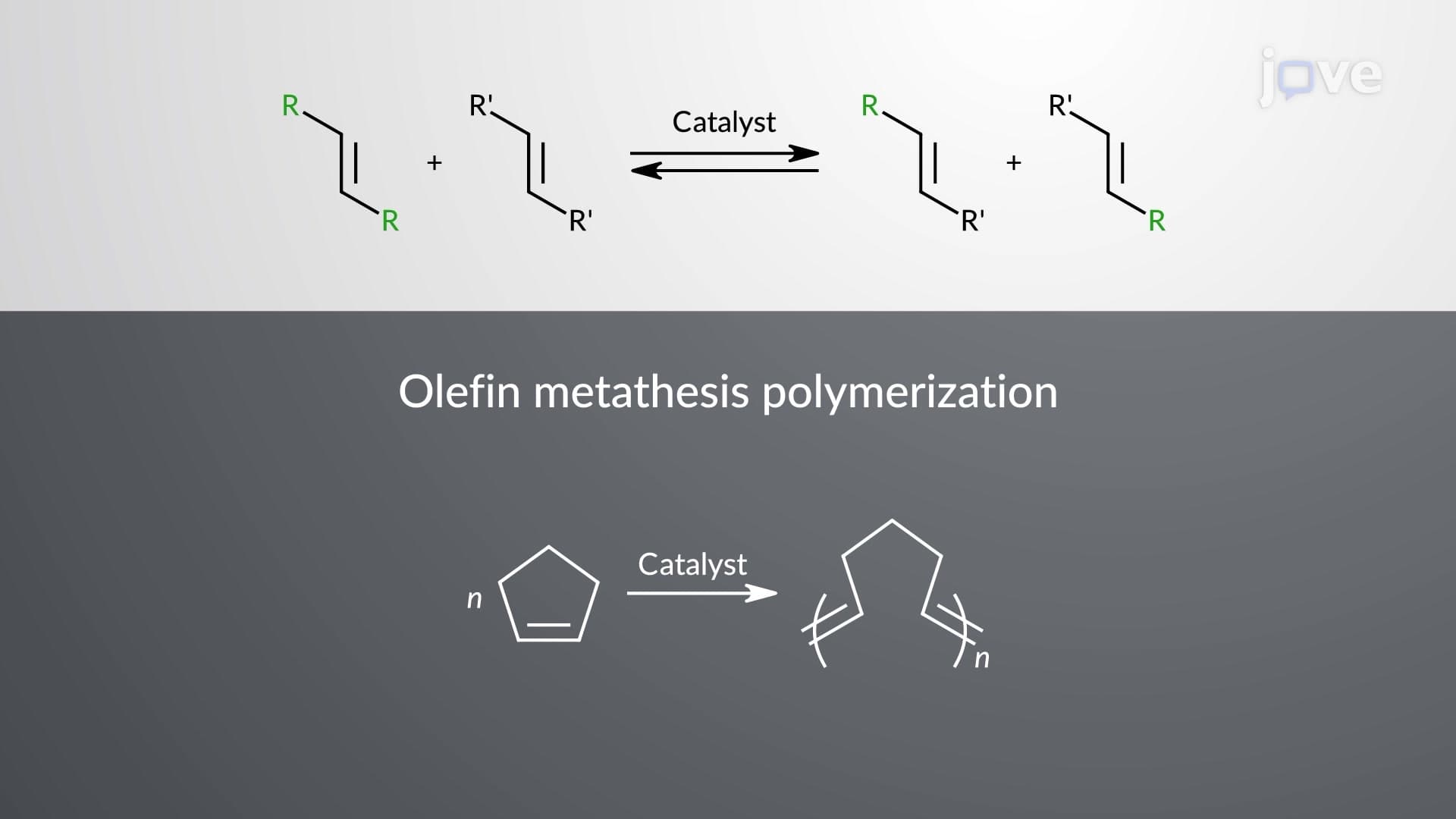
Olefin Metathesis Polymerization Acyclic Diene Explained represents one of the most elegant approaches to creating high-performance polymers through controlled chain-building reactions. Unlike traditional polymerization methods that rely on radical or ionic mechanisms, ADMET harnesses the unique properties of metathesis catalysis to achieve precise molecular control.
The process begins with carefully designed acyclic diene monomers-typically featuring 8-12 carbon chains with terminal alkene groups. The prototype molecule, 1,8-nonadiene, exemplifies the ideal ADMET substrate structure: a flexible hydrocarbon backbone with reactive double bonds positioned at both ends. This molecular architecture ensures that polymerization proceeds through predictable head-to-tail coupling.
Grubbs catalysts, developed by Nobel laureate Robert Grubbs at Caltech, serve as the workhorses of ADMET polymerization. These ruthenium-based organometallic complexes facilitate the crucial carbon-carbon bond reorganization that drives polymer formation. The second-generation Grubbs catalyst, featuring N-heterocyclic carbene ligands, demonstrates exceptional stability and activity under ambient conditions-making ADMET accessible to undergraduate laboratories across American universities.
The thermodynamic driving force stems from ethylene elimination during the polymerization process. As two diene molecules undergo metathesis, they form a longer chain while releasing gaseous ethylene. This entropy-favorable gas evolution shifts the equilibrium toward polymer formation, enabling high molecular weights without requiring extreme reaction conditions.
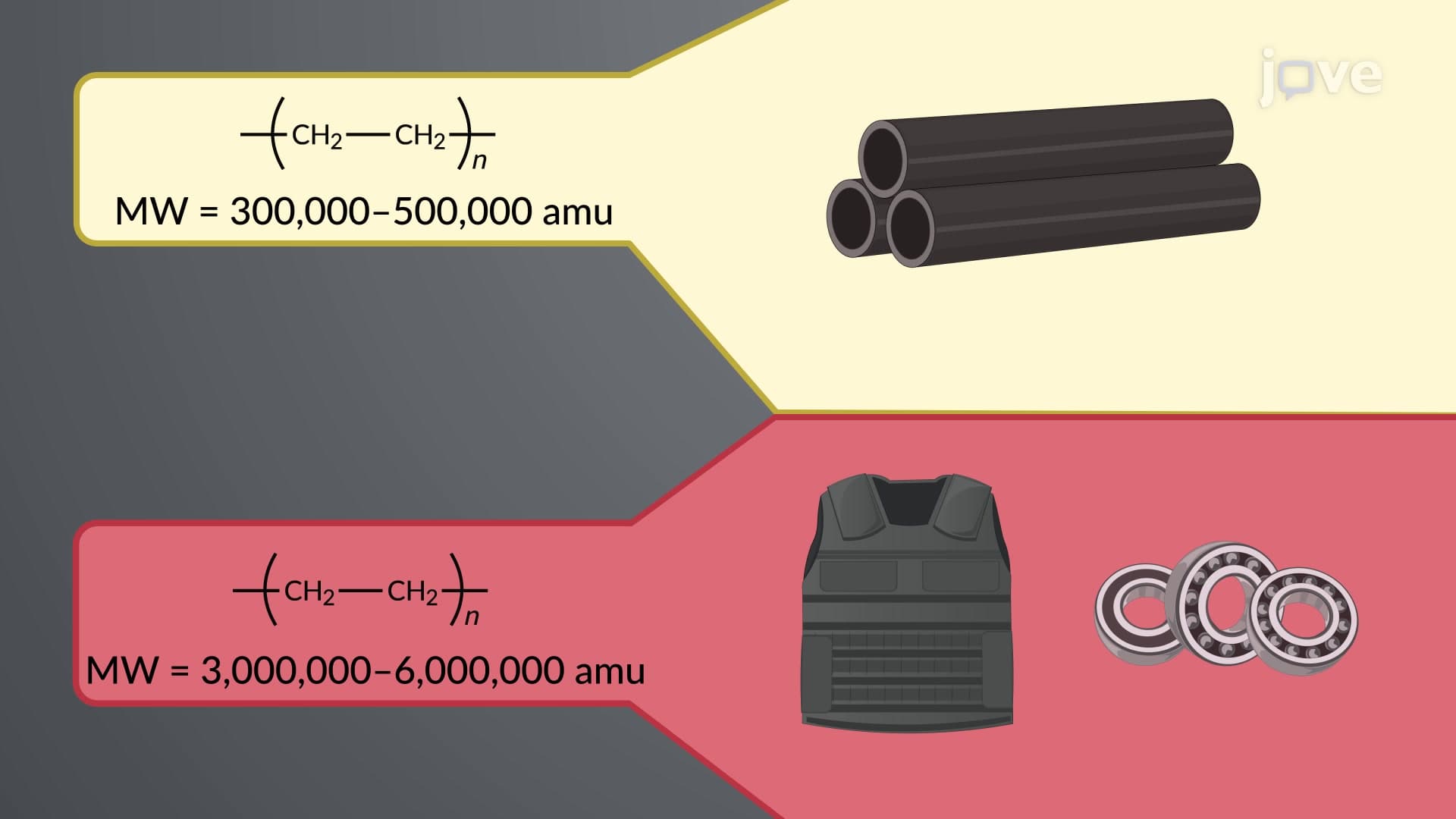
ADMET-synthesized polymers find critical applications in aerospace, automotive, and specialty materials industries throughout the United States. Companies like DuPont and Dow Chemical utilize ADMET techniques to create precision-engineered materials with molecular weights reaching 80,000 atomic mass units-approaching the performance characteristics of high-density polyethylene while maintaining superior chemical resistance.
The controlled nature of ADMET polymerization allows chemists to incorporate functional groups along the polymer backbone with unprecedented precision. This capability proves invaluable when designing materials for specific applications, from biomedical implants requiring FDA approval to specialized coatings for military applications.
Students encountering ADMET in AP Chemistry, organic chemistry courses, or MCAT preparation should focus on understanding the mechanistic differences between metathesis and conventional polymerization. The reaction's reliance on catalyst turnover, thermodynamic control, and precise substrate design frequently appears in advanced placement exams and college-level assessments. Mastering these concepts provides excellent preparation for graduate-level polymer chemistry and materials science coursework.
Related Micro-courses