Loading video…


 15 Concepts
 392.7K views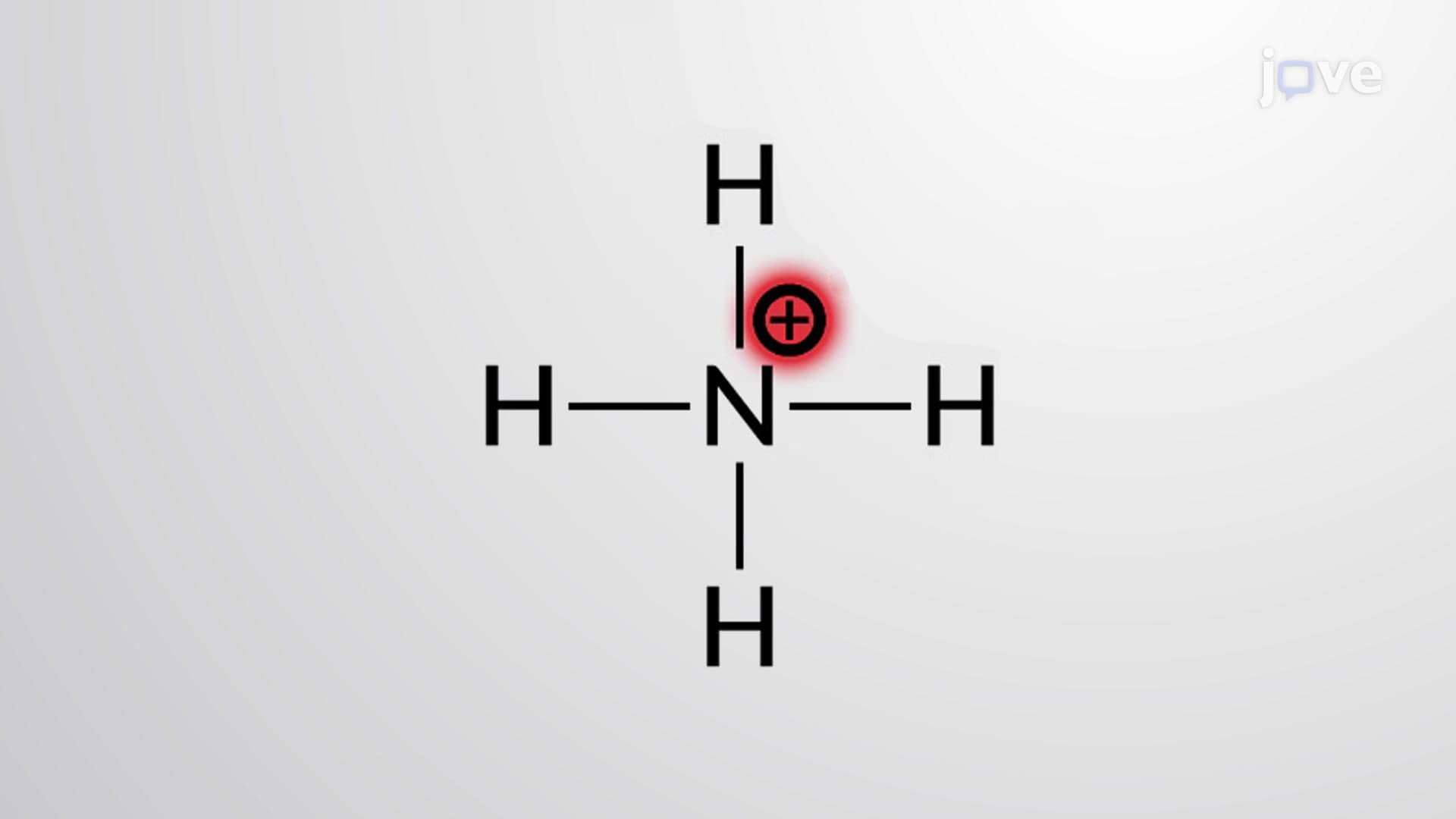

Video Summary: Lewis Structures and Formal Charges Explained
Ever wonder why some medications work better than others? The answer often lies in lewis structures formal charges, the invisible forces that determine how atoms bond in everything from aspirin to advanced polymers used in Boeing aircraft. Lewis Structures And Formal Charges Explained reveals how chemists predict molecular stability by calculating electron distribution, using examples like ethene's shared electrons and the ammonium ion found in common household cleaners. Watch the full video on JoVE Coach to master this concept with expert-led visuals and step-by-step explanations.
Lewis structures serve as the foundation for understanding chemical bonding, providing chemists with a visual roadmap of electron distribution in molecules. These diagrams become particularly powerful when combined with formal charge calculations, which reveal the true electron "accounting" within molecular structures. This knowledge proves essential for students preparing for AP Chemistry exams and college-level organic chemistry courses.
Formal charge represents the hypothetical charge an atom would carry if electrons were shared equally between bonded atoms. The calculation follows a straightforward formula: Formal Charge = Valence Electrons - Nonbonding Electrons - (Bonding Electrons ÷ 2).
Consider the ammonium ion (NH4+), commonly found in fertilizers used across American agriculture. Each hydrogen contributes one valence electron and forms one bond, yielding zero formal charge. Nitrogen, normally possessing five valence electrons, shares four bonding pairs and has no lone pairs, resulting in a +1 formal charge that explains the ion's overall positive charge.
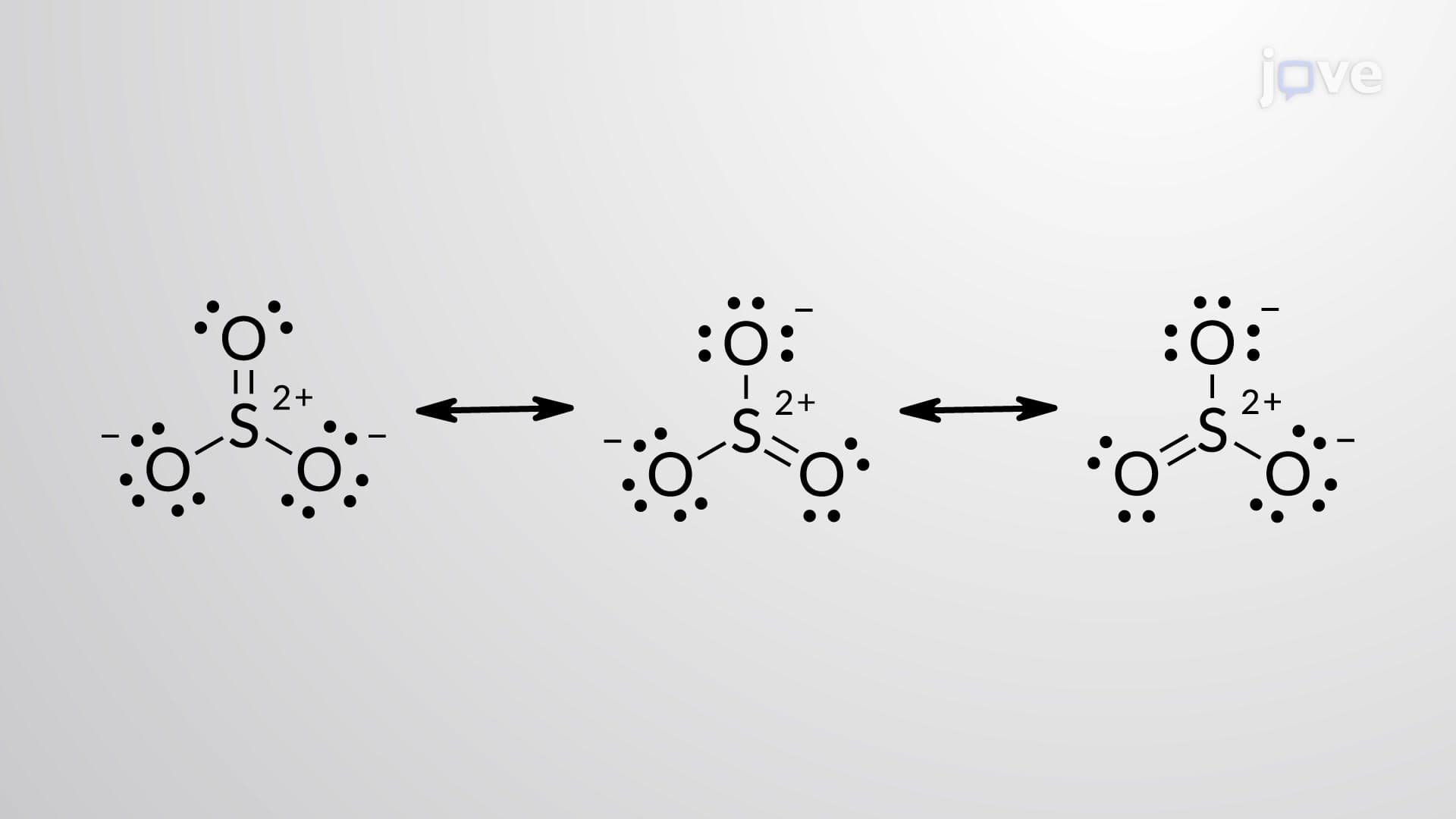
While the octet rule guides most bonding predictions, strategic exceptions create more stable structures. Sulfur trioxide (SO3), a component in acid rain formation affecting American infrastructure, demonstrates expanded octet behavior. Sulfur can accommodate more than eight electrons, allowing double bonds with oxygen atoms that minimize formal charges compared to single-bond arrangements.
Boron compounds represent another crucial exception, targeting six shared electrons rather than eight. This occurs because achieving a complete octet would create unfavorable formal charges, making the six-electron configuration more stable.
These concepts directly impact pharmaceutical development, where companies like Pfizer and Merck use formal charge analysis to design more effective medications. Understanding electron distribution helps predict drug stability, bioavailability, and potential side effects. Students encounter these principles in MCAT preparation, where formal charge calculations appear frequently in general chemistry sections.
Materials science applications include polymer design for aerospace applications, where companies like Lockheed Martin rely on precise molecular engineering. The ability to predict and manipulate formal charges enables the creation of advanced composites used in everything from commercial aircraft to space exploration vehicles.
Related Micro-courses