Loading video…


 15 Concepts
 392.7K views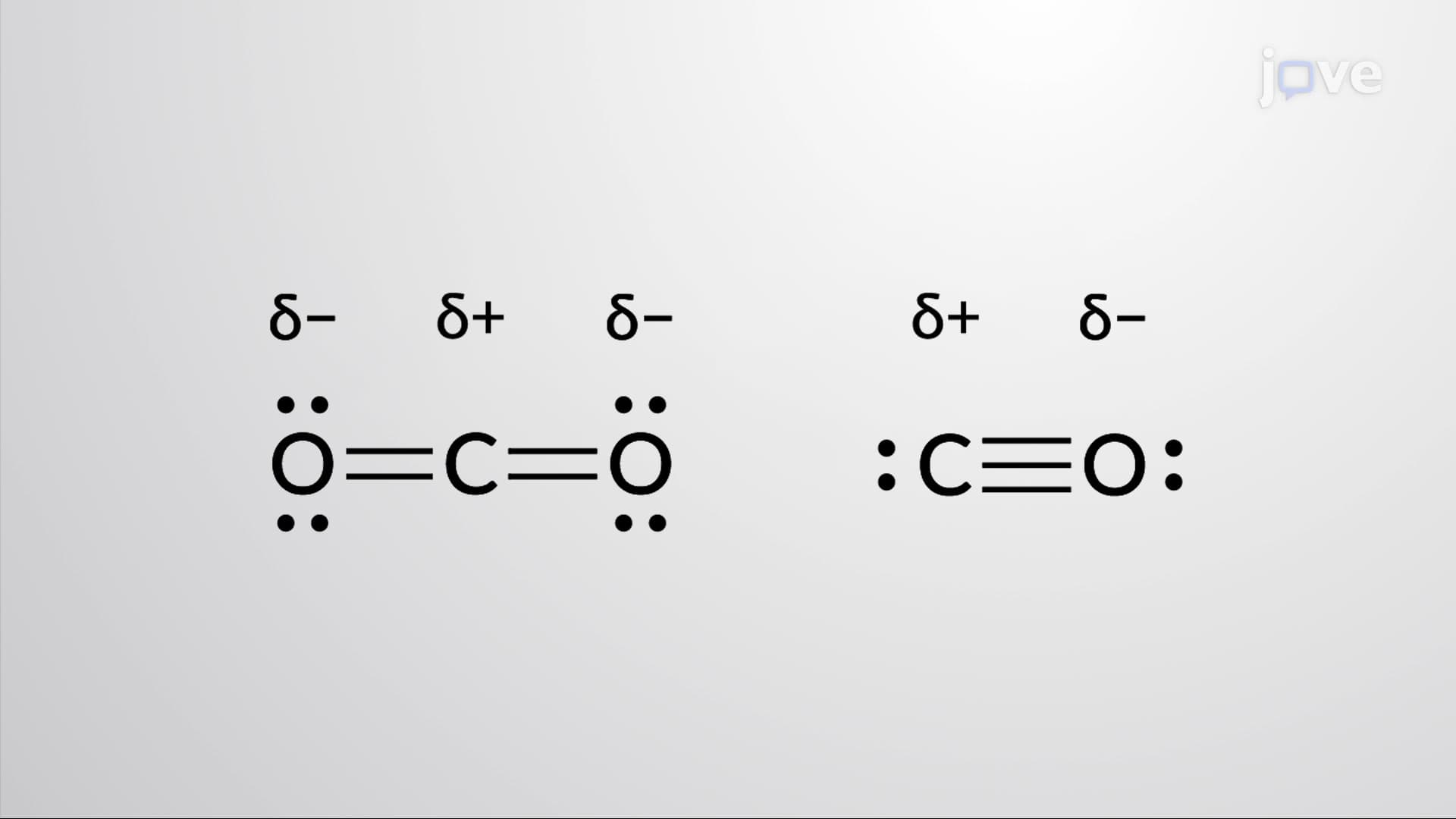

Video Summary: What are Polar Covalent Bonds
Why does water dissolve salt while oil doesn't? The answer lies in polar covalent bonds, which create unequal electron sharing between atoms of different elements. In medications like aspirin, polar covalent bonds between carbon and oxygen atoms determine how the drug dissolves in your bloodstream and reaches target tissues. Understanding what are polar covalent bonds reveals how electronegativity differences create partial charges that influence molecular behavior in everything from biological processes to industrial chemistry. Watch the full video on JoVE Coach to master this concept with expert-led visuals and step-by-step explanations.
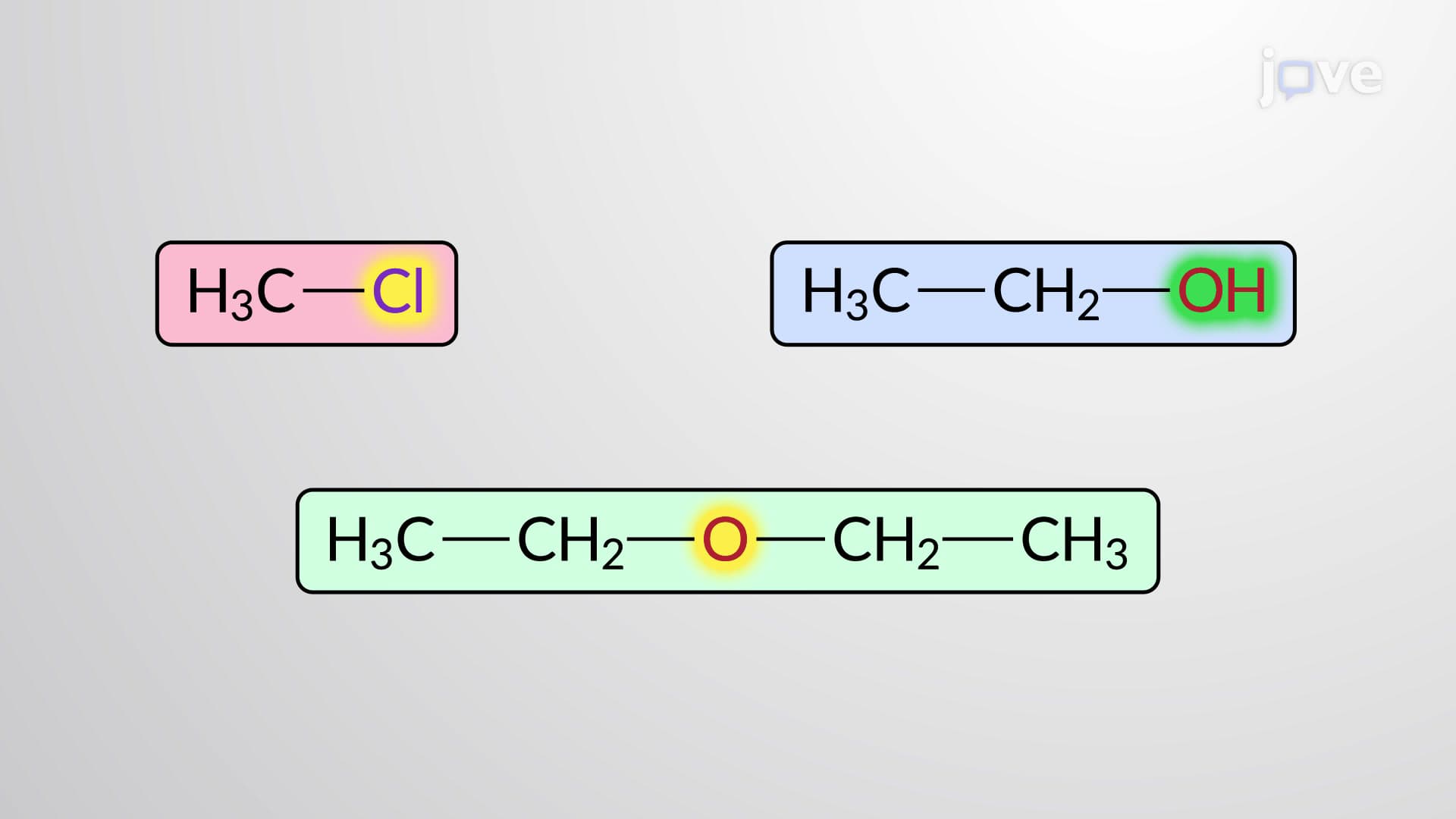
Polar covalent bonds represent a fundamental type of chemical bonding where electrons are shared unequally between two atoms of different elements. Unlike ionic bonds where electrons transfer completely, or nonpolar covalent bonds where electrons share equally, polar covalent bonds create a "tug-of-war" scenario where the more electronegative atom pulls the shared electrons closer to itself.
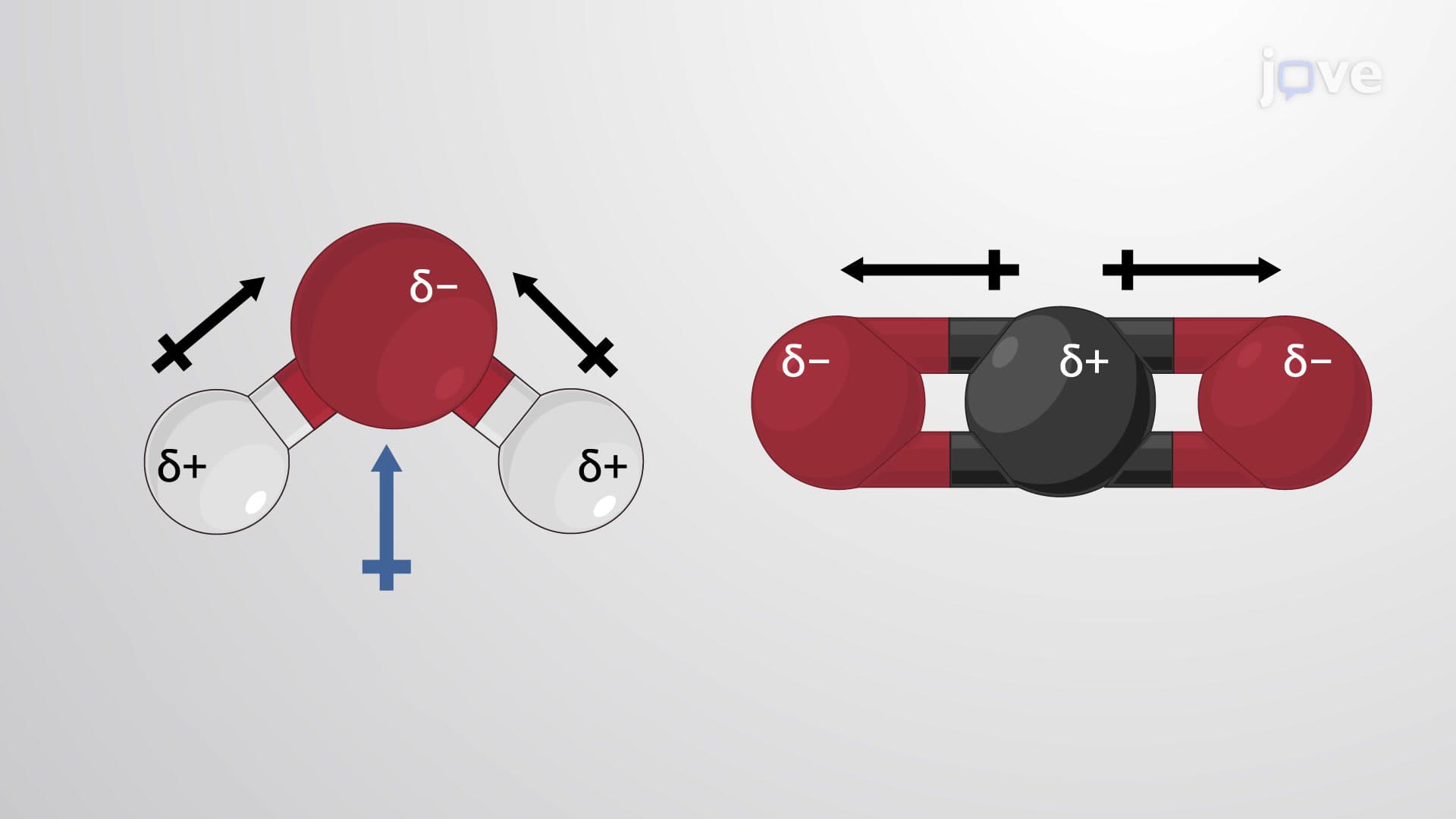
This unequal sharing occurs because different elements have varying abilities to attract electrons, measured by a property called electronegativity. When atoms with different electronegativity values bond, the electron cloud shifts toward the more electronegative atom, creating partial charges: δ- (delta negative) on the more electronegative atom and δ+ (delta positive) on the less electronegative atom.
The polar covalent bonds definition explained relies heavily on understanding electronegativity differences. Linus Pauling developed the most widely used electronegativity scale, assigning values from 0.7 (cesium) to 4.0 (fluorine). Generally, electronegativity increases across periods (left to right) and decreases down groups in the periodic table.
For polar covalent bonds to form, the electronegativity difference typically ranges from 0.4 to 1.7. Differences less than 0.4 create nonpolar covalent bonds, while differences greater than 1.7 usually result in ionic bonds. For example, in a C-O bond (electronegativity difference ≈ 1.0), oxygen pulls electrons more strongly, creating a polar covalent bond essential in molecules like glucose and carbon dioxide.
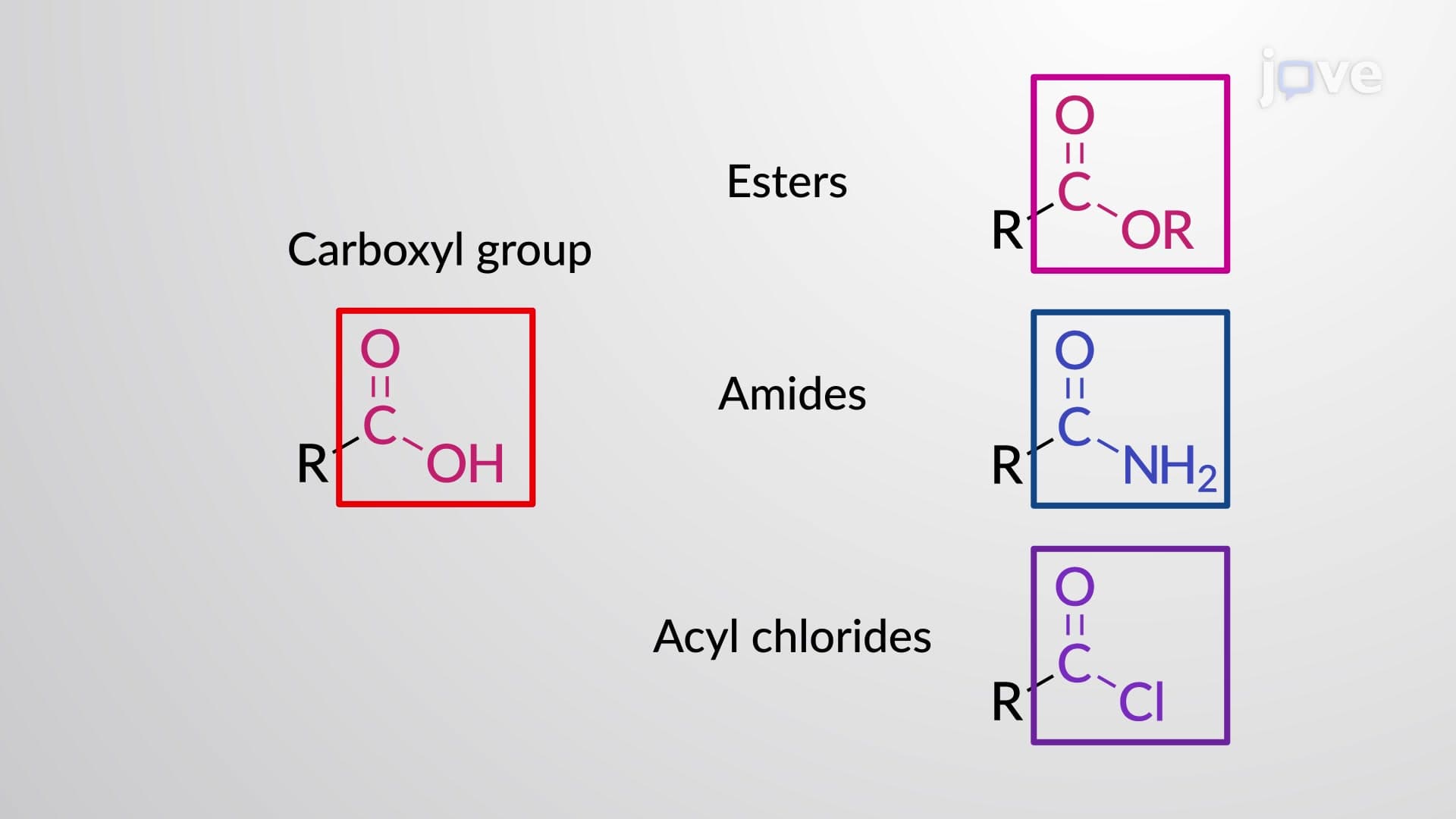
Polar covalent bonds explained guide principles appear throughout US industries and biological systems. In pharmaceutical manufacturing, companies like Pfizer and Johnson & Johnson rely on polar covalent bonds to design drugs with specific solubility properties. The C-O and N-H polar bonds in acetaminophen (Tylenol) allow it to dissolve in stomach acid and cross cell membranes.
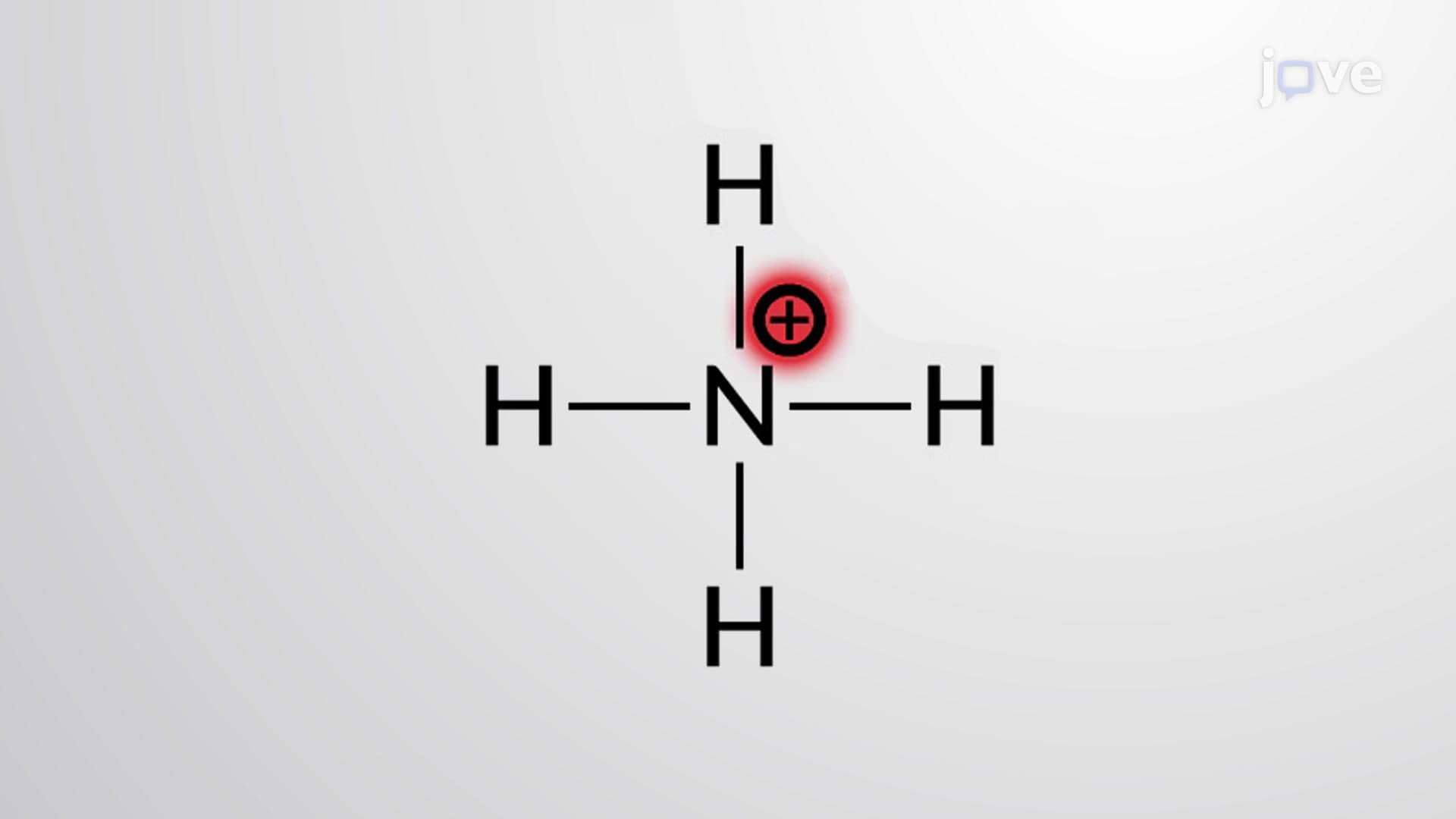
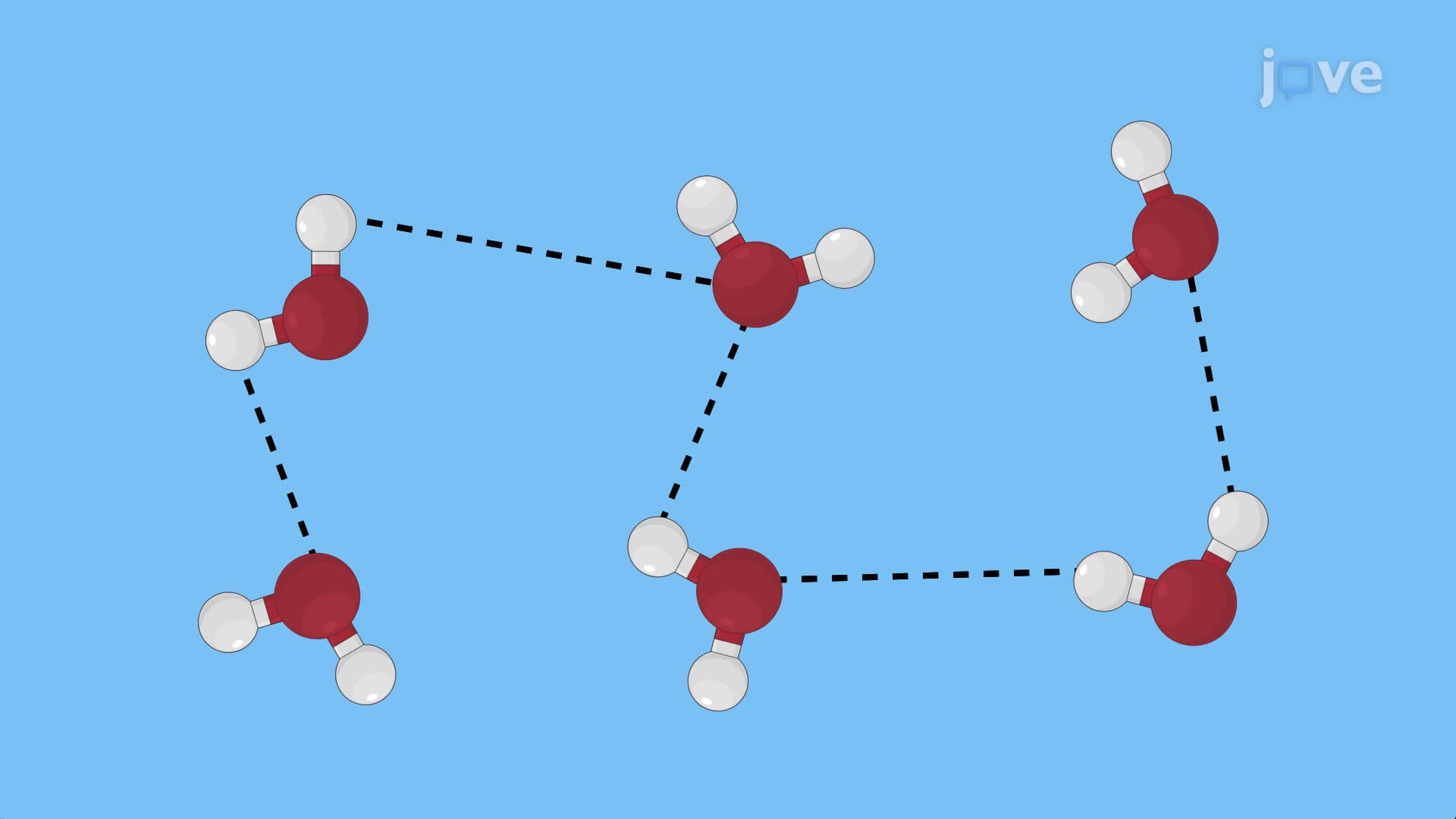
In agriculture, polar covalent bonds in fertilizers like ammonium nitrate (NH4NO3) enable nutrients to dissolve in soil water and become available to crops across the Midwest. The polar N-H bonds help these compounds interact with water molecules through hydrogen bonding.
Students preparing for AP Chemistry, SAT Subject Tests, or college-level general chemistry courses frequently encounter polar covalent bond questions. The MCAT often tests this concept in biological contexts, such as protein folding or drug-receptor interactions. Typical exam questions ask students to identify polar bonds in molecules, predict dipole directions, or explain how polarity affects physical properties.
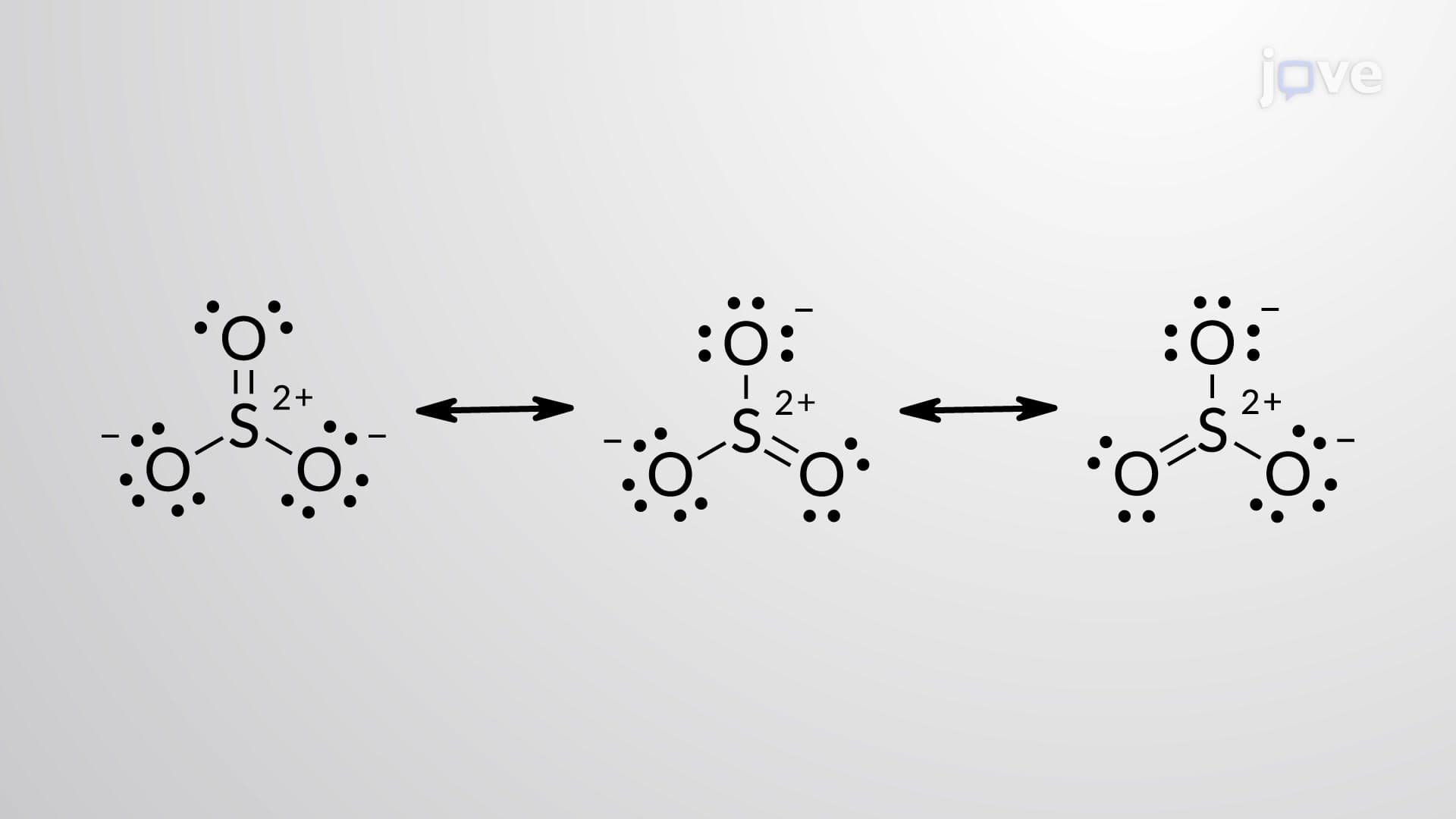
Successful students learn to quickly calculate electronegativity differences and visualize electron density shifts using Lewis structures. Practice problems often involve ranking bond polarity in series like C-H, C-N, C-O, and C-F, where students must apply Pauling scale values to determine relative polarities.
Related Micro-courses