Loading video…


 7 Concepts
 94.4K views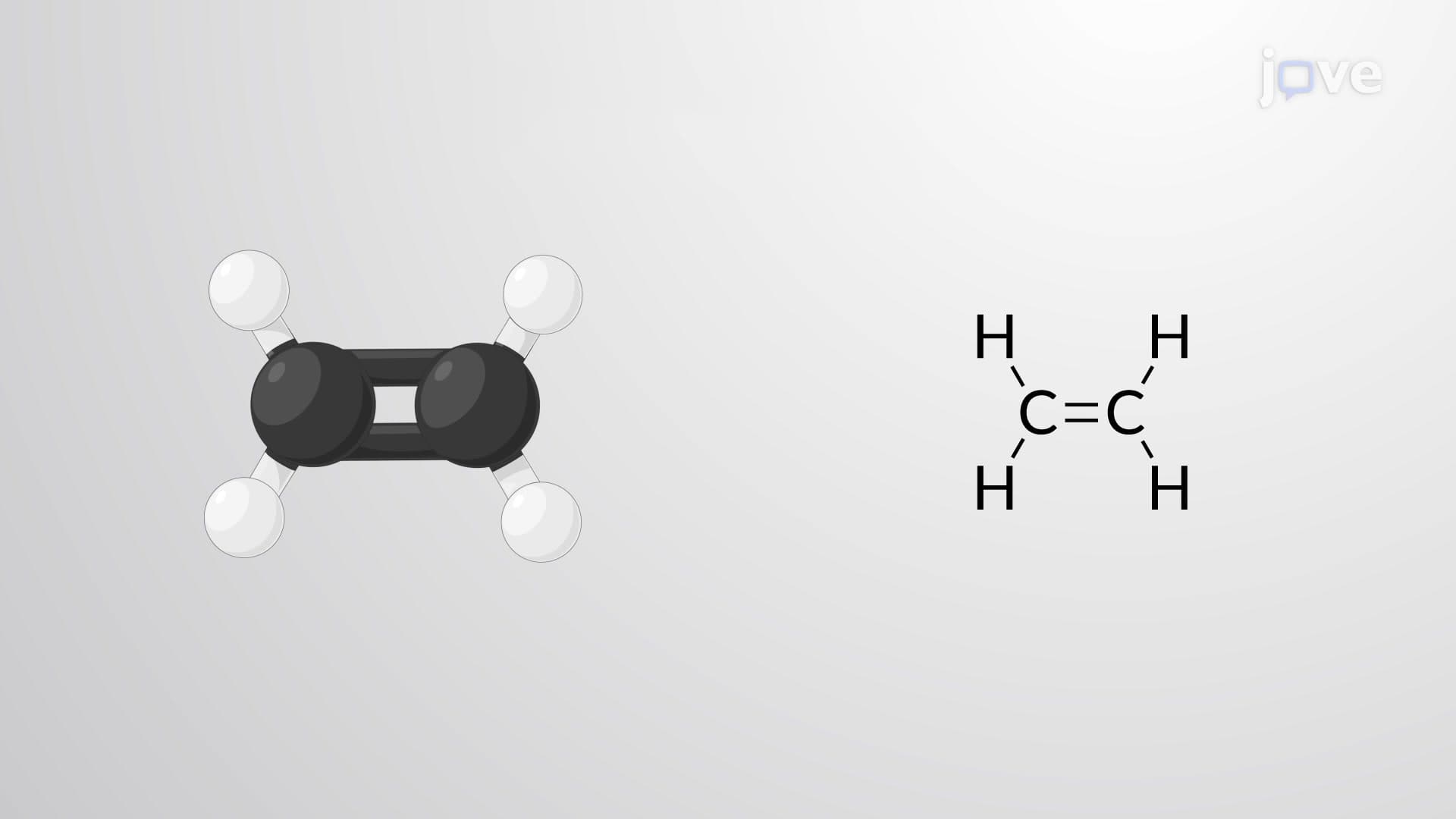

Video Summary: Structure and Bonding of Alkenes Explained
Why do plastics like polyethylene bags feel different from solid materials like wood or metal? The answer lies in structure bonding alkenes - the fundamental building blocks that determine material properties. Alkenes, hydrocarbons with carbon-carbon double bonds, form the backbone of countless everyday products from gasoline additives to pharmaceutical compounds manufactured by companies like ExxonMobil and Dow Chemical. Understanding the Structure And Bonding of Alkenes Explained reveals how molecular geometry and electron arrangement control chemical behavior and physical properties. Watch the full video on JoVE Coach to master this concept with expert-led visuals and step-by-step explanations.
Alkenes represent a fundamental class of organic compounds that bridge basic chemistry concepts with real-world applications. These unsaturated hydrocarbons, characterized by their carbon-carbon double bonds, serve as essential building blocks in industries ranging from petroleum refining to pharmaceutical manufacturing. Students encounter alkenes frequently in AP Chemistry, organic chemistry courses, and standardized tests like the MCAT.
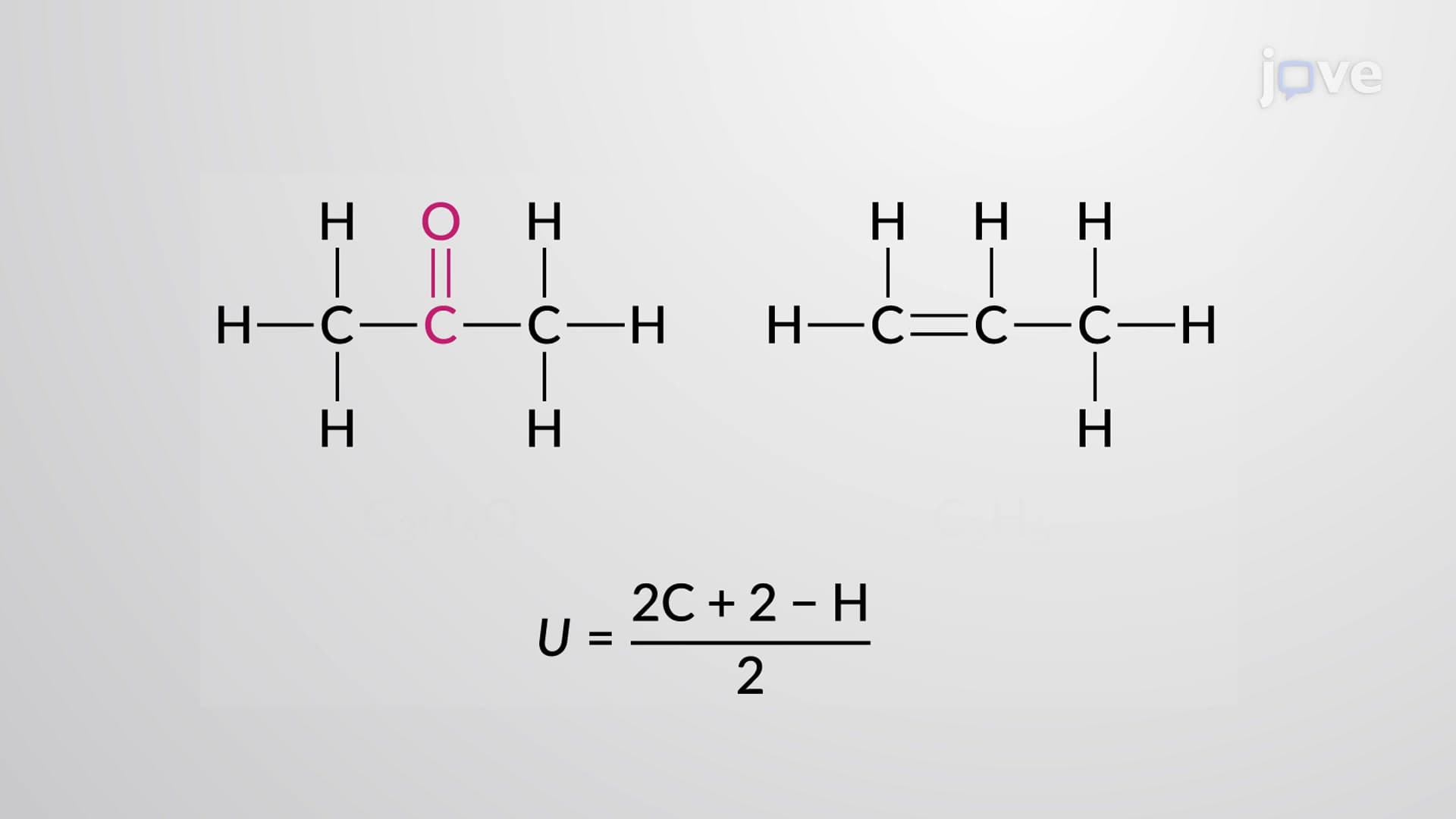
The defining feature of alkene structure lies in sp2 hybridization of carbon atoms involved in double bonding. Unlike sp3 hybridized carbons in alkanes, sp2 carbons adopt trigonal planar geometry with bond angles of approximately 120°. This geometric arrangement results from the mixing of one 2s orbital with two 2p orbitals, leaving one unhybridized p orbital perpendicular to the molecular plane.
The increased s-character in sp2 orbitals (33% versus 25% in sp3) creates shorter, stronger C-H bonds compared to alkanes. For example, the C-H bond length in ethylene measures 1.08 Å, significantly shorter than the 1.11 Å found in ethane. This principle explains why companies like Shell and Chevron can predict fuel combustion properties based on molecular structure.
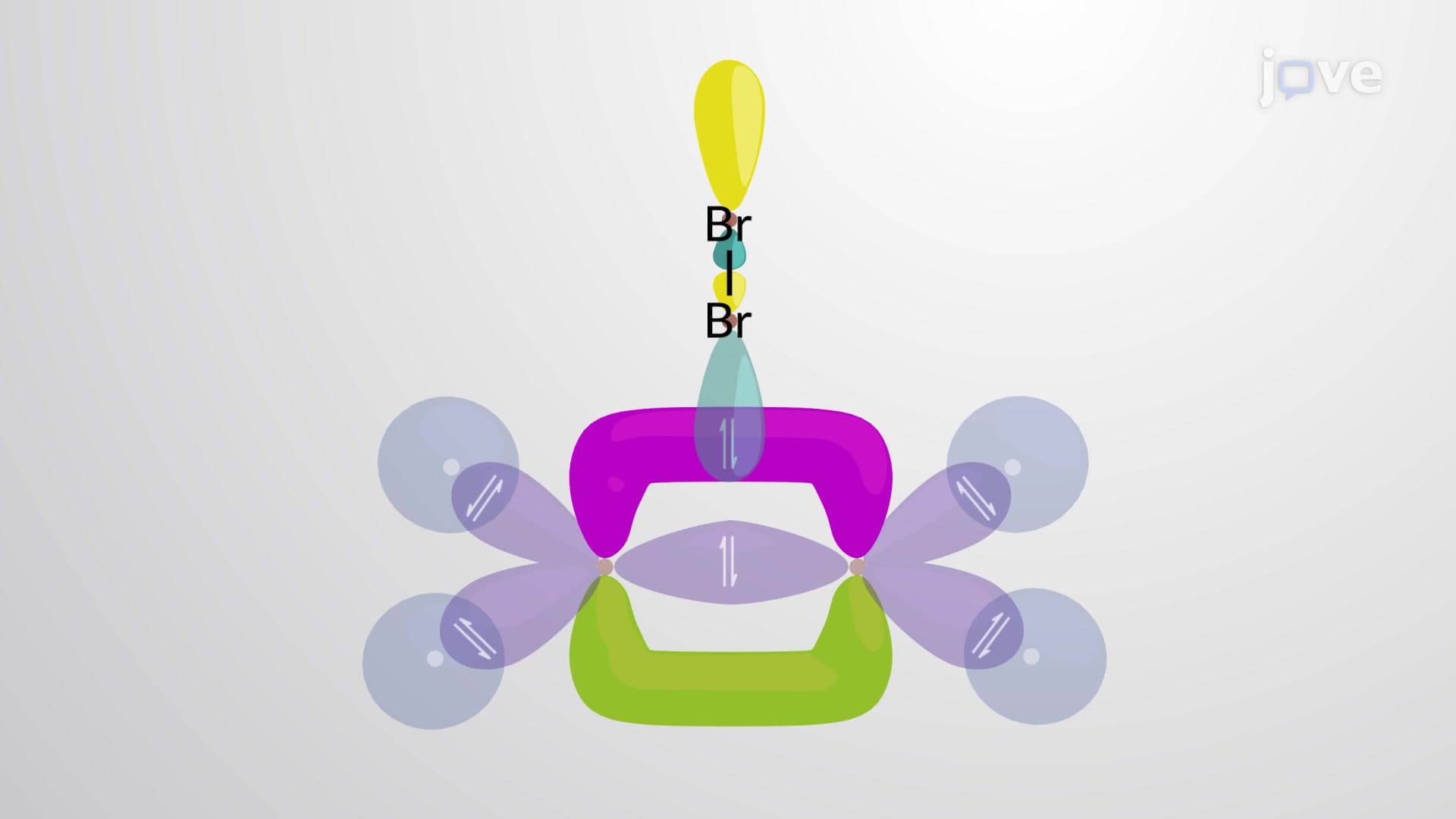
Double bonds in alkenes consist of one sigma (σ) bond and one pi (π) bond. The σ bond forms through head-to-head overlap of sp2 hybrid orbitals, creating a strong, cylindrically symmetric bond along the internuclear axis. The π bond results from sideways overlap of unhybridized p orbitals, concentrating electron density above and below the molecular plane.
Interestingly, while double bonds are stronger than single bonds, they are not twice as strong. A typical C=C bond energy measures around 146 kcal/mol compared to 83 kcal/mol for C-C single bonds. The π component contributes approximately 63 kcal/mol, reflecting less effective orbital overlap compared to σ bonds. This concept frequently appears on college organic chemistry exams and MCAT questions.
Alkene physical properties stem directly from their molecular structure and bonding. The absence of strong permanent dipoles means London dispersion forces dominate intermolecular attractions. These forces increase with molecular size and surface area, creating predictable boiling point trends that students can master for exam success.
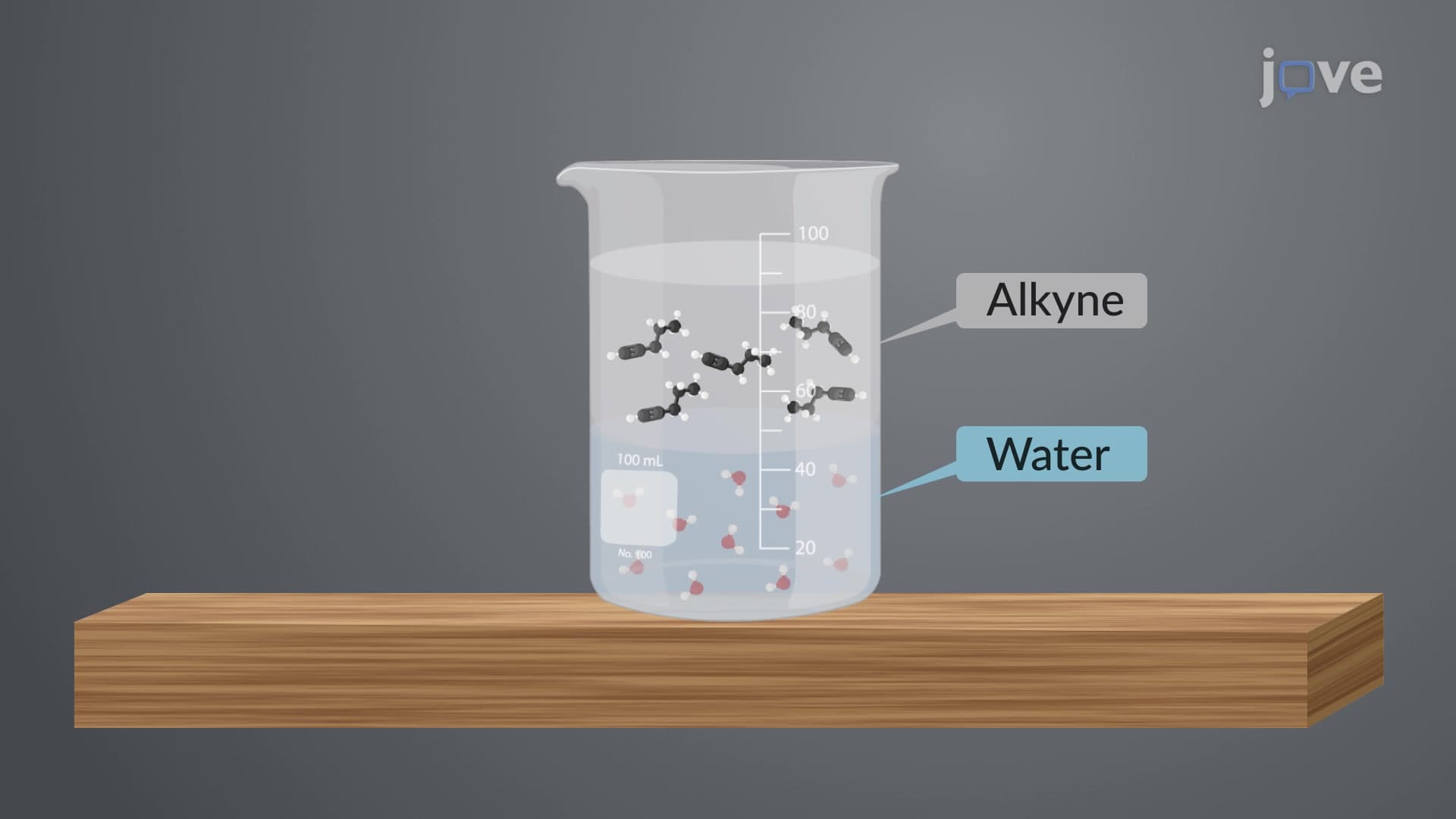
Small alkenes like ethylene and propylene exist as gases at room temperature, while larger alkenes become liquids with progressively higher boiling points. This pattern enables industrial separation techniques used by petrochemical companies like ConocoPhillips in refinery operations. The nonpolar nature of alkenes also explains their immiscibility with water and solubility in organic solvents.
Related Micro-courses