Loading subject page…


85,200 views


Video Summary: Hydroxy Ketones via Reductive Coupling Explained
Ever wonder how pharmaceutical companies create complex molecules like the hydroxy ketone backbone found in cholesterol-lowering statins? Hydroxy ketones reductive coupling offers chemists a powerful synthetic pathway through acyloin condensation reactions. This process transforms simple esters into valuable α-hydroxy ketones using metal-mediated electron transfer in aprotic solvents, with applications ranging from drug synthesis at companies like Pfizer to advanced materials research. Understanding Hydroxy Ketones Via Reductive Coupling Explained opens doors to mastering organic synthesis mechanisms essential for pre-med and chemistry majors. Watch the full video on JoVE Coach to master this concept with expert-led visuals and step-by-step explanations.
The acyloin condensation represents a cornerstone reaction in synthetic organic chemistry, enabling the formation of α-hydroxy ketones through elegant reductive coupling mechanisms. Unlike simple carbonyl reductions, this process involves the strategic coupling of two ester molecules to create carbon-carbon bonds while simultaneously introducing hydroxyl functionality. This dual transformation makes acyloin condensation invaluable for constructing complex molecular frameworks found in natural products and pharmaceuticals.
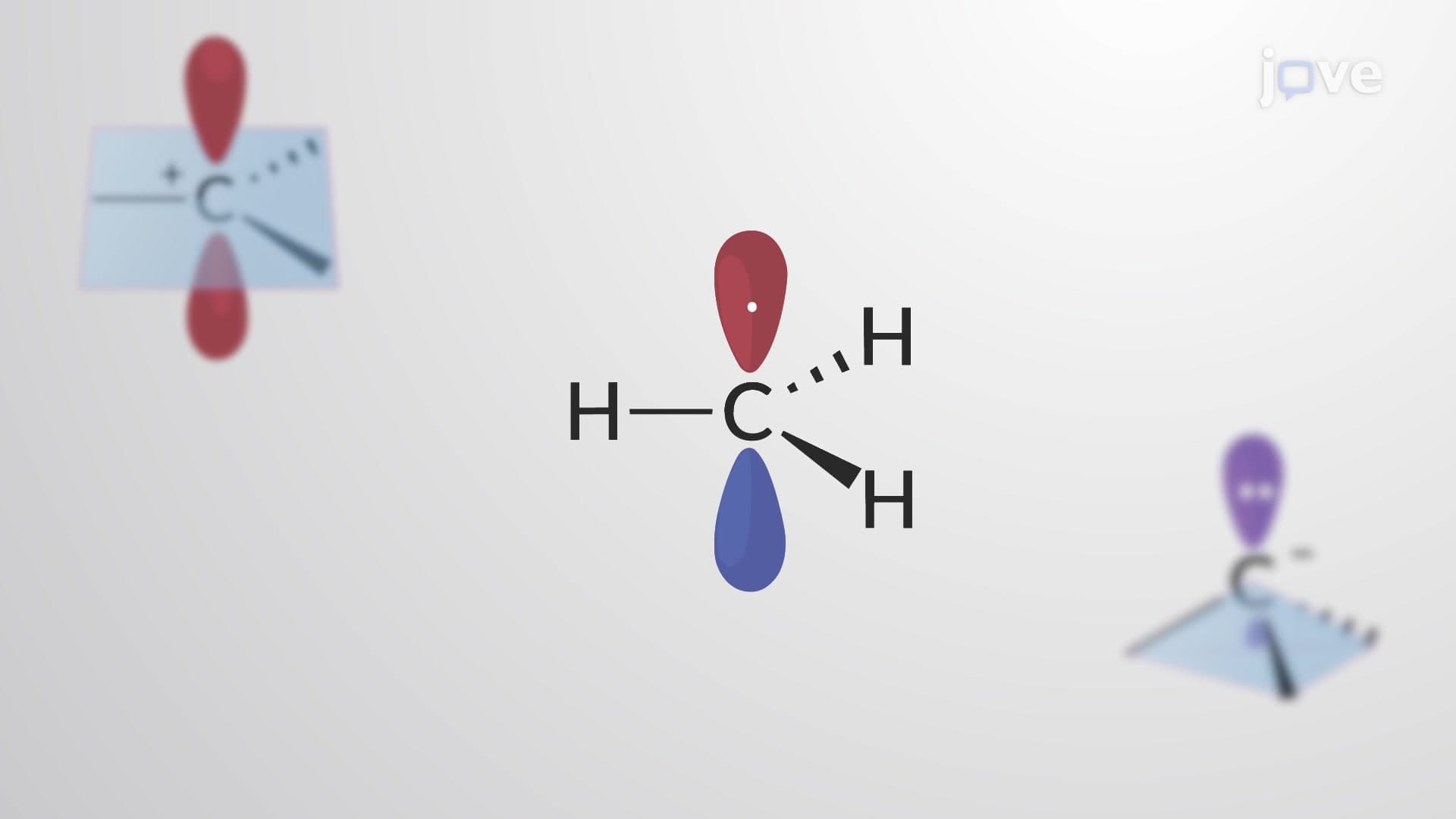
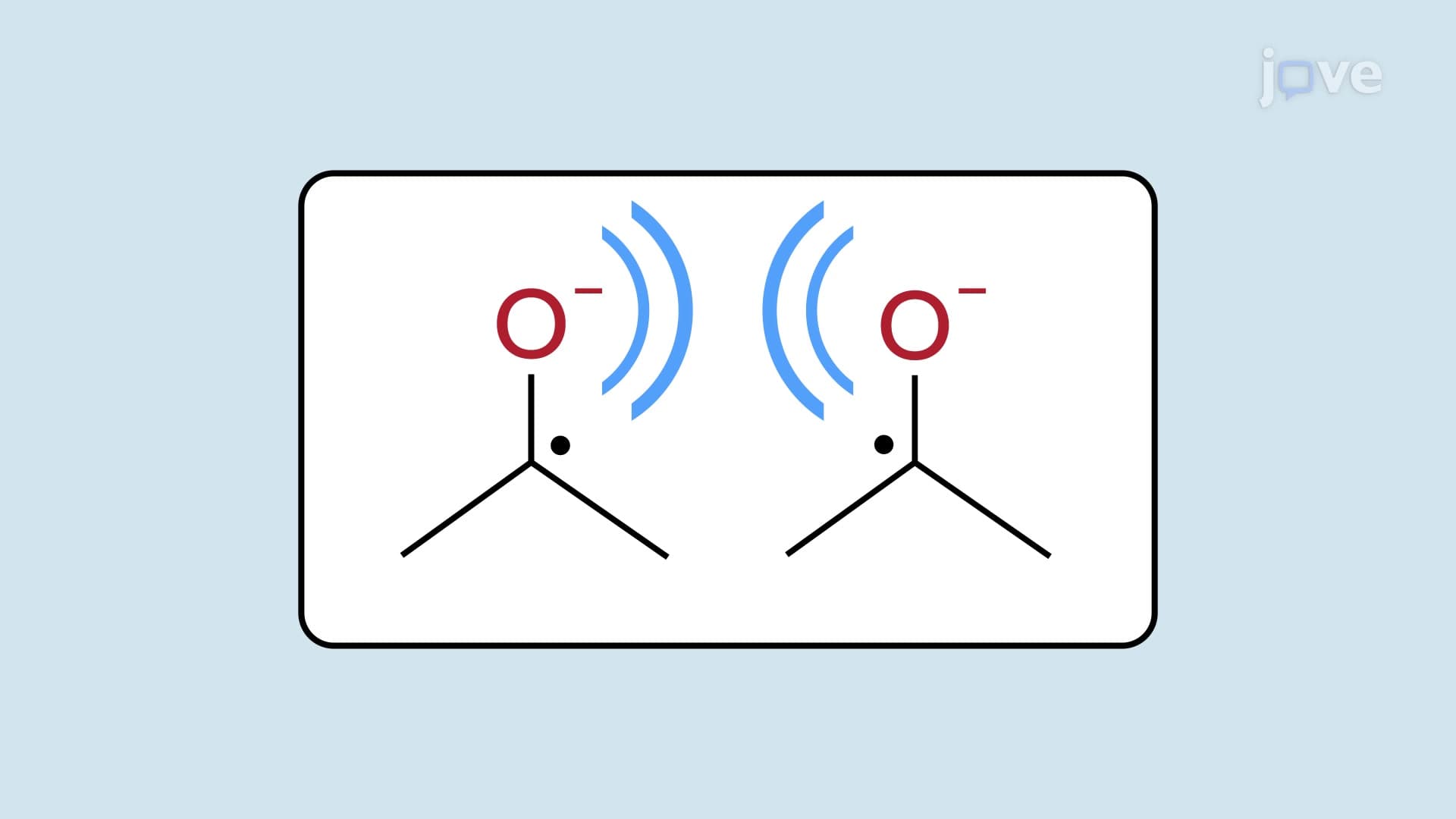
The reaction pathway begins with electron transfer from metals like sodium to ester carbonyl groups, generating highly reactive ketyl radical anions. These ketyls possess both radical and anionic character, making them exceptionally nucleophilic and prone to dimerization. The radical coupling step forms an unstable tetrahedral intermediate that rapidly collapses, eliminating alkoxide groups to yield 1,2-diketones.
The enhanced electrophilicity of 1,2-diketones compared to isolated ketones drives the subsequent two-electron reduction, forming enediolate dianions. This electronic activation occurs because adjacent carbonyl groups stabilize the reduced state through conjugation effects. For students preparing for the MCAT or advanced organic chemistry courses, understanding this electronic relationship proves crucial for predicting reactivity patterns.
The nucleophilic nature of enediolate intermediates creates significant challenges in synthetic applications. These highly basic species readily undergo side reactions with electrophiles, including proton sources and carbonyl compounds present in the reaction mixture. The introduction of trimethylsilyl chloride (TMSCl) addresses this issue through in situ silylation, converting reactive enediolates into stable bis-silyl ethers.
This protection strategy exemplifies fundamental principles taught in AP Chemistry and college organic courses: temporary masking of reactive functionalities to prevent unwanted transformations. The bis-silyl ethers remain inert under basic conditions but hydrolyze cleanly with aqueous acid, regenerating the desired α-hydroxy ketone products in high yields.
Pharmaceutical companies extensively utilize acyloin condensation for synthesizing bioactive compounds. For example, researchers at major US pharmaceutical firms employ these methods to construct steroid backbones and complex natural product analogs. The reaction's ability to create contiguous stereocenters makes it particularly valuable for accessing chiral building blocks required in asymmetric synthesis approaches.
Related Micro-courses