Loading video…


 27 Concepts
 85.2K views

Video Summary: What Is Radical Substitution Allylic Chlorination
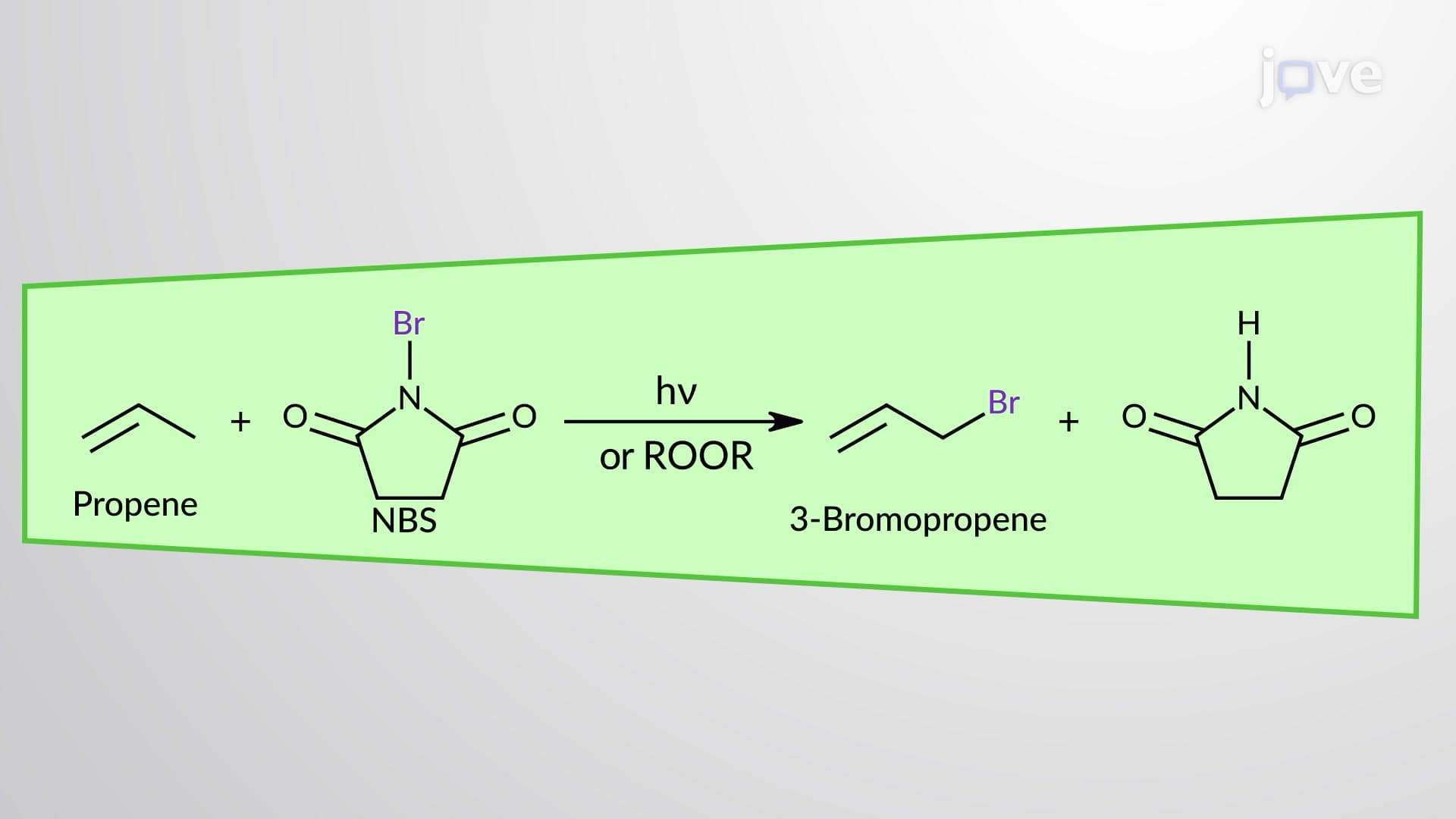
Ever wonder how chemical companies manufacture the building blocks for everyday plastics and pharmaceuticals? Radical substitution allylic chlorination selectively replaces hydrogen atoms in alkenes under high-temperature conditions, creating valuable industrial intermediates like allyl chloride used in epoxy resin production across US manufacturing facilities. Unlike typical alkene reactions that add groups across double bonds, this process substitutes hydrogen atoms adjacent to the double bond through a fascinating chain mechanism involving chlorine radicals. Watch the full video on JoVE Coach to master this concept with expert-led visuals and step-by-step explanations.
Radical substitution allylic chlorination represents a fundamental departure from typical alkene chemistry. While most students first learn that alkenes undergo electrophilic addition reactions with halogens, this specialized process demonstrates how reaction conditions dramatically alter chemical behavior. The key distinction lies in the reaction environment: low halogen concentrations and high temperatures (typically 400°C) favor radical pathways over ionic mechanisms.
This selectivity stems from thermodynamic factors that AP Chemistry and college organic chemistry students must master. The allylic C-H bond (approximately 88 kcal/mol) is significantly weaker than vinylic C-H bonds (108 kcal/mol) due to the sp³ hybridization at the allylic carbon. This 20 kcal/mol difference makes allylic hydrogen abstraction kinetically favorable, explaining why substitution occurs preferentially at these positions.
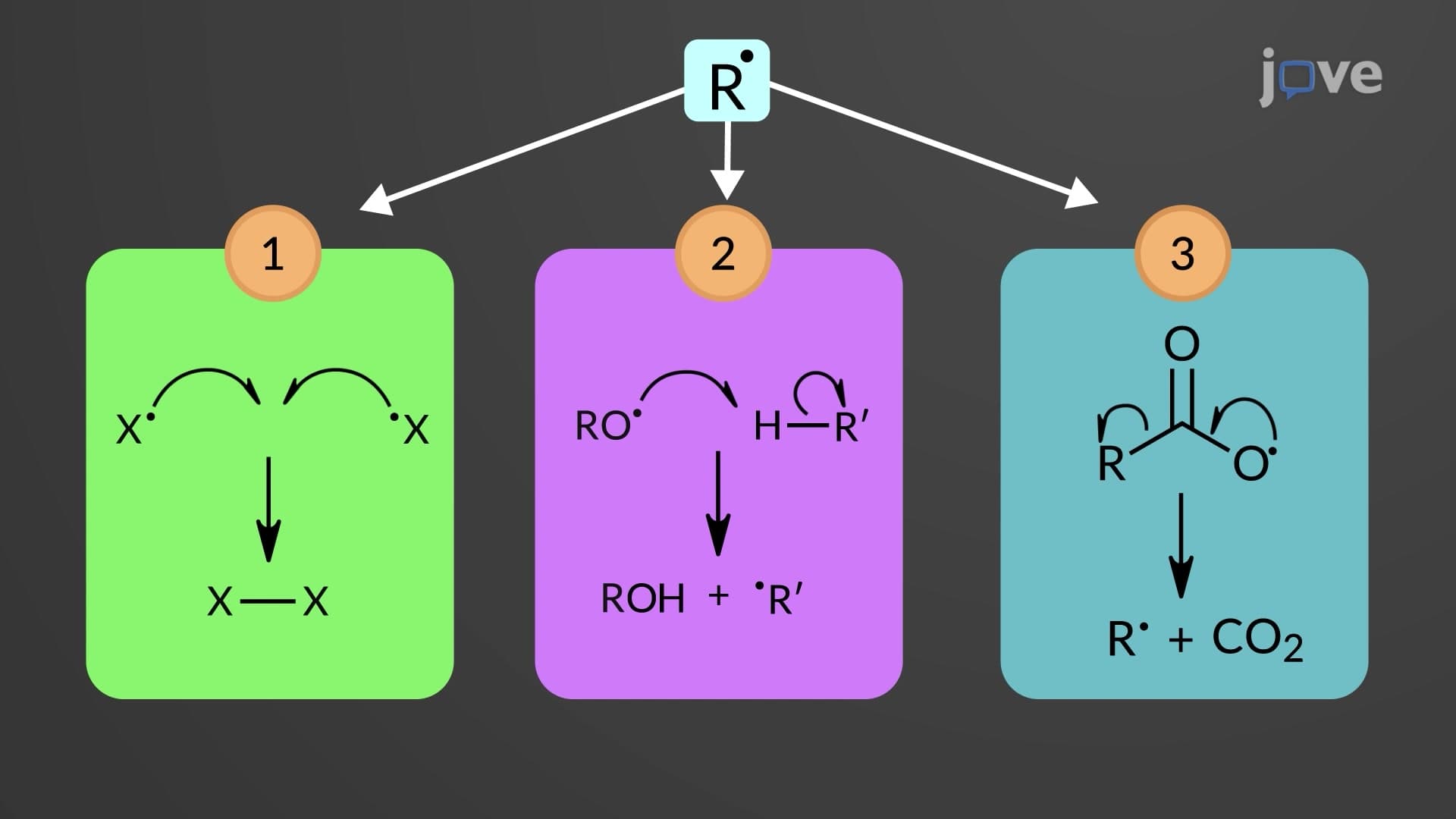
The reaction follows classical radical chain kinetics, a concept heavily tested on the MCAT and advanced placement exams. Initiation occurs when thermal energy breaks the Cl-Cl bond homolytically, generating two chlorine radicals with unpaired electrons. This step requires significant activation energy, explaining why high temperatures are essential.
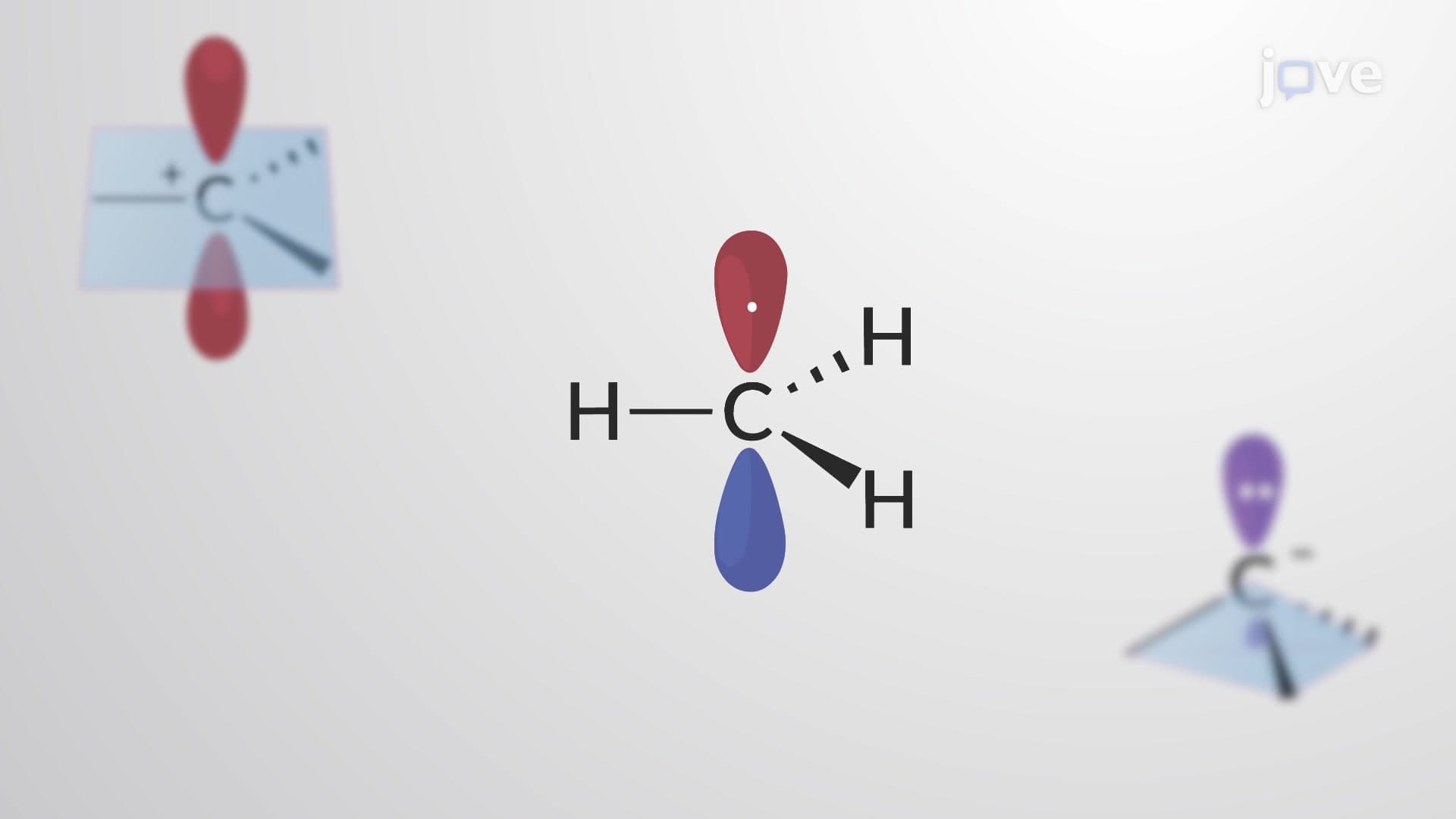
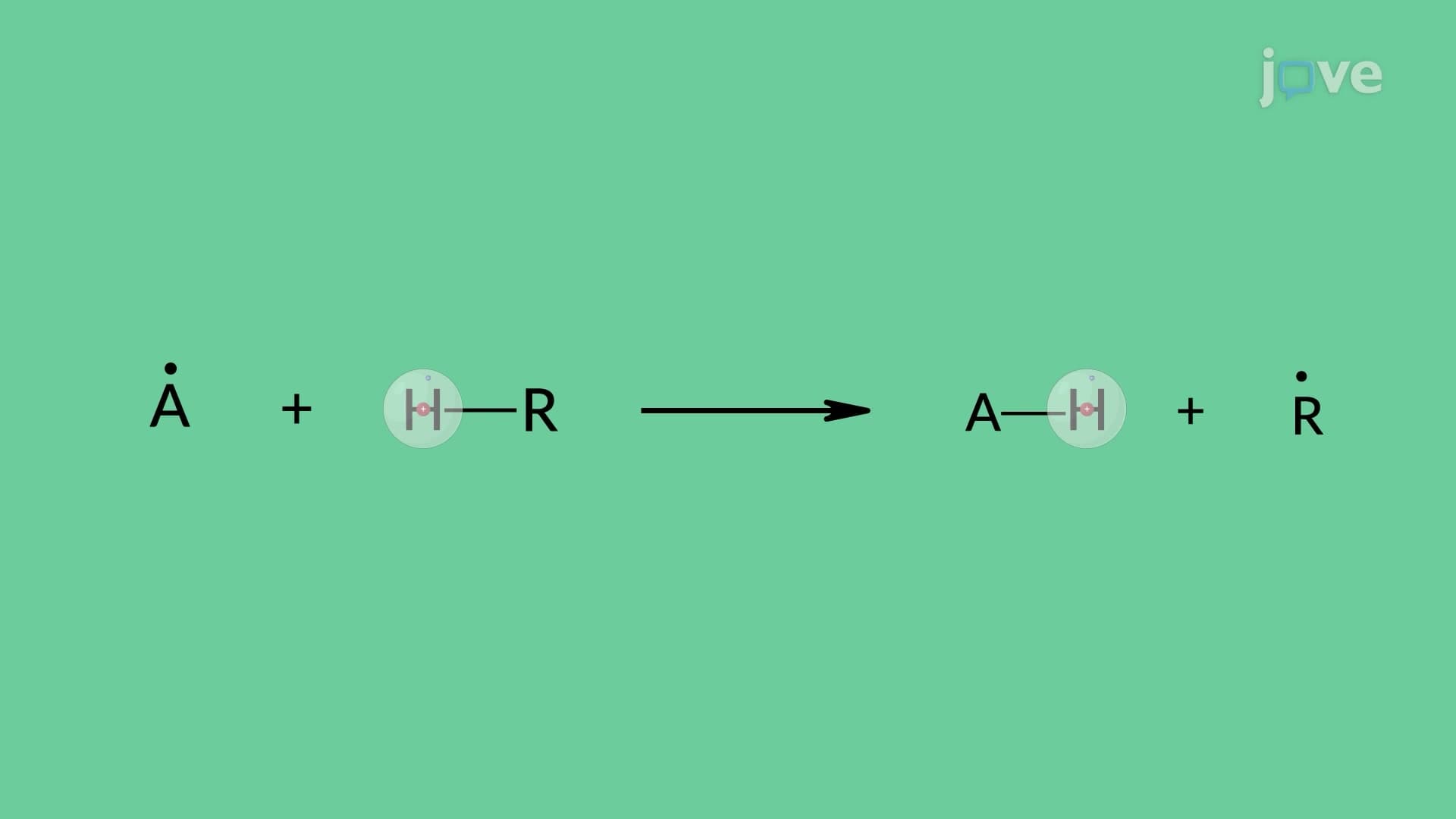
Propagation involves two crucial steps that perpetuate the reaction. First, a chlorine radical abstracts an allylic hydrogen, forming an allylic radical intermediate. This intermediate exhibits remarkable stability through resonance delocalization-the unpaired electron can be distributed across multiple carbons. Second, the allylic radical attacks a chlorine molecule, producing allyl chloride and regenerating a chlorine radical to continue the cycle.
US chemical manufacturers extensively utilize allylic chlorination to produce allyl chloride, a critical feedstock for epoxy resins, glycerol, and various pharmaceuticals. Companies like Dow Chemical and Olin Corporation operate large-scale allylic chlorination facilities, demonstrating the process's commercial importance. The reaction's selectivity makes it invaluable for introducing functional groups at specific positions without affecting the alkene functionality.
Students preparing for standardized exams should focus on predicting regioselectivity when multiple allylic positions exist. Primary allylic radicals are generally favored over secondary due to steric factors, though secondary radicals benefit from additional hyperconjugative stabilization. Understanding these competing factors helps solve complex synthesis problems frequently encountered in organic chemistry coursework and professional school entrance exams.
Related Micro-courses