Loading video…


 25 Concepts
 147.9K views

Video Summary: Oxidation of Phenols to Quinones Explained
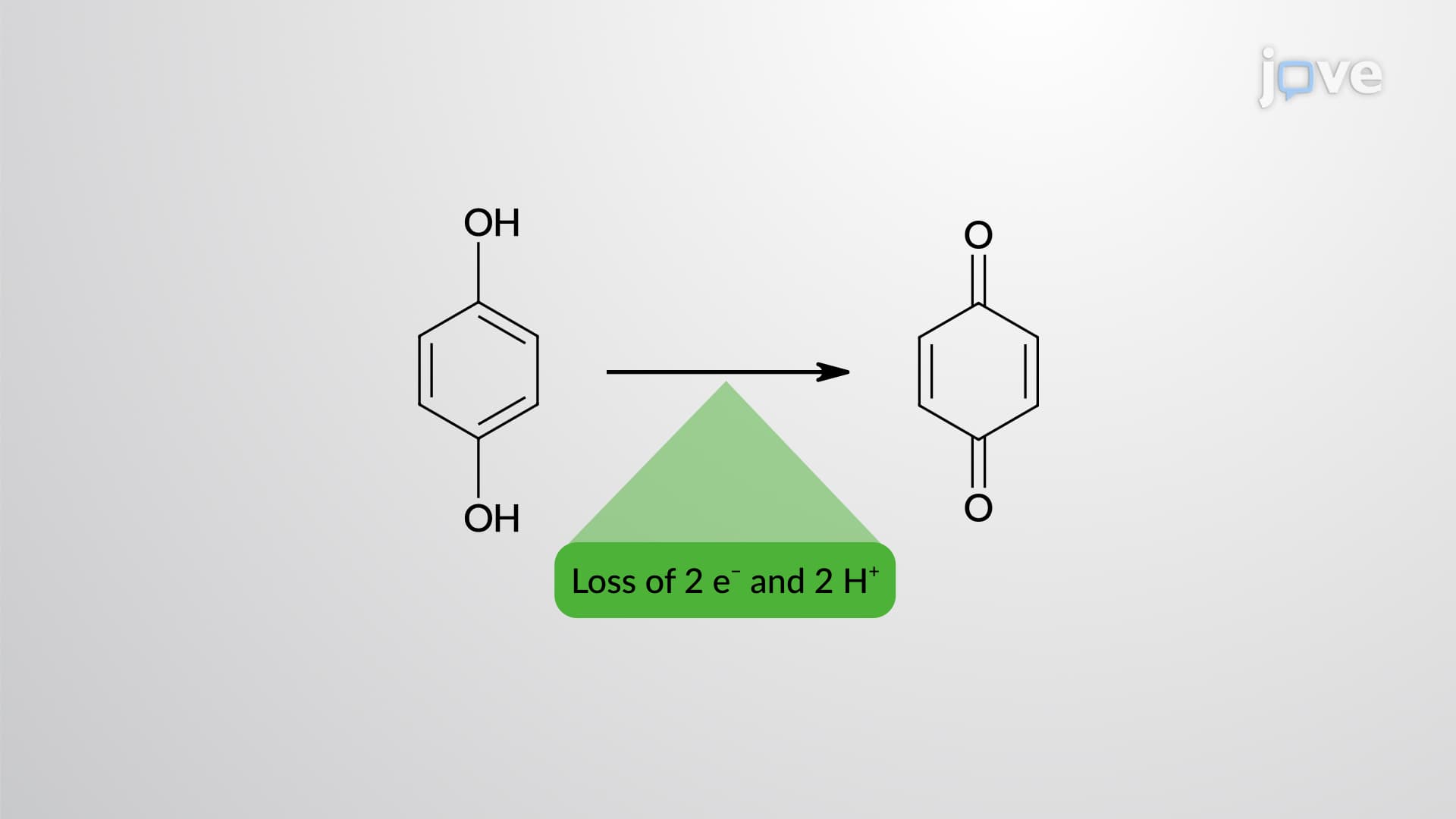
Ever wondered how vitamin K helps your blood clot, or how batteries generate electricity? The oxidation phenols quinones process powers these essential functions through a fascinating electron transfer mechanism. Unlike regular alcohols, phenols undergo a unique two-electron oxidation pathway that transforms compounds like hydroquinone into p-quinone-the same reaction that occurs in your mitochondria during cellular respiration. Watch the full video on JoVE Coach to master this concept with expert-led visuals and step-by-step explanations.
The oxidation of phenols to quinones represents one of organic chemistry's most important redox transformations. Unlike primary and secondary alcohols that require adjacent hydrogen atoms for oxidation, phenols undergo a completely different mechanism. The electron-rich hydroxyl group (-OH) attached to the benzene ring creates a system primed for electron loss, making phenols surprisingly easy to oxidize despite lacking the typical α-hydrogens found in alcohols.
The transformation begins with hydroquinone (1,4-benzenediol) losing its first electron to form a radical cation intermediate. This process occurs readily because the benzene ring can stabilize the positive charge through resonance. Water molecules in solution act as proton acceptors, removing H+ from the radical cation to generate the crucial semiquinone radical intermediate.
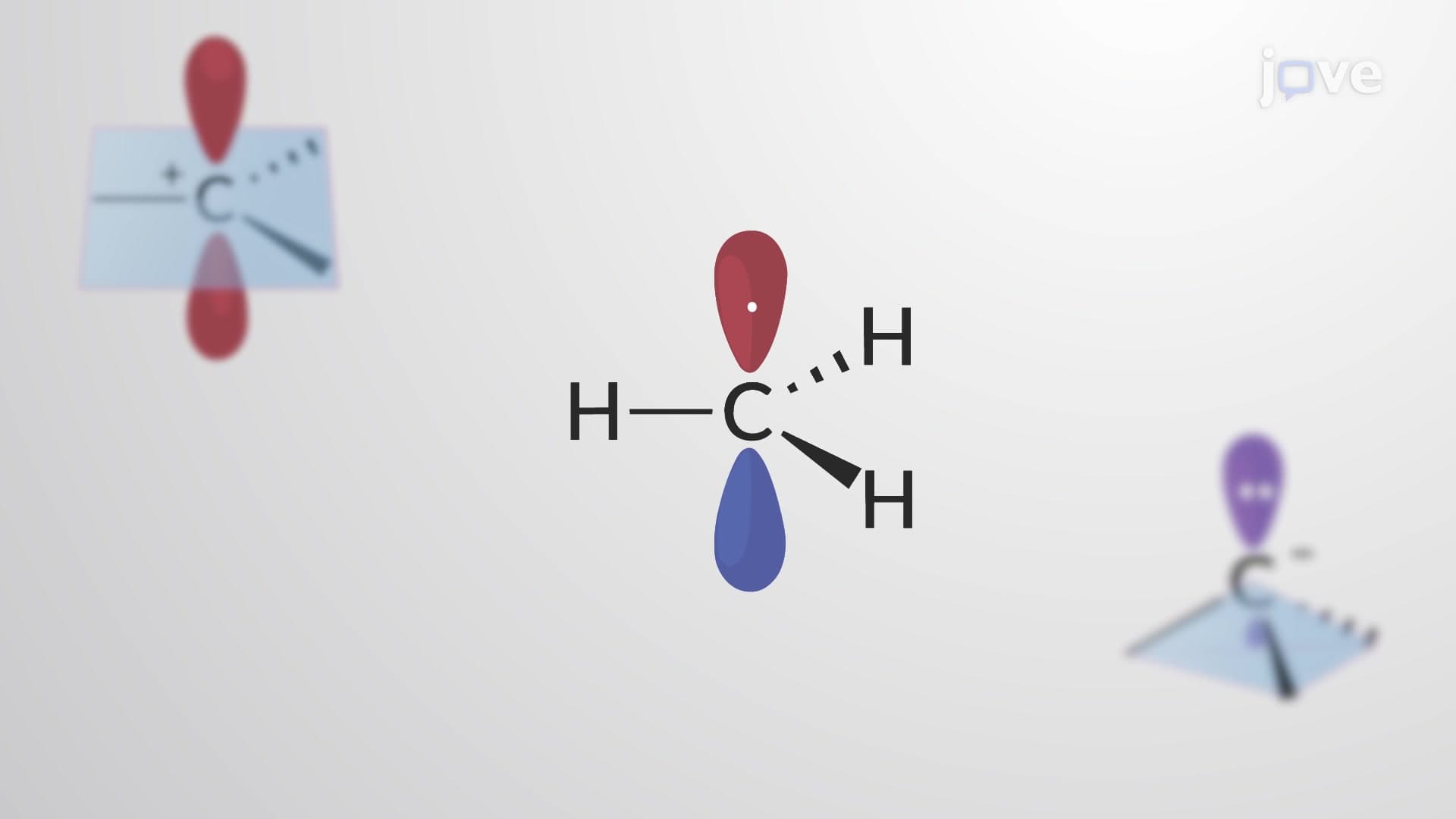
This semiquinone species exhibits remarkable stability due to extensive resonance delocalization across the aromatic system. The unpaired electron can move between the oxygen atom and various carbon positions on the ring, spreading out the radical character and lowering the overall energy of the molecule.
The second electron loss transforms the semiquinone radical into a protonated quinone intermediate. Again, water serves as the proton acceptor, removing the remaining acidic hydrogen to yield the final p-quinone product. This two-step, two-electron process (often abbreviated as 2e⁻/2H+) is fundamental to understanding quinone chemistry.
Students preparing for the MCAT or AP Chemistry exam should note that this mechanism exemplifies how aromatic systems can stabilize unusual intermediates through resonance. The pattern appears frequently in biochemistry contexts, particularly when discussing electron transport chains and vitamin functions.
Quinones play critical roles in American pharmaceutical manufacturing and biotechnology. Coenzyme Q10, used in heart disease treatment, undergoes the same quinone-hydroquinone cycling that powers mitochondrial ATP synthesis. The FDA-approved blood thinner warfarin works by interfering with vitamin K quinone recycling, preventing proper blood clotting protein synthesis.
In the electronics industry, quinone-based compounds serve as key components in lithium-ion batteries and organic photovoltaics. Major US companies like Tesla and Apple rely on quinone chemistry for energy storage solutions, making this topic increasingly relevant for students pursuing engineering or materials science careers.
Related Micro-courses