Loading video…


 40 Concepts
 156.8K views


Video Summary: What Is Aldol Condensation
Ever wonder how pharmaceutical companies create complex drug molecules from simple starting materials? Aldol condensation is a fundamental organic reaction that forms carbon-carbon bonds, enabling chemists at companies like Pfizer to synthesize life-saving medications. This powerful reaction combines aldehydes or ketones with compounds containing active methylene groups, creating longer carbon chains essential for drug development. What is aldol condensation's role in creating these molecular building blocks? Watch the full video on JoVE Coach to master this concept with expert-led visuals and step-by-step explanations.
Aldol condensation represents one of the most important carbon-carbon bond forming reactions in organic chemistry. This reaction enables chemists to build complex molecular frameworks from simpler precursors, making it indispensable in pharmaceutical manufacturing, materials science, and academic research. Students preparing for AP Chemistry, college organic chemistry courses, or the MCAT will encounter this reaction as a cornerstone concept.
The aldol condensation definition explained centers on the combination of carbonyl compounds (aldehydes or ketones) with active methylene compounds. Active methylene groups contain hydrogens positioned between electron-withdrawing substituents, such as ester groups in diesters. These electron-withdrawing groups dramatically increase the acidity of the methylene hydrogens, making them readily removable by weak bases.
Secondary amine bases serve as ideal catalysts because they're strong enough to deprotonate acidic methylene groups but avoid competing side reactions. Unlike stronger bases that might deprotonate the carbonyl substrate, secondary amines follow a unique pathway involving nucleophilic attack on the carbonyl carbon, forming hemiaminal intermediates that subsequently convert to reactive iminium ions.
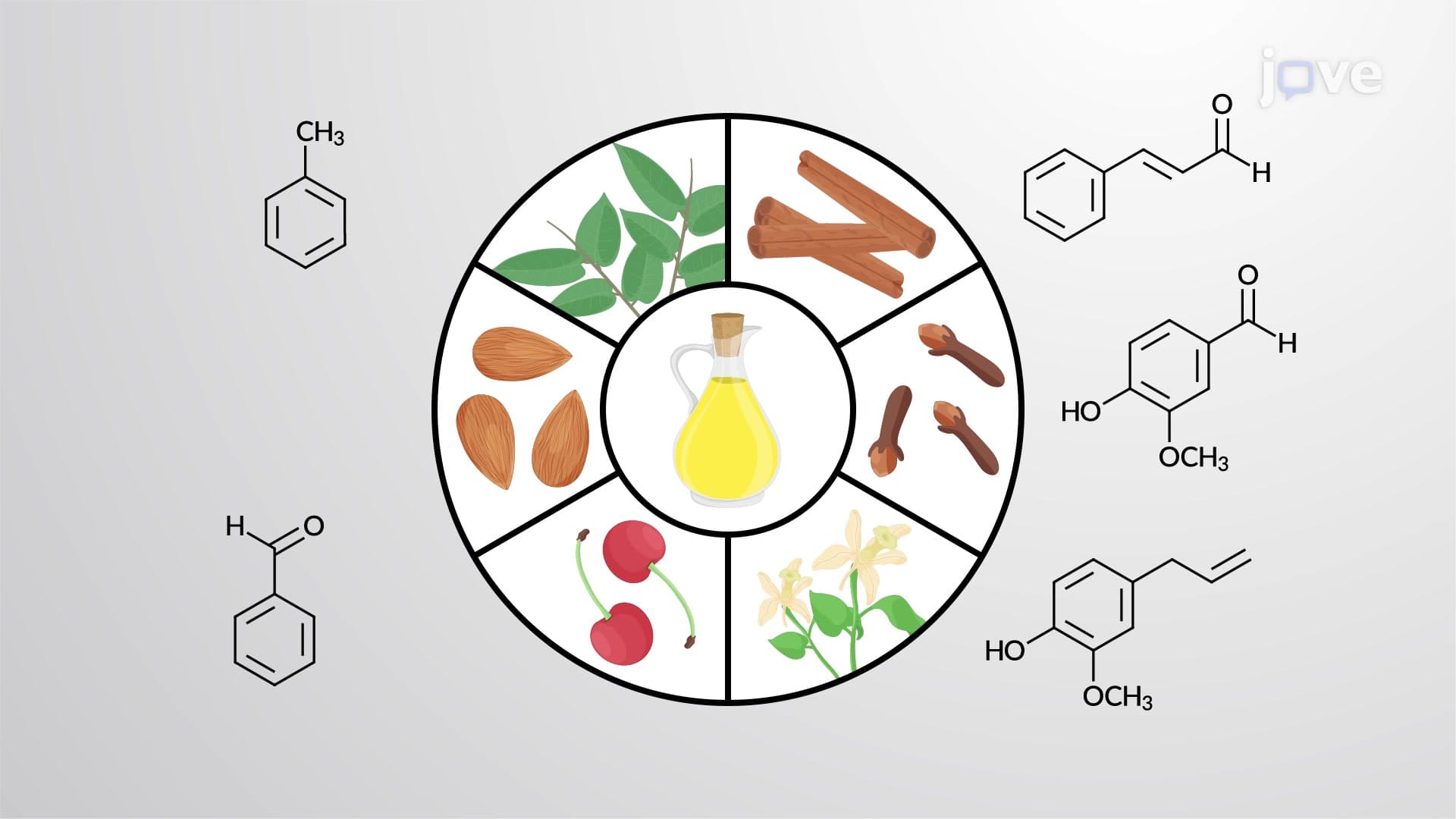
Major US pharmaceutical companies like Johnson & Johnson and Merck routinely employ aldol condensation reactions in their manufacturing processes. For example, the synthesis of cholesterol-lowering statins involves multiple aldol condensation steps to construct the complex steroid backbone. Similarly, flavor and fragrance companies in New Jersey use these reactions to create aromatic compounds found in consumer products.
Students taking the MCAT will find aldol condensation questions in the Chemical and Physical Foundations section, particularly when combined with stereochemistry concepts. AP Chemistry students should focus on mechanism details, while college organic chemistry courses emphasize synthetic applications and product prediction. Understanding resonance stabilization and elimination mechanisms proves crucial for success on college midterms and final examinations.
Related Micro-courses