Loading subject page…


17,421 views


Video Summary: What are Antidotes
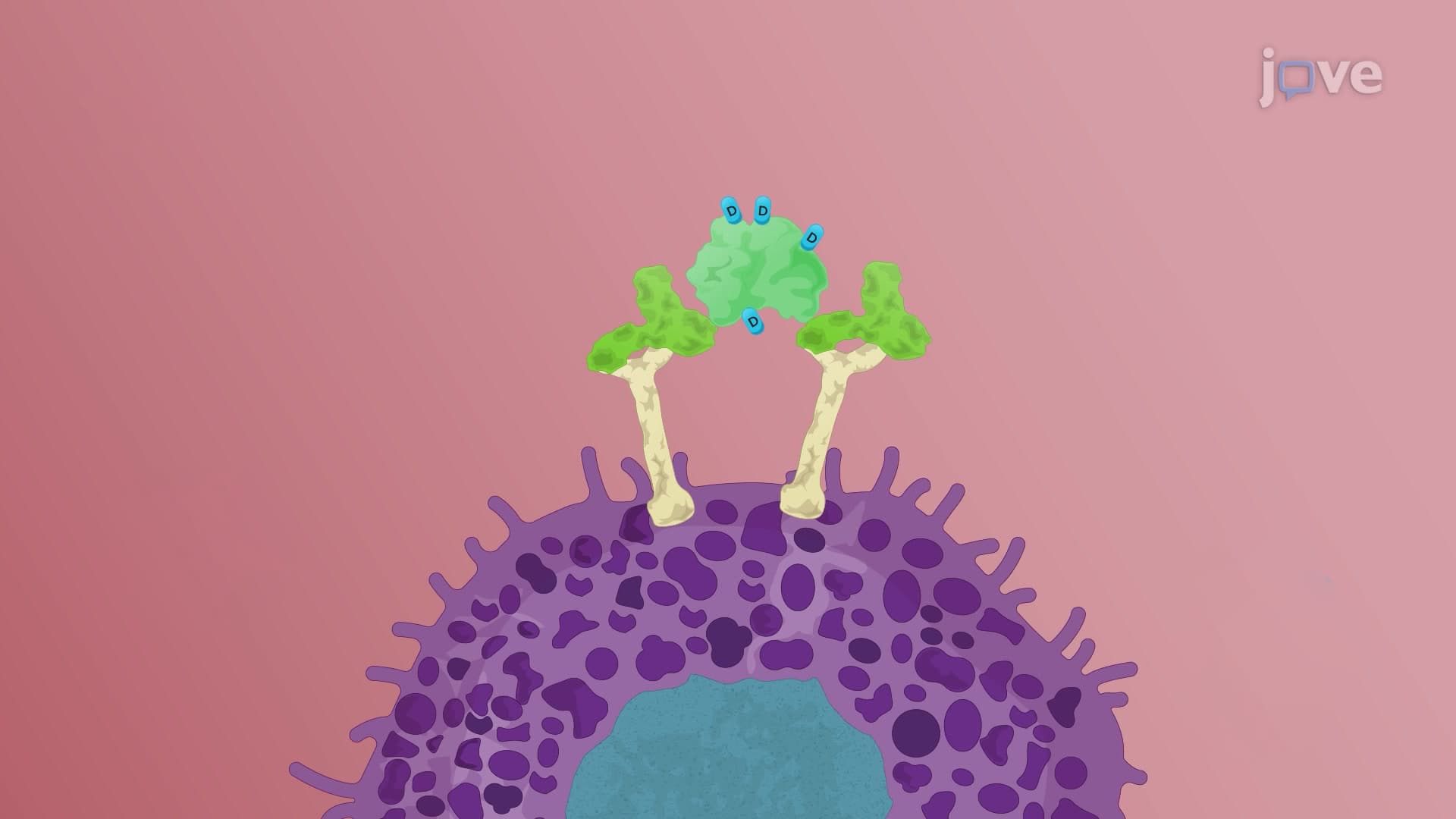
When someone accidentally ingests household bleach or gets bitten by a venomous snake, antidotes can literally mean the difference between life and death. Antidotes are specialized therapeutic agents that counteract the toxic effects of poisons, drugs, or harmful substances in the body. From activated charcoal used in emergency rooms across the United States to neutralize drug overdoses, to specific antivenoms for rattlesnake bites, these life-saving compounds work through various mechanisms to restore normal body function. Watch the full video on JoVE Coach to master this concept with expert-led visuals and step-by-step explanations.
Antidotes represent one of medicine's most critical intervention tools, serving as therapeutic agents specifically designed to counteract the harmful effects of toxins, poisons, or drug overdoses. Unlike general supportive care, antidotes work through targeted mechanisms that directly address the underlying cause of toxicity. This specificity makes them invaluable in emergency medicine, where rapid intervention can prevent permanent organ damage or death.
The concept of antidotes extends far beyond simple "poison remedies." Modern antidotal therapy encompasses sophisticated biochemical interventions that can restore normal physiological function even after severe toxic exposure. For students preparing for the MCAT or advanced placement biology exams, understanding antidote mechanisms provides crucial insight into pharmacodynamics and toxicology principles that frequently appear on standardized tests.
Antidotes achieve their therapeutic effects through several distinct mechanisms, each tailored to specific types of poisoning. Competitive antagonism represents one of the most clinically important mechanisms, exemplified by atropine's use in organophosphate poisoning. When agricultural workers or military personnel are exposed to nerve agents or pesticides, these compounds inhibit acetylcholinesterase, leading to dangerous accumulation of acetylcholine. Atropine works by occupying muscarinic receptors, preventing excess acetylcholine from binding and causing potentially fatal symptoms like respiratory paralysis.
Enzyme reactivation offers another powerful antidotal approach, particularly relevant in treating organophosphate poisoning. Pralidoxime, commonly stocked in U.S. emergency departments, can actually reactivate acetylcholinesterase that has been inhibited by organophosphates, restoring normal nerve function. This mechanism demonstrates how antidotes can reverse toxic effects rather than simply blocking them.
Some of the most elegant antidotal mechanisms involve converting toxic substances into less harmful compounds. Sodium thiosulfate exemplifies this approach in cyanide poisoning cases, which occasionally occur in industrial accidents or house fires. The antidote accelerates the conversion of deadly cyanide into thiocyanate, a compound that can be safely eliminated through the kidneys. This metabolic conversion dramatically reduces the toxic burden while allowing natural elimination processes to clear the poison.
Chelation therapy represents another sophisticated antidotal strategy, particularly valuable in treating heavy metal poisoning. When children accidentally ingest lead paint chips or when industrial workers are exposed to mercury, chelating agents like dimercaprol or EDTA can bind these metals, forming stable complexes that are readily excreted in urine. U.S. poison control centers frequently coordinate chelation therapy for such exposures, making this a clinically relevant topic for students entering healthcare fields.
Understanding antidotes proves essential for students pursuing careers in medicine, nursing, or pharmacy, as these concepts regularly appear on professional examinations including the MCAT, NCLEX, and USMLE. Emergency medicine scenarios involving antidotal therapy are common case study questions, requiring students to identify appropriate treatments based on toxic mechanisms. Additionally, many college-level pharmacology and toxicology courses emphasize antidote selection as a practical application of biochemical principles, making this knowledge valuable for academic success beyond standardized testing.
Related Micro-courses