Loading video…


 11 Concepts
 17.4K views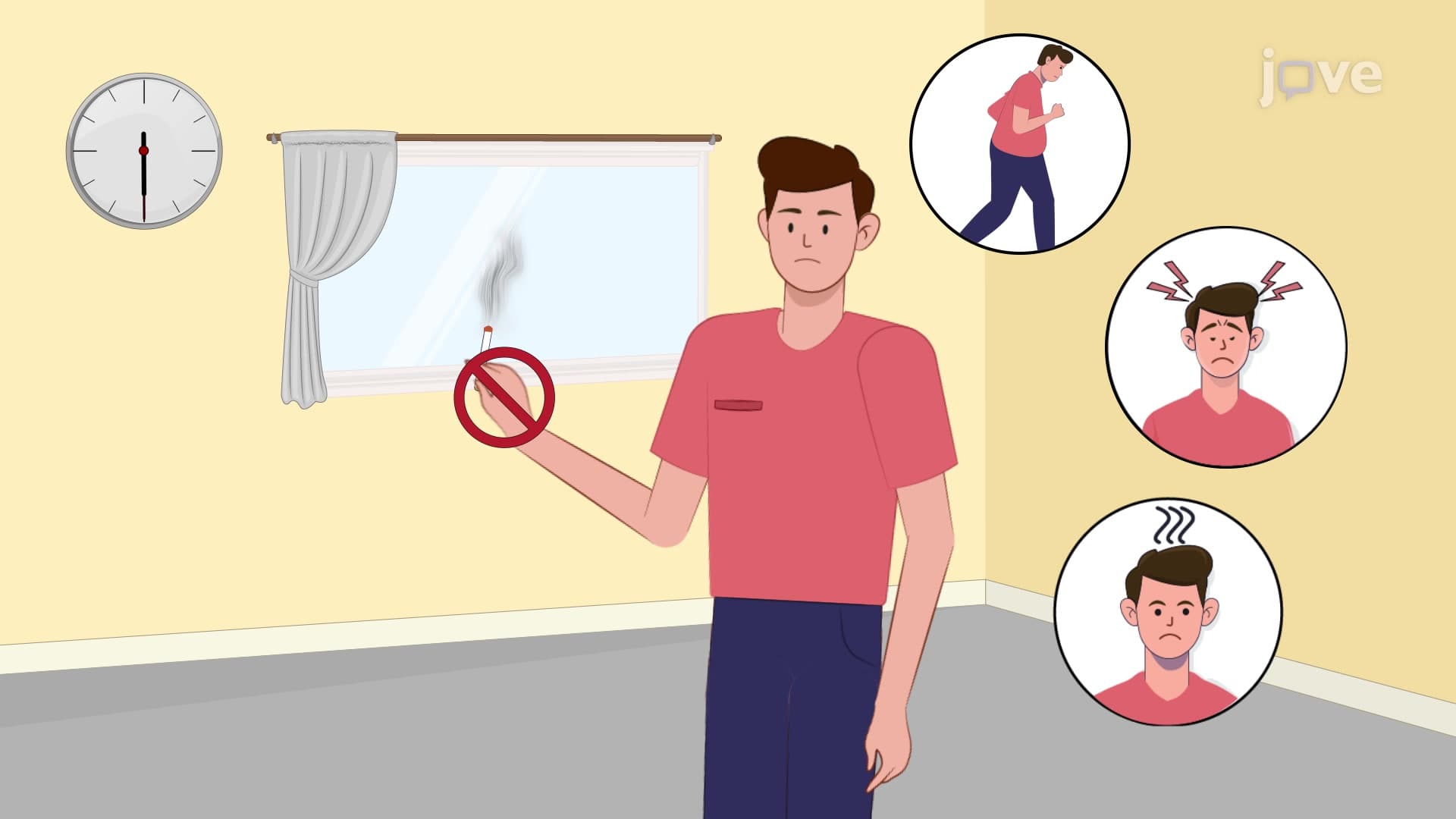

Video Summary: What Is Drug Dependence
Drug dependence affects millions of Americans, with nearly 21 million people struggling with substance use disorders according to the National Survey on Drug Use and Health. Understanding what is drug dependence reveals how certain medications and substances can create both psychological cravings and physical withdrawal symptoms that disrupt the body's natural balance. Consider prescription opioids initially prescribed for pain management after surgery-patients may develop dependence even when following medical directions. Watch the full video on JoVE Coach to master this concept with expert-led visuals and step-by-step explanations.
What is drug dependence represents a fundamental shift from controlled, therapeutic drug use to a state characterized by compulsive and persistent consumption despite potential harm. Unlike simple drug use, dependence involves both behavioral changes and physiological adaptations that make discontinuation extremely challenging. The American Psychiatric Association recognizes substance dependence as a medical condition requiring professional treatment, affecting brain chemistry and decision-making processes.
Psychological dependence centers on the brain's reward system and emotional attachment to drug effects. When substances activate dopamine pathways in the nucleus accumbens, they create pleasurable experiences that the mind seeks to repeat. This drug dependence definition explained through neuroscience shows how memories of euphoria, stress relief, or enhanced performance become powerful motivators. Students preparing for the MCAT should understand that psychological dependence can persist long after physical withdrawal ends, explaining why relapse rates remain high even after successful detoxification programs.
Physical dependence occurs when the body adapts to regular drug presence, requiring the substance to maintain normal functioning. This adaptation, called tolerance, means higher doses become necessary for the same effect. When drug use stops abruptly, withdrawal symptoms emerge as the body struggles to restore homeostatic balance. These symptoms vary by substance-alcohol withdrawal can cause dangerous seizures, while opioid withdrawal produces flu-like symptoms including nausea, muscle aches, and insomnia.
Understanding drug dependence proves crucial for healthcare professionals and appears frequently on nursing exams like NCLEX-RN. Consider prescription stimulants for ADHD-while therapeutic when properly monitored, these medications can lead to dependence if misused. The opioid crisis exemplifies how legitimate medical treatment can evolve into dependence, with patients initially prescribed medications like OxyContin for post-surgical pain developing long-term dependence. College students should recognize that even legal substances like caffeine can create mild dependence, evidenced by headaches and fatigue during abstinence periods.
Related Micro-courses