Loading video…


 11 Concepts
 17.4K views


Video Summary: What Is Enhanced Elimination of Poison
When someone overdoses on phenobarbital at a US hospital, doctors don't just wait for the body to naturally clear the drug-they use enhanced elimination poison techniques to speed up removal and save lives. Enhanced elimination of poison involves medical procedures that actively accelerate the removal of toxic substances from the body beyond normal metabolic processes. Emergency departments across America regularly employ methods like alkalinizing urine to rapidly eliminate barbiturates or using hemodialysis for methanol poisoning cases. Watch the full video on JoVE Coach to master this concept with expert-led visuals and step-by-step explanations.
Enhanced elimination of poison represents a critical intervention in emergency toxicology where healthcare providers actively accelerate the removal of toxic substances from the body. Unlike passive supportive care, these techniques directly target the poison's elimination pathway, potentially saving lives in severe overdose situations. US emergency departments implement these protocols daily, from treating acetaminophen overdoses at Johns Hopkins Hospital to managing salicylate poisoning at Mayo Clinic emergency rooms.
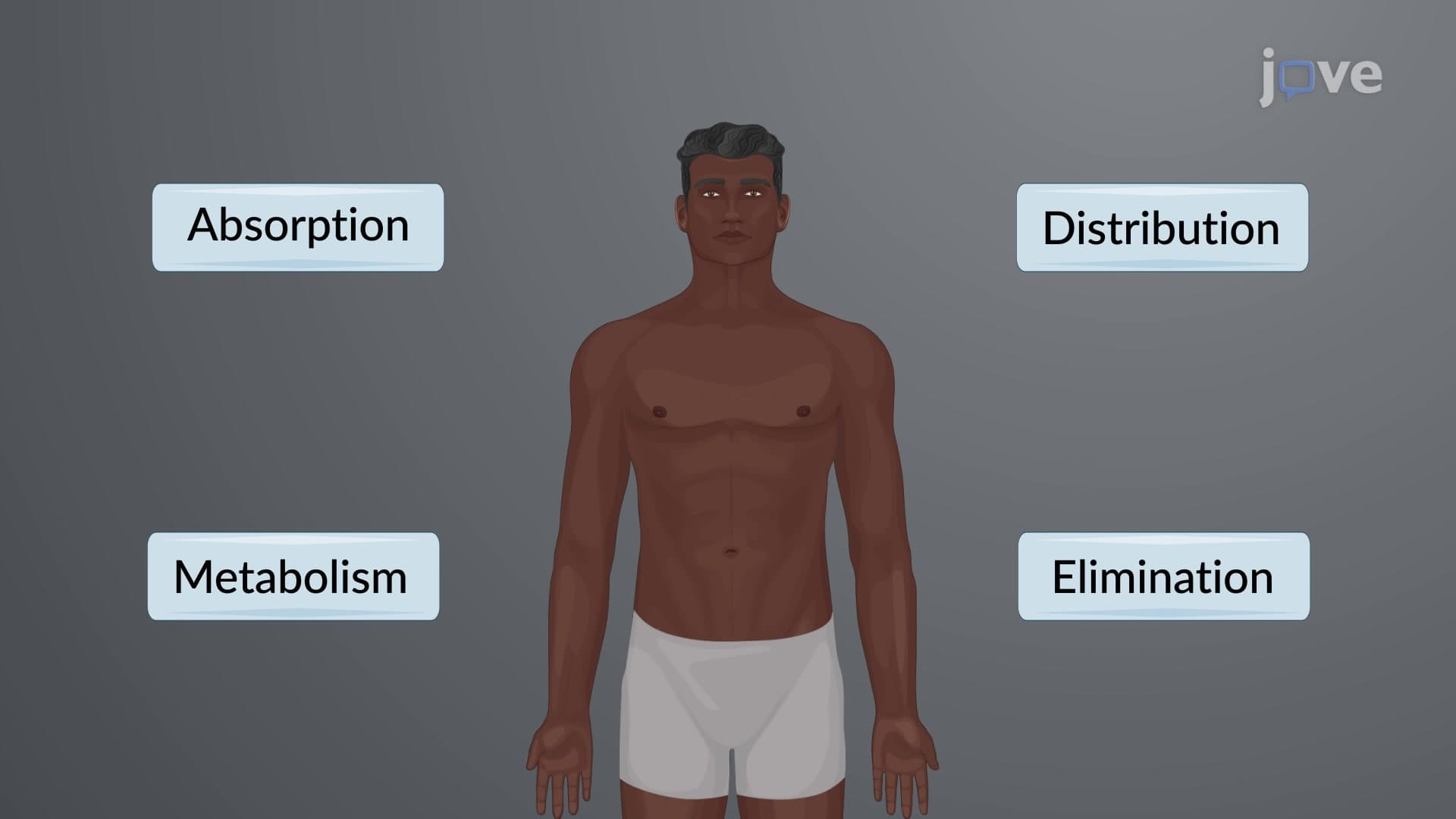
The enhanced elimination overview encompasses four distinct categories: gastrointestinal decontamination, antidotal therapy, renal elimination enhancement, and extracorporeal removal techniques. Each method targets different phases of poison absorption, distribution, or elimination, making the enhanced elimination of poison study guide essential for pre-med students preparing for the MCAT.
Gastrointestinal decontamination forms the first line of enhanced elimination, preventing further poison absorption. Activated charcoal administration within one hour of ingestion can bind toxins like tricyclic antidepressants, effectively reducing bioavailability. However, this technique proves ineffective against alcohols, metals, or corrosive substances-distinctions frequently tested on the USMLE Step 1.
Antidotal therapy represents sophisticated enhanced elimination poison techniques that either block toxic metabolite formation or provide protective cosubstrates. N-acetylcysteine for acetaminophen overdose exemplifies this approach, replenishing glutathione stores to prevent hepatic necrosis. The FDA-approved antidote works by maintaining adequate cosubstrate concentrations, preventing toxic metabolites from binding cellular macromolecules.
Renal elimination enhancement exploits the relationship between drug ionization and tubular reabsorption. Lipid-soluble, nonionized drug forms readily undergo reabsorption, prolonging elimination half-life. Conversely, ionized forms remain trapped in tubular fluid, accelerating excretion-a principle central to enhanced elimination of poison explained in toxicology courses.
Urinary alkalinization with sodium bicarbonate dramatically increases phenobarbital elimination by ionizing the weak acid in alkaline urine. US poison control centers report that alkalinization can reduce phenobarbital half-life from 4 days to 24 hours. Conversely, urinary acidification enhances amphetamine elimination by ionizing the weak base, though this technique carries greater risks and sees limited clinical use.
Hemodialysis represents the most aggressive enhanced elimination technique, directly removing toxins from circulation while correcting fluid and electrolyte imbalances. This method proves most effective for small, water-soluble molecules with low protein binding-characteristics of methanol, ethylene glycol, and salicylates. The American Society of Nephrology guidelines specify hemodialysis indications based on toxin properties and patient clinical status.
Understanding these enhanced elimination poison notes becomes crucial for healthcare students, as emergency medicine rotations frequently expose them to overdose cases. The NCLEX-RN examination regularly tests nurses' knowledge of enhanced elimination techniques, while the HESI A2 includes questions about poison management protocols used in US hospitals.
Related Micro-courses