Loading subject page…


17,421 views

Video Summary: What Is Pharmacovigilance
Did you know that life-saving medications like Vioxx were pulled from US markets after pharmacovigilance revealed hidden heart risks? Pharmacovigilance is the critical science of monitoring drug safety after FDA approval, detecting adverse effects that clinical trials missed. When thousands of patients use medications like blood thinners or antidepressants in real-world conditions, unexpected side effects emerge that affect patient safety nationwide. Watch the full video on JoVE Coach to master this concept with expert-led visuals and step-by-step explanations.
Pharmacovigilance represents one of medicine's most critical safety systems, operating as a continuous monitoring network that protects millions of Americans from unforeseen drug risks. While FDA clinical trials evaluate medications in controlled environments with limited participants, real-world usage reveals safety patterns that only emerge when diverse patient populations use drugs over extended periods.
The foundation of pharmacovigilance lies in systematic post-marketing surveillance, a comprehensive approach that monitors drug safety after FDA approval. Unlike pre-market studies involving hundreds or thousands of participants, post-marketing surveillance captures data from millions of patients across diverse demographics, medical conditions, and drug combinations. This expansion reveals rare adverse effects occurring in 1 in 10,000 or 1 in 100,000 patients-reactions impossible to detect in smaller clinical trials.
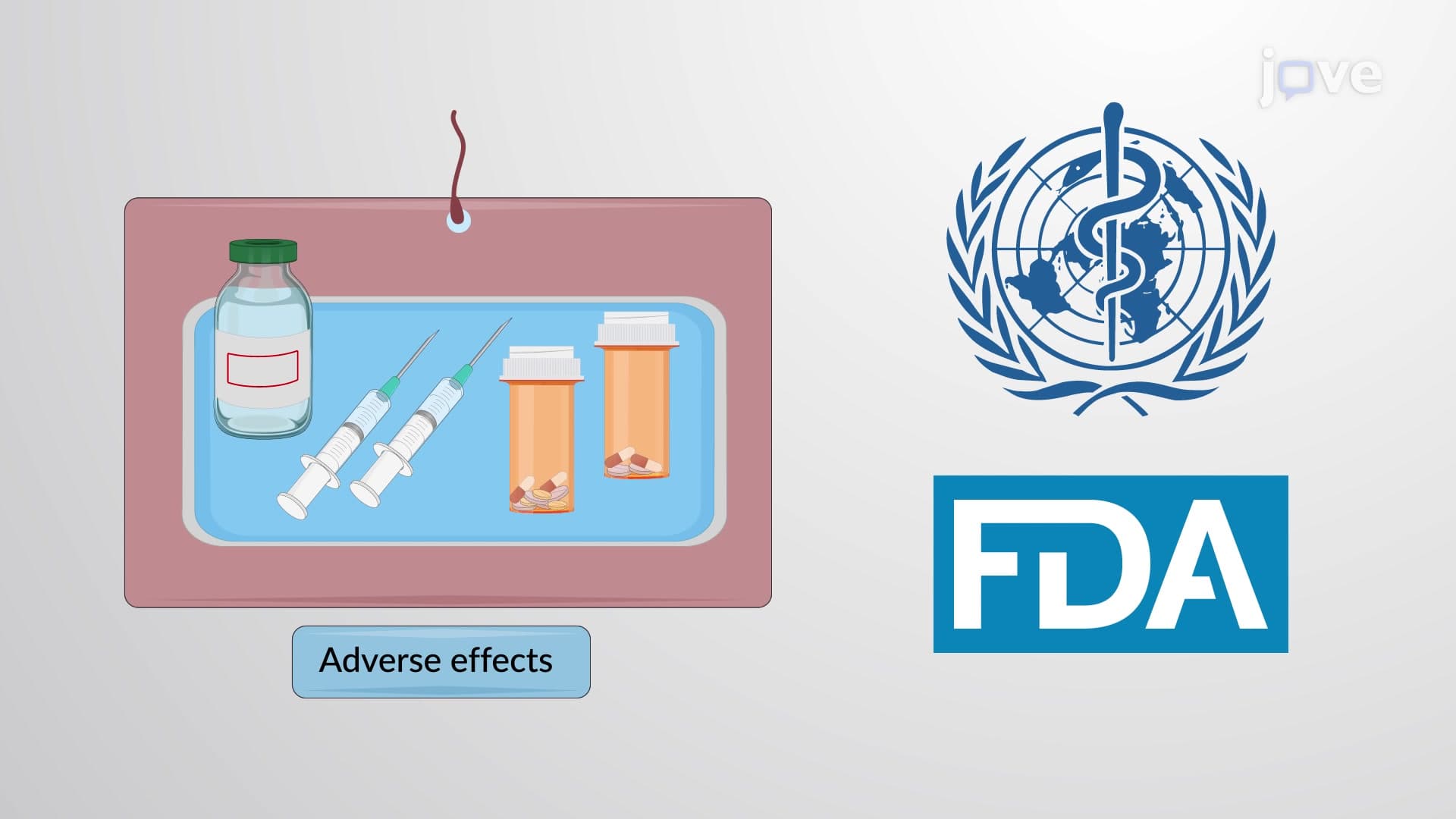
The FDA's Adverse Event Reporting System (FAERS) serves as America's primary spontaneous reporting database, collecting over one million adverse event reports annually from healthcare professionals, patients, and pharmaceutical companies. Healthcare providers submit reports either voluntarily or through legal mandates, creating a vast repository of real-world safety data that informs regulatory decisions.
Signal detection represents pharmacovigilance's analytical core, where statistical methods identify potential safety concerns from reported adverse events. When multiple reports suggest a pattern-such as increased stroke risk with certain pain medications-investigators initiate formal causality assessments to determine whether observed effects result from drug exposure or coincidental factors.
The causality assessment process evaluates four critical elements: temporal relationship (did the adverse event occur after drug administration?), pharmacological plausibility (could the drug mechanism cause this effect?), dechallenge (did symptoms improve when the drug was stopped?), and rechallenge (did symptoms return when the drug was restarted?). This systematic evaluation assigns causality grades ranging from "definite" (clear causal relationship) to "unlikely" (minimal evidence of drug involvement).
When pharmacovigilance identifies significant safety signals, regulatory bodies implement proportionate responses to protect public health. These actions range from updated prescribing information and black box warnings to complete market withdrawal. The 2004 Vioxx withdrawal exemplifies pharmacovigilance's impact-post-marketing data revealed cardiovascular risks affecting millions of users, prompting immediate removal despite the drug's pain management benefits.
For students preparing for MCAT pharmacology sections or AP Biology exams covering drug regulation, understanding pharmacovigilance demonstrates how scientific monitoring systems protect society while balancing therapeutic benefits against potential risks.
Related Micro-courses