Loading video…


 12 Concepts
 22.3K views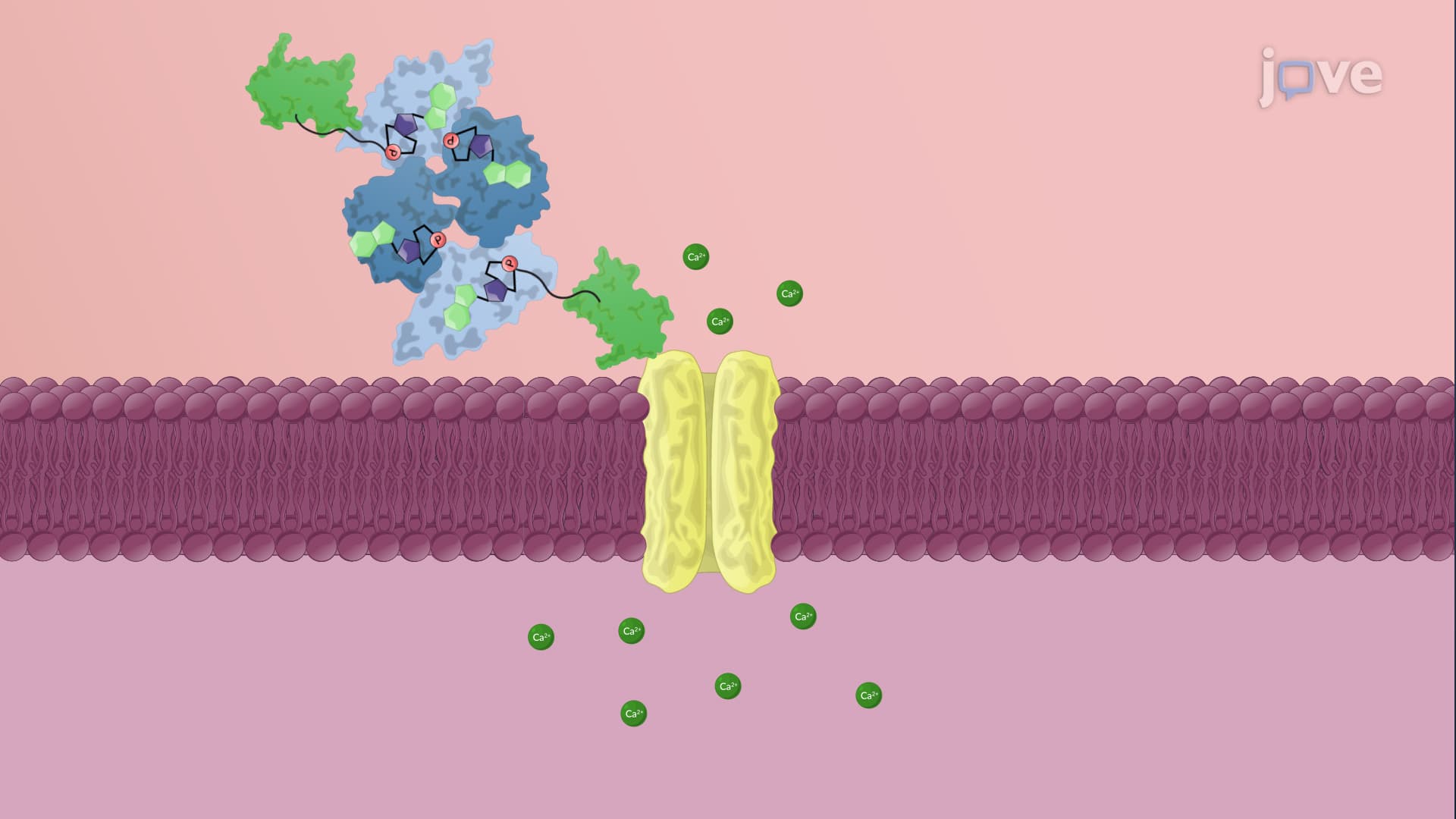

Video Summary: What Is Antihypertensive Drugs Vasodilators
Did you know that antihypertensive drugs vasodilators work by directly opening blood vessels like a key unlocking a door? These powerful medications combat high blood pressure by relaxing the smooth muscle in arteries and veins through distinct cellular mechanisms. Minoxidil and sodium nitroprusside exemplify this drug class, with minoxidil famously repurposed from blood pressure treatment to hair loss therapy in products like Rogaine. Understanding what is antihypertensive drugs vasodilators reveals how these medications target specific ion channels and signaling pathways to achieve cardiovascular benefits. Watch the full video on JoVE Coach to master this concept with expert-led visuals and step-by-step explanations.
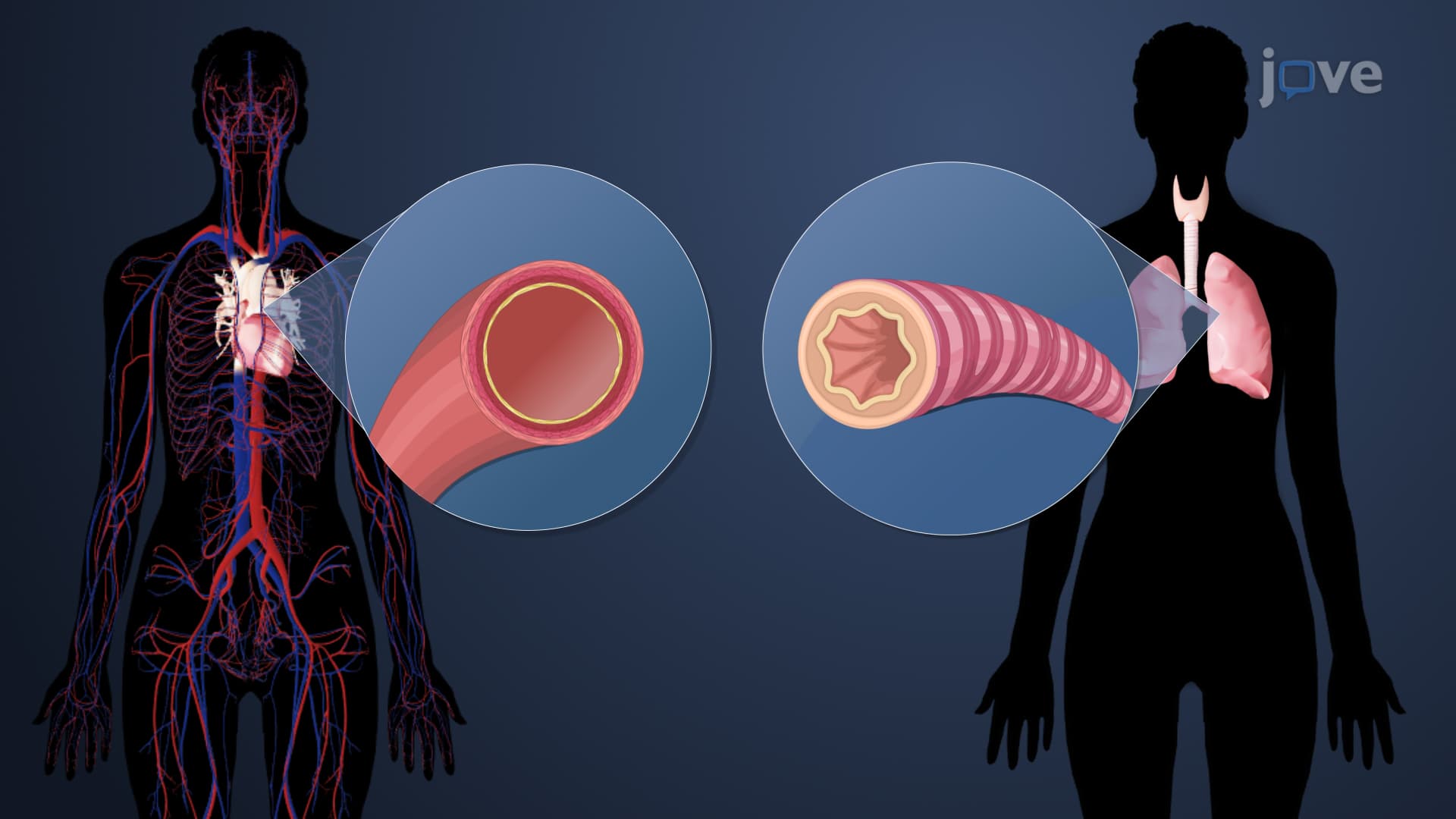
Antihypertensive drugs vasodilators represent a specialized class of cardiovascular medications that directly relax vascular smooth muscle to reduce blood pressure. Unlike other antihypertensive classes that work through the nervous system or kidney, these drugs bypass regulatory mechanisms and act directly on blood vessels themselves. This direct action makes them particularly valuable for treating hypertensive emergencies in US hospitals, where rapid blood pressure reduction is critical.
Minoxidil exemplifies how antihypertensive drugs vasodilators can have unexpected applications. Originally developed for severe hypertension, this medication's hair growth side effect led to its reformulation as Rogaine for androgenic alopecia. At the cellular level, minoxidil functions as a prodrug requiring hepatic conversion to its active sulfate metabolite. This metabolite opens ATP-sensitive potassium channels (K-ATP channels) in arterial smooth muscle cells, causing potassium efflux and membrane hyperpolarization. The hyperpolarized membrane cannot open voltage-gated calcium channels, preventing calcium influx necessary for muscle contraction. This mechanism explains why minoxidil primarily affects arteries and arterioles, making it extremely effective for reducing systemic vascular resistance.
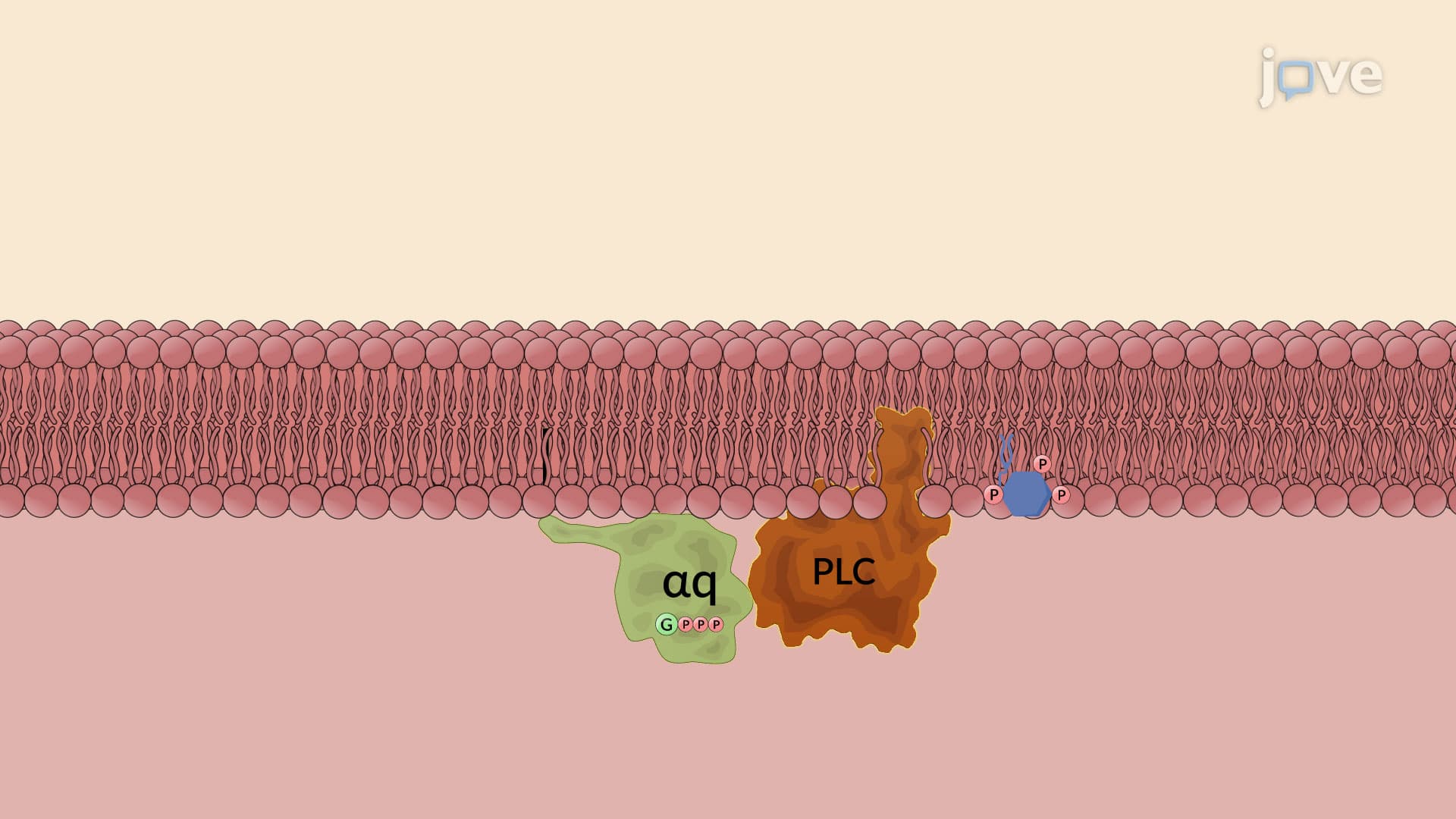
Sodium nitroprusside represents the gold standard for parenteral vasodilation in US intensive care units. This medication releases nitric oxide (NO), a crucial signaling molecule that activates soluble guanylyl cyclase in smooth muscle cells. The activated enzyme converts GTP to cyclic GMP, which then activates protein kinase G (PKG). PKG has dual effects: it prevents calcium influx and activates myosin light-chain phosphatase, which dephosphorylates myosin and prevents actin-myosin interaction. Unlike minoxidil's arterial selectivity, nitroprusside affects both arterioles and venules, providing balanced reduction in both preload and afterload.
For students preparing for the MCAT, understanding these mechanisms is crucial for pharmacology passages. AP Biology students encounter these concepts when studying cell signaling and homeostasis. The calcium regulation aspect frequently appears on college physiology exams, while nursing students preparing for NCLEX must understand both therapeutic uses and monitoring requirements. In clinical practice, these drugs require careful hemodynamic monitoring due to their potent effects, making them essential knowledge for healthcare professionals.
Related Micro-courses