Loading subject page…


22,286 views


Video Summary: What Is Cardiovascular Drugs Classification
Did you know that over 655,000 Americans die from heart disease annually, making it the leading cause of death nationwide? Understanding cardiovascular drugs classification is essential for anyone studying medicine, pharmacy, or healthcare sciences. When a patient at Cleveland Clinic receives treatment for hypertension, their physician selects from distinct drug categories based on how each medication targets specific cardiovascular problems. What is cardiovascular drugs classification reveals how these life-saving medications are systematically organized by their therapeutic mechanisms and clinical applications. Watch the full video on JoVE Coach to master this concept with expert-led visuals and step-by-step explanations.
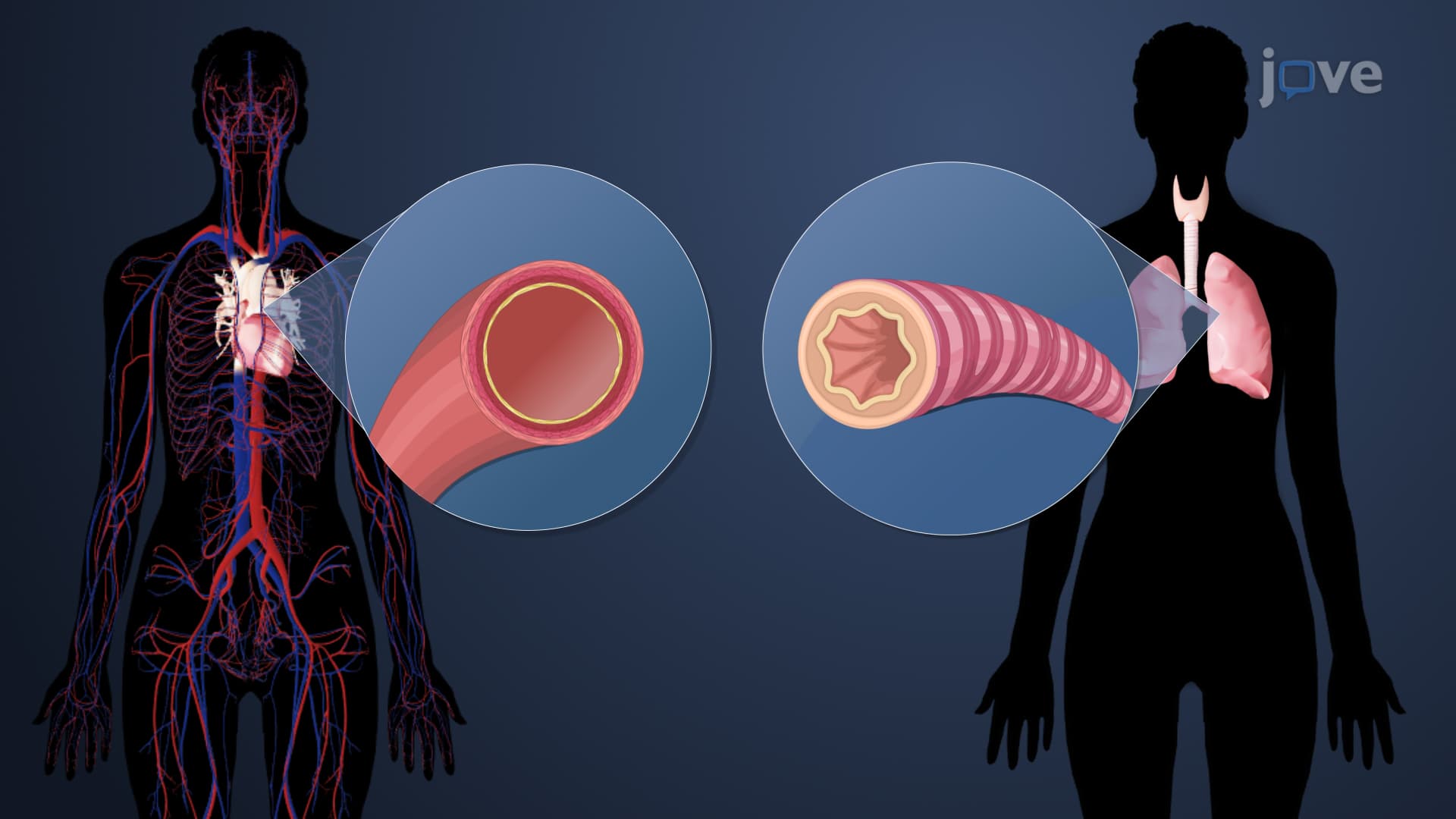
Cardiovascular drugs classification represents a systematic approach to organizing medications based on their specific therapeutic targets within the cardiovascular system. This classification system enables healthcare providers to select the most appropriate treatments for conditions ranging from hypertension affecting 45% of American adults to complex arrhythmias treated at specialized centers like the Mayo Clinic's cardiac electrophysiology department.
The foundation of this classification lies in understanding how different medications interact with specific components of the cardiovascular system. Rather than memorizing random drug names, students can master this topic by learning how each category addresses distinct pathophysiological processes. This approach proves invaluable for MCAT preparation and advanced placement biology courses covering human physiology.
Cardiovascular drug classifications directly correspond to major disease categories affecting Americans today. Antihypertensive medications form one of the largest categories, addressing the epidemic of high blood pressure that contributes to over 500,000 deaths annually in the United States. These drugs work through different mechanisms: some reduce cardiac output, others decrease vascular resistance, and several target specific hormone systems regulating blood pressure.
Antiarrhythmic drugs represent another crucial classification, designed to restore normal electrical conduction in the heart. Given that sudden cardiac arrest claims approximately 350,000 American lives each year, understanding how these medications stabilize heart rhythm becomes critically important for healthcare students. Each subclass targets different aspects of cardiac electrical activity, from sodium channels to potassium currents.
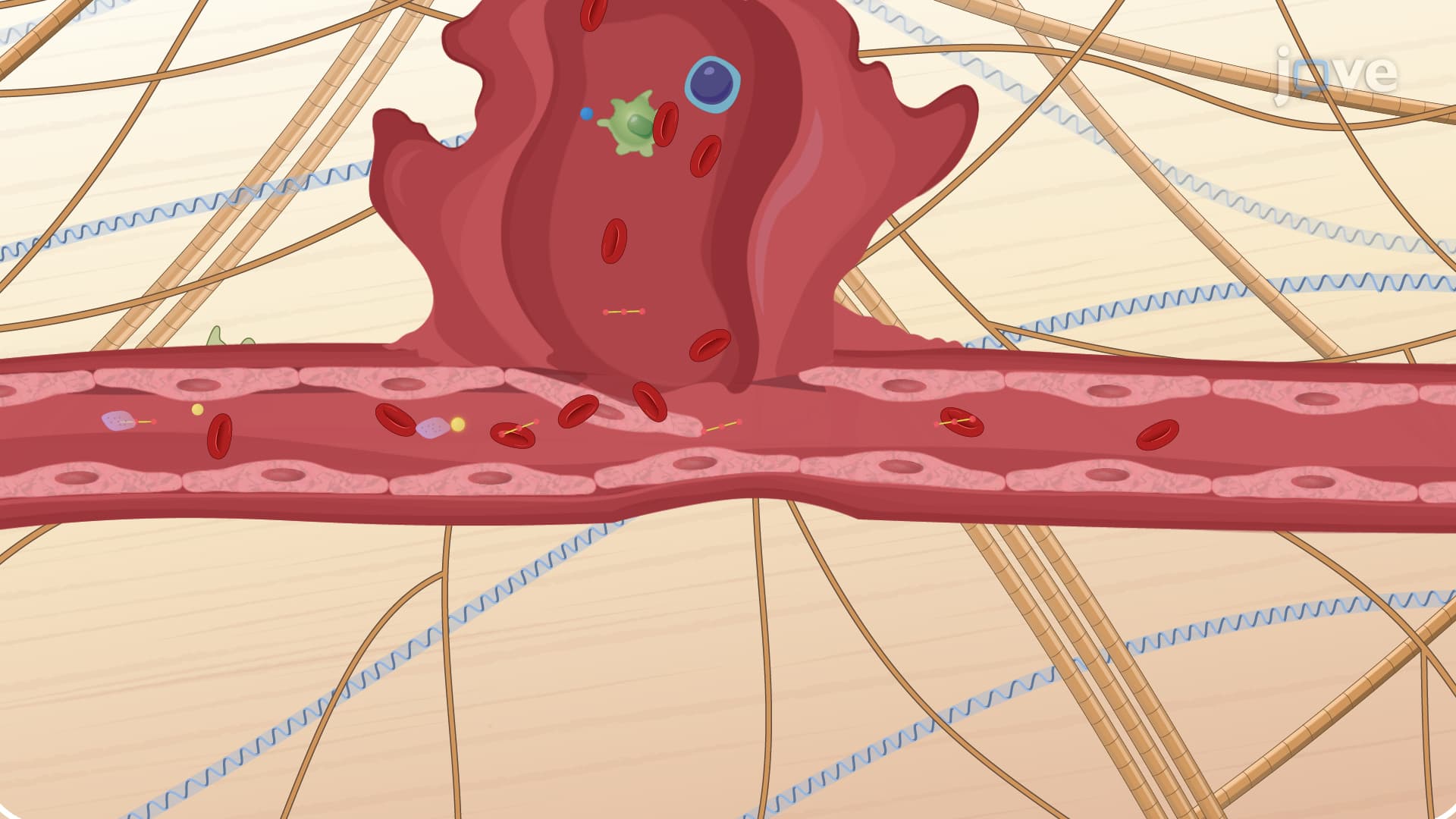
The classification extends to medications targeting specific vascular disorders prevalent in American healthcare. Anticoagulants and antiplatelet agents address thromboembolic diseases, which cause strokes in nearly 800,000 Americans annually. These drug categories work through distinct mechanisms: anticoagulants prevent clot formation by interfering with coagulation cascades, while antiplatelet medications prevent platelets from aggregating.
Drugs treating atherosclerosis represent another significant classification, particularly relevant given that coronary heart disease affects over 18 million American adults. These medications include cholesterol-lowering agents and plaque-stabilizing drugs that directly address the underlying pathophysiology of arterial narrowing and hardening.
Understanding cardiovascular drugs classification proves essential for various academic and professional contexts. Pre-medical students encounter these concepts extensively on the MCAT, particularly in passages combining cardiovascular physiology with pharmacology principles. Nursing students preparing for NCLEX examinations must demonstrate competency in cardiovascular medication administration and monitoring.
The classification system also provides a framework for understanding drug interactions and contraindications commonly tested in college-level pharmacology courses. By mastering how different drug categories work, students develop the analytical skills needed to predict potential complications when multiple cardiovascular medications are prescribed simultaneously, a common scenario in American clinical practice where patients often have multiple comorbidities.
Related Micro-courses