Loading video…


 8 Concepts
 6.1K views


Video Summary: Antiepileptic Drugs Calcium Channel Blockers Explained
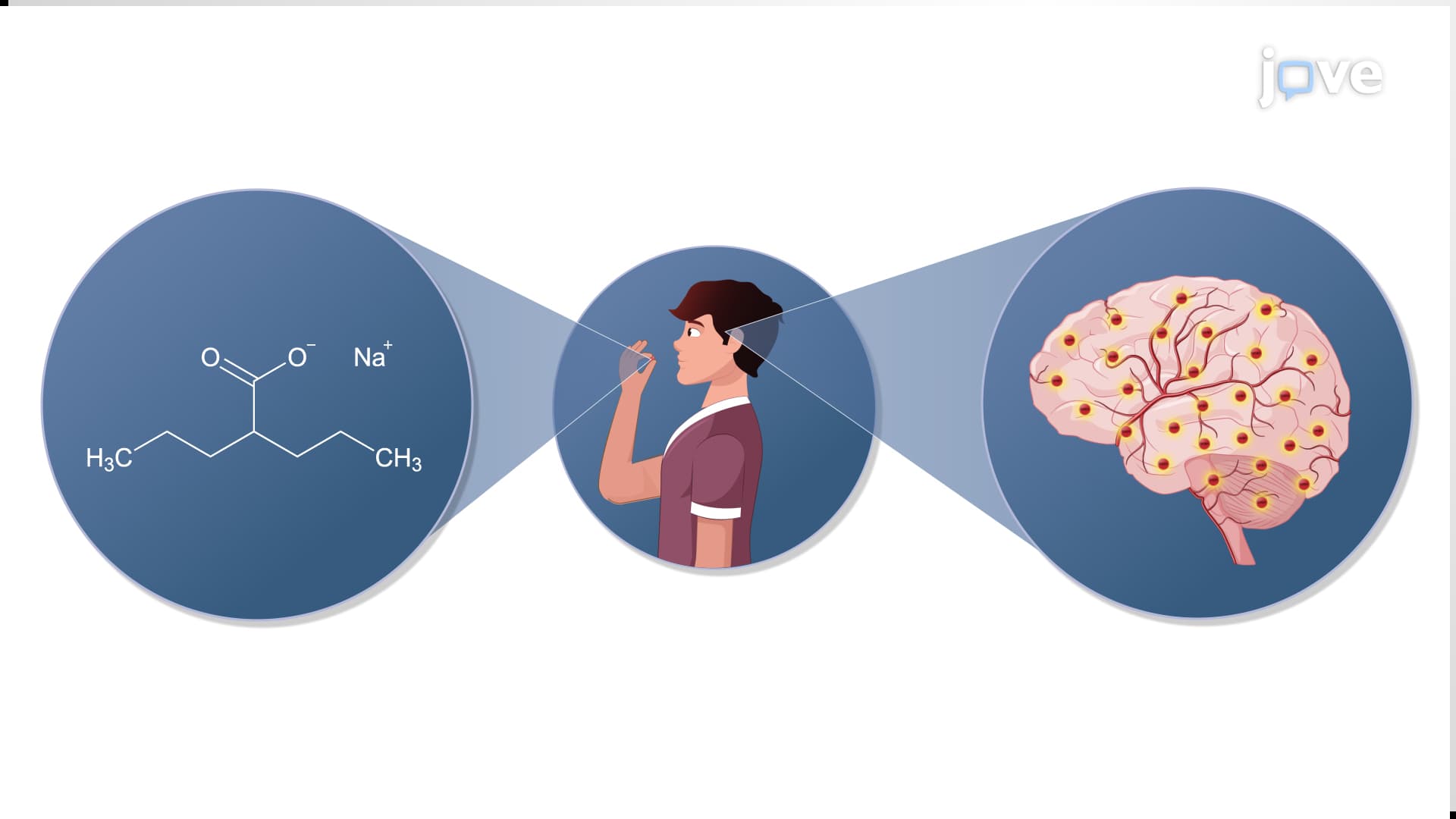
Did you know that the same calcium channel blockers used to treat high blood pressure can also prevent seizures? Antiepileptic drugs calcium channel blockers work by targeting T-type calcium channels in neurons, reducing glutamate release and slowing nerve signal transmission. For example, ethosuximide is FDA-approved to treat absence seizures in pediatric patients at Boston Children's Hospital. Antiepileptic Drugs Calcium Channel Blockers Explained reveals how these medications modulate calcium ion flow to control epileptic activity. Watch the full video on JoVE Coach to master this concept with expert-led visuals and step-by-step explanations.
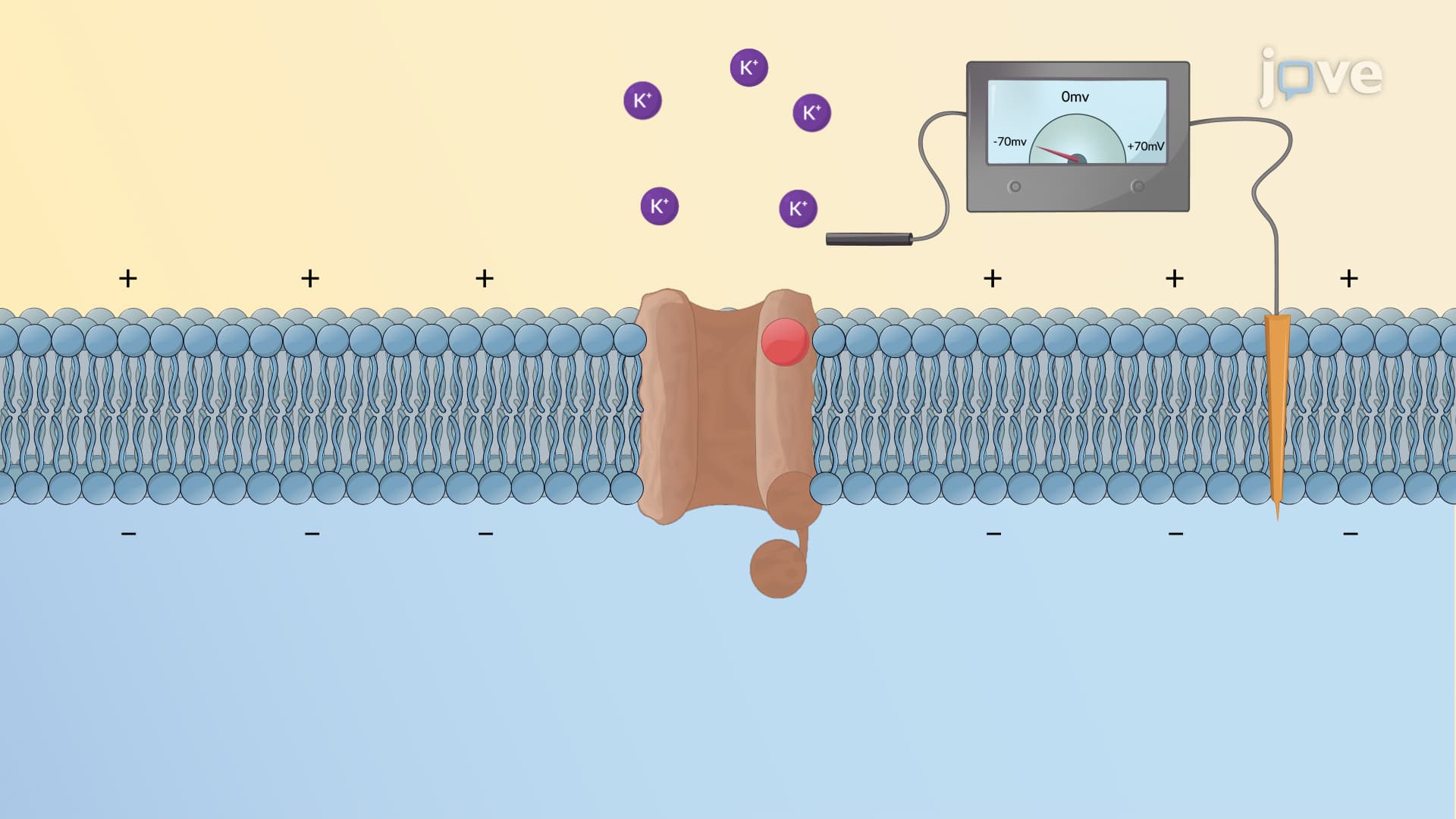
Antiepileptic drugs calcium channel blockers represent a fascinating intersection of cardiovascular and neurological pharmacology. While traditionally associated with treating hypertension and cardiac arrhythmias, specific calcium channel antagonists have proven remarkably effective in epilepsy management. These medications target voltage-gated calcium channels, particularly the T-type (transient) channels that play crucial roles in neuronal excitability and neurotransmitter release.
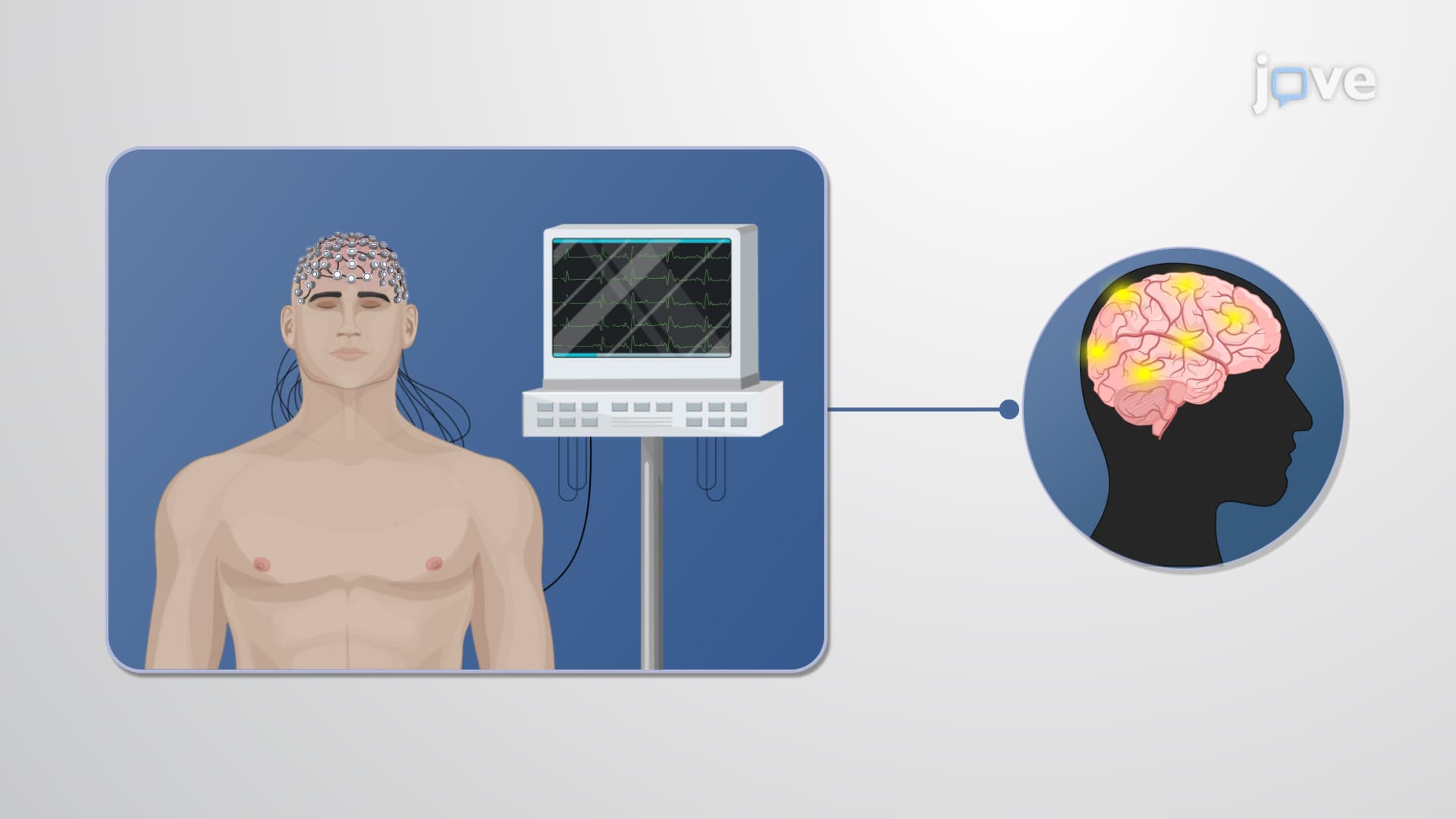
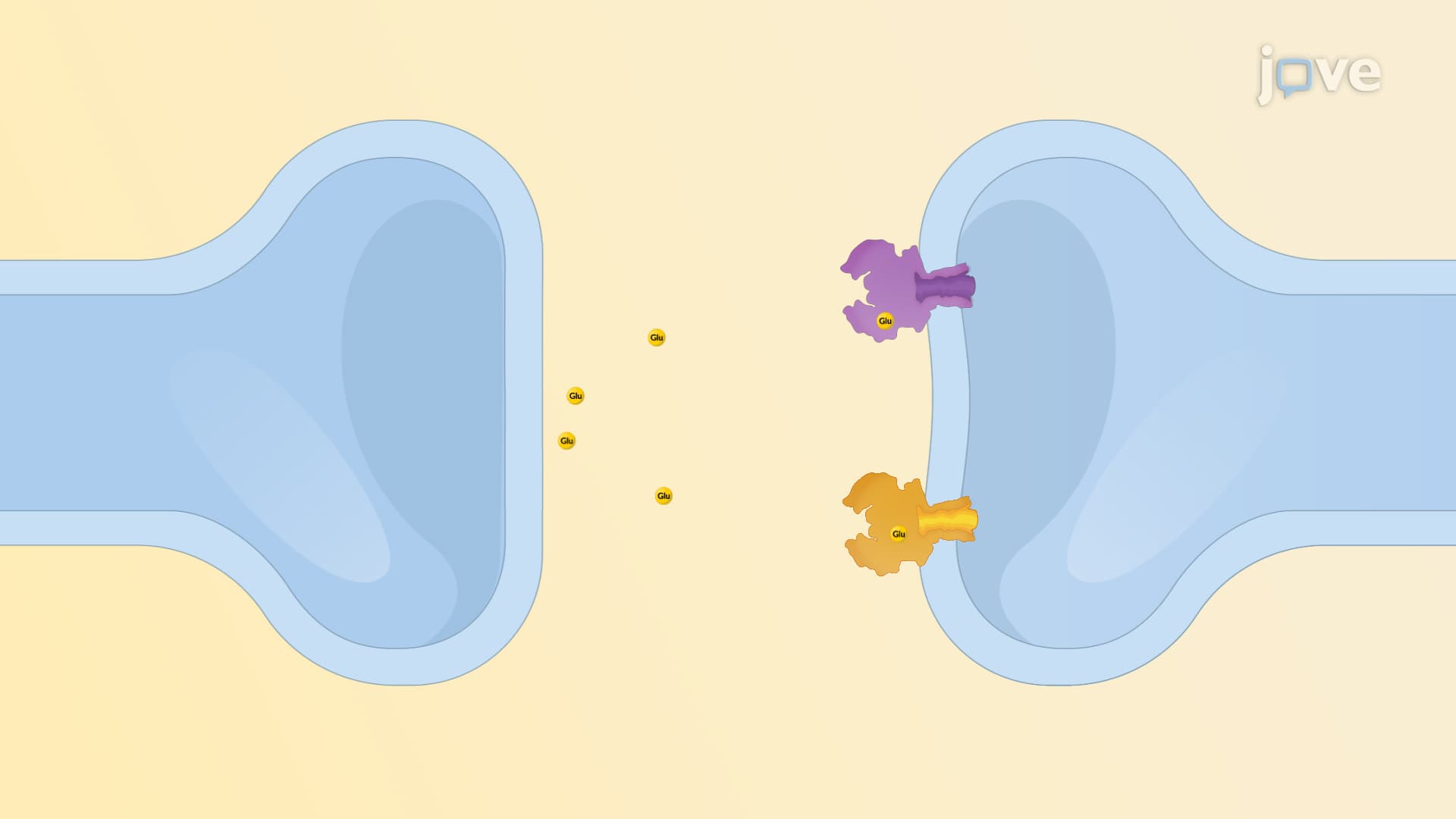
The therapeutic effect of antiepileptic drugs calcium channel blockers stems from their selective inhibition of T-type calcium channels in thalamic and cortical neurons. These channels operate at relatively low voltage thresholds, making them critical for generating rhythmic firing patterns associated with certain seizure types. When blocked, calcium influx decreases dramatically, reducing glutamate release from presynaptic terminals. This cascade effect diminishes excitatory neurotransmission and raises the seizure threshold, particularly important in absence epilepsy where thalamic T-type channels generate characteristic 3-Hz spike-and-wave discharges.
Students preparing for the MCAT or AP Biology exams should understand that calcium serves as both a charge carrier and intracellular messenger. The reduction in calcium-dependent glutamate release creates a negative feedback loop that stabilizes neuronal networks prone to synchronized, pathological firing patterns.
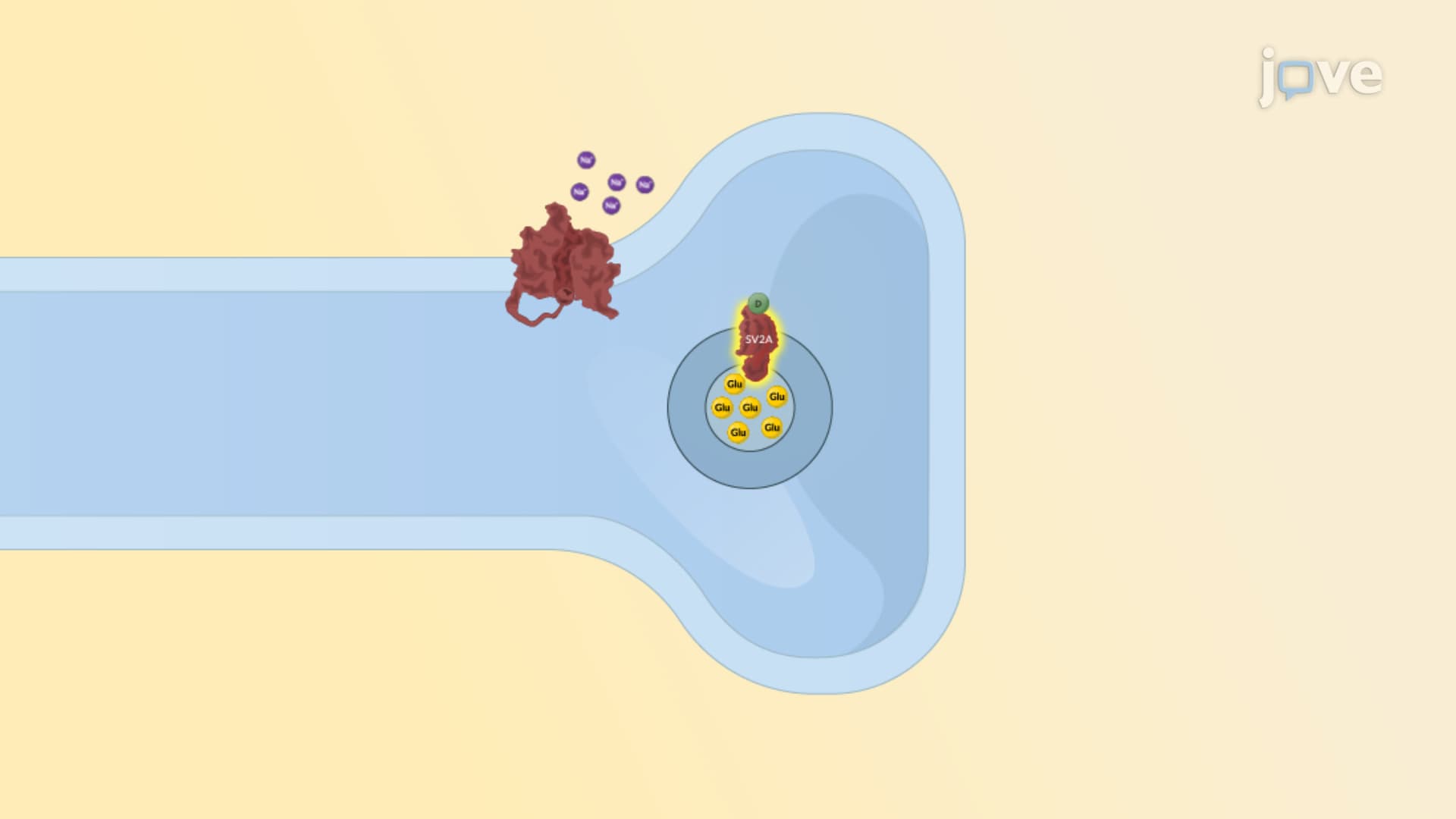
Three primary antiepileptic drugs calcium channel agents dominate clinical practice in the United States. Ethosuximide remains the gold standard for childhood absence epilepsy, with FDA approval dating to 1960. It demonstrates exceptional selectivity for T-type channels with minimal effects on other calcium channel subtypes. Sodium valproate, while having multiple mechanisms including GABA enhancement, significantly blocks T-type channels and treats both absence and generalized tonic-clonic seizures. Zonisamide, a newer sulfonamide derivative, combines T-type calcium channel blockade with sodium channel effects, making it particularly effective for focal seizures.
At major epilepsy centers like the Mayo Clinic and Johns Hopkins, these medications form the backbone of absence seizure treatment protocols. College students studying for USMLE Step 1 should memorize that ethosuximide specifically targets absence seizures due to its selective T-type channel activity in thalamic relay neurons.
Antiepileptic drugs calcium channel blockers demonstrate excellent oral bioavailability, typically exceeding 90% absorption. This characteristic makes them suitable for outpatient management and reduces dosing complexity. However, students should understand that therapeutic monitoring becomes crucial due to narrow therapeutic windows and potential drug interactions. Common adverse effects reflect both central nervous system depression (drowsiness, cognitive slowing) and gastrointestinal irritation (nausea, vomiting). Weight loss, particularly with zonisamide, represents a significant concern in pediatric populations and requires careful monitoring in clinical practice.
Related Micro-courses