Loading video…


 8 Concepts
 6.1K views

Video Summary: What Is Seizures Classification
Did you know that approximately 3.4 million Americans live with epilepsy, making seizure classification crucial for proper diagnosis and treatment? Seizures classification serves as the foundation for understanding how different types of seizures affect the brain and body. For instance, a high school student experiencing brief "staring spells" during class might be diagnosed with absence seizures, a specific type within the generalized seizure category. Understanding what is seizures classification helps medical professionals determine the most effective treatment approaches for each patient. Watch the full video on JoVE Coach to master this concept with expert-led visuals and step-by-step explanations.
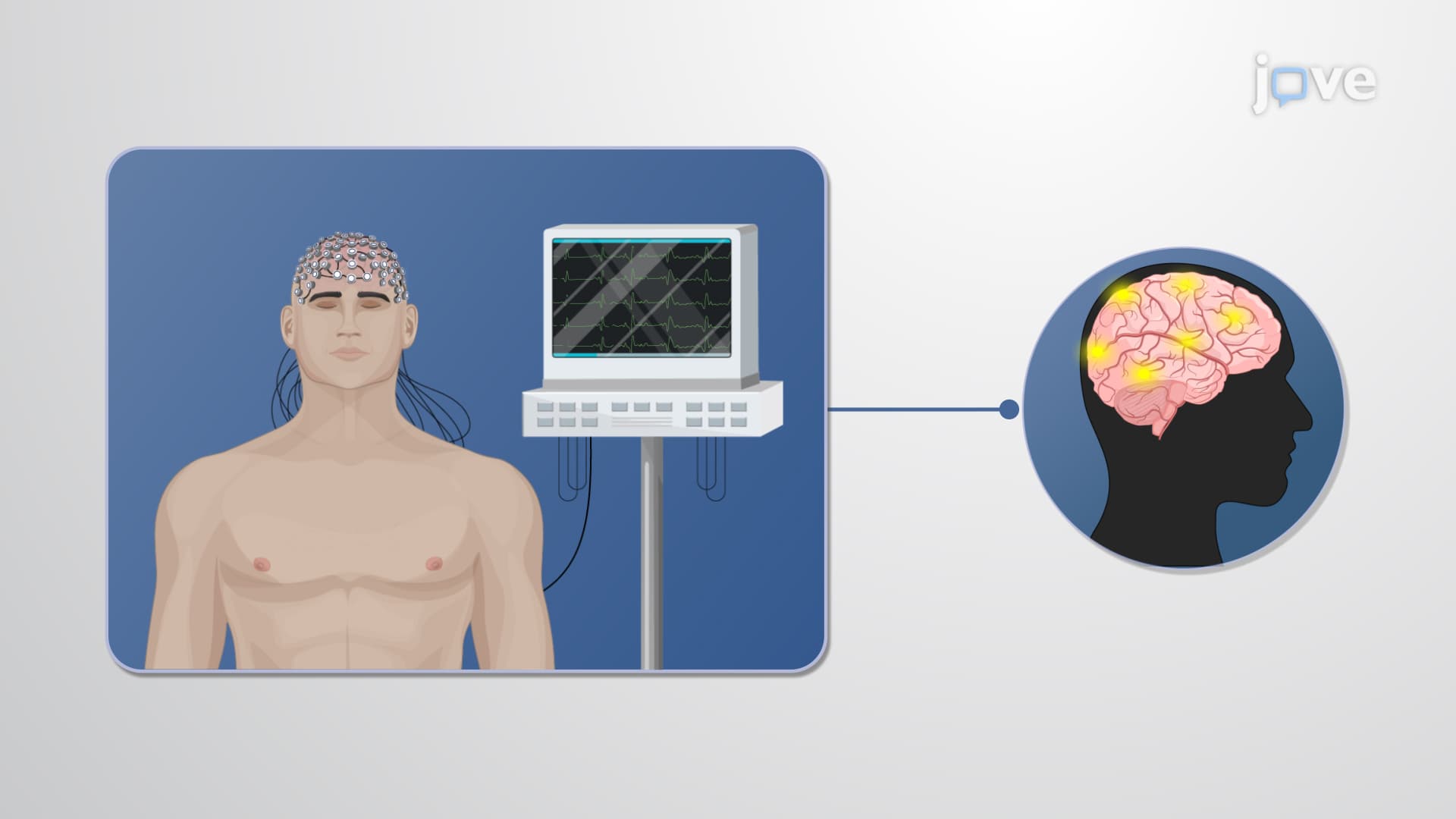
Seizures classification represents a systematic approach to categorizing the diverse manifestations of abnormal electrical activity in the brain. This classification system, developed by the International League Against Epilepsy (ILAE), provides clinicians with a standardized framework for diagnosis, treatment selection, and prognosis determination. The classification primarily divides seizures into two major categories based on their origin and spread pattern within the brain.
Focal seizures originate from a specific region of the brain, making them particularly important for surgical planning in treatment-resistant cases. These seizures subdivide into focal aware seizures (formerly called simple partial seizures) and focal impaired awareness seizures (previously known as complex partial seizures). During focal aware seizures, patients maintain consciousness and can respond to commands, though they may experience unusual sensations, emotions, or movements. For example, a patient might smell something that isn't there or feel tingling in one hand. Focal impaired awareness seizures involve altered consciousness, where patients appear confused or unresponsive during the episode and typically have no memory of the event.
Generalized seizures involve both brain hemispheres simultaneously from onset, creating more widespread symptoms. Absence seizures, commonly seen in children and teenagers, manifest as brief episodes of staring and unresponsiveness, often mistaken for daydreaming in classroom settings. Tonic-clonic seizures, the most recognizable type, involve initial muscle stiffening (tonic phase) followed by rhythmic jerking movements (clonic phase). These seizures pose significant safety risks and often require emergency medical attention. Myoclonic seizures present as sudden, brief muscle jerks that can affect the entire body or isolated muscle groups, while atonic seizures cause sudden loss of muscle tone, leading to "drop attacks" that frequently result in injuries.
Understanding seizures classification proves essential for healthcare providers working in emergency departments, neurology clinics, and pediatric settings across the United States. Specific epilepsy syndromes in children require specialized recognition and treatment approaches. Infantile spasms typically occur in the first year of life and may indicate underlying brain abnormalities. Lennox-Gastaut syndrome represents a severe form of childhood epilepsy characterized by multiple seizure types and developmental delays. Students preparing for medical licensing exams like the USMLE must master these classifications, as they frequently appear in clinical vignettes and multiple-choice questions focusing on pediatric neurology and emergency medicine scenarios.
Related Micro-courses