Loading video…


 8 Concepts
 6.1K views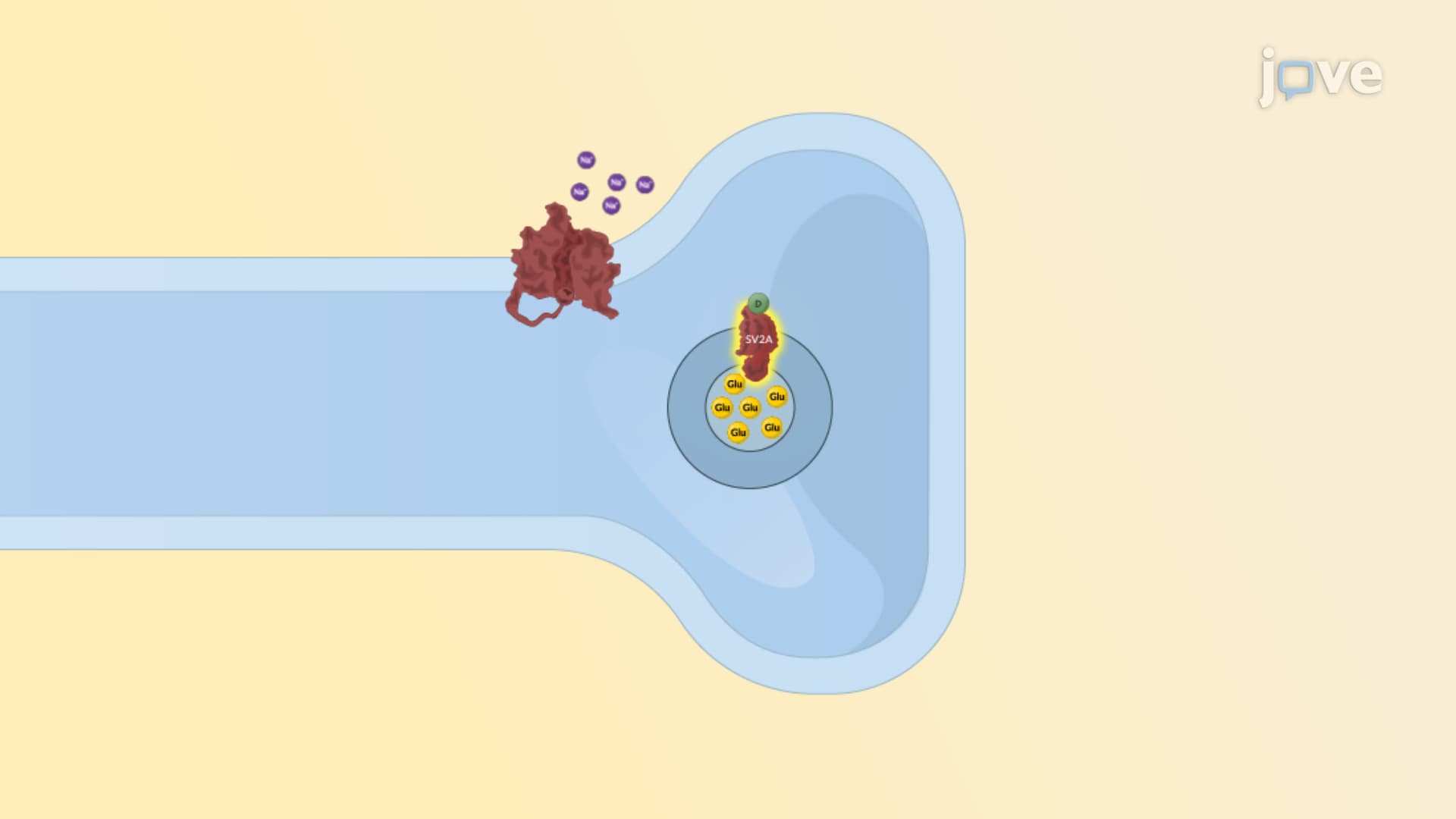

Video Summary: Antiepileptic Drugs Modulators of Neurotransmitter Explained
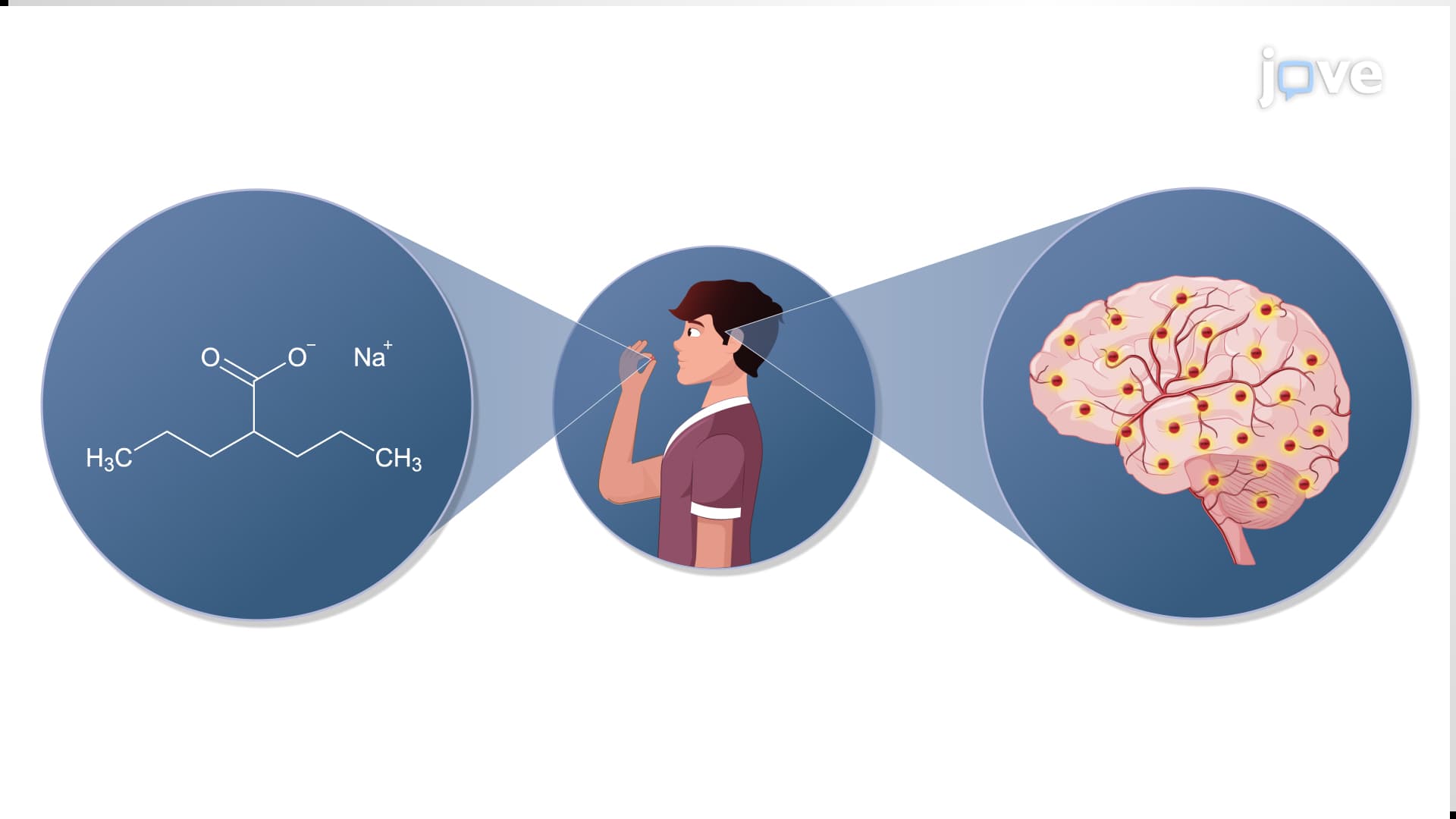
Did you know that seizure medications like Keppra work by hijacking specific brain proteins to prevent electrical storms in your neurons? Antiepileptic drugs modulators neurotransmitter mechanisms involve targeting the SV2A protein, which controls how brain cells communicate. For instance, levetiracetam (Keppra) is prescribed to over 2 million Americans with epilepsy, binding to synaptic vesicles to regulate glutamate and GABA release. Understanding Antiepileptic Drugs Modulators of Neurotransmitter Explained reveals how these medications restore normal brain electrical activity. Watch the full video on JoVE Coach to master this concept with expert-led visuals and step-by-step explanations.
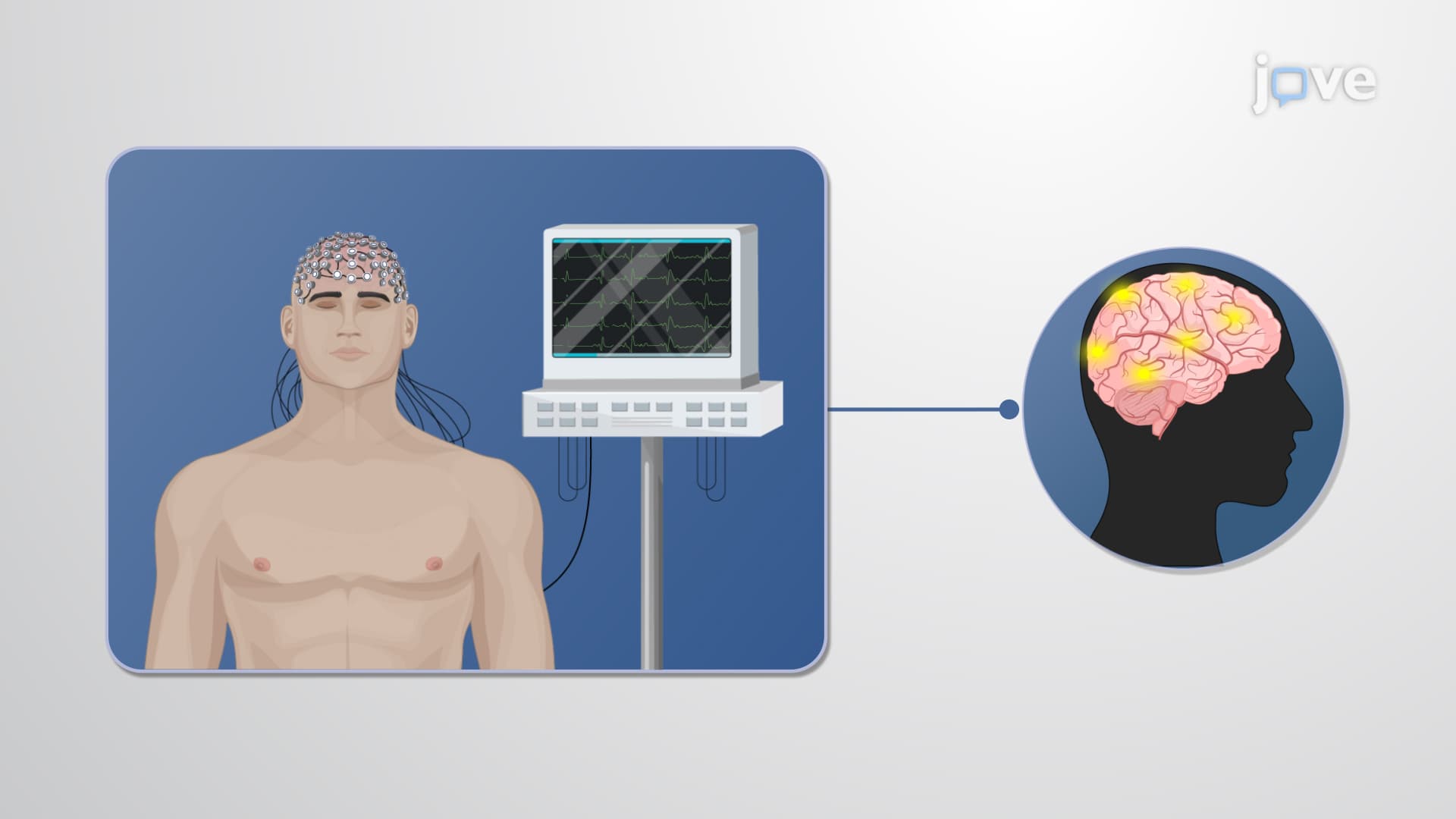
The brain operates through precise electrical signals between neurons, but in epilepsy, this system becomes chaotic. Antiepileptic drugs modulators neurotransmitter represent a sophisticated approach to restoring neural harmony by targeting specific proteins that control chemical communication between brain cells.
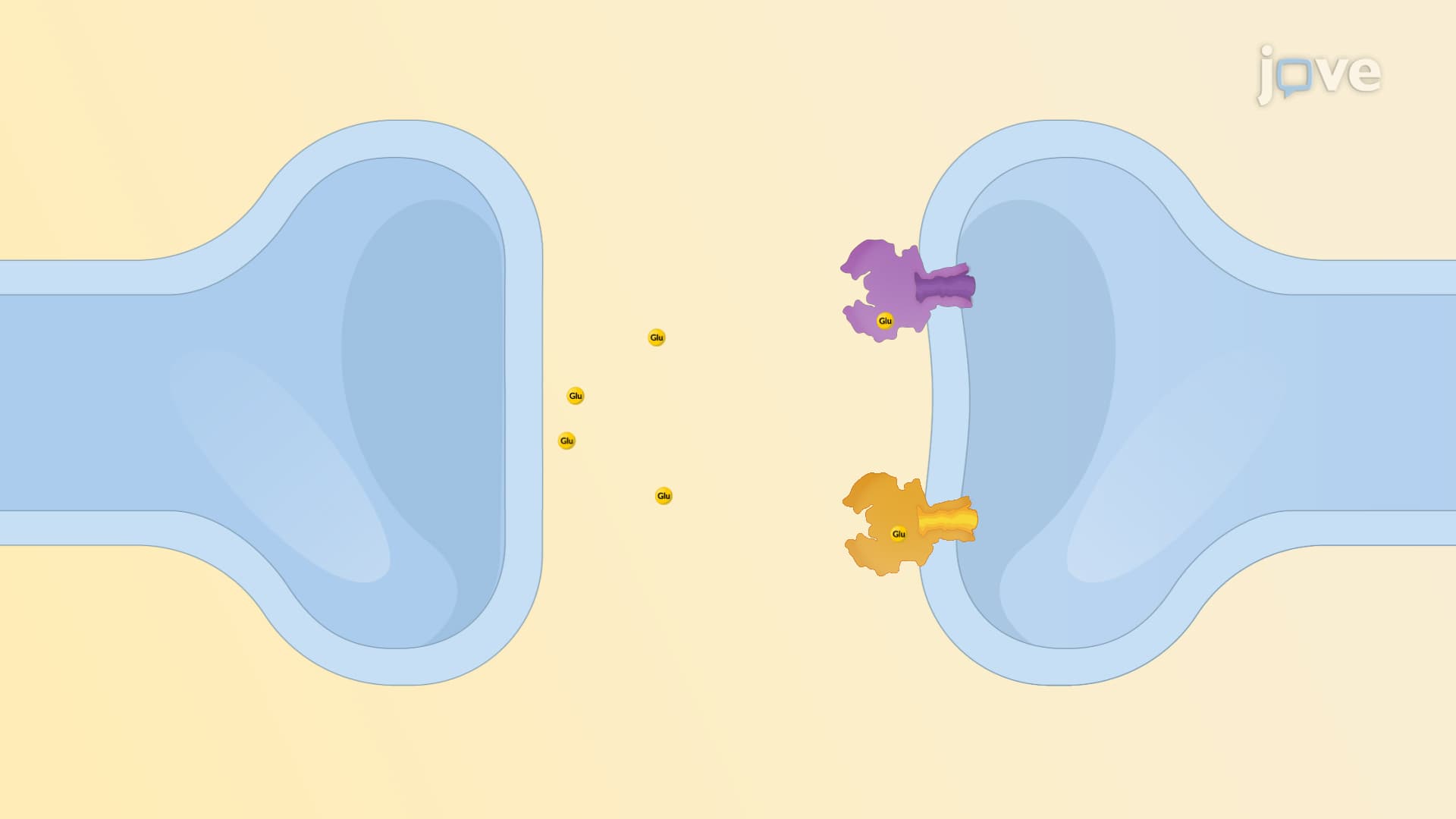
Synaptic Vesicle protein 2A (SV2A) acts like a gatekeeper at nerve terminals, controlling when and how much neurotransmitter gets released. Modern antiepileptic drugs like levetiracetam (brand name Keppra) and brivaracetam (Briviact) demonstrate high affinity for this protein. When these medications bind to SV2A, they essentially fine-tune the release of excitatory neurotransmitters like glutamate and inhibitory ones like GABA. This modulation is crucial because seizures often result from an imbalance where excitatory signals overwhelm inhibitory ones.
The FDA has approved these medications for distinct seizure patterns based on extensive clinical trials. Levetiracetam treats three major categories: myoclonic seizures (sudden muscle jerks), focal-onset seizures (starting in one brain region), and generalized tonic-clonic seizures (the classic "grand mal" seizures). Brivaracetam, while chemically similar, is specifically indicated only for focal-onset seizures in patients 16 years and older. This specificity matters enormously for neurologists treating the 3.4 million Americans living with epilepsy.
These drugs exhibit excellent oral bioavailability (nearly 100% absorption), meaning patients can rely on consistent medication levels. With half-lives of 6-8 hours, they require twice-daily dosing for most patients. Unlike older antiepileptic drugs that undergo extensive liver metabolism, these newer agents are minimally metabolized, reducing drug-drug interactions-a significant advantage for patients on multiple medications.
For students preparing for MCAT Biological Sciences sections or AP Biology exams, understanding these mechanisms illustrates key concepts about protein-drug interactions, neurotransmitter physiology, and pharmacokinetics that frequently appear in standardized testing scenarios.
Related Micro-courses