Loading subject page…


6,101 views

Video Summary: Antiepileptic Drugs Gabaergic Pathway Potentiators Explained
Did you know that over 3.4 million Americans live with epilepsy, and many rely on medications that work by boosting the brain's natural "braking system"? Antiepileptic drugs gabaergic pathway potentiators enhance GABA neurotransmission to prevent seizures by increasing inhibitory signals in the brain. These medications, including benzodiazepines like clorazepate and sodium valproate, are prescribed by neurologists across major US medical centers like Mayo Clinic and Johns Hopkins. Watch the full video on JoVE Coach to master this concept with expert-led visuals and step-by-step explanations.
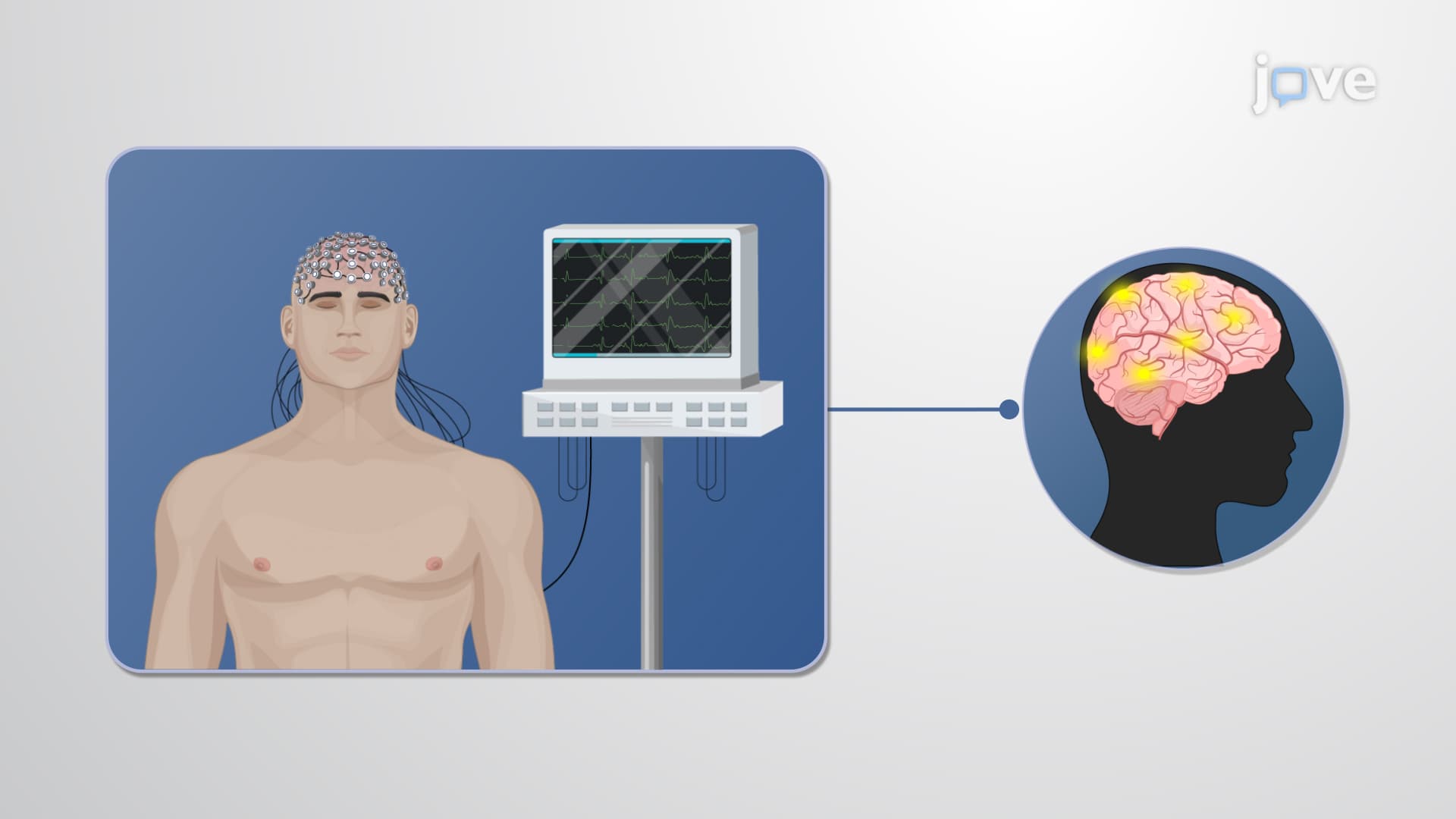
The human brain maintains a delicate balance between excitatory and inhibitory signals. When this balance tips toward excessive excitation, seizures can occur. Antiepileptic drugs gabaergic pathway potentiators work by strengthening the brain's primary inhibitory system-the GABA (gamma-aminobutyric acid) pathway-to restore normal neural function and prevent seizure activity.
These medications employ three distinct strategies to boost GABA activity. Benzodiazepines like clorazepate bind to GABA-A receptors, acting as positive allosteric modulators. They don't activate the receptor directly but increase GABA's binding affinity, leading to enhanced chloride influx and stronger neuronal inhibition. This mechanism makes benzodiazepines particularly effective for status epilepticus treatment in US emergency departments.
Tiagabine takes a different approach by blocking the GABA transporter GAT-1. Normally, this transporter rapidly removes GABA from synaptic clefts, terminating its action. By inhibiting GAT-1, tiagabine prolongs GABA's presence at synapses, extending inhibitory signaling. This mechanism proves especially valuable for treating focal seizures in patients who haven't responded to first-line medications.
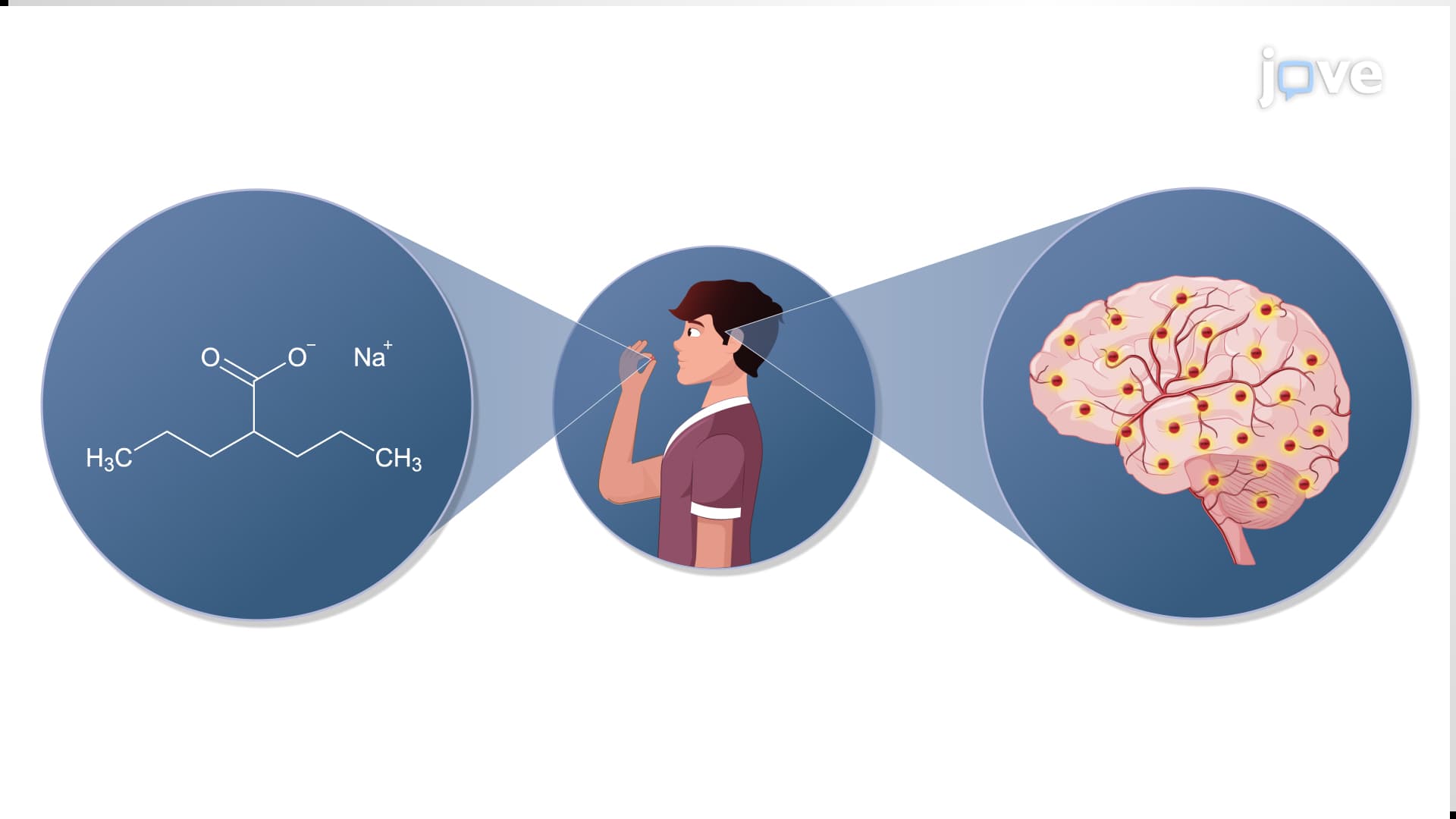
The choice of GABA potentiator depends on seizure type and patient factors. Sodium valproate increases brain GABA concentrations through multiple pathways, including enhanced GABA synthesis and reduced degradation. This broad mechanism makes it effective for various seizure types, particularly absence seizures commonly seen in pediatric neurology practices across the US.
Understanding these distinctions becomes crucial for students preparing for the MCAT or pursuing pre-med coursework. College pharmacology exams frequently test the ability to match specific mechanisms with appropriate clinical scenarios, such as why clorazepate might be chosen for acute seizure management while tiagabine serves better for chronic focal epilepsy.
All three drug classes demonstrate good oral bioavailability and undergo hepatic metabolism before renal elimination. This shared pharmacokinetic profile means students studying for NCLEX or pharmacy board exams must understand potential drug interactions with other hepatically metabolized medications. Common side effects-drowsiness, dizziness, and gastrointestinal disturbances-reflect enhanced GABA activity throughout the central nervous system, not just at seizure foci.
Related Micro-courses