Loading video…


 8 Concepts
 6.1K views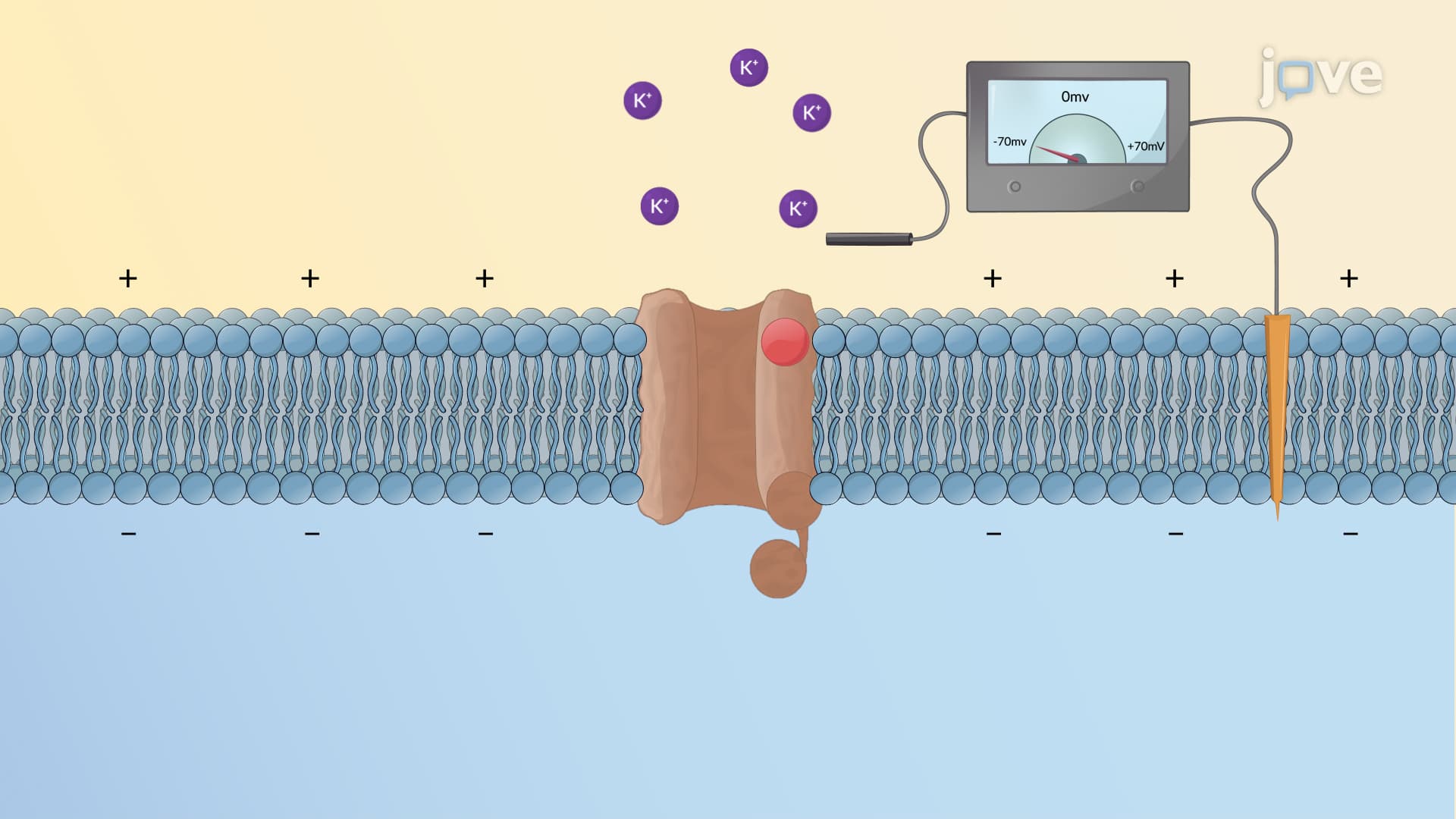

Video Summary: Antiepileptic Drugs Potassium Channel Activators Explained
What if a single drug could "calm down" overexcited brain cells by opening tiny molecular gates? Antiepileptic drugs potassium channel activators work exactly this way, stabilizing electrical activity in neurons to prevent seizures. Ezogabine, once used at major US epilepsy centers like Johns Hopkins and Mayo Clinic, exemplified how these medications enhance KCNQ potassium channels to reduce neuronal firing. Watch the full video on JoVE Coach to master this concept with expert-led visuals and step-by-step explanations.
Antiepileptic drugs potassium channel activators represent a unique mechanism in seizure control, targeting the fundamental electrical properties of neurons. Unlike traditional antiepileptic drugs that block sodium or calcium channels, these medications work by enhancing potassium efflux through specific channel subtypes. This approach directly addresses the underlying electrical instability that characterizes epileptic tissue.
The KCNQ family of voltage-gated potassium channels plays a crucial role in controlling neuronal excitability. These channels, particularly KCNQ2 and KCNQ3 subunits, generate the M-current-a slow, non-inactivating potassium current that helps maintain resting membrane potential near -70 mV. When ezogabine binds to these channels, it shifts their voltage dependence toward more hyperpolarized potentials, effectively making them open more readily at resting membrane voltages.
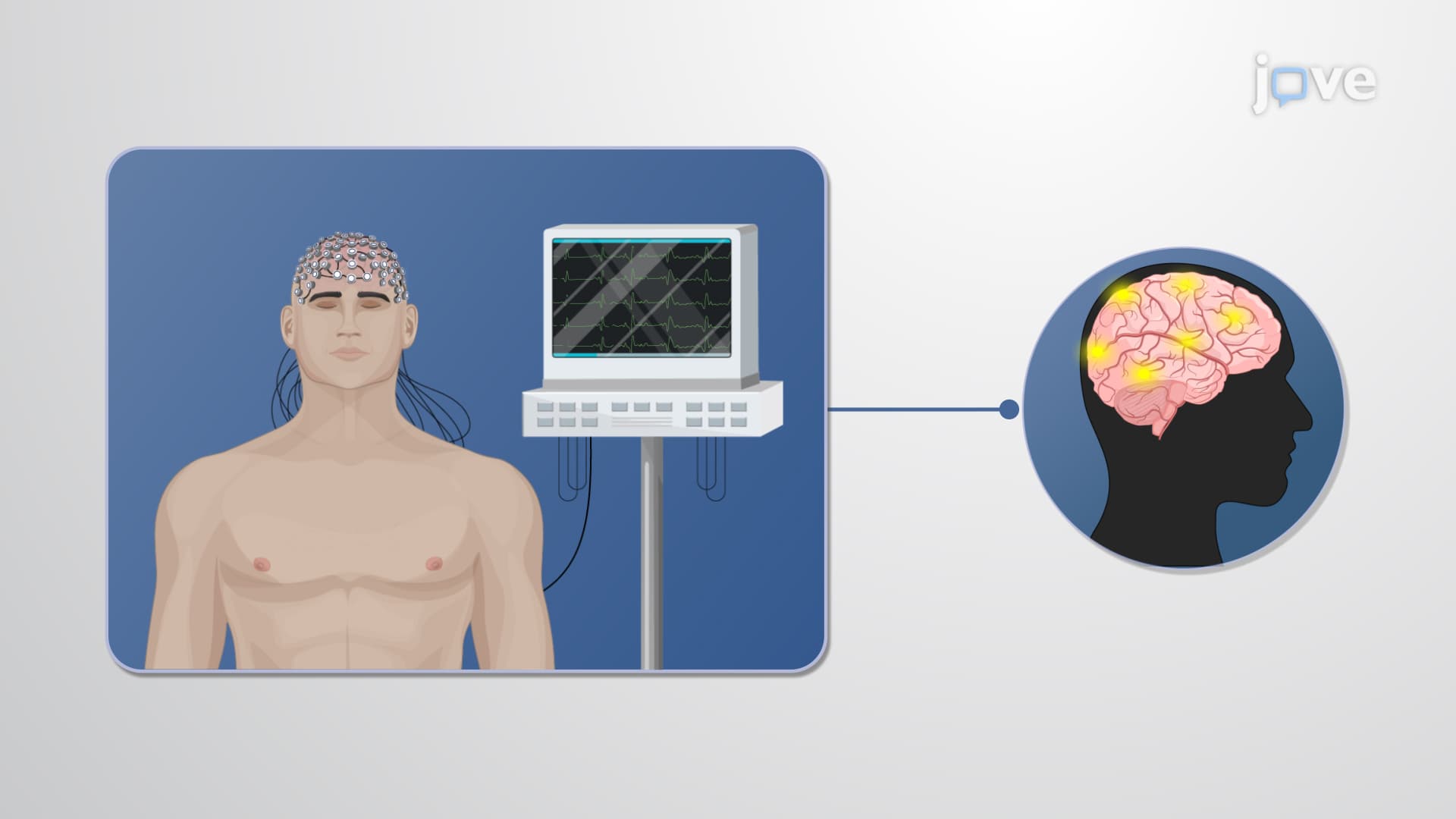
This enhanced potassium conductance creates a "brake" on neuronal firing. In epileptic patients treated at centers like the Cleveland Clinic or UCSF Medical Center, this mechanism proved particularly effective for focal seizures originating from specific brain regions. The stabilized membrane potential prevents the rapid depolarization waves characteristic of seizure activity, essentially "cooling down" hyperexcitable neural networks.
Ezogabine's pharmacokinetic profile reflected typical characteristics of modern antiepileptic drugs. With 60% oral bioavailability and peak plasma concentrations reached within 0.5-2 hours, the drug provided relatively rapid therapeutic effects. Its 7-11 hour half-life allowed for three-times-daily dosing, though this frequent administration contributed to compliance challenges.
The drug underwent extensive hepatic metabolism through phase II conjugation reactions-primarily glucuronidation by UGT1A4, UGT1A1, and UGT1A9 enzymes, plus N-acetylation. These pathways, common in antiepileptic drug metabolism, helped predict potential drug interactions with other medications metabolized by UDP-glucuronosyltransferases.
For students preparing for the MCAT or advanced placement biology exams, understanding this mechanism illustrates key concepts: membrane potential regulation, ion channel pharmacology, and the relationship between molecular targets and therapeutic outcomes. College pharmacology courses often use ezogabine as a case study demonstrating how innovative drug mechanisms can address unmet medical needs while revealing unexpected safety challenges.
The FDA's 2017 decision to withdraw ezogabine highlighted the complex risk-benefit calculations in drug development. Reports of retinal pigmentation changes and irreversible blue skin discoloration in approximately 10% of patients raised serious cosmetic and potentially functional concerns. These effects, combined with limited clinical adoption due to its narrow indication and side effect profile, ultimately outweighed the drug's therapeutic benefits.
Related Micro-courses