Loading video…


 8 Concepts
 6.1K views

Video Summary: Antiepileptic Drugs Sodium Channel Blockers Explained
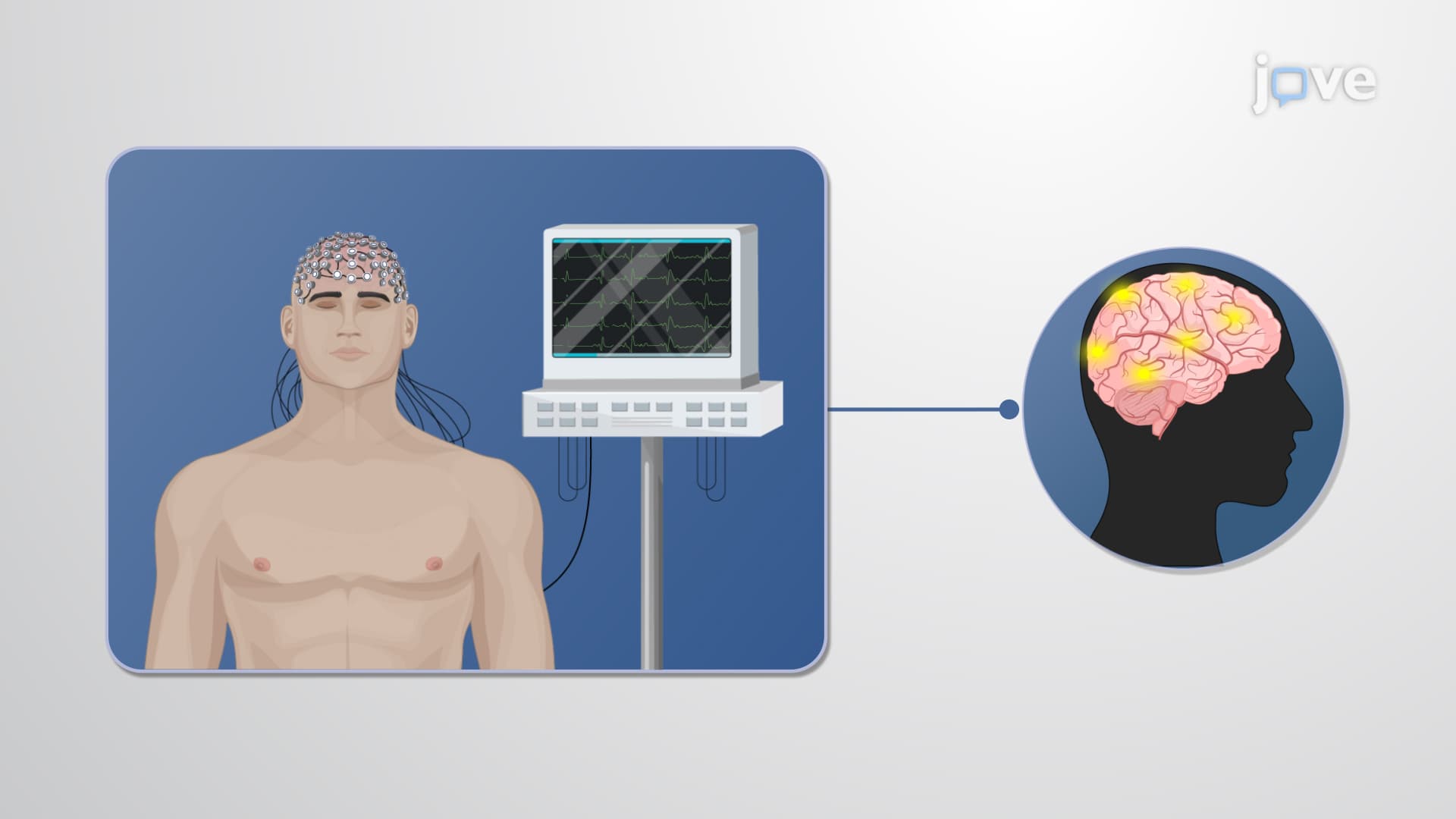
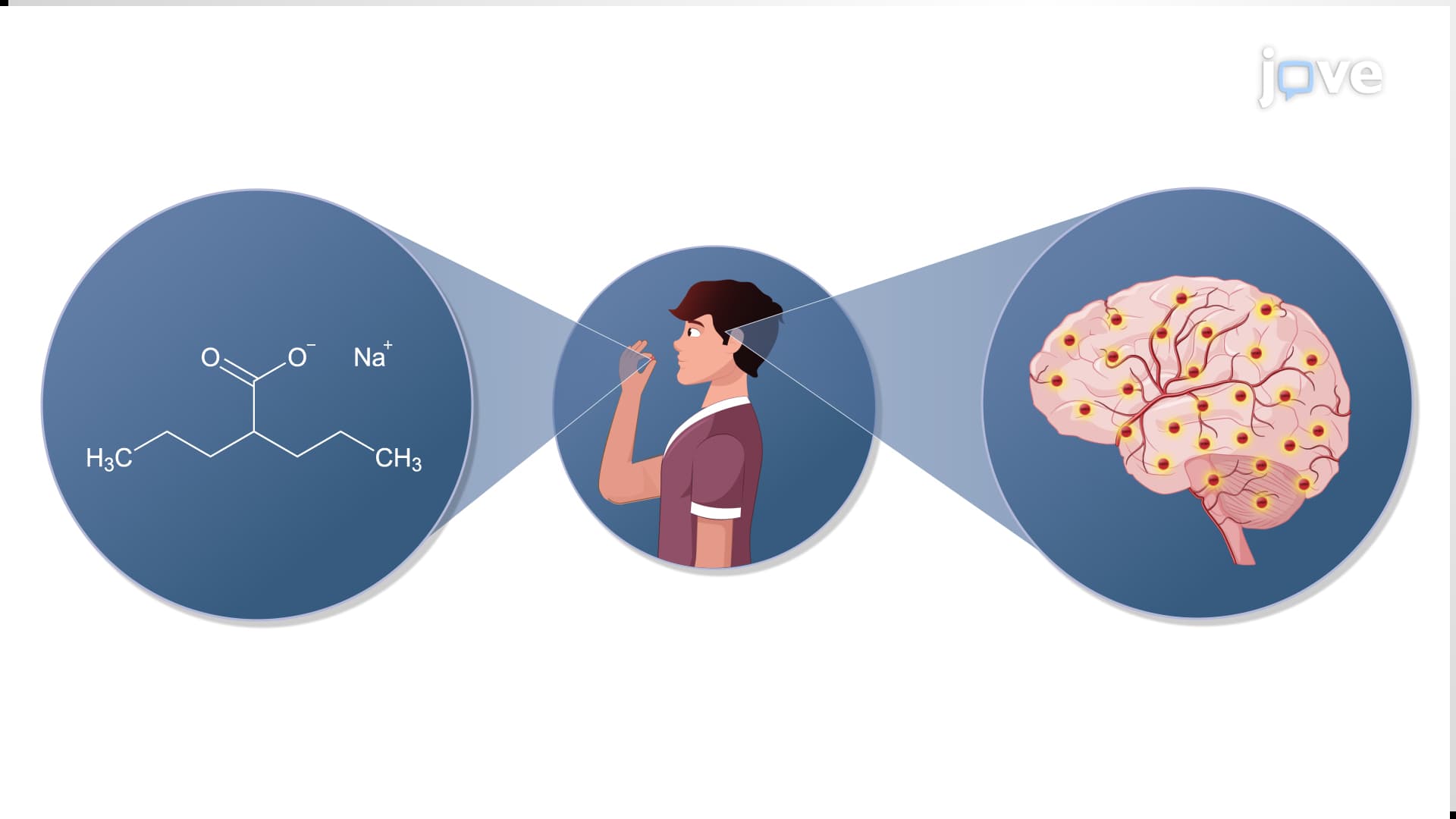
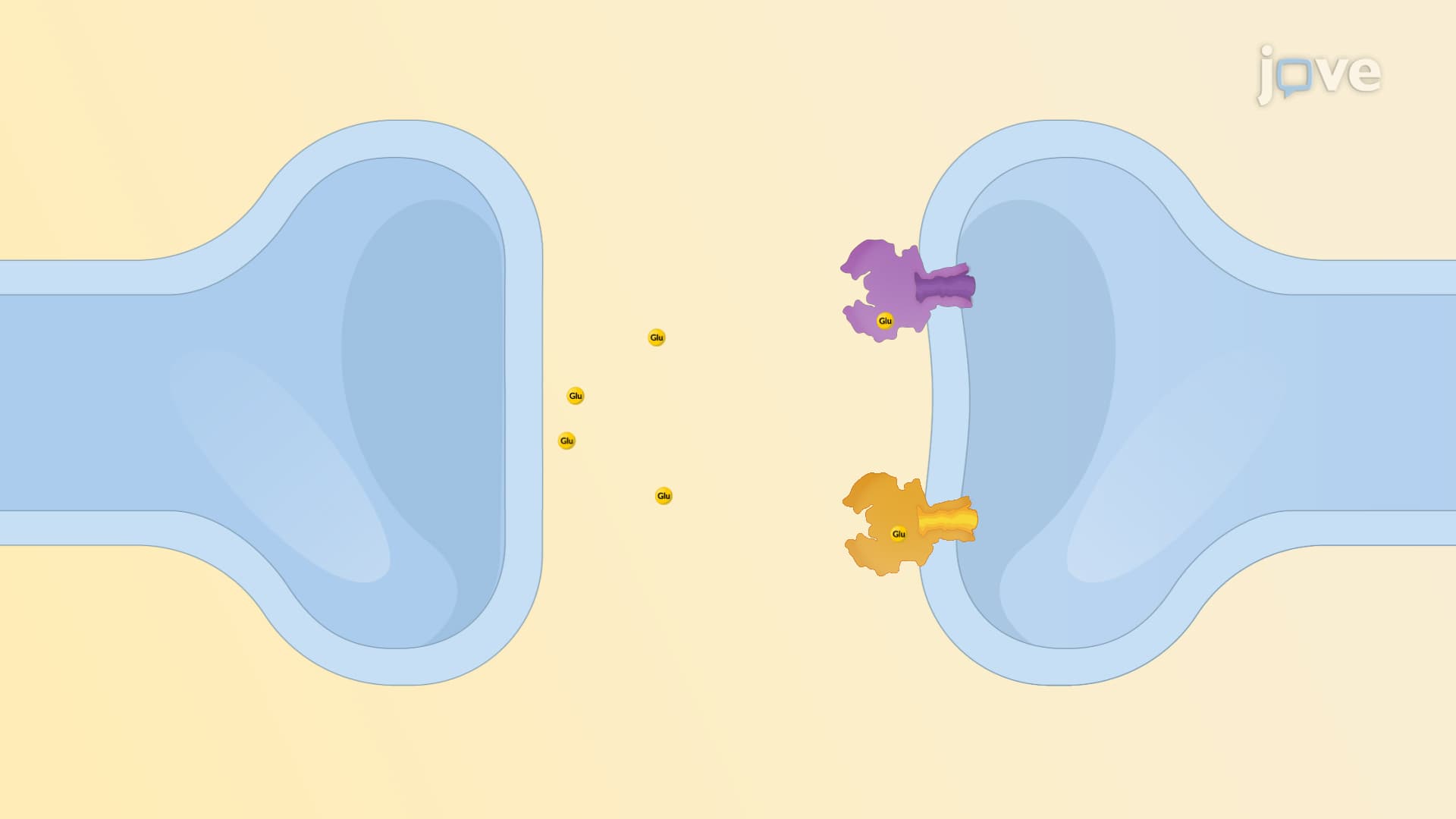
Did you know that over 3.4 million Americans live with epilepsy, relying on medications that precisely target brain cell communication? Antiepileptic drugs sodium channel blockers work by preventing excessive electrical activity in neurons, blocking sodium ions from entering brain cells during seizures. Medications like phenytoin and carbamazepine are commonly prescribed at major US medical centers like Mayo Clinic to control various seizure types. Understanding Antiepileptic Drugs Sodium Channel Blockers Explained is crucial for students pursuing healthcare careers. Watch the full video on JoVE Coach to master this concept with expert-led visuals and step-by-step explanations.
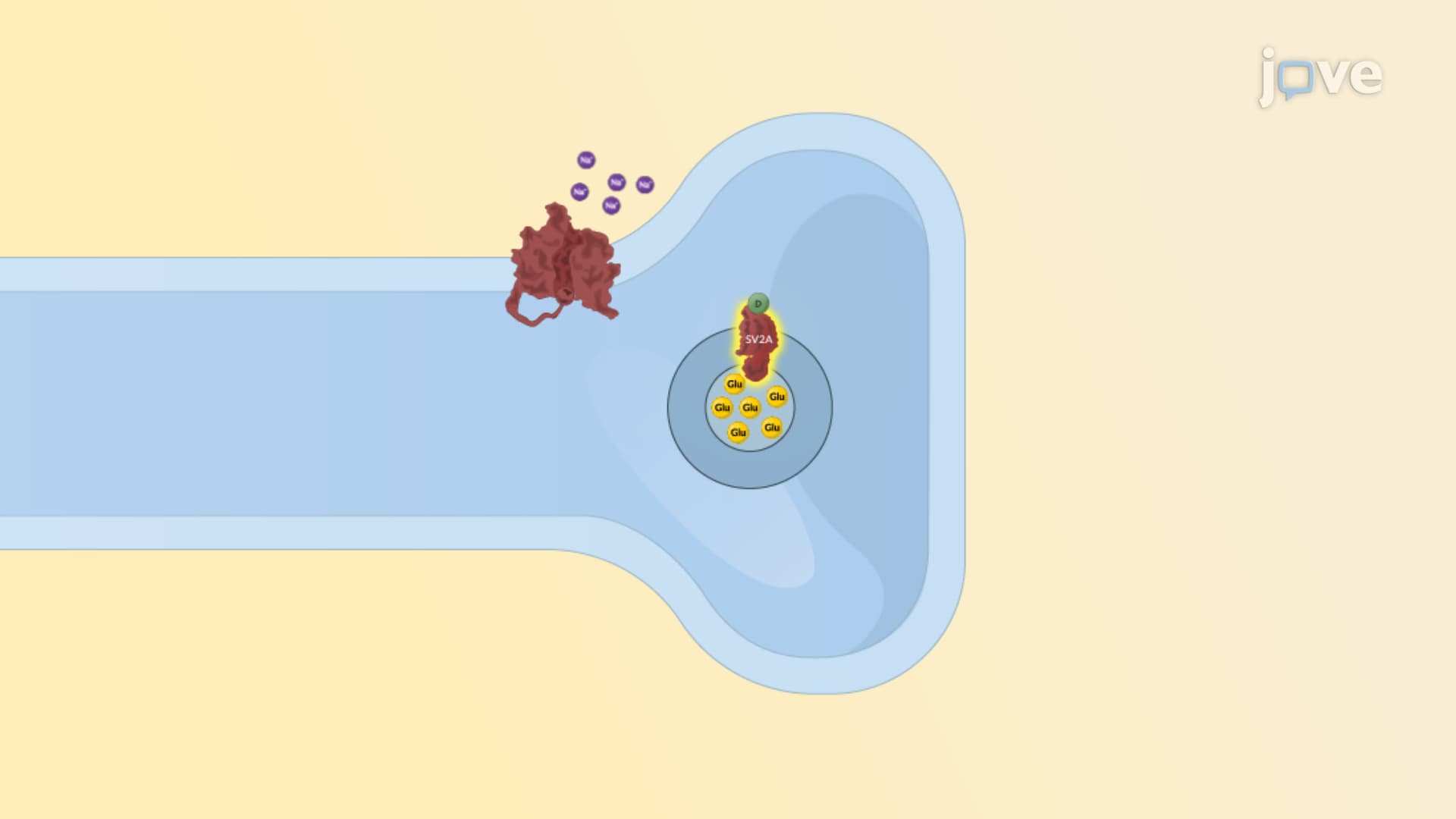
Sodium channel blockers represent a cornerstone of modern epilepsy treatment, functioning through a sophisticated mechanism that targets the fundamental cause of seizure activity. These medications work by prolonging the inactivated state of voltage-gated sodium channels, effectively preventing the rapid, repetitive neuronal firing characteristic of epileptic seizures. This mechanism is particularly relevant for students preparing for the MCAT or AP Biology exams, where understanding ion channel physiology is essential.
The normal function of voltage-gated sodium channels involves three distinct states: closed, open, and inactivated. During an action potential, these channels rapidly open to allow sodium influx, then quickly inactivate to prevent continuous firing. In epileptic conditions, this process becomes dysregulated, leading to sustained depolarization and seizure activity. Sodium channel blockers like phenytoin bind preferentially to channels in their inactivated state, stabilizing this conformation and preventing the channel from returning to its closed, available state. This preferential binding explains why these drugs are most effective during high-frequency firing patterns typical of seizures while having minimal impact on normal neuronal activity.
Phenytoin, first synthesized in 1908 and widely used since the 1930s, remains highly effective against focal and generalized tonic-clonic seizures but shows no efficacy against absence seizures. This selectivity relates to the different underlying mechanisms of absence seizures, which involve T-type calcium channels rather than sodium channels. Carbamazepine, introduced in the 1960s, offers similar efficacy with potentially fewer cognitive side effects, making it a preferred choice for many patients. Lamotrigine, a newer agent, provides broader spectrum activity and is particularly valuable in treating epilepsy in women of childbearing age due to its lower teratogenic risk compared to other antiepileptic drugs.
The therapeutic window for sodium channel blockers requires careful monitoring, as these medications can cause dose-dependent side effects including dizziness, ataxia, and drowsiness. More serious adverse effects like Stevens-Johnson syndrome, though rare, necessitate immediate medical attention. For nursing students preparing for the NCLEX or pharmacy students studying for board exams, understanding these side effect profiles and appropriate monitoring parameters is crucial for safe clinical practice.
Related Micro-courses