Loading subject page…


6,101 views

Video Summary: What are Epilepsy and Seizures
Did you know that epilepsy affects over 3.4 million Americans, making it more common than autism and cerebral palsy combined? Epilepsy seizures occur when brain cells fire abnormal electrical signals, disrupting normal brain function and causing temporary changes in behavior, movement, or consciousness. Consider how this impacts students at Stanford University, where the disability services office supports numerous students managing epilepsy while pursuing their degrees. Watch the full video on JoVE Coach to master this concept with expert-led visuals and step-by-step explanations.
Epilepsy seizures represent one of the most complex neurological phenomena students encounter in advanced biology and pre-health coursework. Unlike a single seizure event that might occur due to fever or medication withdrawal, epilepsy is a chronic brain disorder characterized by at least two unprovoked seizures occurring more than 24 hours apart. This distinction is crucial for MCAT preparation and college neuroscience courses.
At the cellular level, seizures result from synchronized, abnormal electrical discharges among networks of neurons. Normally, brain cells communicate through carefully regulated electrical and chemical signals. During a seizure, this regulation breaks down, causing groups of neurons to fire rapidly and simultaneously. This process is analogous to an electrical storm in the brain, disrupting normal function in affected regions.
The Johns Hopkins Epilepsy Center has documented how these electrical disturbances can originate from specific brain areas (focal seizures) or involve both brain hemispheres simultaneously (generalized seizures). This classification system appears frequently on AP Psychology exams and pre-med coursework, as it directly relates to treatment strategies and patient outcomes.
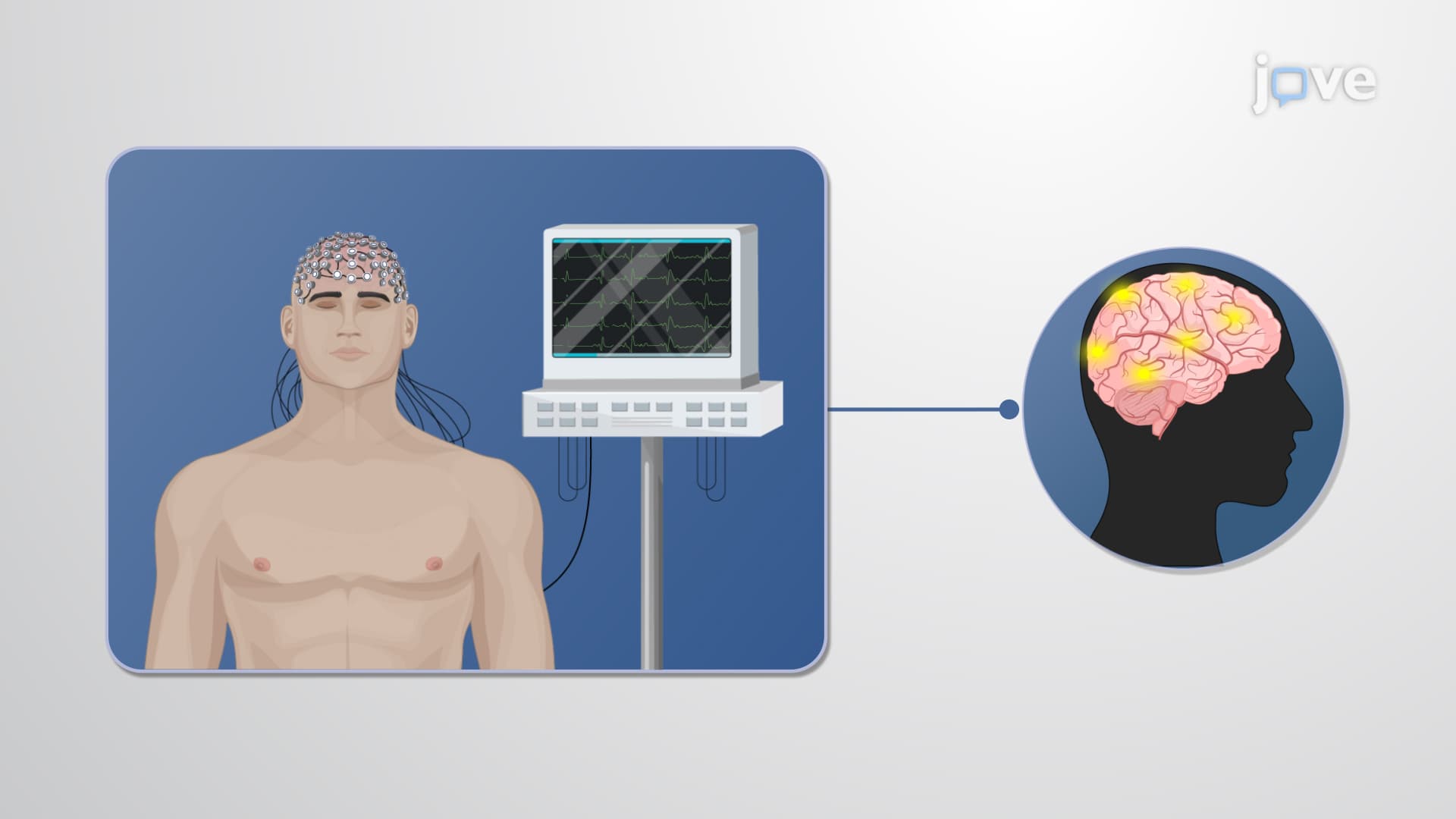
Modern epilepsy diagnosis relies heavily on electroencephalography (EEG), which records electrical activity in the brain through electrodes placed on the scalp. The Mayo Clinic's epilepsy monitoring units use continuous EEG recording to capture seizure events and identify abnormal brain wave patterns between seizures, called interictal discharges.
Neuroimaging techniques, including MRI and PET scans, help identify structural abnormalities that might cause seizures. For college students studying this topic, understanding these diagnostic tools is essential for courses in neuroscience, psychology, and pre-health programs. The interpretation of EEG patterns often appears in MCAT practice questions and medical school examinations.
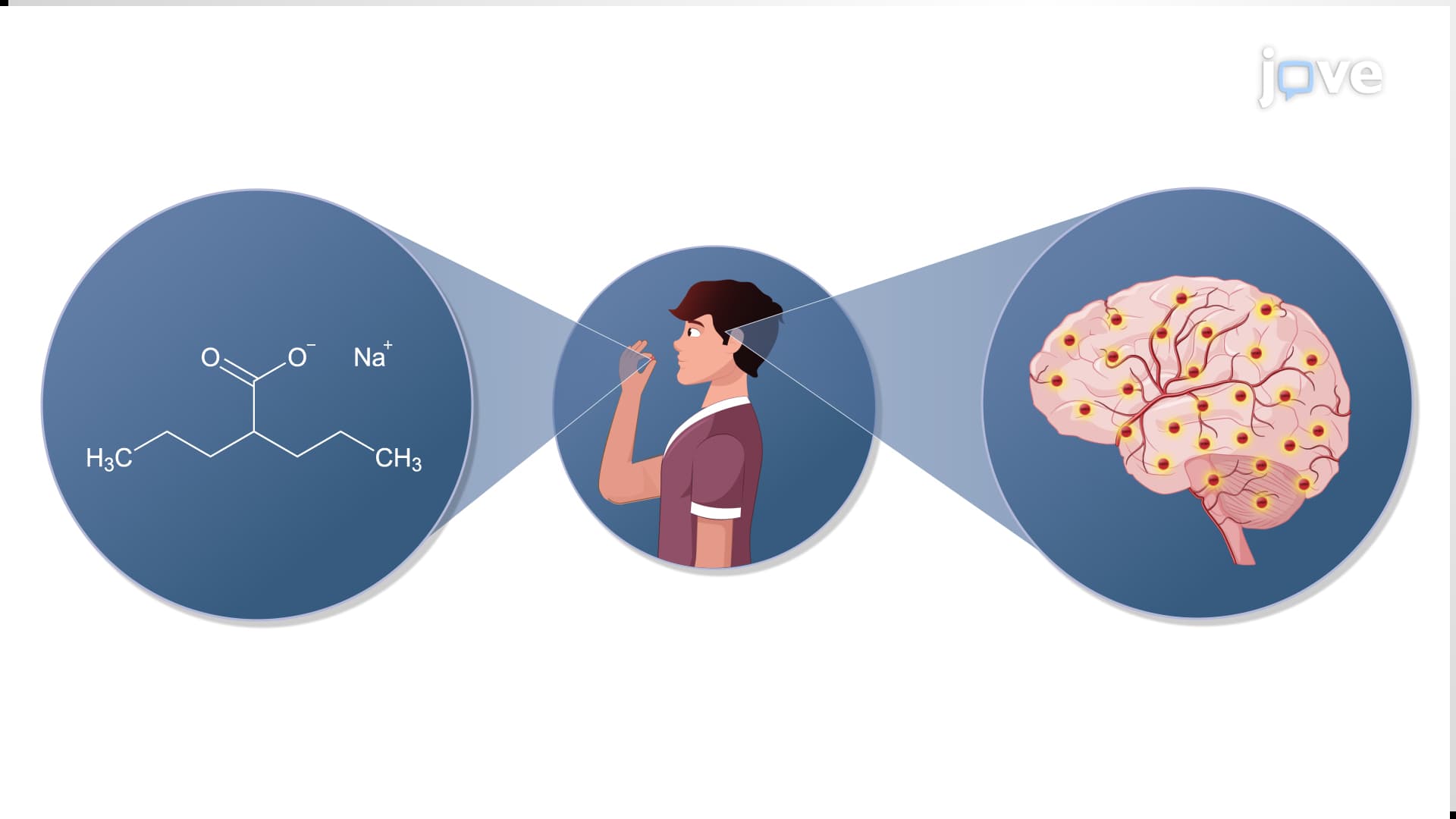
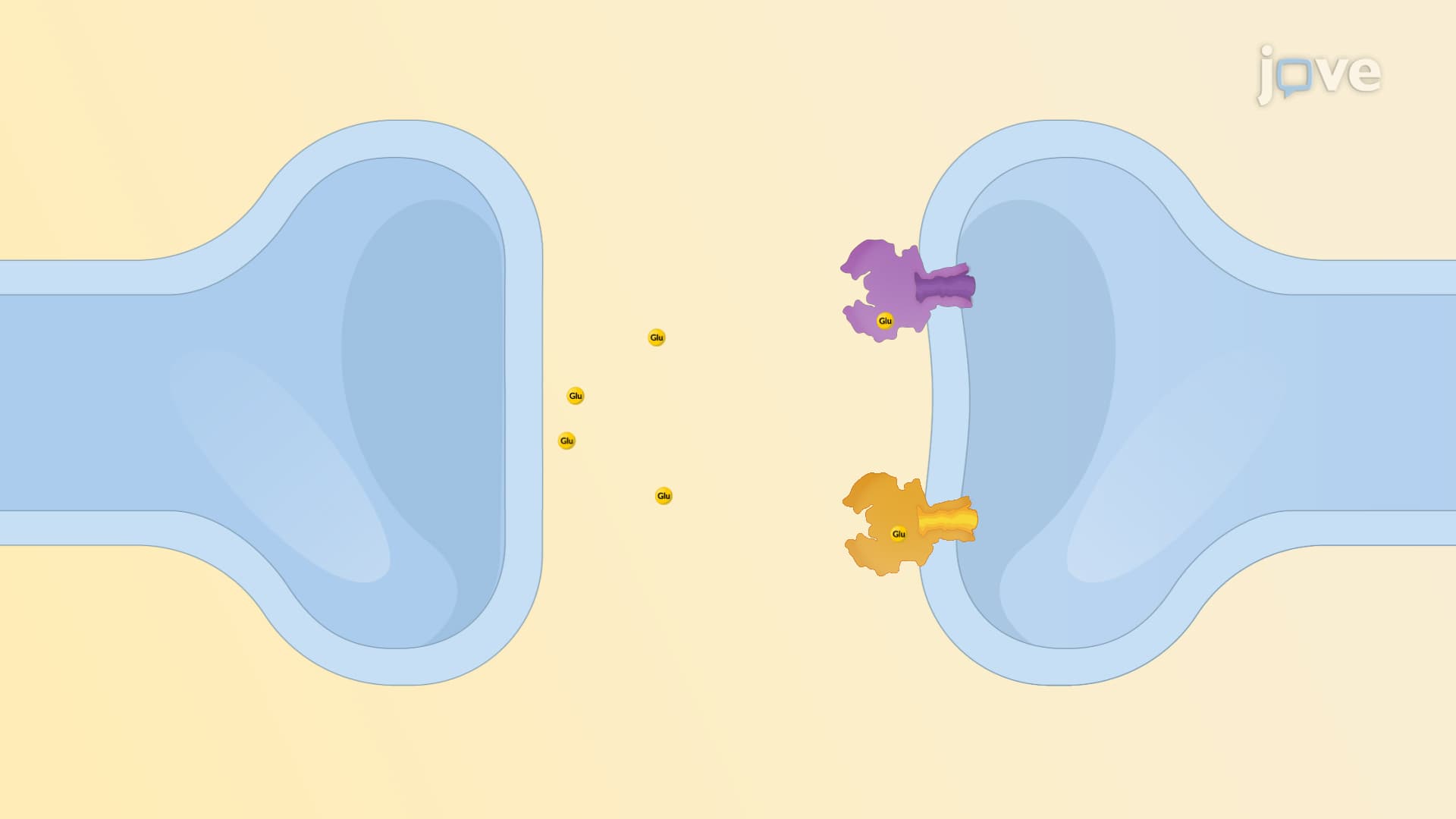
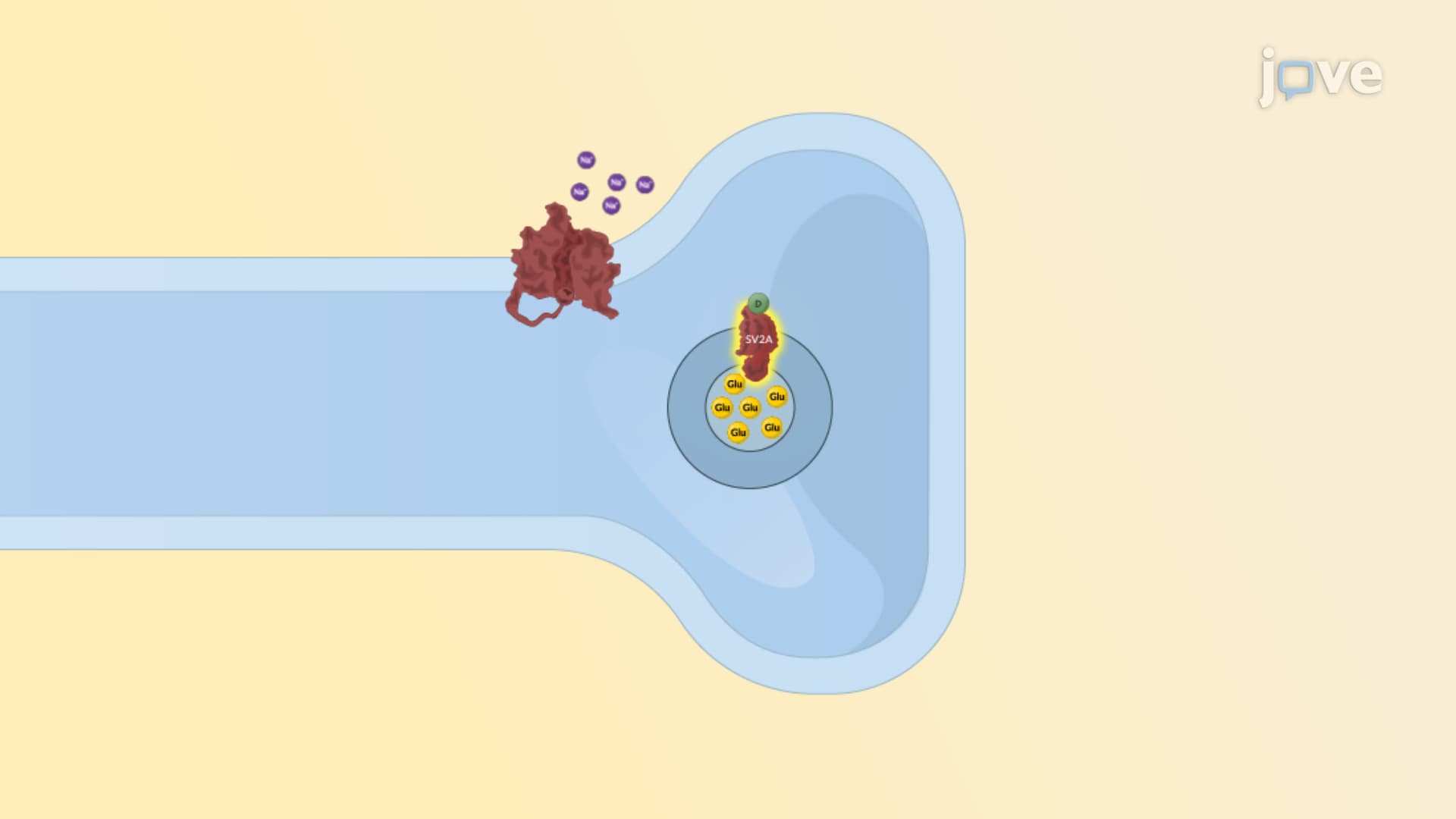
Contemporary epilepsy management focuses primarily on seizure suppression through antiepileptic drugs (AEDs). These medications work through various mechanisms: sodium channel blockers like phenytoin prevent rapid neuronal firing, while drugs like lorazepam enhance GABA-mediated inhibition. The Cleveland Clinic's epilepsy program emphasizes that successful treatment often requires trying multiple medications to find the most effective combination with minimal side effects.
Research institutions like the University of Utah utilize animal models, including transgenic mice and established seizure tests, to develop more targeted therapies. These research methods frequently appear in advanced biology coursework and provide excellent examples for students writing research papers or preparing for graduate school applications.
Related Micro-courses