Loading video…


 10 Concepts
 15.9K views
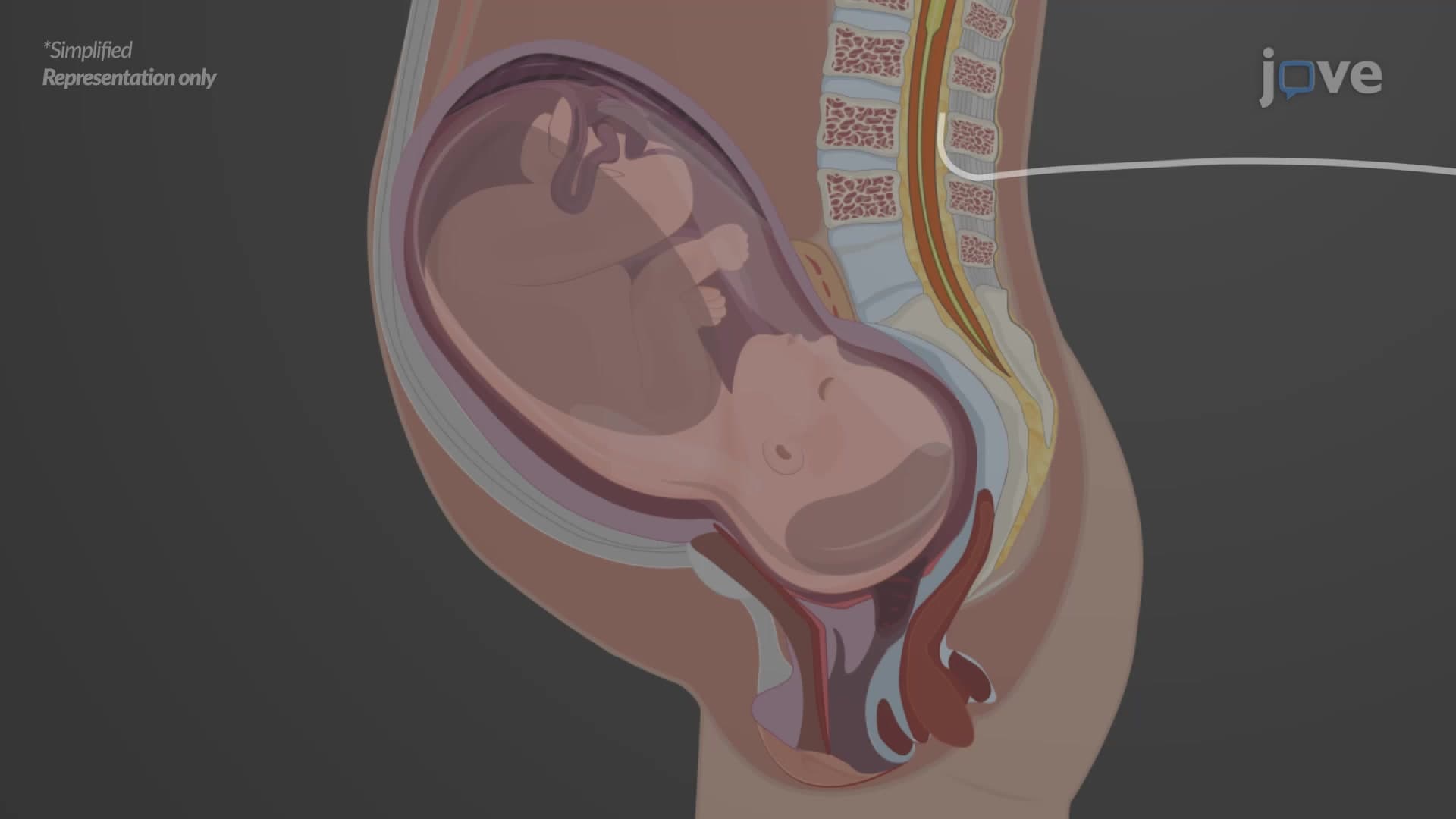

Video Summary: Clinical Applications of Local Anesthetics Epidural Anesthesia
During childbirth at Johns Hopkins Hospital, many mothers receive epidural anesthesia to manage labor pain while maintaining the ability to push effectively. Clinical applications of local anesthetics encompass various techniques, with epidural anesthesia representing a precise method of pain control that selectively targets different nerve fibers based on drug concentration. This targeted approach allows physicians to block pain sensations without completely eliminating motor function, making it ideal for surgical procedures and labor management. Watch the full video on JoVE Coach to master this concept with expert-led visuals and step-by-step explanations.
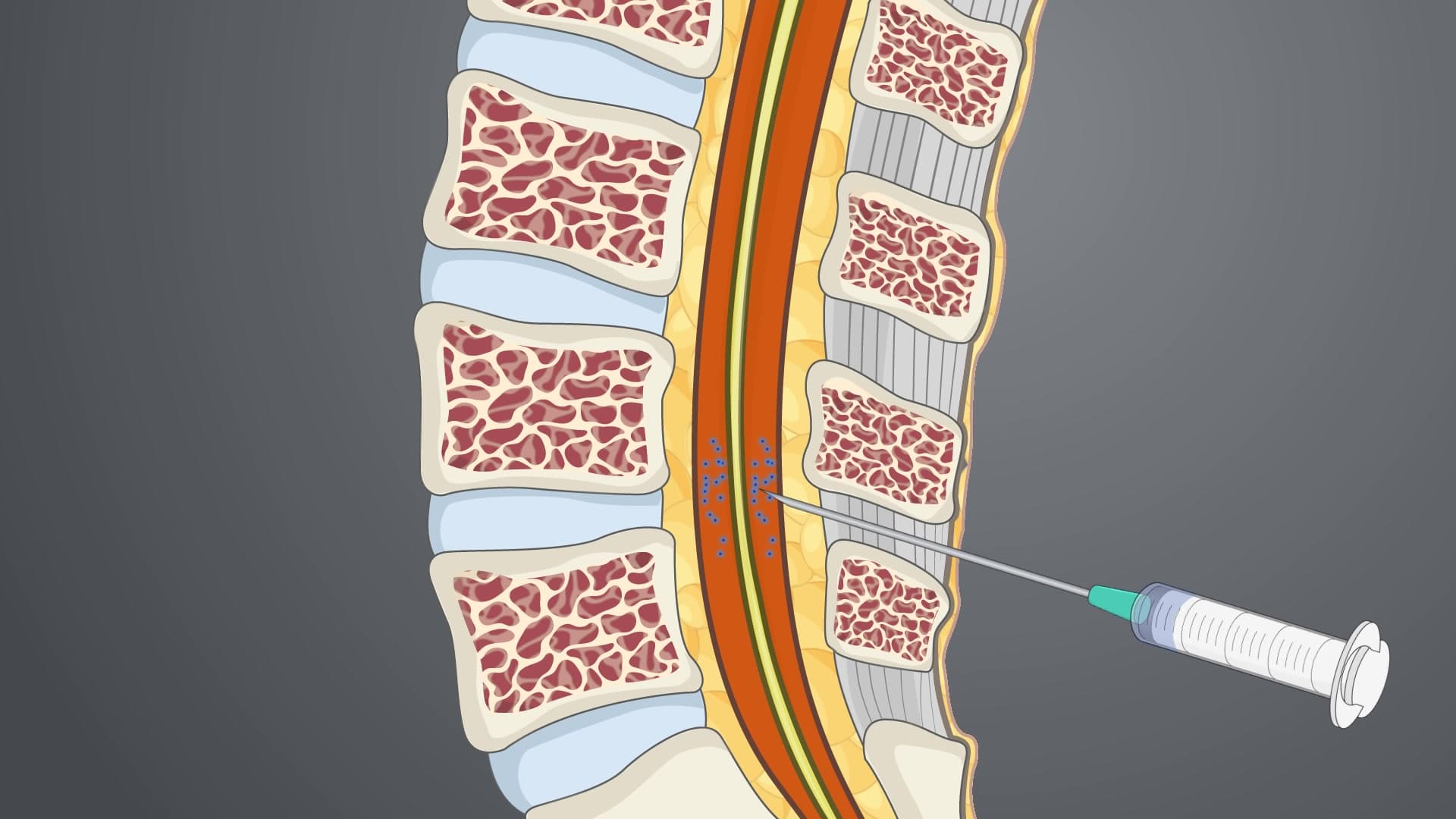
Epidural anesthesia represents one of the most sophisticated applications of local anesthetic pharmacology in modern medicine. Unlike general anesthesia, which affects the entire body, epidural techniques provide targeted pain relief by delivering local anesthetics directly into the epidural space-a fat-filled compartment surrounding the spinal cord. This precision makes epidural anesthesia invaluable for procedures involving the lower abdomen, pelvis, and during labor and delivery at major medical centers like Mayo Clinic and Cleveland Clinic.
The epidural space extends from the base of the skull to the sacral hiatus, but clinical applications typically focus on thoracic, lumbar, and sacral regions. Anesthesiologists access this space using specialized needles, often placing catheters that enable continuous drug infusion. This catheter-based approach proves essential for lengthy surgical procedures or prolonged labor, as short-acting local anesthetics can be repeatedly administered to maintain effective pain control without the risks associated with large single doses.
The remarkable clinical utility of epidural anesthesia stems from the differential sensitivity of nerve fibers to local anesthetics. High concentrations block all nerve types-sympathetic, sensory, and motor-producing complete anesthesia suitable for major surgery. Intermediate concentrations selectively target sensory fibers while preserving motor function, allowing patients to remain mobile during certain procedures. Low concentrations affect only sympathetic nerves, providing pain relief while maintaining both sensation and motor control. This principle proves crucial for MCAT and nursing board examinations, where understanding pharmacodynamic relationships determines correct answer selection.
During labor and delivery, epidural anesthesia offers significant advantages over systemic pain medications. By using low-concentration local anesthetics that primarily block sympathetic nerve transmission, obstetricians can provide effective pain relief while preserving the mother's ability to push during delivery. This approach minimizes fetal drug exposure, as lower concentrations reduce placental transfer and subsequent effects on newborn respiration-a critical safety consideration that frequently appears in NCLEX-RN and USMLE Step 2 examinations. Understanding these maternal-fetal pharmacokinetic principles helps students excel in obstetrics coursework and professional licensing examinations.
Related Micro-courses