Loading video…


 10 Concepts
 15.9K views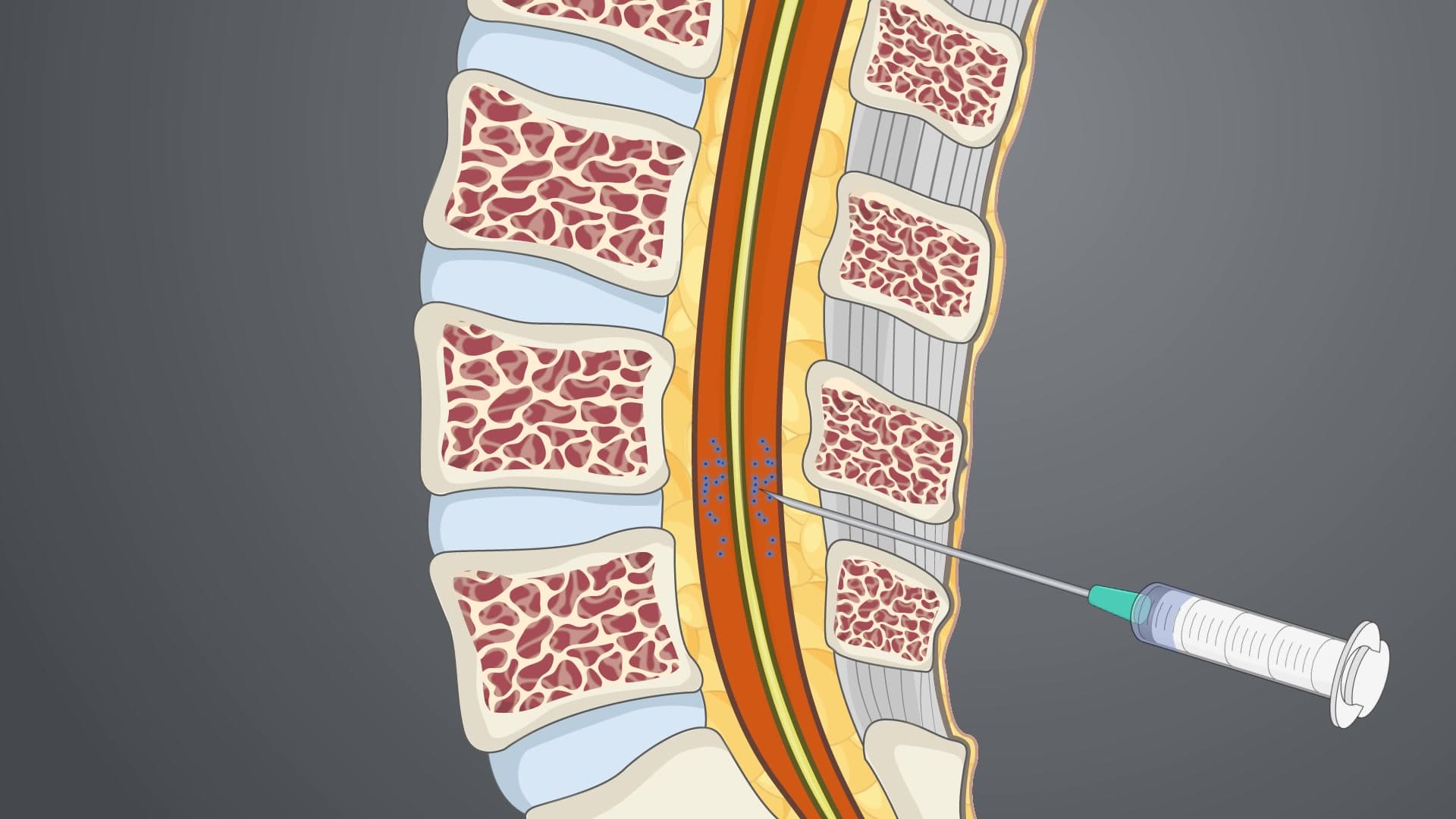

Video Summary: Clinical Applications of Local Anesthetics Spinal Anesthesia
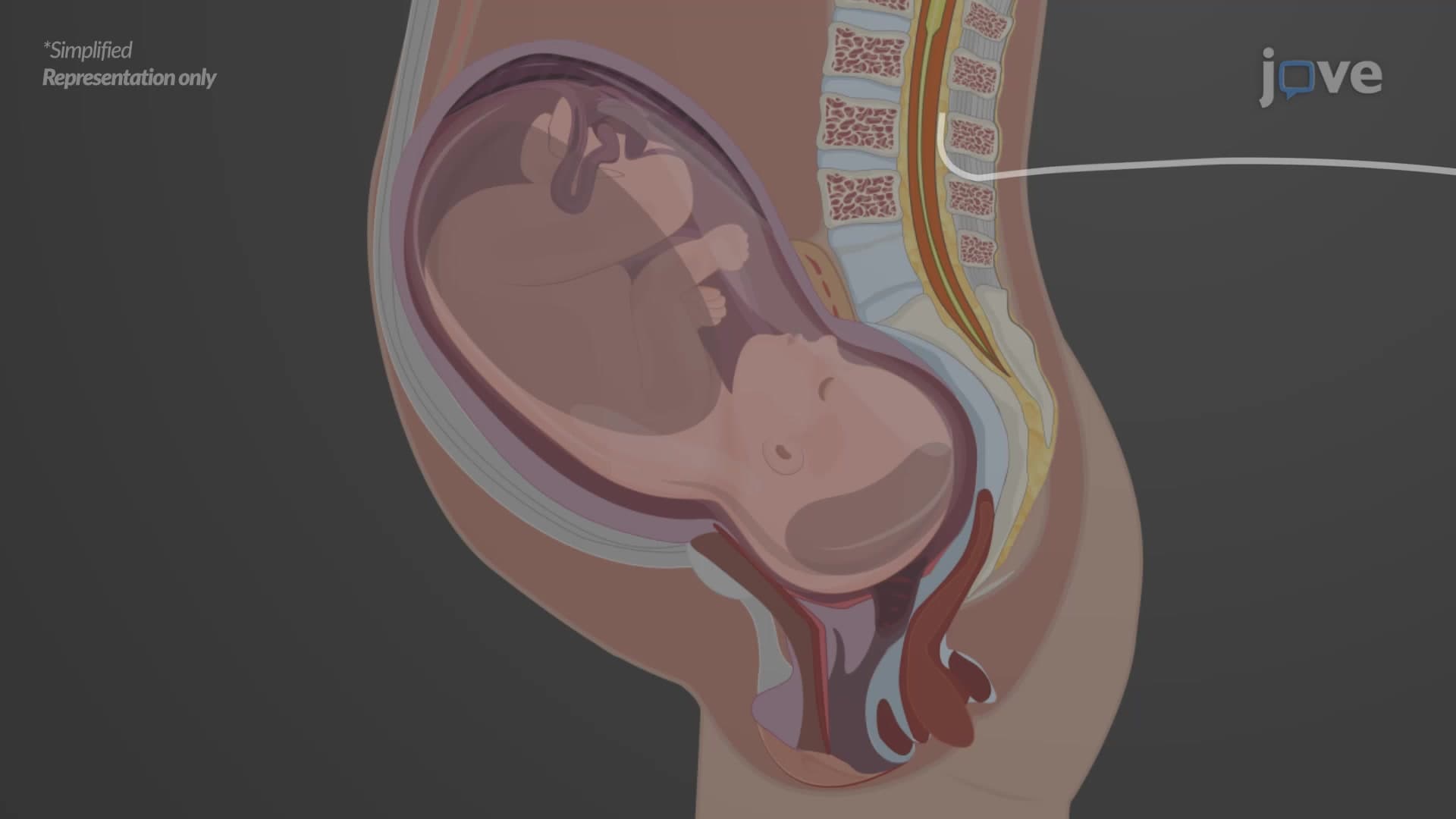
Did you know that during cesarean sections at hospitals like Johns Hopkins, anesthesiologists can block pain from the waist down using just a small injection into your spine? Clinical applications of local anesthetics demonstrate how spinal anesthesia works by targeting the subarachnoid space in the lumbar region. These medications spread through cerebrospinal fluid, creating precise nerve blockades that eliminate sensation during lower abdominal and limb surgeries. Watch the full video on JoVE Coach to master this concept with expert-led visuals and step-by-step explanations.
Spinal anesthesia represents one of the most precise applications of local anesthetics in modern medicine. This technique involves injecting anesthetic agents directly into the subarachnoid space, creating targeted nerve blockades for surgeries involving the lower abdomen, pelvis, and lower extremities. At major medical centers like Mayo Clinic and Cleveland Clinic, anesthesiologists routinely perform thousands of spinal anesthetics annually for procedures ranging from hip replacements to cesarean deliveries.
The subarachnoid space, located between the arachnoid mater and pia mater, contains cerebrospinal fluid that bathes the spinal cord and nerve roots. During spinal anesthesia, the injection typically occurs at the L3-L4 or L4-L5 interspace, well below the termination of the spinal cord at L1-L2. This anatomical consideration ensures safety while providing optimal drug distribution. The cerebrospinal fluid serves as both the medium for drug distribution and the pathway through which local anesthetics reach their target neurons.
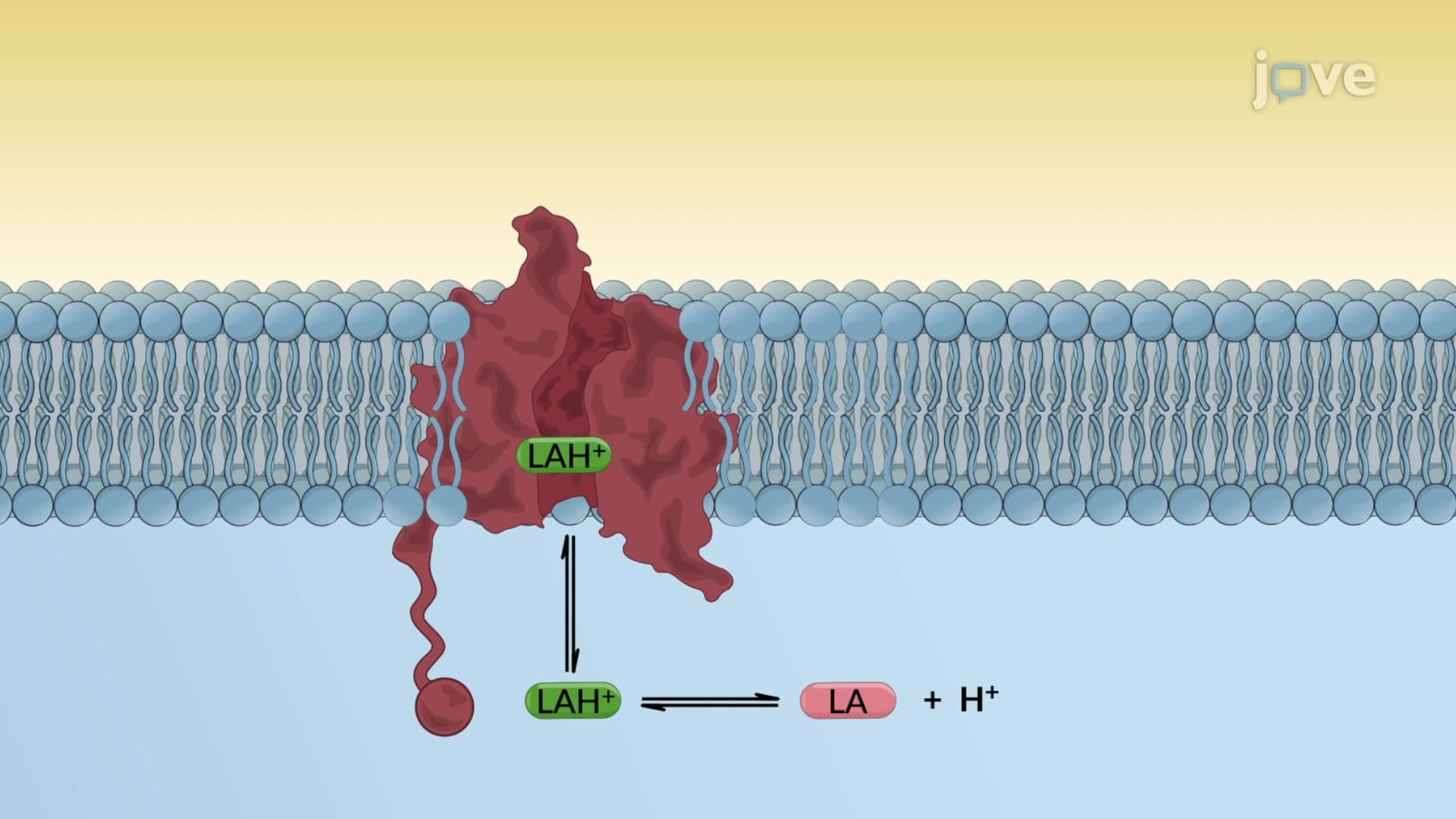
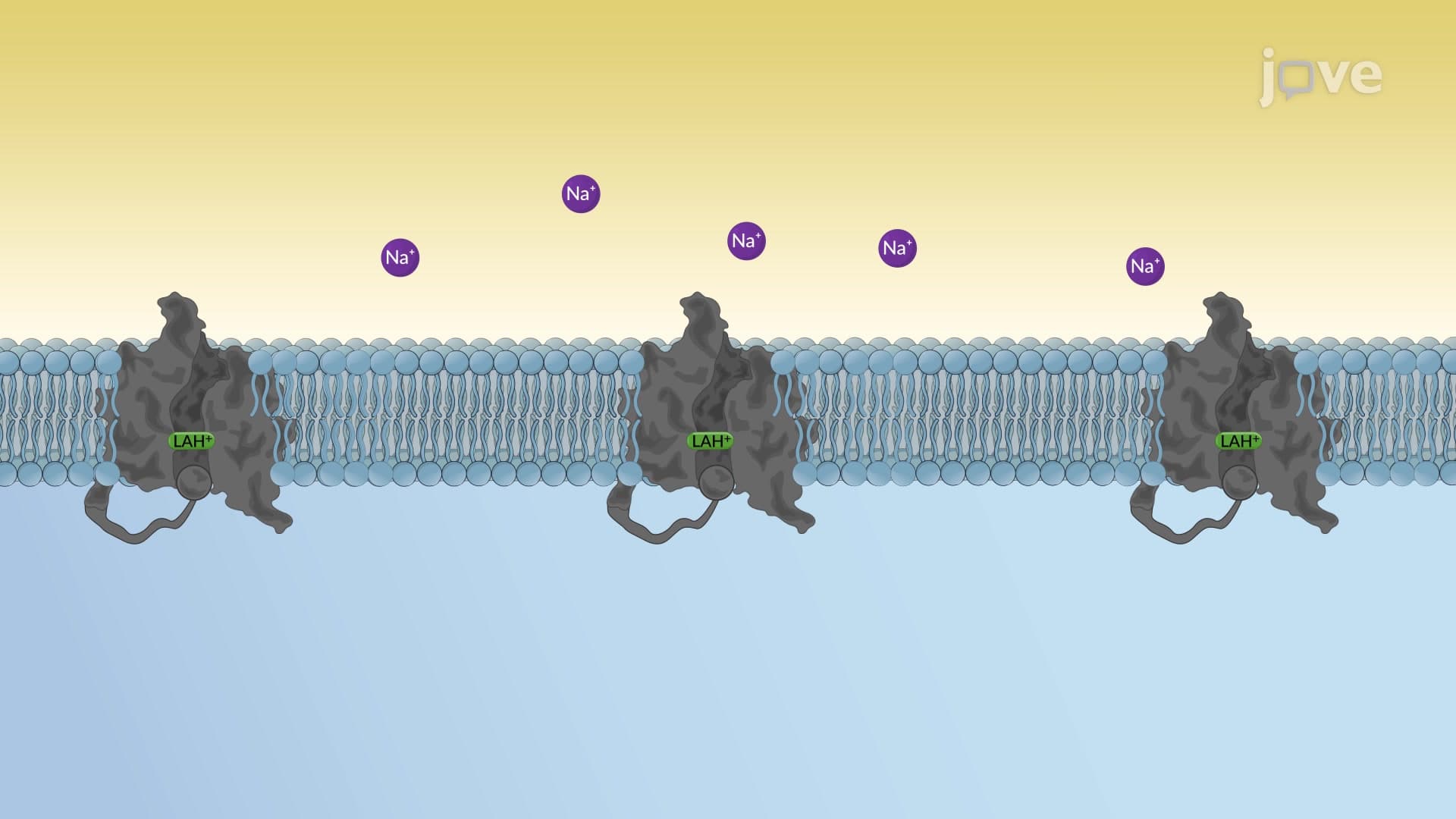
The effectiveness of spinal anesthesia depends on several pharmacological principles. Local anesthetics work by blocking sodium channels in nerve membranes, preventing action potential propagation. In the spinal environment, these drugs demonstrate differential blockade-sensory fibers are blocked at lower concentrations than motor fibers. This selectivity allows anesthesiologists to provide pain relief while potentially maintaining some motor function, depending on the dose administered.
The physical properties of anesthetic solutions critically influence their clinical behavior. Hyperbaric solutions, created by adding glucose to increase density above that of cerebrospinal fluid, tend to settle in dependent areas due to gravity. This characteristic proves valuable for procedures requiring anesthesia in specific anatomical regions. Conversely, hypobaric solutions, with densities lower than cerebrospinal fluid, tend to rise and spread upward. Isobaric solutions maintain equal density to cerebrospinal fluid and provide more predictable, localized distribution patterns.
Understanding these concepts proves essential for students preparing for advanced coursework in anesthesiology, nursing, or pre-medical studies. The MCAT frequently tests knowledge of local anesthetic mechanisms, while NCLEX examinations emphasize perioperative nursing considerations for spinal anesthesia patients.
Related Micro-courses