Loading subject page…


15,884 views

Video Summary: Local Anesthetics Chemistry and Structure Explained
Did you know that the numbing injection you receive at the dentist works by temporarily "switching off" nerve signals at the molecular level? Local anesthetics chemistry structure involves amphiphilic molecules with distinct hydrophilic and lipophilic regions that enable them to cross cell membranes and block sodium channels. For example, lidocaine used in US emergency departments has an amide linkage that provides longer-lasting pain relief compared to ester-linked alternatives. Understanding Local Anesthetics Chemistry And Structure Explained reveals how these life-changing medications work at the molecular level. Watch the full video on JoVE Coach to master this concept with expert-led visuals and step-by-step explanations.
Local anesthetics represent a fascinating intersection of organic chemistry and pharmacology, where molecular structure directly determines therapeutic effectiveness. These medications contain amphiphilic properties-meaning they have both water-loving (hydrophilic) and fat-loving (lipophilic) components within the same molecule. This dual nature is essential for their function, allowing them to navigate both aqueous environments in body fluids and lipid-rich nerve cell membranes.
The central connection between the hydrophilic amine group and lipophilic aromatic ring occurs through either ester or amide bonds, creating two distinct families of local anesthetics. Ester-linked compounds like procaine (historically known as Novocain) contain a carbon-oxygen bond that makes them vulnerable to plasma esterases-enzymes naturally present in blood that rapidly break down these medications. This explains why ester anesthetics typically provide shorter-duration pain relief, often lasting only 30-60 minutes.
Amide-linked local anesthetics such as lidocaine, bupivacaine, and articaine demonstrate superior chemical stability. The carbon-nitrogen amide bond resists enzymatic breakdown, resulting in prolonged anesthetic effects lasting 2-6 hours depending on the specific compound and concentration used. This stability advantage has made amide anesthetics the preferred choice in most US medical and dental practices, particularly for procedures requiring extended numbness.
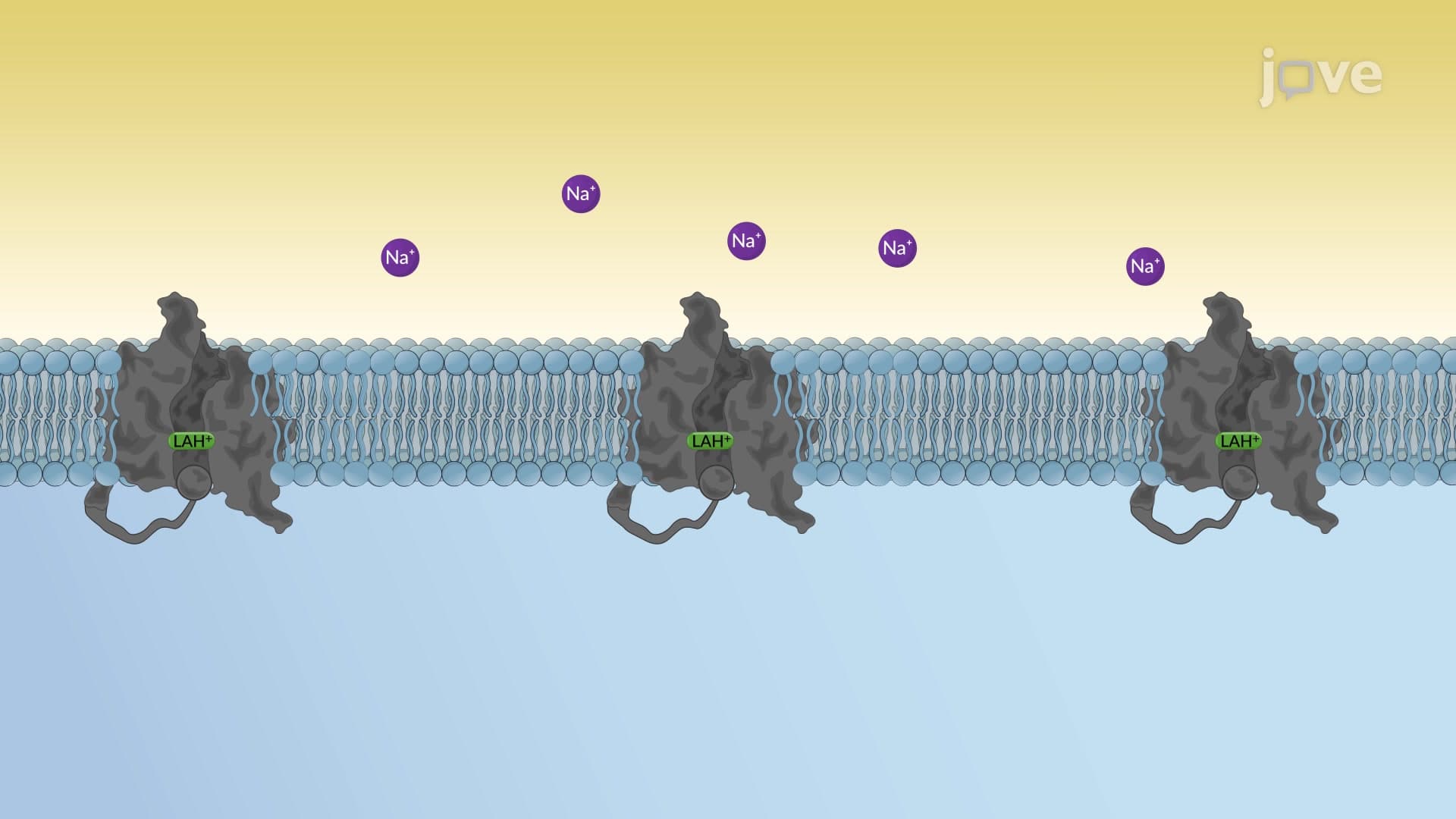
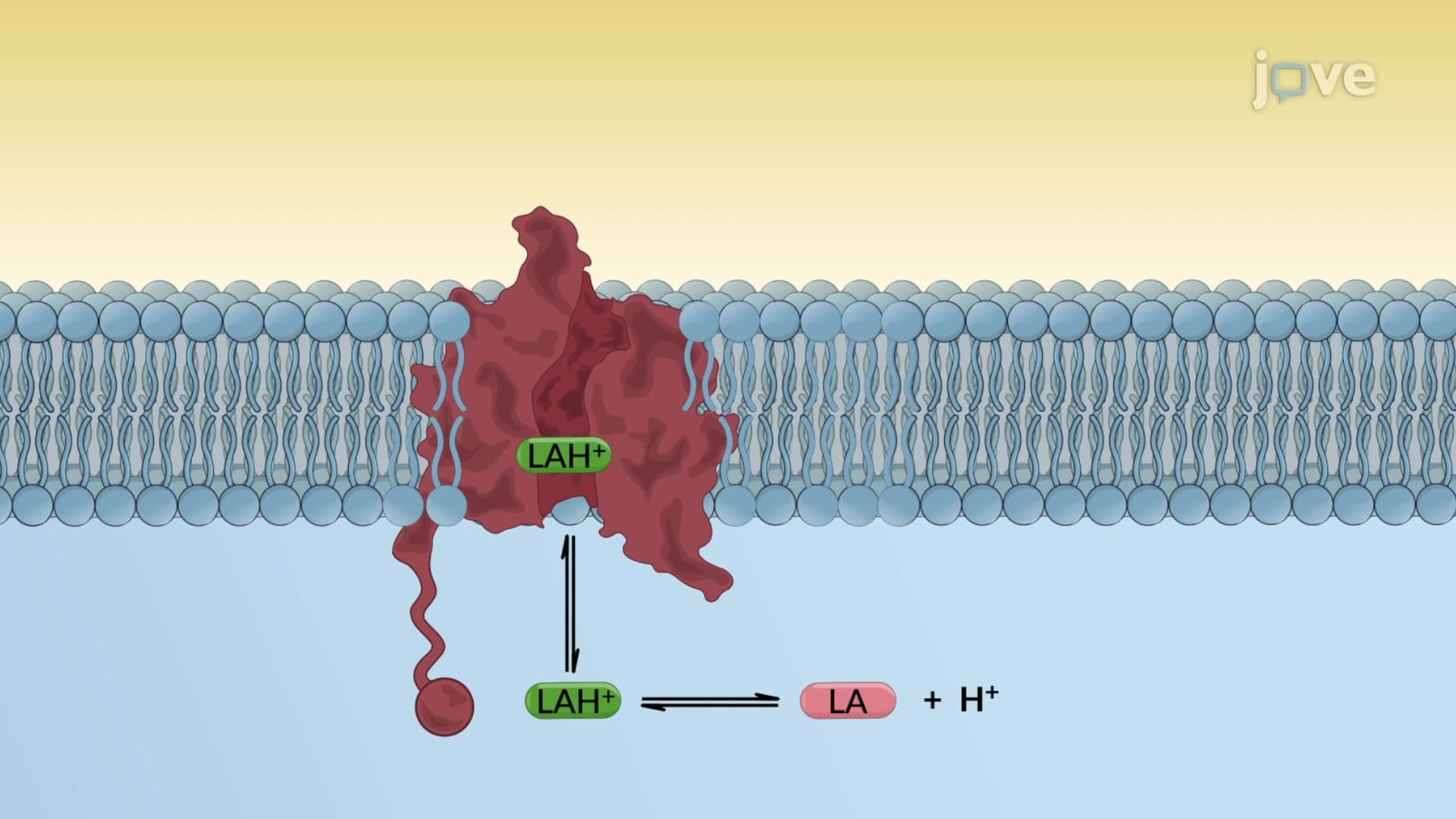
Local anesthetics function through a sophisticated molecular mechanism involving sodium channel blockade. As weak bases with pKa values typically ranging from 7.5-9.5, these compounds exist in equilibrium between ionized and non-ionized forms at physiological pH (7.4). The non-ionized form crosses lipid membranes, while the ionized form blocks sodium channels from the inside of nerve cells.
This pH-dependent mechanism explains why local anesthetics may be less effective in infected or inflamed tissues, where lower pH shifts the equilibrium toward the ionized form that cannot easily penetrate cell membranes. Understanding this concept helps explain clinical observations and prepares students for advanced pharmacology concepts in pre-med, nursing, and pharmacy programs.
Different structural modifications affect potency, duration, and toxicity profiles. For instance, adding carbon atoms to the alkyl chain increases lipophilicity and potency but also raises the risk of systemic toxicity. This structure-activity relationship knowledge proves essential for MCAT preparation and pharmacy school coursework, where students must predict drug properties based on molecular structure.
Related Micro-courses