Loading subject page…


15,884 views

Video Summary: Local Anesthetics Common Agents and Clinical Applications
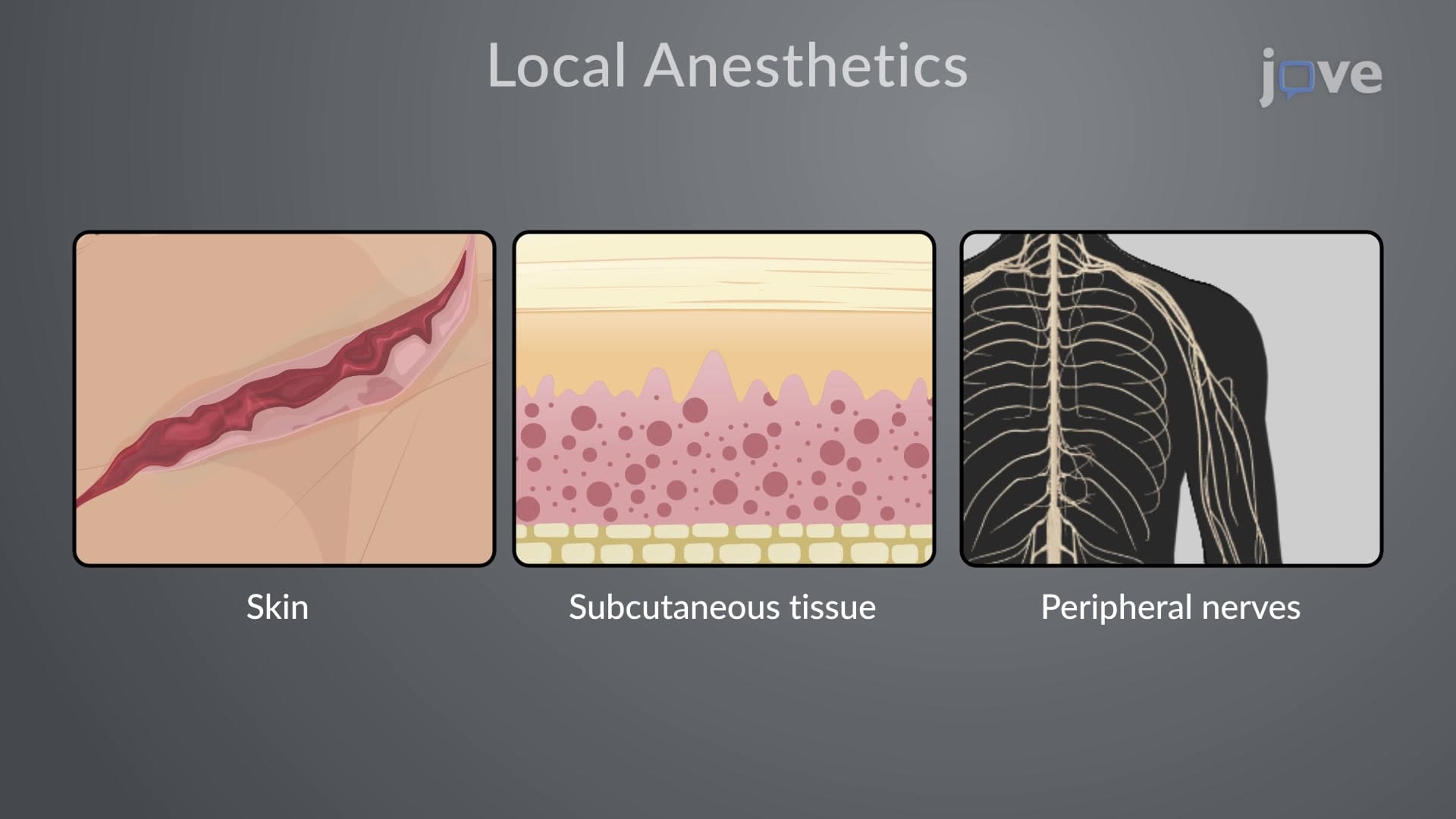
Did you know that the numbing gel your dentist uses contains the same type of drug found in throat lozenges at CVS? Local anesthetics: common agents work by blocking nerve signals to eliminate pain sensation in specific body areas. From benzocaine in Orajel to lidocaine injections during minor surgeries at US hospitals, these medications are essential tools in modern medicine. Local Anesthetics: Common Agents and Clinical Applications encompasses everything from over-the-counter topical treatments to specialized ophthalmic solutions used by eye doctors across America. Watch the full video on JoVE Coach to master this concept with expert-led visuals and step-by-step explanations.
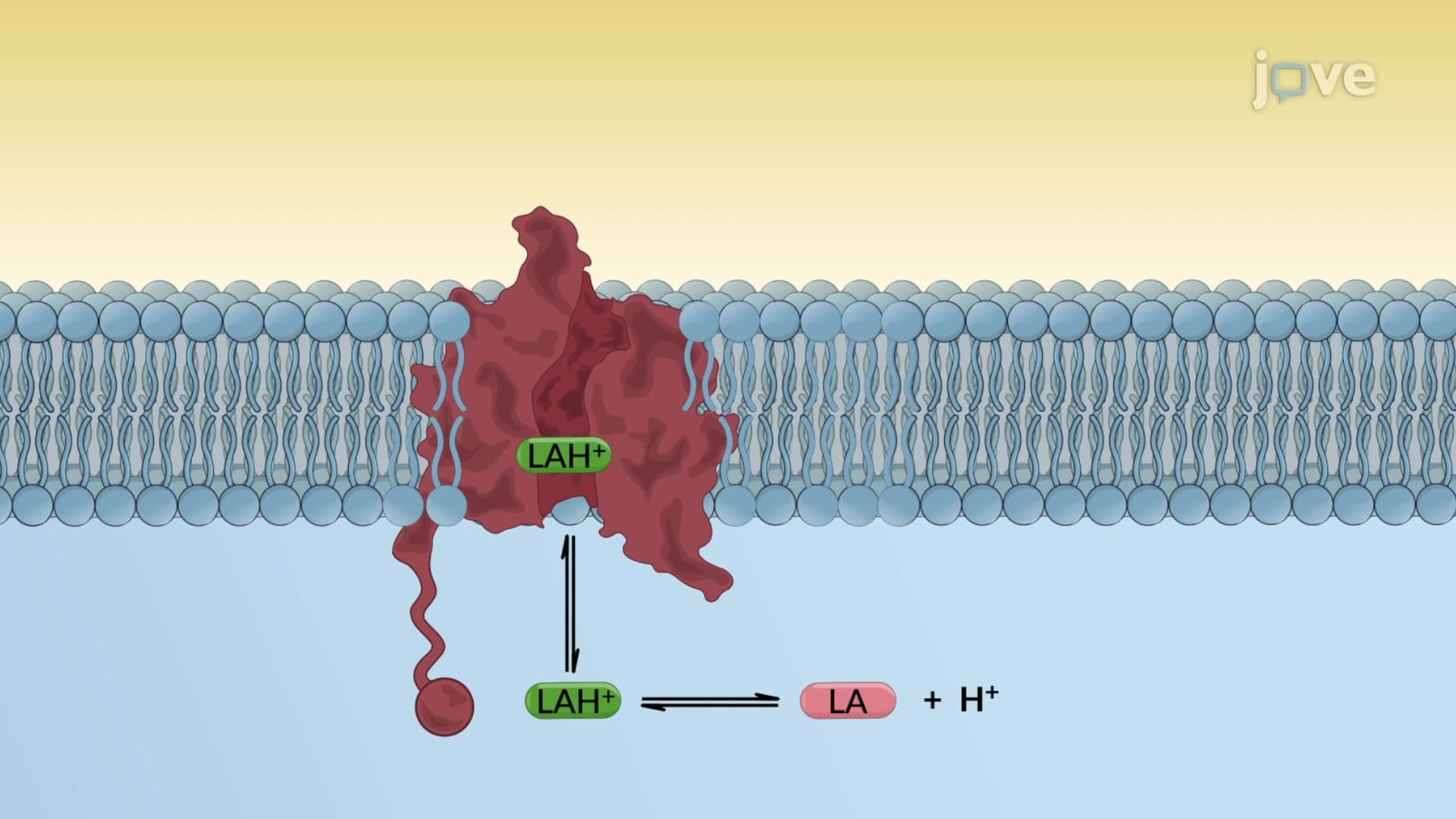
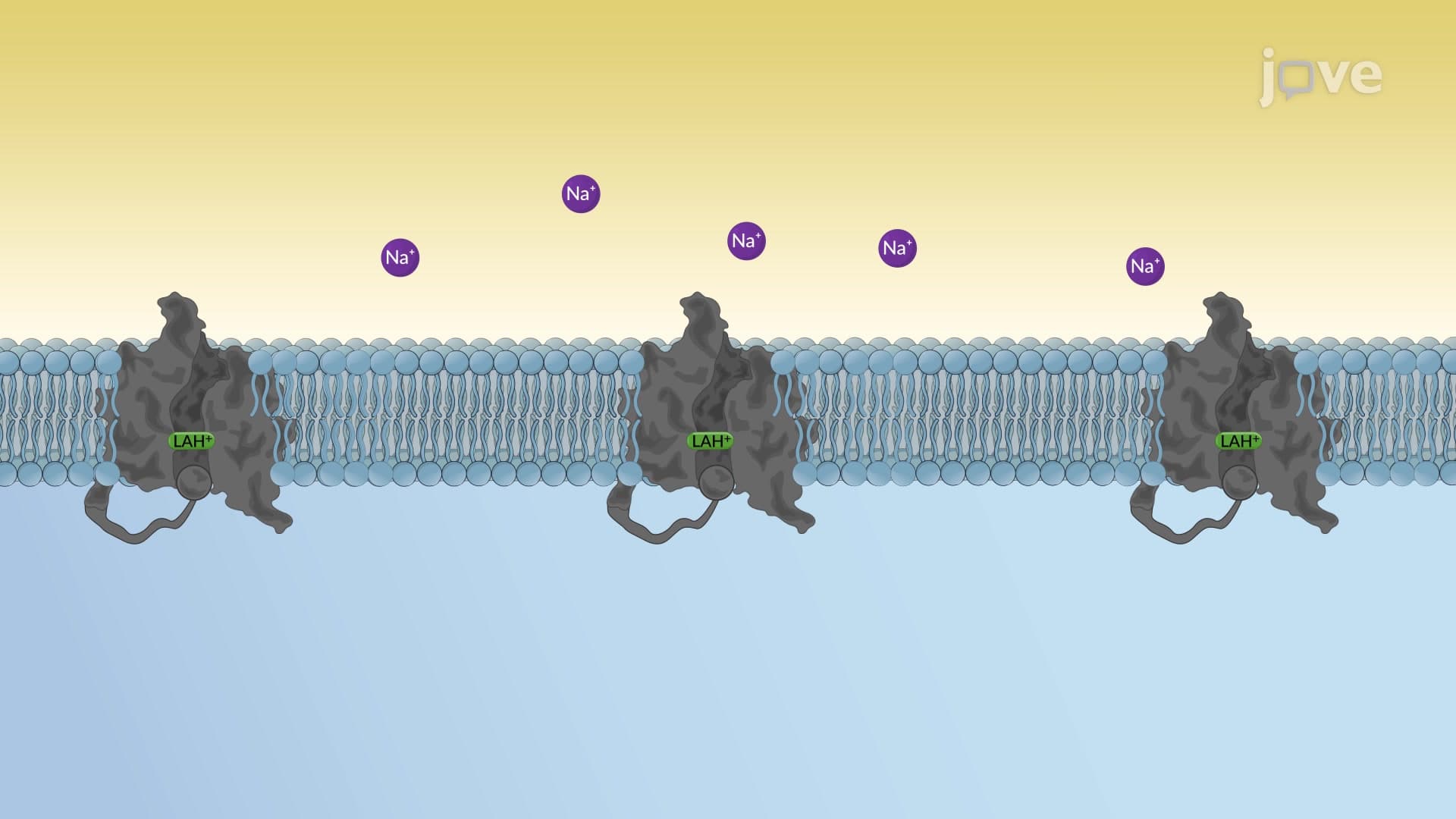
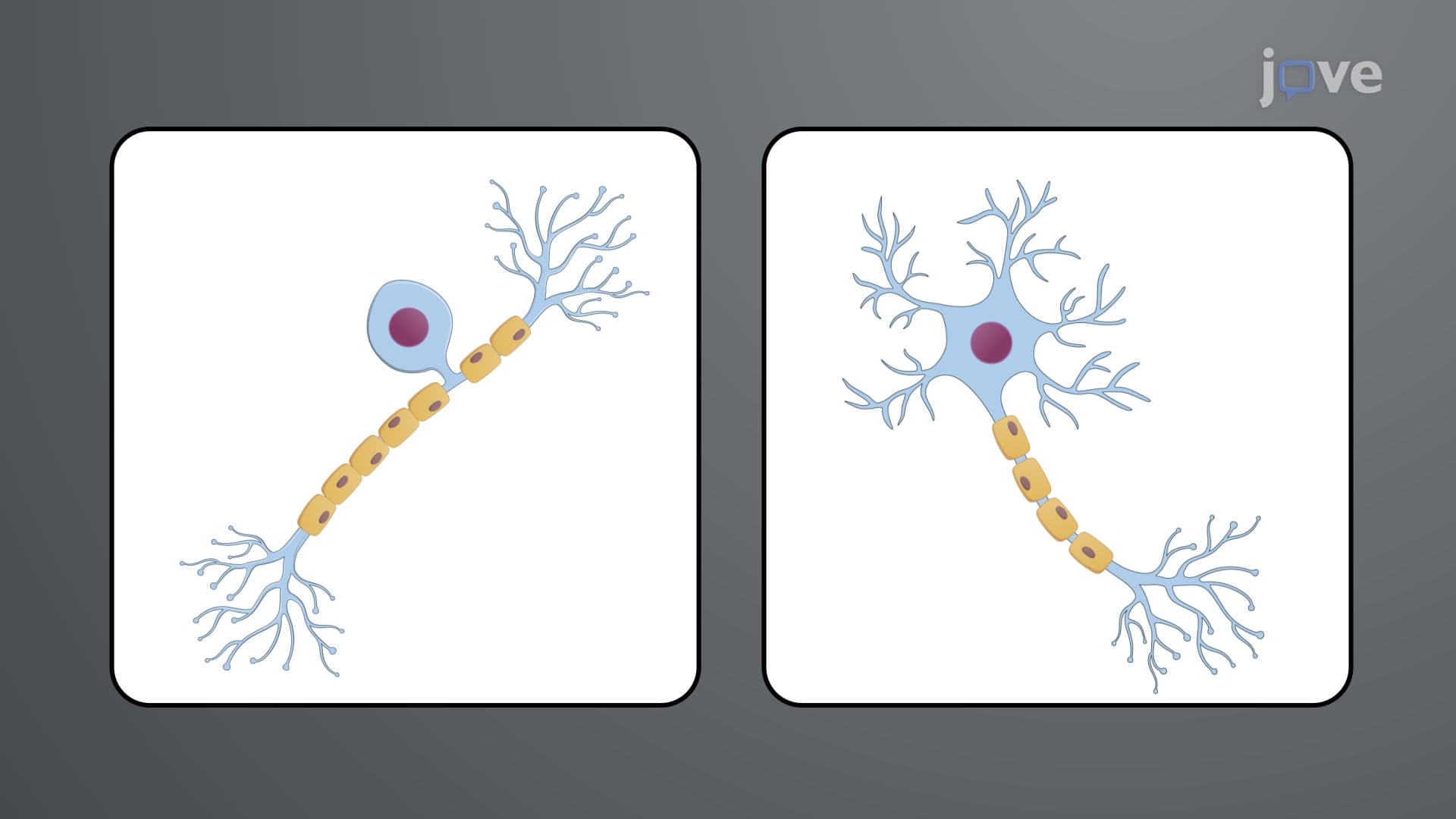
Local anesthetics represent a cornerstone of modern pain management, working by reversibly blocking sodium channels in nerve membranes to prevent pain signal transmission. These medications have revolutionized medical procedures, from routine dental work to complex surgical interventions across US healthcare facilities. Unlike general anesthesia, local anesthetics provide targeted numbness while maintaining patient consciousness, making them invaluable for outpatient procedures.
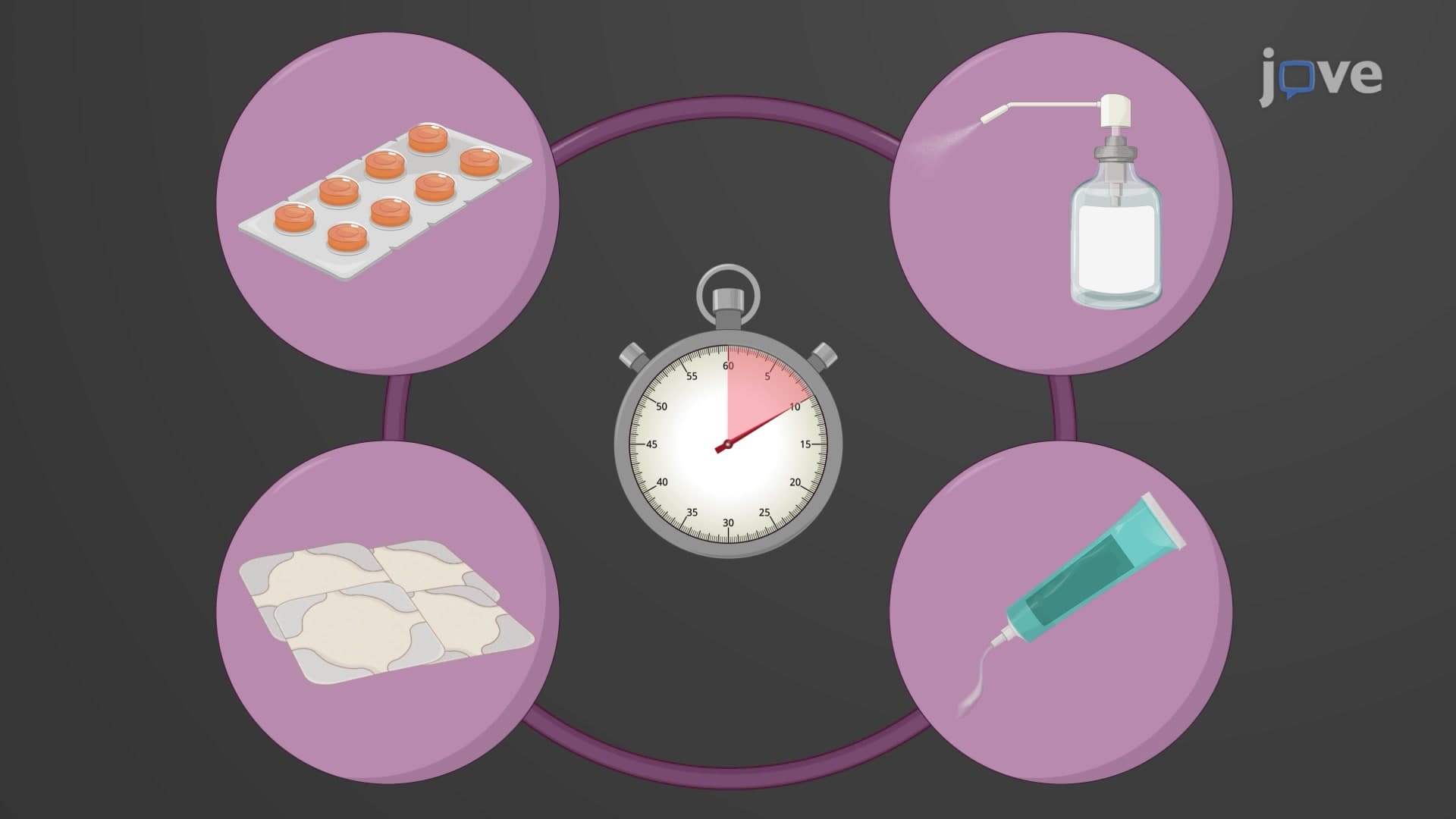
The most commonly encountered local anesthetics include topical preparations available at pharmacies nationwide. Benzocaine, found in products like Anbesol and Hurricane gel, demonstrates low aqueous solubility that allows sustained localized action when applied directly to wounds or mucous membranes. Dyclonine and pramocaine, featured in throat sprays and cough lozenges, offer rapid absorption through mucous membranes but provide shorter-duration relief. These agents are particularly relevant for students preparing for pharmacy or nursing exams, as understanding their absorption characteristics frequently appears on NCLEX and HESI A2 assessments.
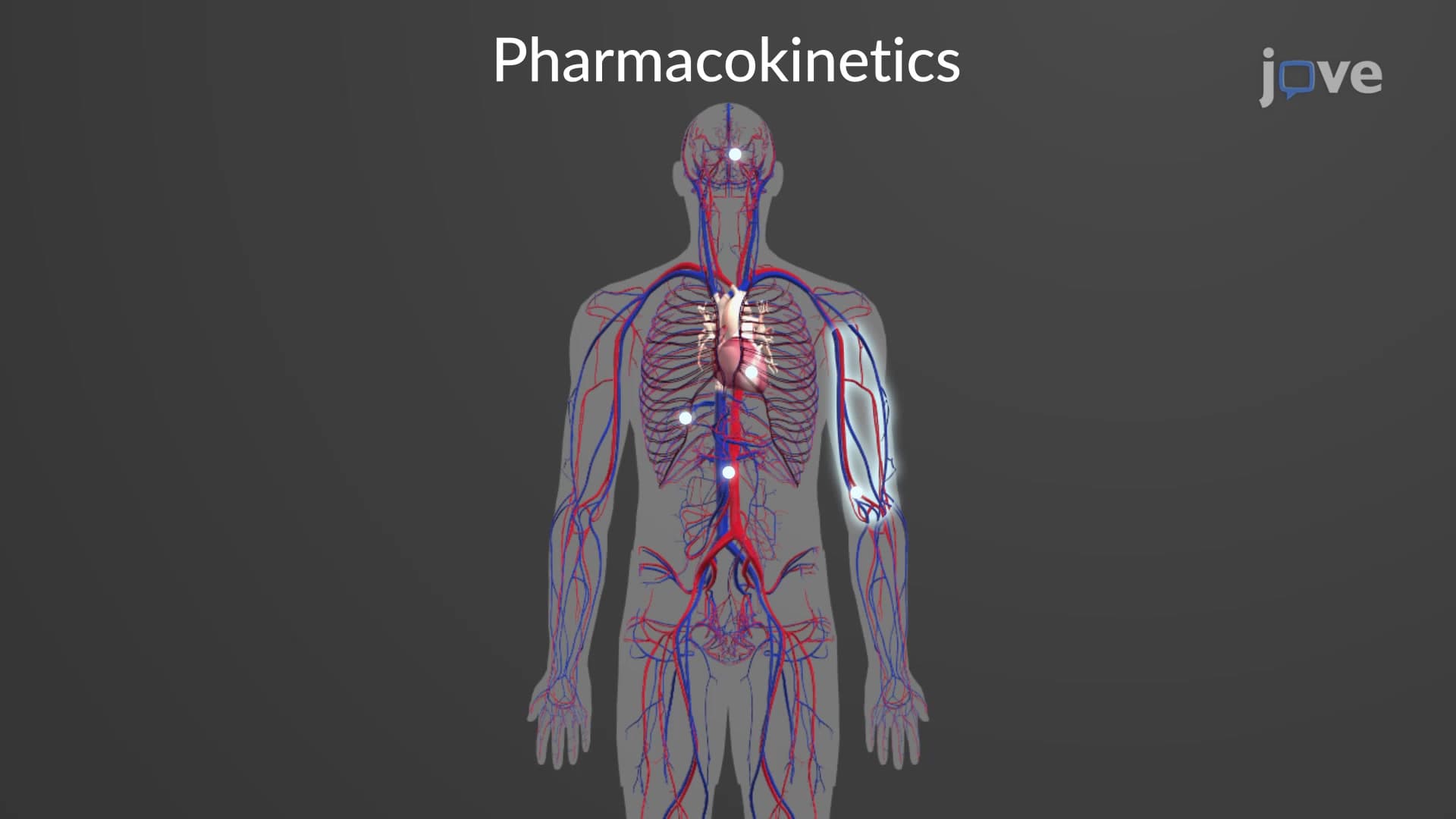
Eye care represents a unique challenge in local anesthetic application due to the organ's sensitivity and specialized anatomy. Proparacaine and tetracaine serve as the primary ophthalmic local anesthetics used in US ophthalmology practices, applied as single drops to avoid corneal damage. The duration of anesthetic effect directly correlates with tissue vascularity-normal corneal tissue maintains longer anesthesia compared to inflamed conjunctival areas that require repeated applications. This concept frequently appears on MCAT questions testing pharmacokinetic principles.
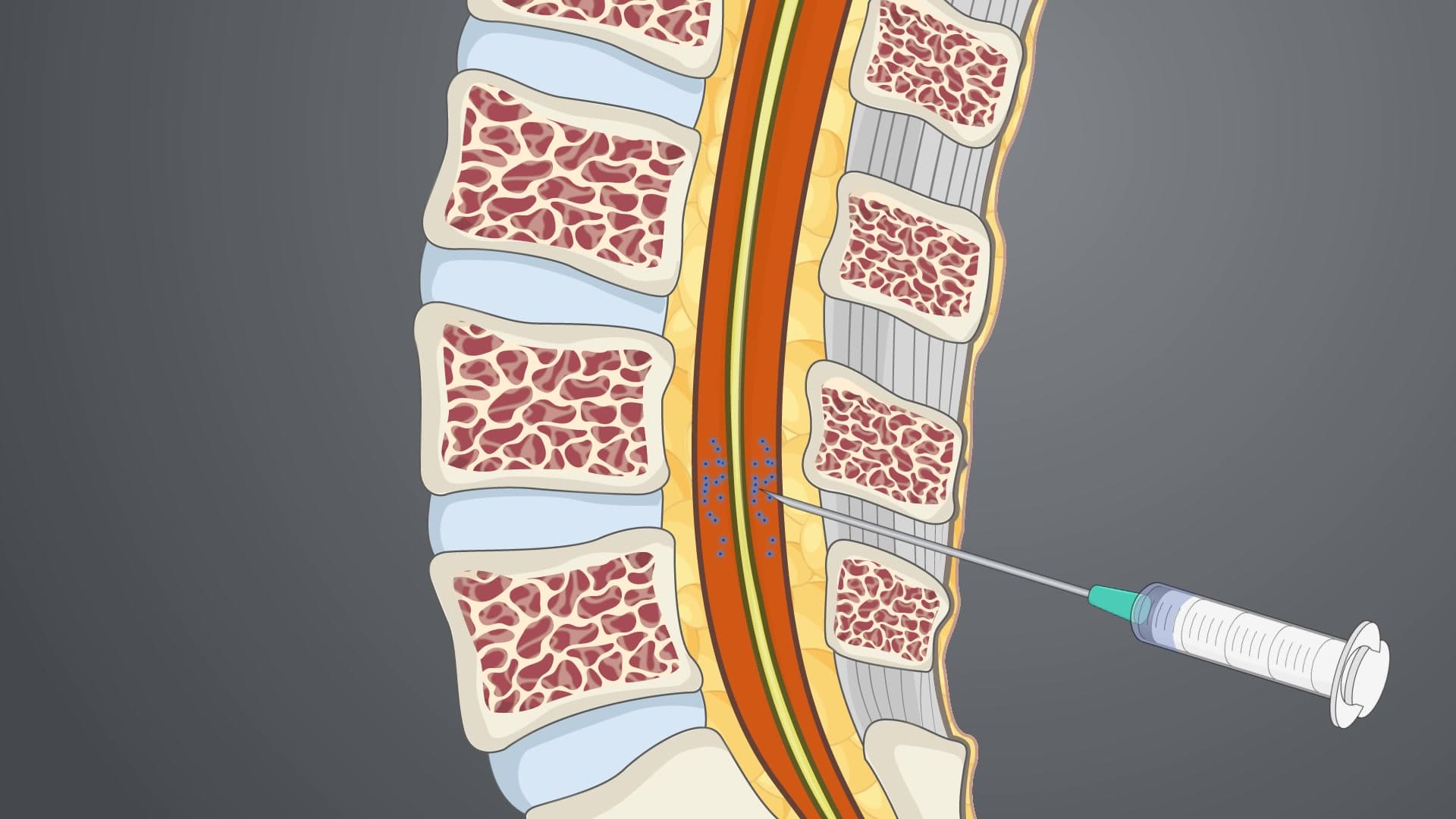
Advanced local anesthetics like lidocaine and bupivacaine enable prolonged anesthesia for surgical procedures and chronic pain management. These agents, commonly used in US emergency departments and surgical suites, provide extended pain relief but require careful dosing due to potential neurotoxic effects. Healthcare professionals must understand that these medications can cause transient neurologic symptoms, necessitating low-concentration applications. For pre-med students, grasping these safety profiles proves essential for USMLE Step 1 preparation, particularly in pharmacology and clinical medicine sections.
Related Micro-courses