Loading subject page…


15,884 views

Video Summary: Local Anesthetics Differential Sensitivity of Explained
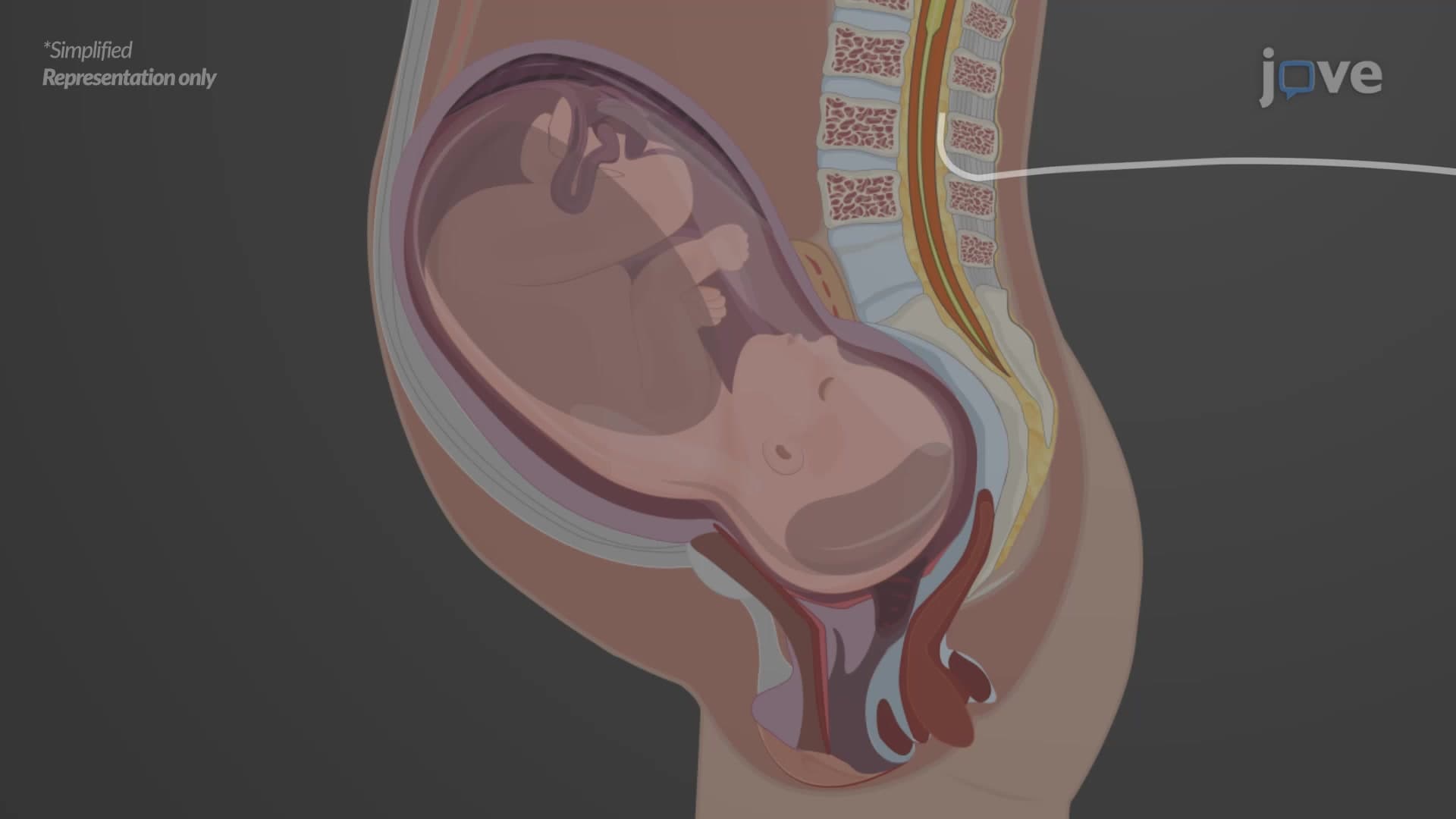
Ever wonder why your dentist can numb your tooth for a filling while you can still move your jaw normally? Local anesthetics differential sensitivity explains this fascinating phenomenon where nerve fibers respond differently to the same anesthetic dose. During epidural anesthesia for childbirth at US hospitals, women experience pain relief while retaining muscle control for delivery. This selective blocking occurs because sensory nerves are more susceptible to local anesthetics than motor nerves, creating targeted numbness without complete paralysis. Watch the full video on JoVE Coach to master this concept with expert-led visuals and step-by-step explanations.
Local anesthetics differential sensitivity represents one of medicine's most elegant examples of selective pharmacological action. Rather than randomly blocking all nerve transmission, these medications demonstrate remarkable specificity based on nerve fiber characteristics. This selectivity forms the foundation for modern pain management techniques used throughout US medical facilities, from routine dental work to complex surgical procedures.
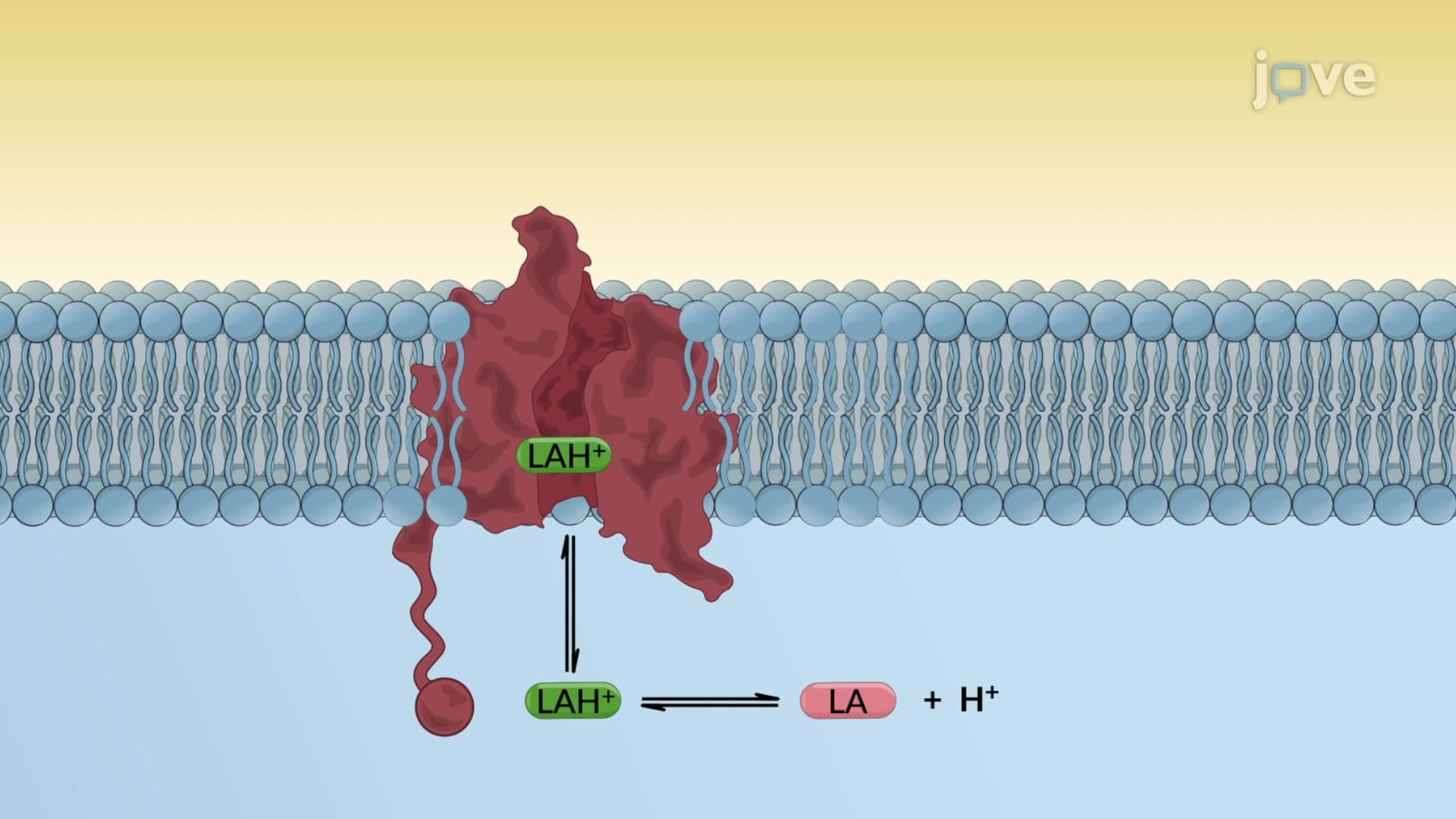
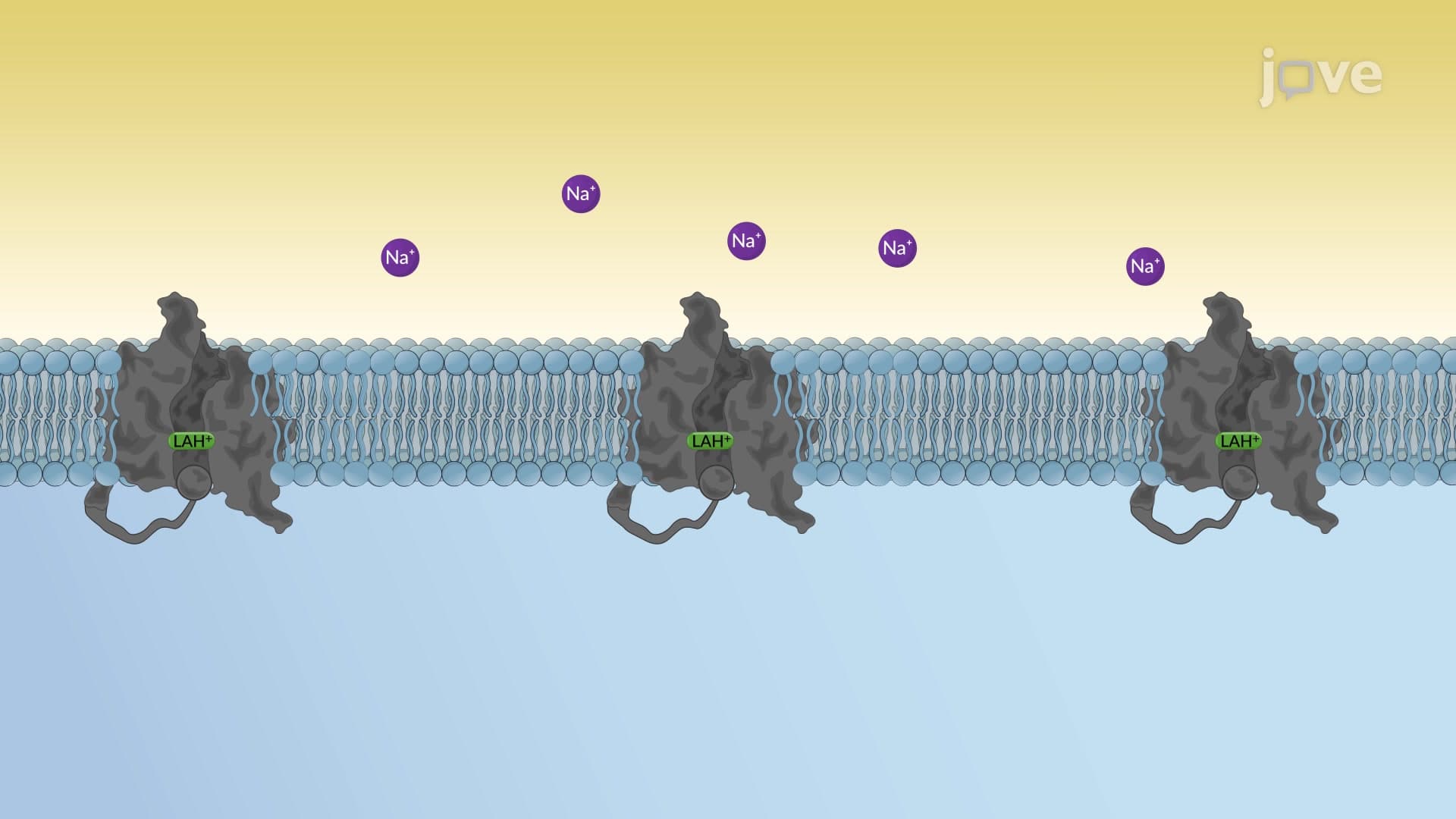
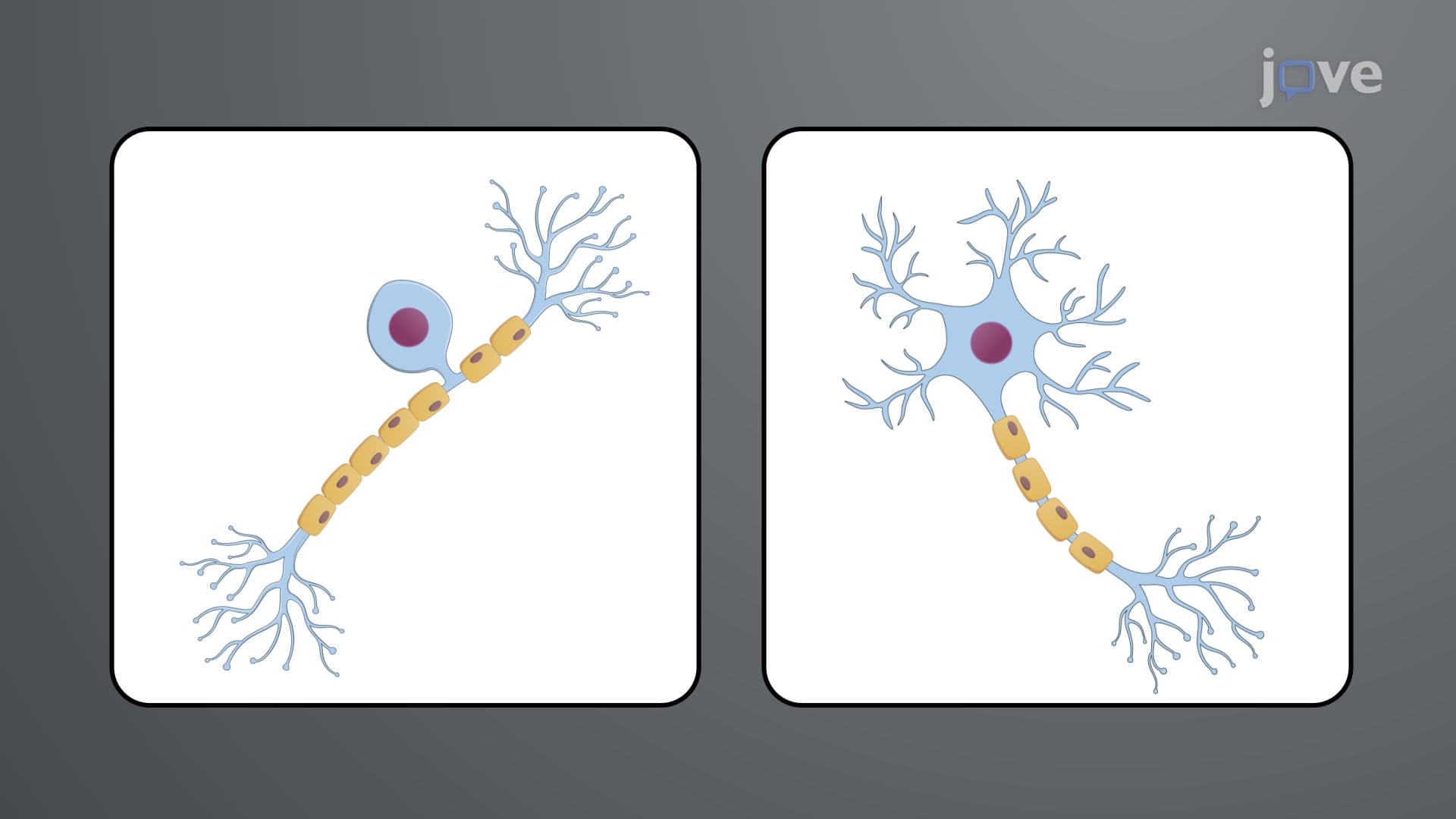
The key to understanding differential sensitivity lies in nerve fiber anatomy. Myelinated neurons feature axons wrapped in multilayered myelin sheaths, interrupted at regular intervals by nodes of Ranvier-unmyelinated gaps where sodium channels cluster densely. Local anesthetics must reach these nodes to block nerve conduction effectively. Unmyelinated fibers, lacking this protective sheath, present different challenges and opportunities for anesthetic action.
Fiber diameter plays a crucial role in determining sensitivity. Narrow myelinated fibers with shorter internodal distances prove more susceptible to local anesthetics than their thicker counterparts. This occurs because smaller fibers have nodes of Ranvier spaced more closely together, requiring fewer anesthetic molecules to achieve complete conduction blockade. Students studying for the MCAT or AP Biology exams should remember this inverse relationship: smaller diameter equals greater sensitivity.
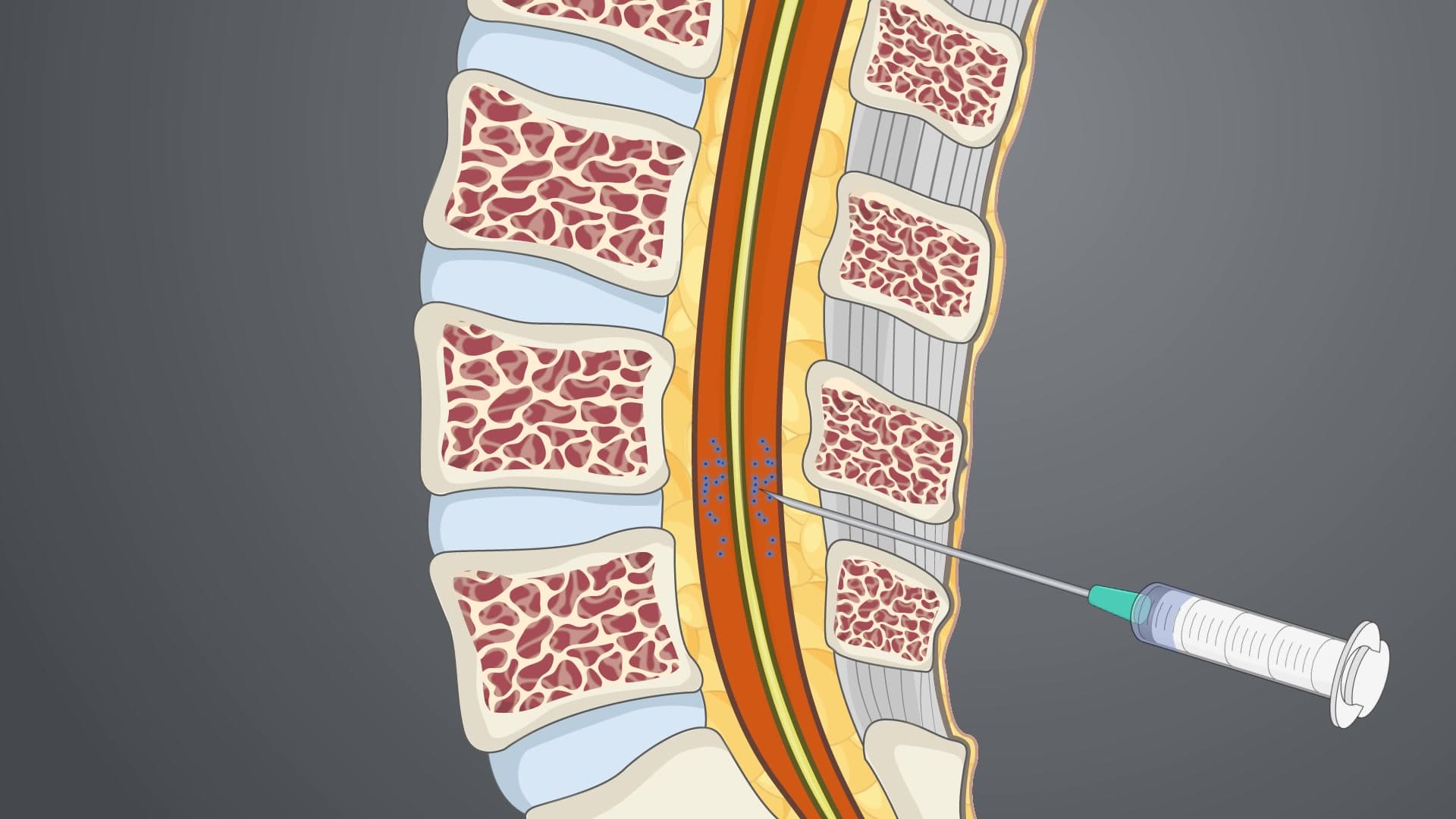
The proximity principle governs how local anesthetics spread from injection sites. Nerve fibers closest to the anesthetic source experience blockade first, followed by progressively more distant fibers. This creates predictable anesthesia patterns that anesthesiologists exploit during procedures. For instance, during epidural anesthesia for cesarean sections at US hospitals, careful dosing and placement ensure adequate surgical anesthesia while preserving some motor function for maternal participation in delivery.
Perhaps most clinically relevant is the differential sensitivity between sensory and motor neurons. At lower concentrations, local anesthetics preferentially block sensory fibers responsible for pain and temperature sensation while sparing motor neurons controlling muscle movement. This selectivity proves invaluable during labor and delivery, where pain relief without complete motor blockade allows women to push effectively during childbirth.
Understanding these principles proves essential for students pursuing healthcare careers and appears frequently on standardized exams like the USMLE Step 1 and NCLEX-RN. The concept also connects to broader pharmacology principles tested in college-level courses, making it a high-yield topic for academic success.
Related Micro-courses