Loading subject page…


15,884 views

Video Summary: Local Anesthetics Mechanism of Action Explained
Ever wonder why your mouth stays numb for hours after a dental procedure? The local anesthetics mechanism of action involves sophisticated molecular interactions that temporarily shut down nerve communication pathways. When dentists in the US inject lidocaine for root canals, these molecules specifically target sodium channels in nerve cell membranes, preventing pain signals from reaching your brain. Watch the full video on JoVE Coach to master this concept with expert-led visuals and step-by-step explanations.
Local anesthetics represent a fascinating example of targeted molecular pharmacology, where specific chemical properties enable precise therapeutic effects. These medications work by interrupting the normal electrical signaling process that allows nerves to communicate pain, touch, and other sensations to the brain. The mechanism involves a sophisticated interplay between molecular structure, cellular pH, and membrane dynamics.
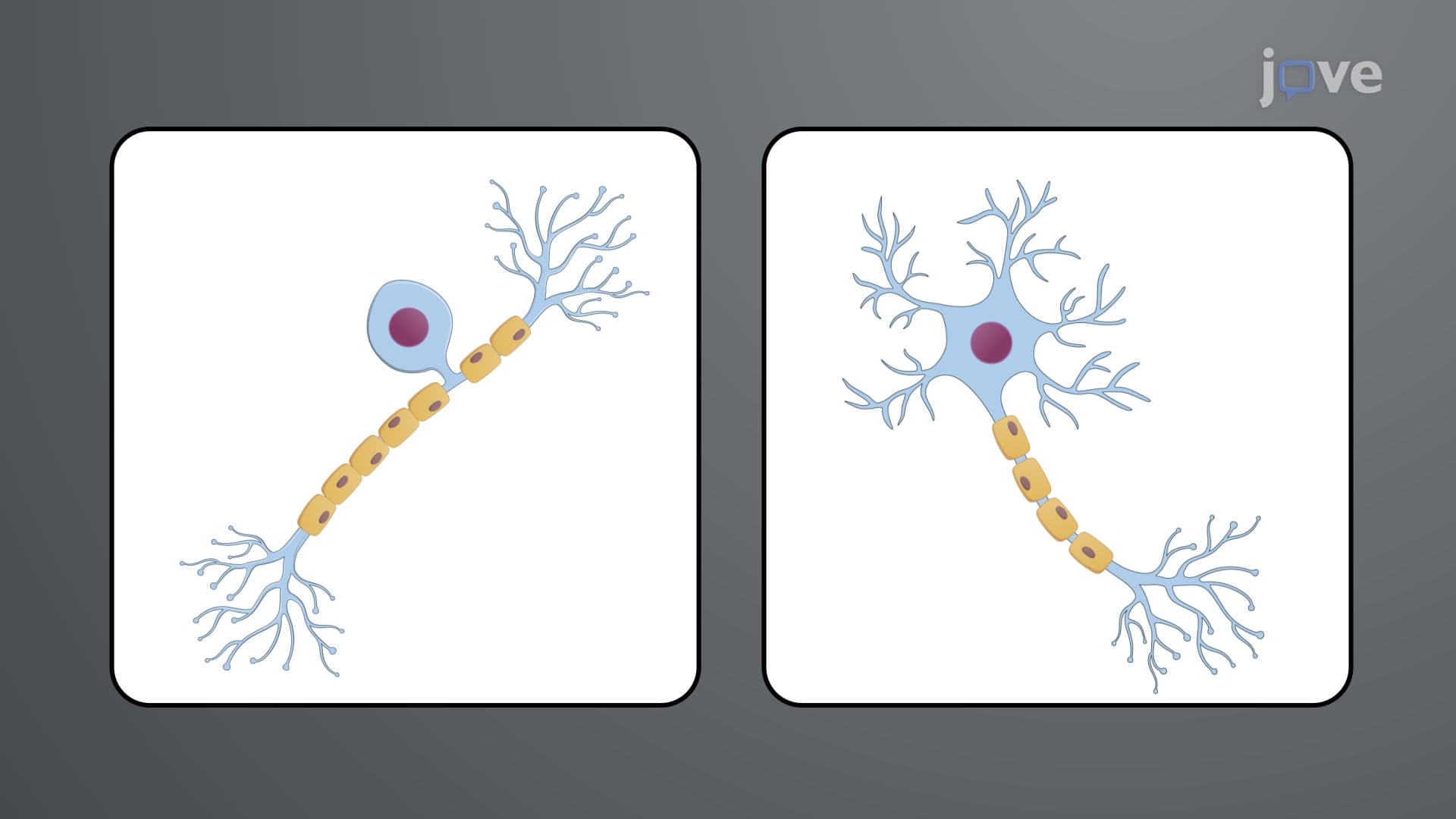
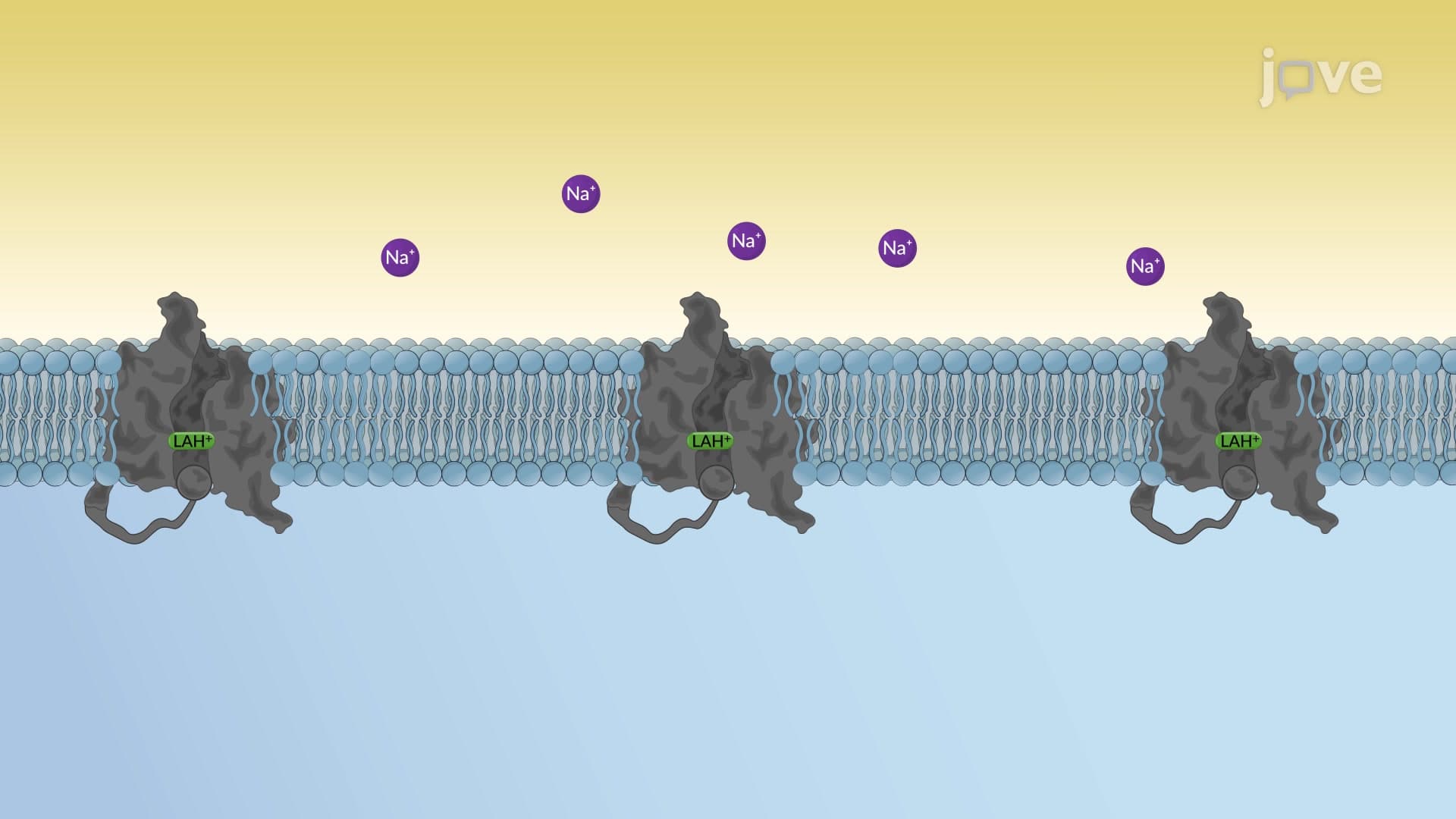
Nerve cells rely on voltage-gated sodium channels to propagate electrical signals along their axons. Under normal conditions, these channels exist in three distinct conformational states: closed (resting), open (activated), and inactivated. During nerve signal transmission, membrane depolarization triggers channel opening, allowing rapid sodium influx that further depolarizes the membrane. This creates a wave of electrical activity that travels along the nerve fiber. Students preparing for the MCAT or AP Biology exams should understand that this process requires precise timing and coordination between multiple ion channels.
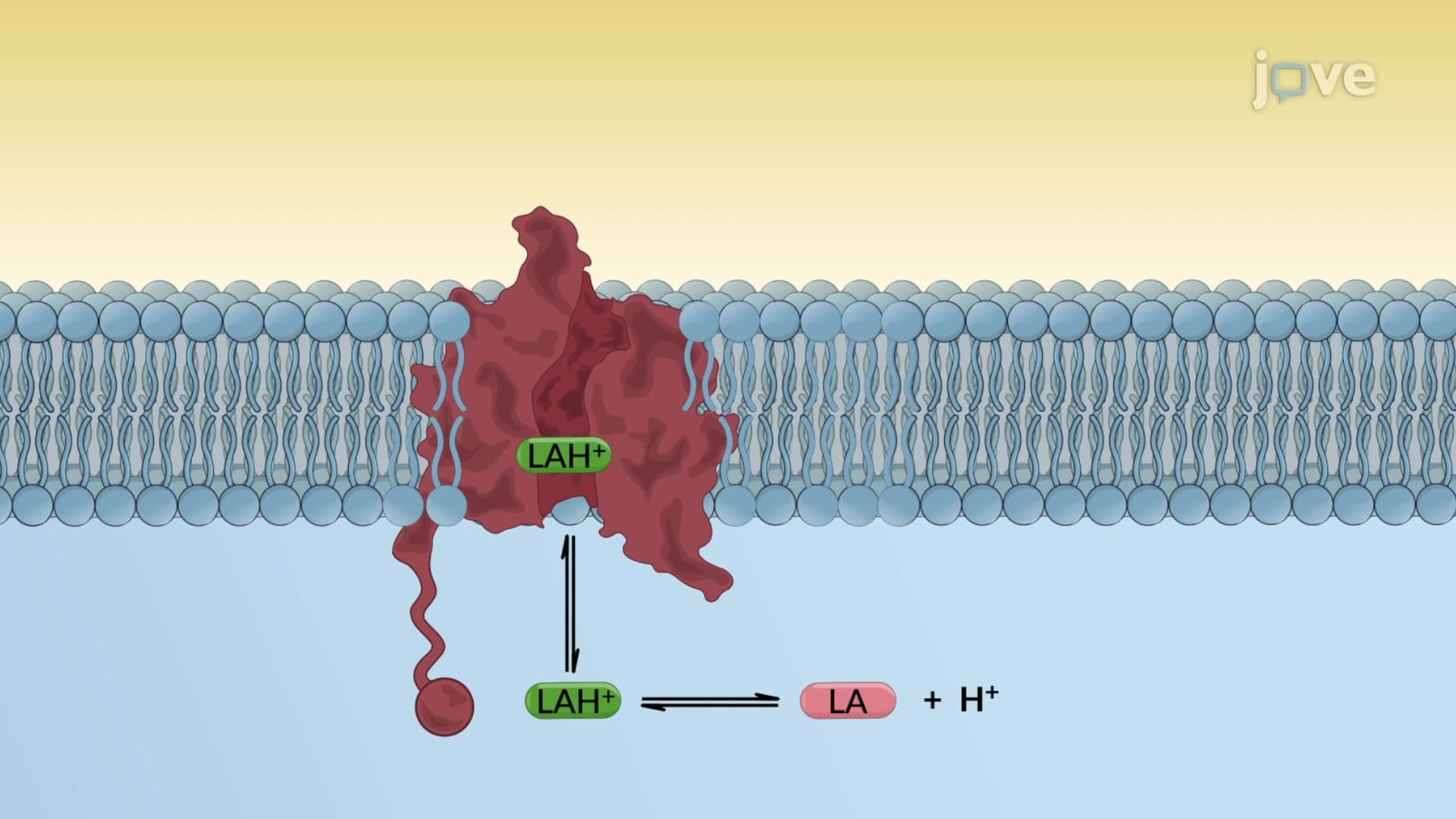
The effectiveness of local anesthetics stems from their unique chemical properties and pH-sensitive behavior. At physiological pH (around 7.4), these molecules exist primarily in their neutral, lipophilic form, allowing them to easily penetrate cell membranes. However, once inside the slightly acidic environment of the nerve cell cytoplasm (pH ~7.1), they become protonated and positively charged. This cationic form has high affinity for specific binding sites within sodium channels, effectively trapping them in their inactivated state.
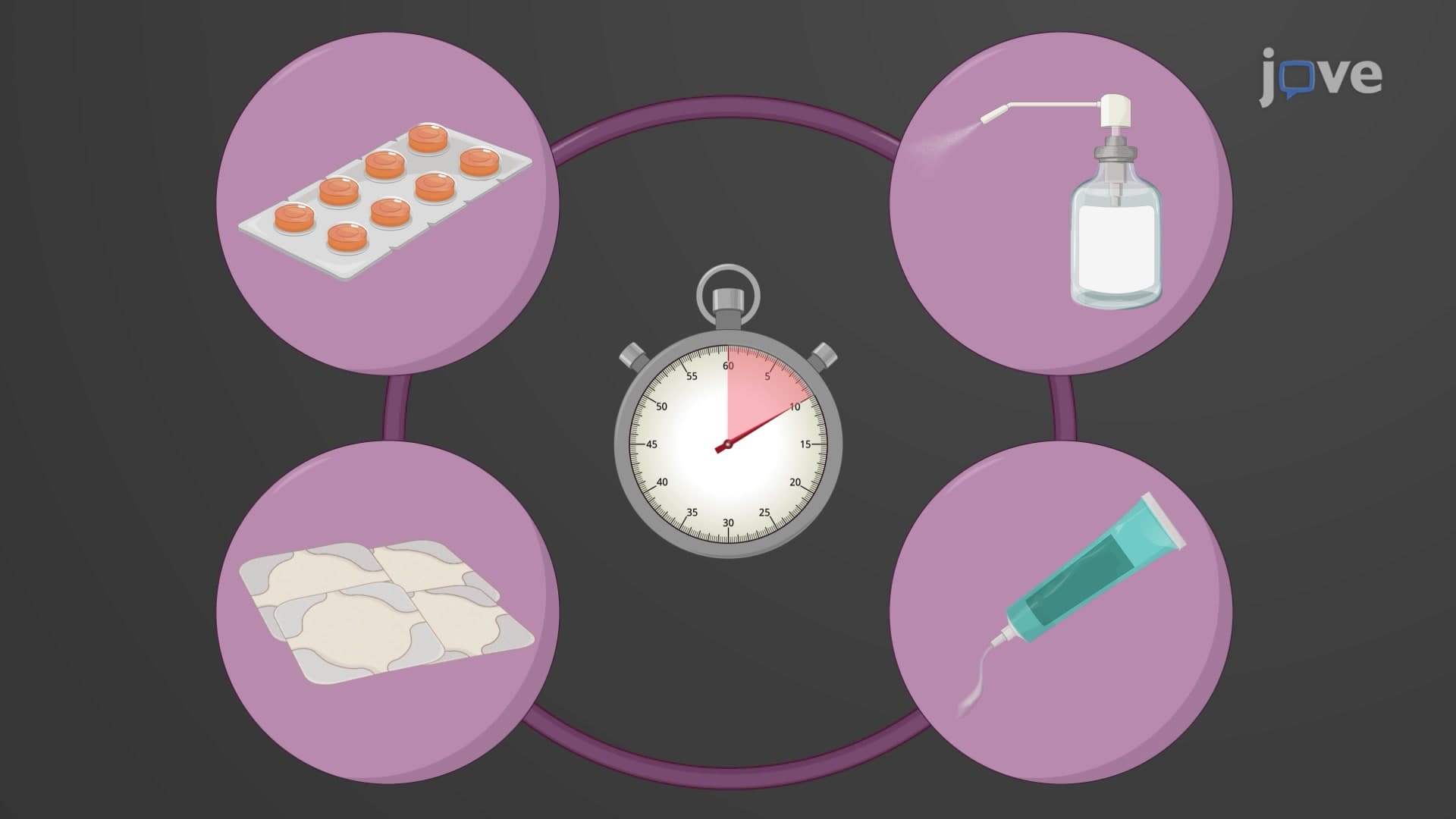
In US medical practice, different local anesthetics are chosen based on their specific properties and intended duration of action. Lidocaine, commonly used in emergency departments, provides rapid onset but shorter duration, while bupivacaine offers longer-lasting effects for surgical procedures. The concentration-dependent nature of local anesthetic action means higher doses block more sodium channels, producing more complete anesthesia. This principle is crucial for healthcare students studying for NCLEX or HESI A2 exams, as proper dosing ensures adequate pain control while minimizing systemic toxicity.
College students studying pharmacology should note that this mechanism explains why local anesthetics work selectively on nerve tissue while leaving other cellular functions largely unaffected, making them invaluable tools in modern medicine.
Related Micro-courses