Loading subject page…


15,884 views


Video Summary: What Is Local Anesthetics Adverse Effects
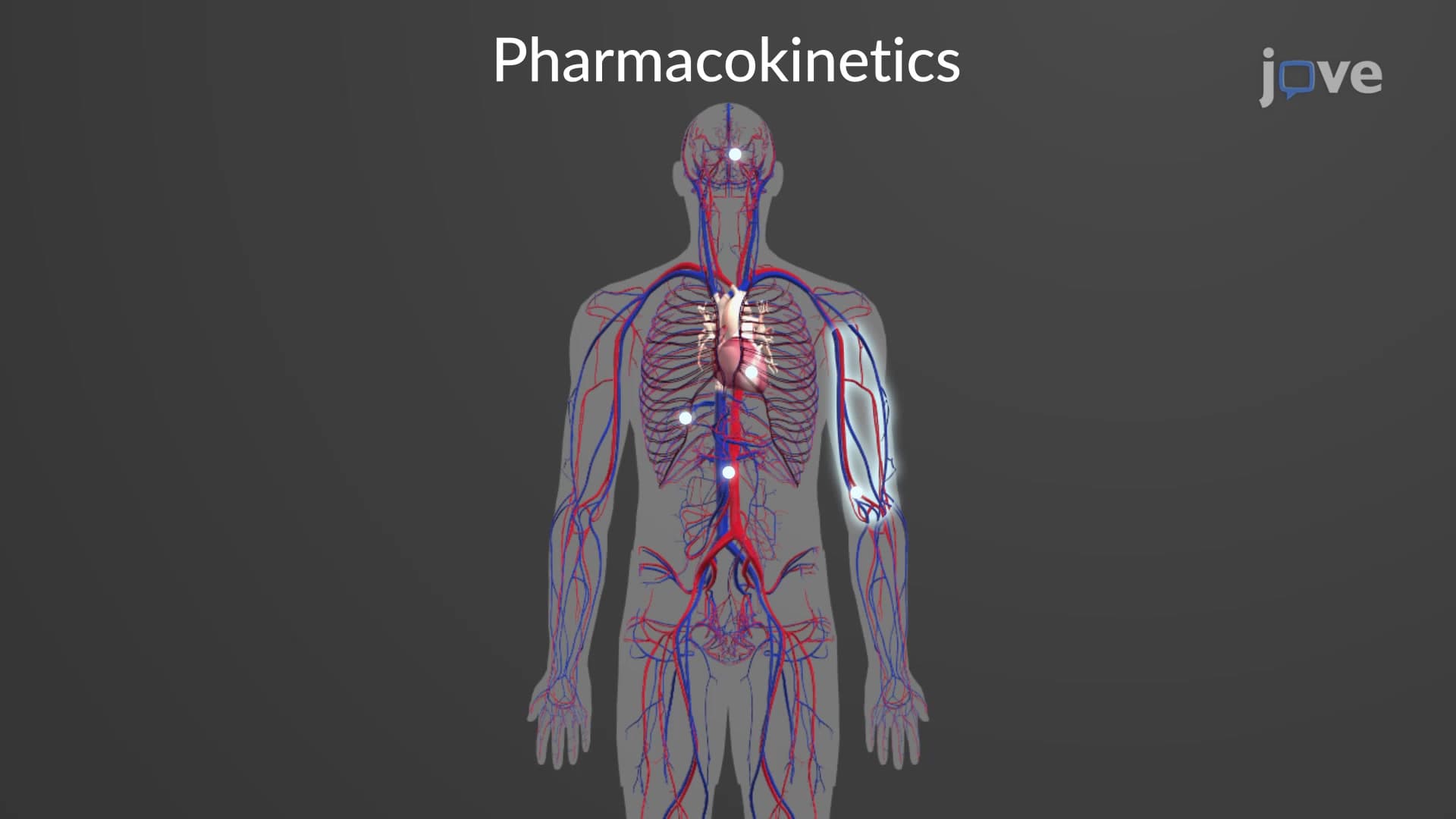
Did you know that the same lidocaine injection that numbs your mouth at the dentist can potentially cause life-threatening complications if it enters your bloodstream? Local anesthetics adverse effects occur when these medications diffuse into systemic circulation, primarily impacting the central nervous system and cardiovascular system. From mild symptoms like dizziness and metallic taste to severe reactions including convulsions and respiratory arrest, understanding these adverse effects is crucial for healthcare providers across the US. Watch the full video on JoVE Coach to master this concept with expert-led visuals and step-by-step explanations.
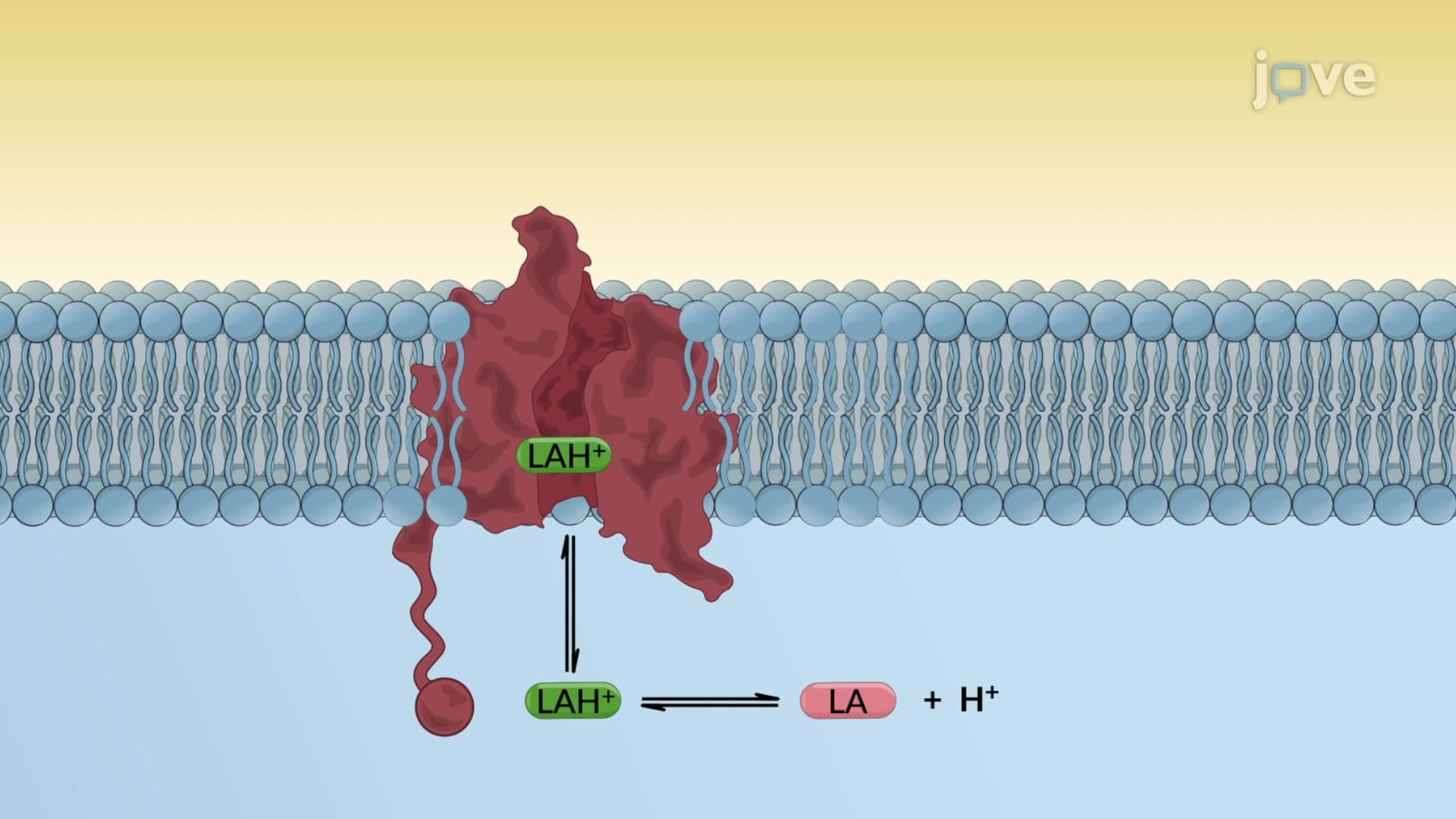
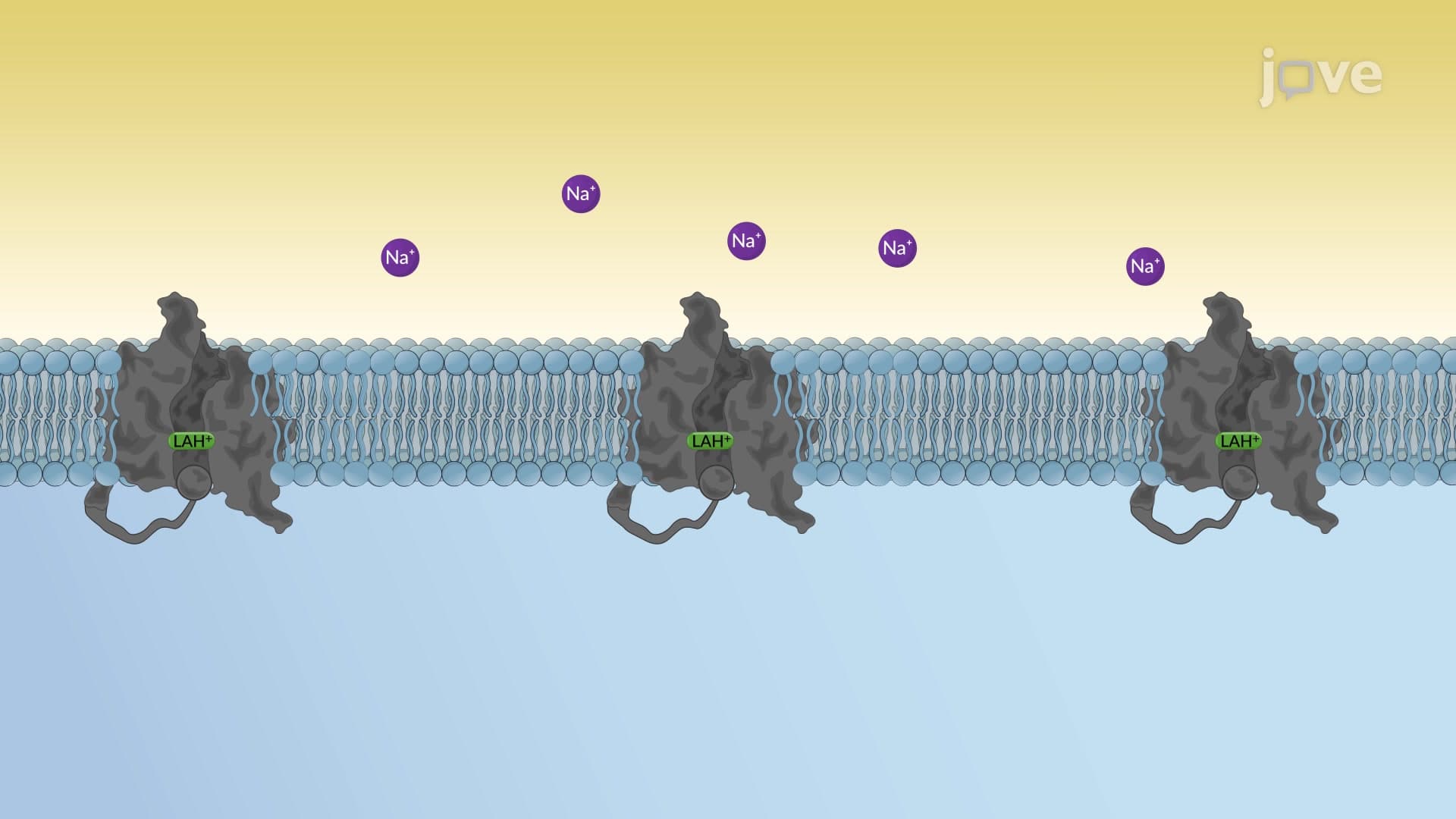
Local anesthetics adverse effects represent a critical safety concern in medical practice, occurring when these sodium channel-blocking agents escape their intended site of action and enter the systemic circulation. Unlike their beneficial effects at injection sites, these medications can cause significant toxicity when they reach organs dependent on normal sodium channel function, particularly the brain and heart.
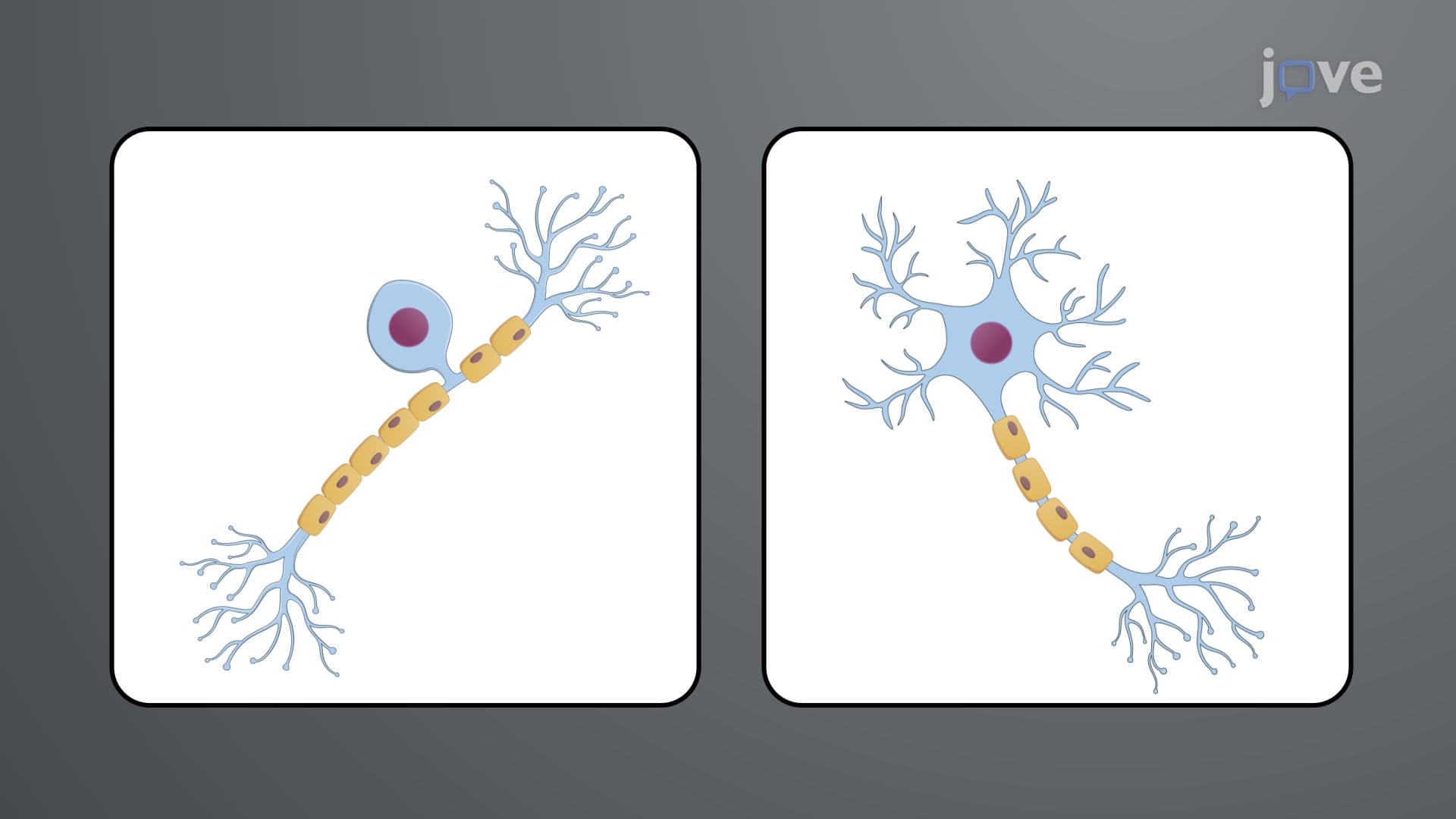
The central nervous system serves as the primary target for local anesthetic toxicity due to its high sodium channel density and blood flow. Initial symptoms typically include dizziness, visual disturbances, and auditory changes-effects commonly reported in dental offices across the US when lidocaine inadvertently enters blood vessels. Patients frequently describe a characteristic metallic taste and tongue numbness as early warning signs.
As serum concentrations increase, the clinical picture becomes increasingly dangerous. The progression follows a predictable pattern: mild sensory disturbances advance to tremors, then generalized convulsions, and ultimately respiratory depression. This escalation occurs because local anesthetics block sodium channels throughout the nervous system, disrupting normal electrical conduction pathways essential for consciousness and breathing.
While CNS effects typically appear first, cardiovascular toxicity represents the most life-threatening aspect of local anesthetic adverse effects. The heart's electrical conduction system relies heavily on sodium channels, making it vulnerable to these medications' blocking effects. Severe cases can progress to complete cardiovascular collapse, requiring immediate resuscitation measures in emergency departments nationwide.
Allergic responses to local anesthetics vary significantly based on their chemical structure. Ester-linked anesthetics like procaine pose higher allergic risks because their metabolism produces para-aminobenzoic acid (PABA), a well-documented allergen. This compound can trigger dermatitis, asthma, and other hypersensitivity reactions in susceptible individuals.
Conversely, amide-linked anesthetics such as lidocaine and bupivacaine rarely cause true allergic reactions. When allergic responses do occur with amide anesthetics, they typically result from preservatives like methylparaben rather than the anesthetic molecule itself. This distinction proves crucial for MCAT preparation and clinical decision-making, as healthcare providers must consider both the anesthetic class and formulation when assessing allergic risk.
Understanding these concepts proves essential for students preparing for healthcare careers, as local anesthetic safety appears frequently on USMLE Step 1, NCLEX examinations, and undergraduate pharmacology courses throughout US medical and nursing programs.
Related Micro-courses