Loading subject page…


72,830 views


Video Summary: Calculating Work in Adiabatic Thermodynamic Processes
Ever wondered how a weather balloon expands as it rises through Earth's atmosphere? The work done in an adiabatic process explains this fascinating phenomenon, where gases perform work without heat exchange with their surroundings. NASA's high-altitude research balloons demonstrate this principle perfectly, expanding from compact launch sizes to massive volumes at 100,000+ feet altitude. Calculating work in adiabatic thermodynamic processes requires understanding the relationship between pressure, volume, and temperature changes in isolated systems. Watch the full video on JoVE Coach to master this concept with expert-led visuals and step-by-step explanations.
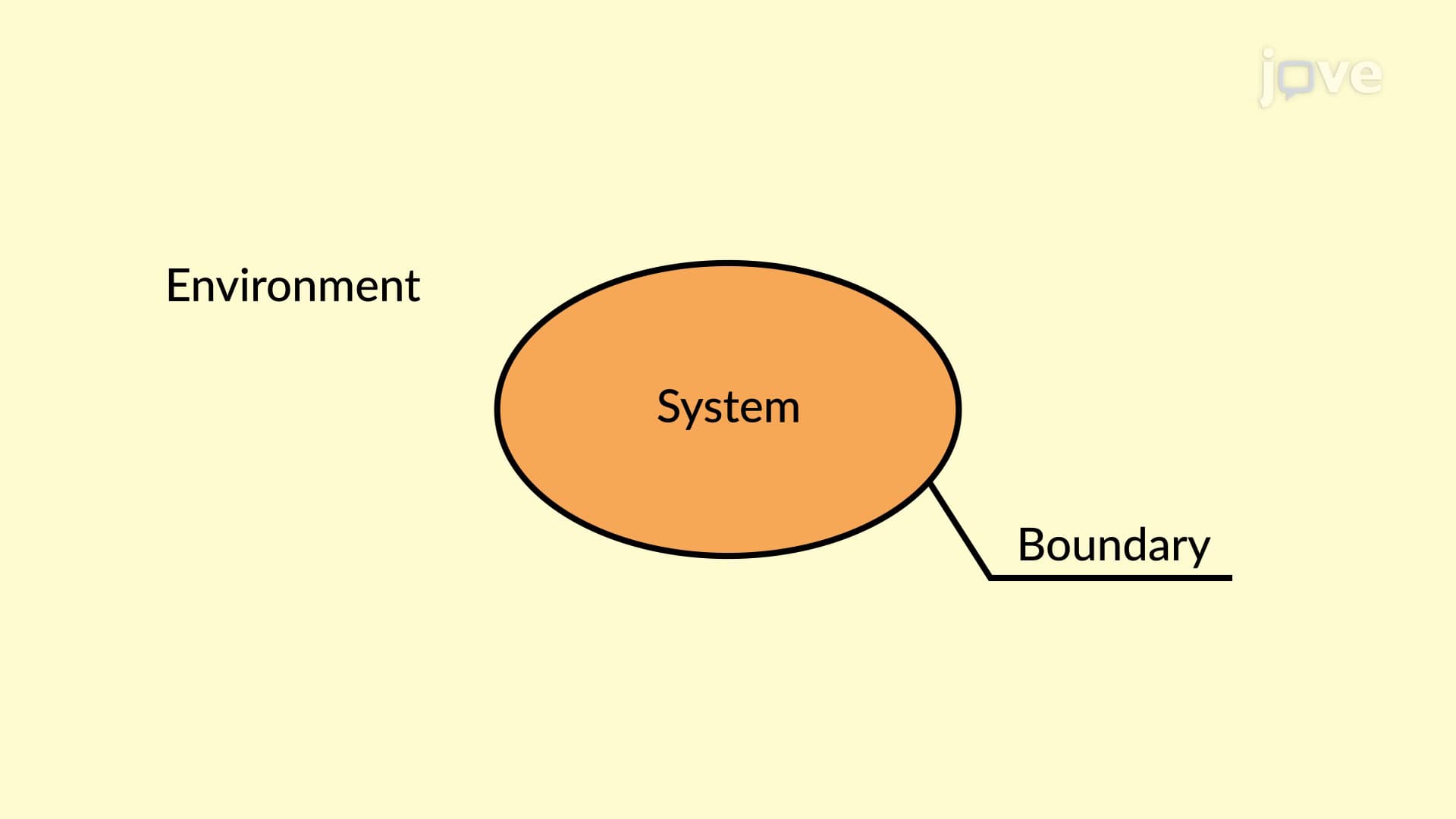
Adiabatic processes represent one of thermodynamics' most important concepts, where systems undergo changes without heat exchange with their environment. In these processes, all energy transfer occurs through work, making the calculation of work done crucial for understanding everything from atmospheric physics to engine design.
The work done in an adiabatic process can be calculated using two primary approaches. First, through internal energy changes: W = nCv(Ti - Tf), where n represents moles of gas, Cv is heat capacity at constant volume, and Ti and Tf are initial and final temperatures. This relationship stems from the first law of thermodynamics, where ΔU = -W (since Q = 0 in adiabatic processes).
The second approach utilizes the adiabatic condition PV^γ = constant, where γ (gamma) is the heat capacity ratio. This leads to the integrated work formula: W = (PiVi - PfVf)/(γ-1). For the helium balloon example, with initial pressure of 1 atm, volume changing from 25 m³ to 100 m³, and γ = 1.67 for helium, students can calculate the substantial work done during atmospheric expansion.
Adiabatic work calculations appear throughout American industry and research. NASA's stratospheric balloon program relies on these principles for payload deployment at altitudes exceeding 120,000 feet. The balloons expand dramatically as atmospheric pressure decreases, performing work that must be calculated for mission planning.
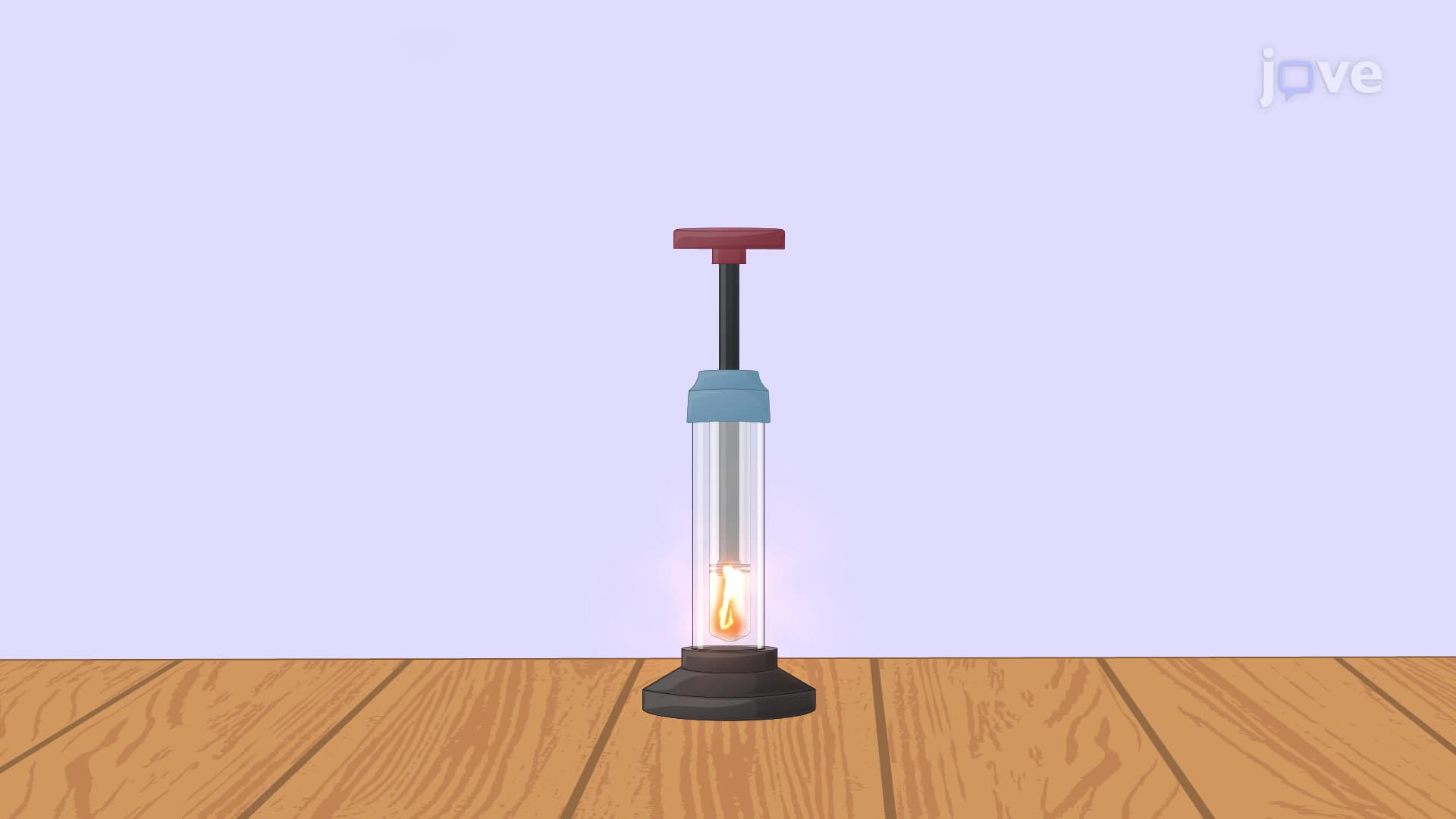
In automotive engineering, particularly at companies like General Motors and Ford, adiabatic compression occurs during rapid piston movements in internal combustion engines. The compression stroke approximates an adiabatic process, where air-fuel mixtures are compressed so quickly that heat transfer becomes negligible.
Students preparing for AP Physics C: Mechanics or college-level thermodynamics courses frequently encounter adiabatic work problems. The MCAT also tests these concepts in physical sciences sections. Typical exam questions involve weather systems, where adiabatic cooling of rising air masses creates cloud formation - a process fundamental to meteorology studies at institutions like Colorado State University's atmospheric science program.
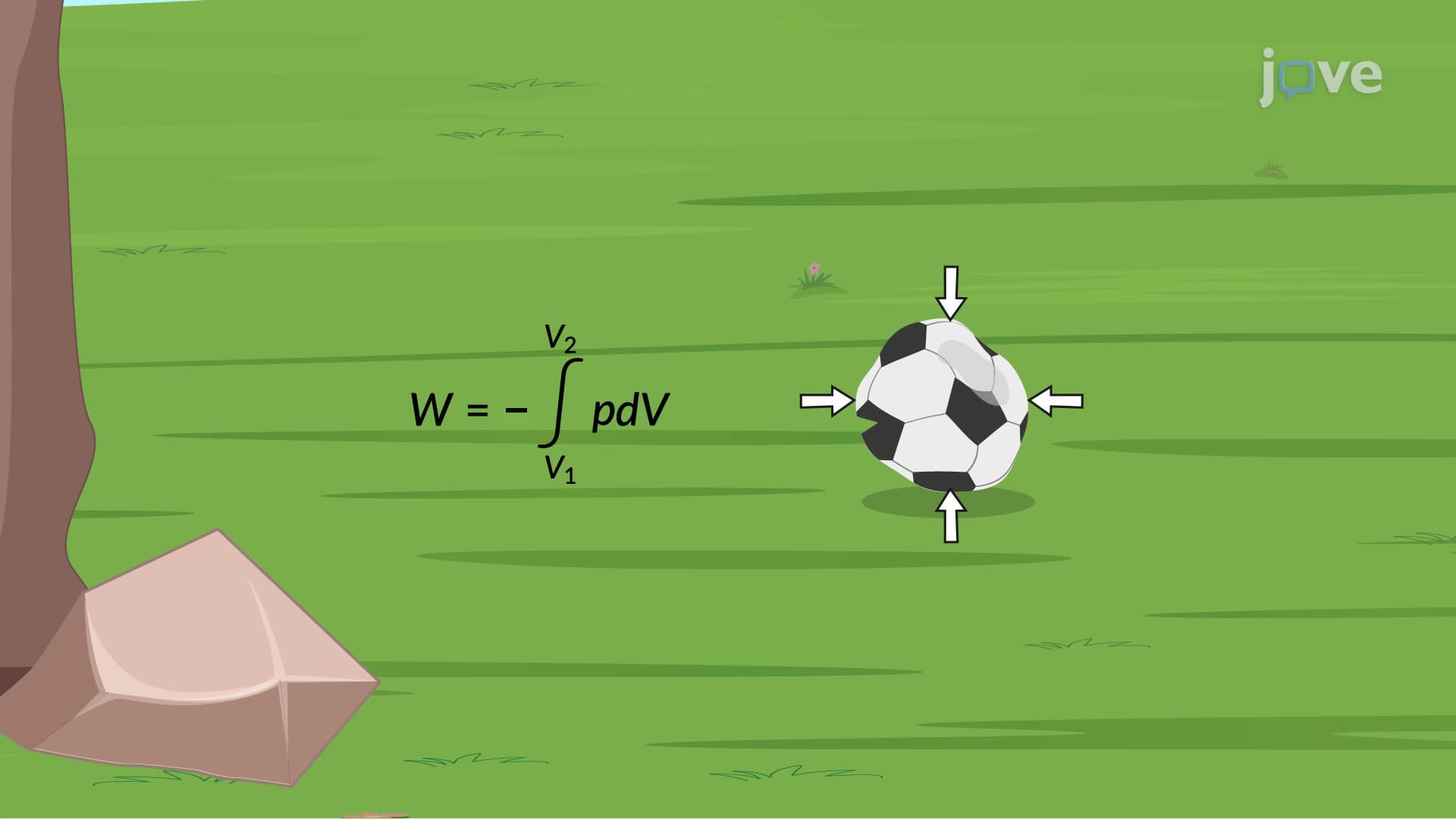
Understanding sign conventions proves crucial: work done BY the system (expansion) is positive, while work done ON the system (compression) is negative. This distinction appears regularly in standardized assessments and helps students interpret physical meaning behind mathematical results.
Related Micro-courses