Loading subject page…


72,830 views

Video Summary: First Law of Thermodynamics Problem Solving Explained
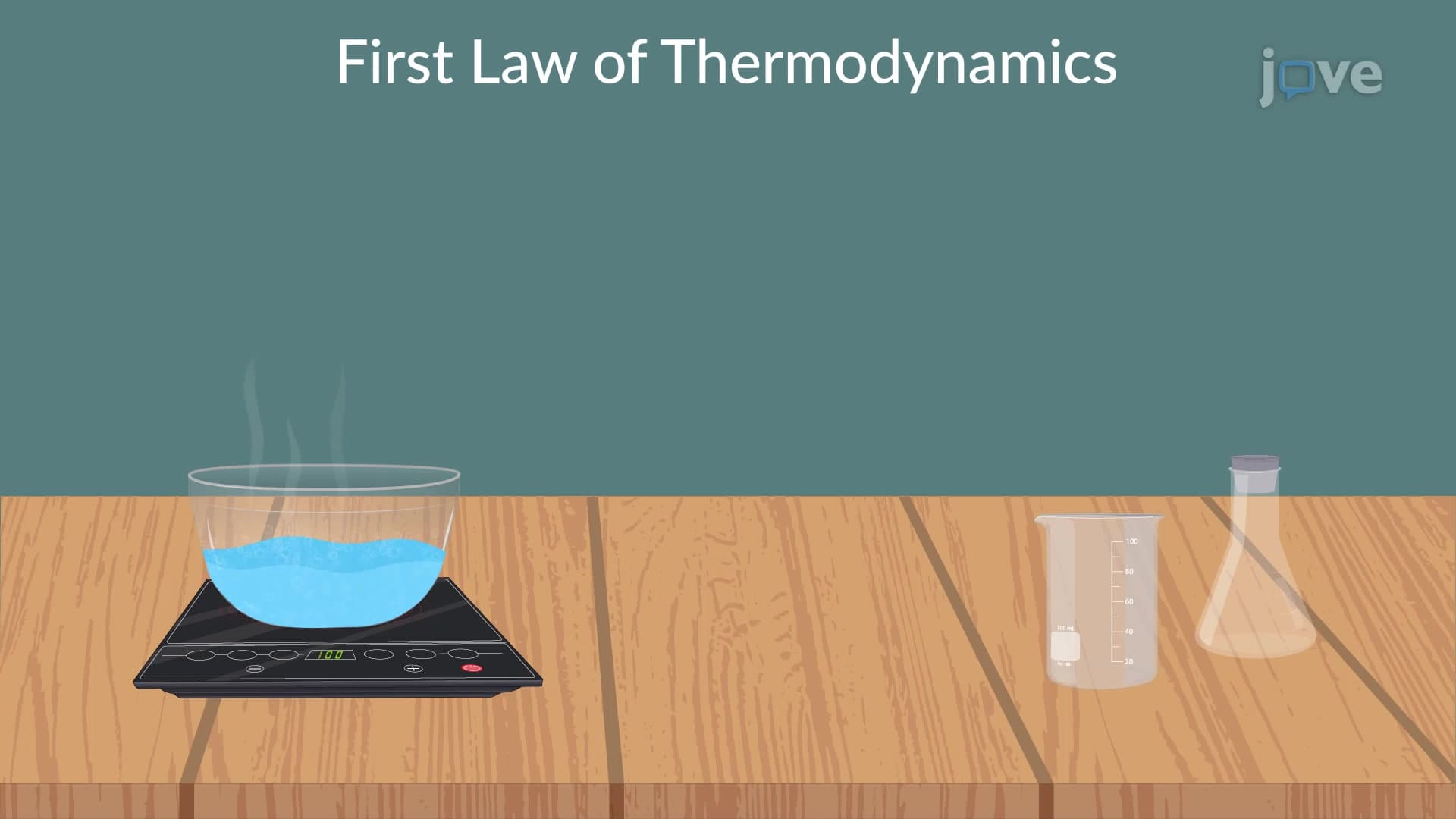
Ever wonder why a power plant converts only 35% of fuel energy into electricity? First law of thermodynamics problem solving reveals the energy transformations behind this efficiency puzzle. When 100 grams of water transforms into steam at a nuclear facility like Diablo Canyon Power Plant in California, energy conservation principles determine exactly how much heat becomes useful work versus internal energy changes. This First Law of Thermodynamics Problem Solving Explained tutorial demonstrates the systematic approach to quantifying energy transfers in real thermodynamic processes. Watch the full video on JoVE Coach to master this concept with expert-led visuals and step-by-step explanations.
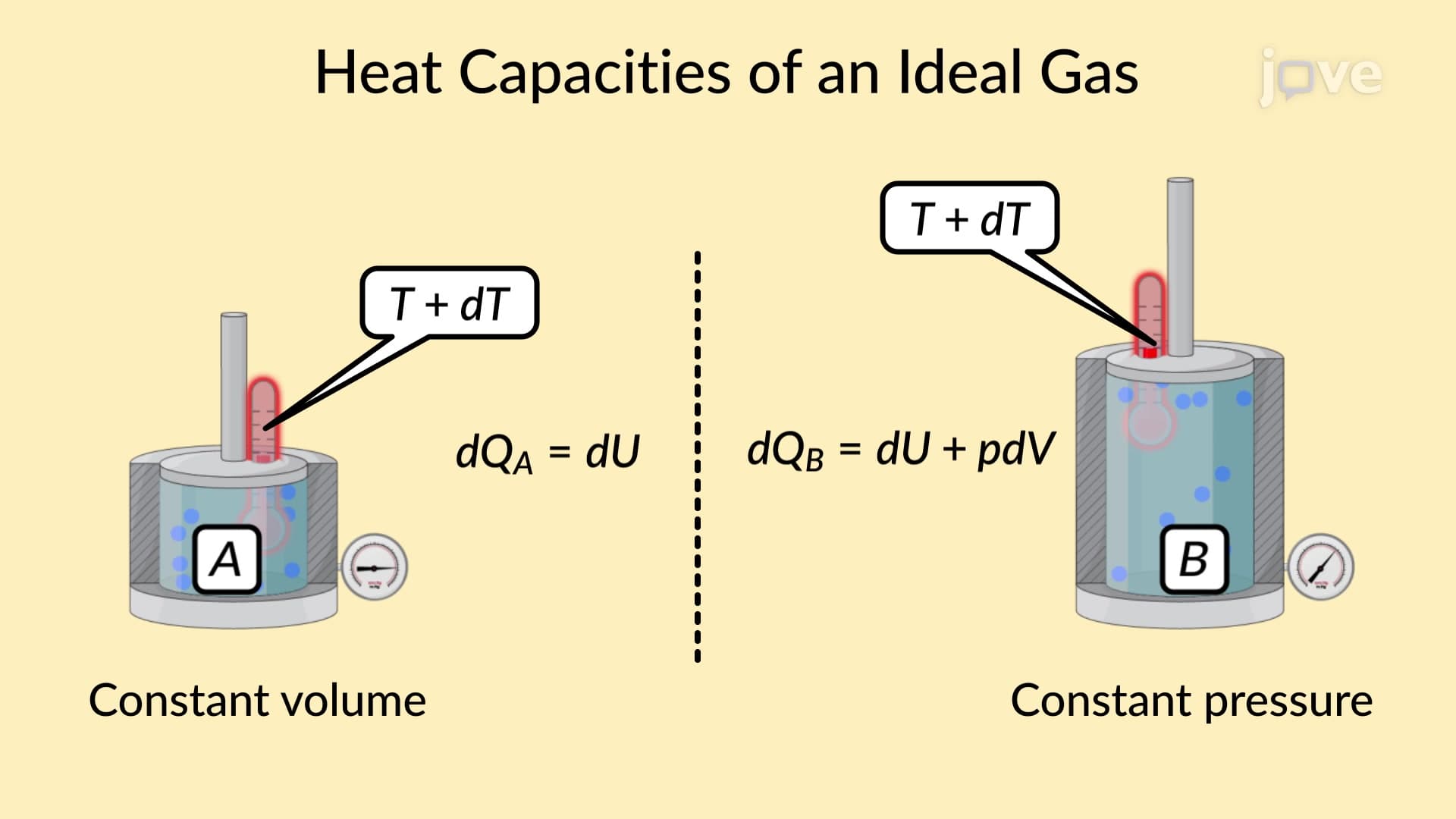
The first law of thermodynamics serves as the cornerstone of energy analysis in physics and engineering applications. This fundamental principle states that energy cannot be created or destroyed-only transformed from one form to another. In mathematical terms, the first law is expressed as ΔU = Q - W, where ΔU represents the change in internal energy, Q is the heat added to the system, and W is the work done by the system.
When analyzing phase transitions like water converting to steam, three distinct energy components require careful consideration. First, the heat transfer (Q) is calculated using Q = mL(v), where m represents mass and L(v) is the latent heat of vaporization (approximately 2.26 × 10^6 J/kg for water). For our 100-gram example, this yields Q = 0.1 kg × 2.26 × 10^6 J/kg = 226,000 J.
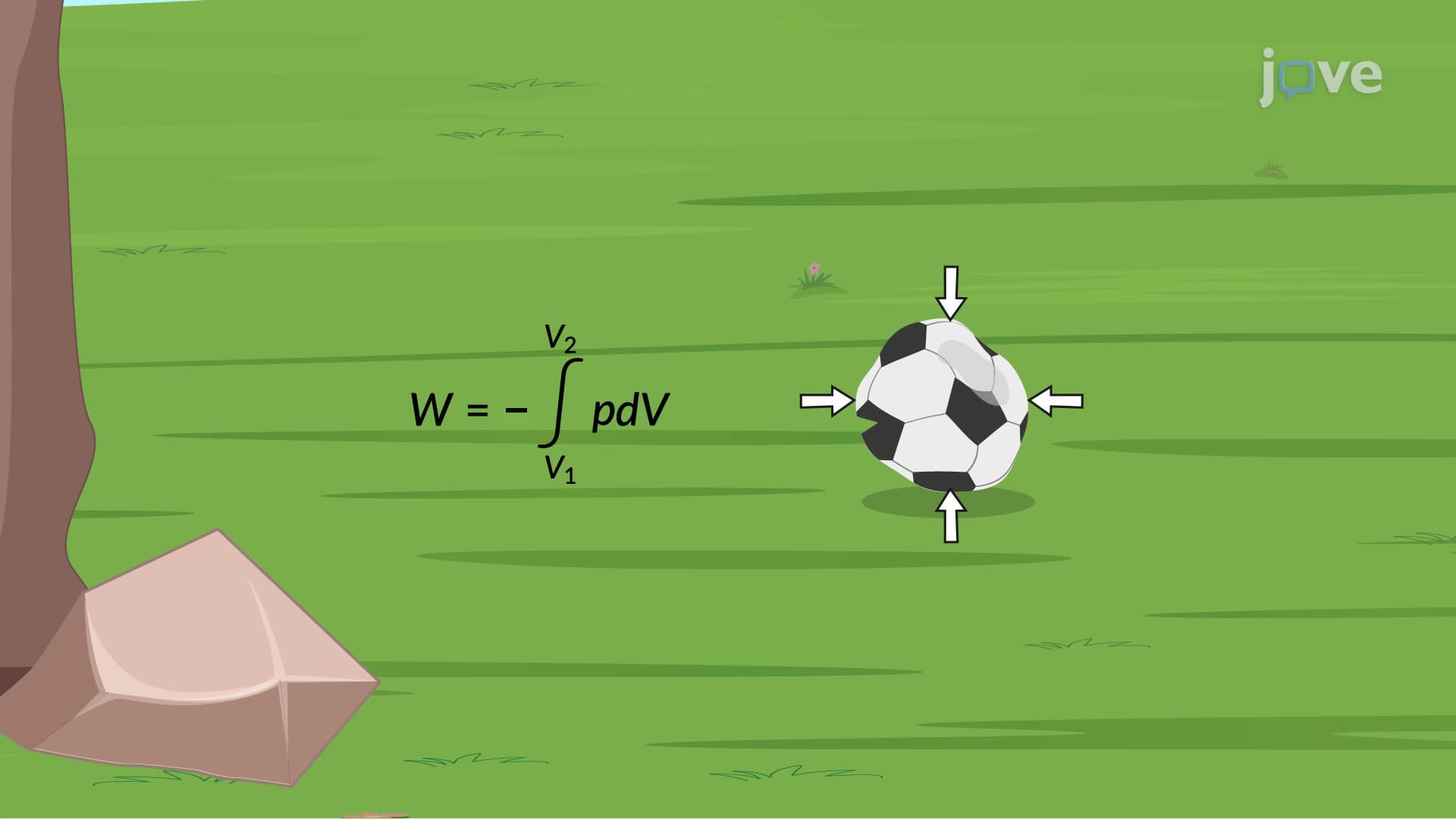
The work component involves volume expansion during the liquid-to-gas transition. Using the ideal gas approximation and density differences between liquid water (1000 kg/m³) and steam (0.6 kg/m³ at 100°C), we calculate the volume change. The work done equals W = PΔV, where P is atmospheric pressure (101,325 Pa) and ΔV represents the volume increase.
Power plants across the United States, from coal-fired facilities in West Virginia to geothermal plants in California's Imperial Valley, rely on these thermodynamic principles. Steam turbines convert thermal energy into mechanical work, demonstrating the first law in action. Engineers must account for energy losses, efficiency factors, and heat recovery systems when designing these complex systems.
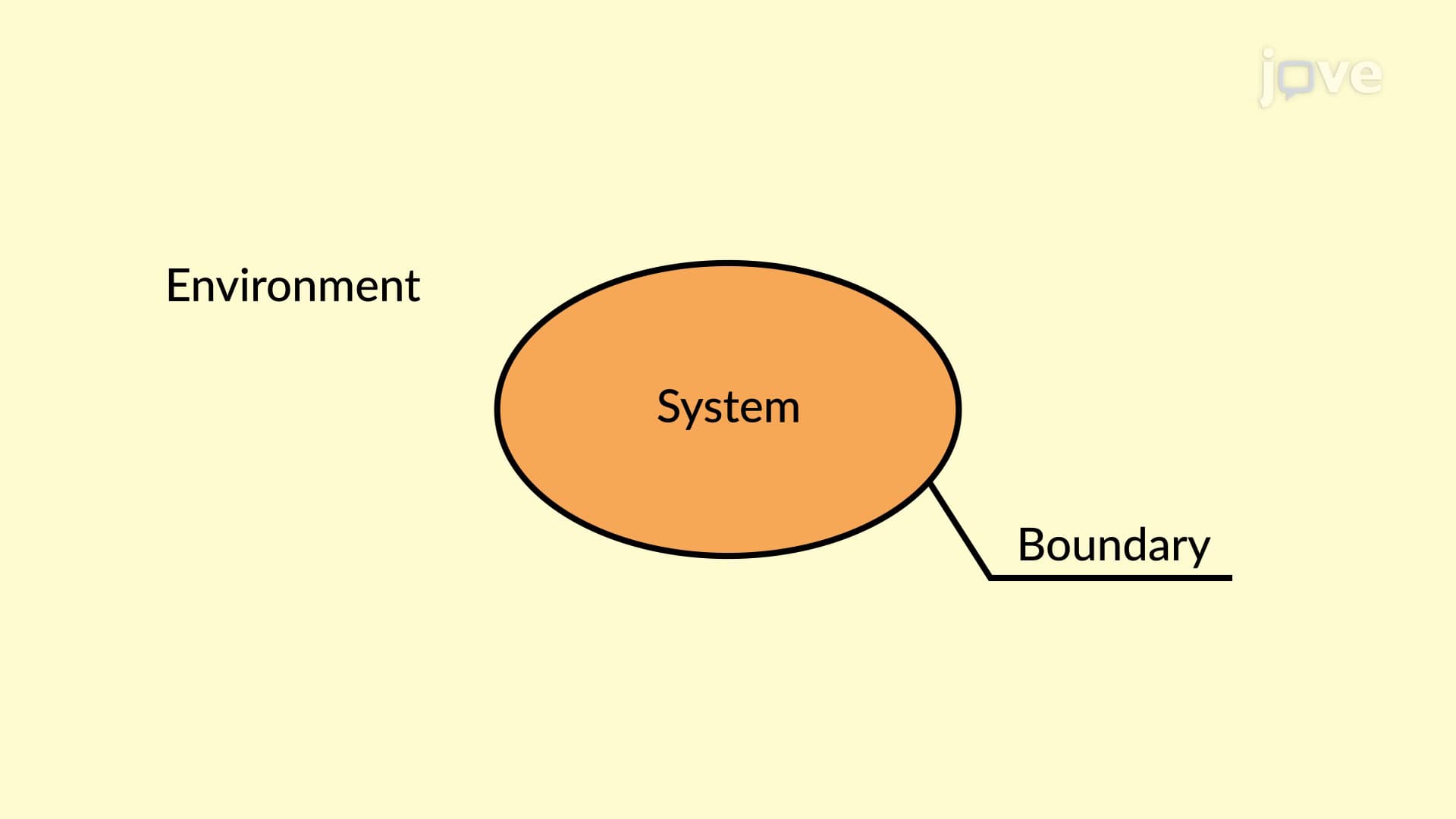
For students preparing for AP Physics exams or college thermodynamics courses, mastering systematic problem-solving approaches proves essential. Begin by identifying the system boundaries, list known and unknown variables, apply conservation principles, and verify results using dimensional analysis. This methodical approach ensures accuracy in complex multi-step calculations commonly found on standardized assessments.
Related Micro-courses