Loading video…


 19 Concepts
 72.8K views

Video Summary: What Is First Law of Thermodynamics
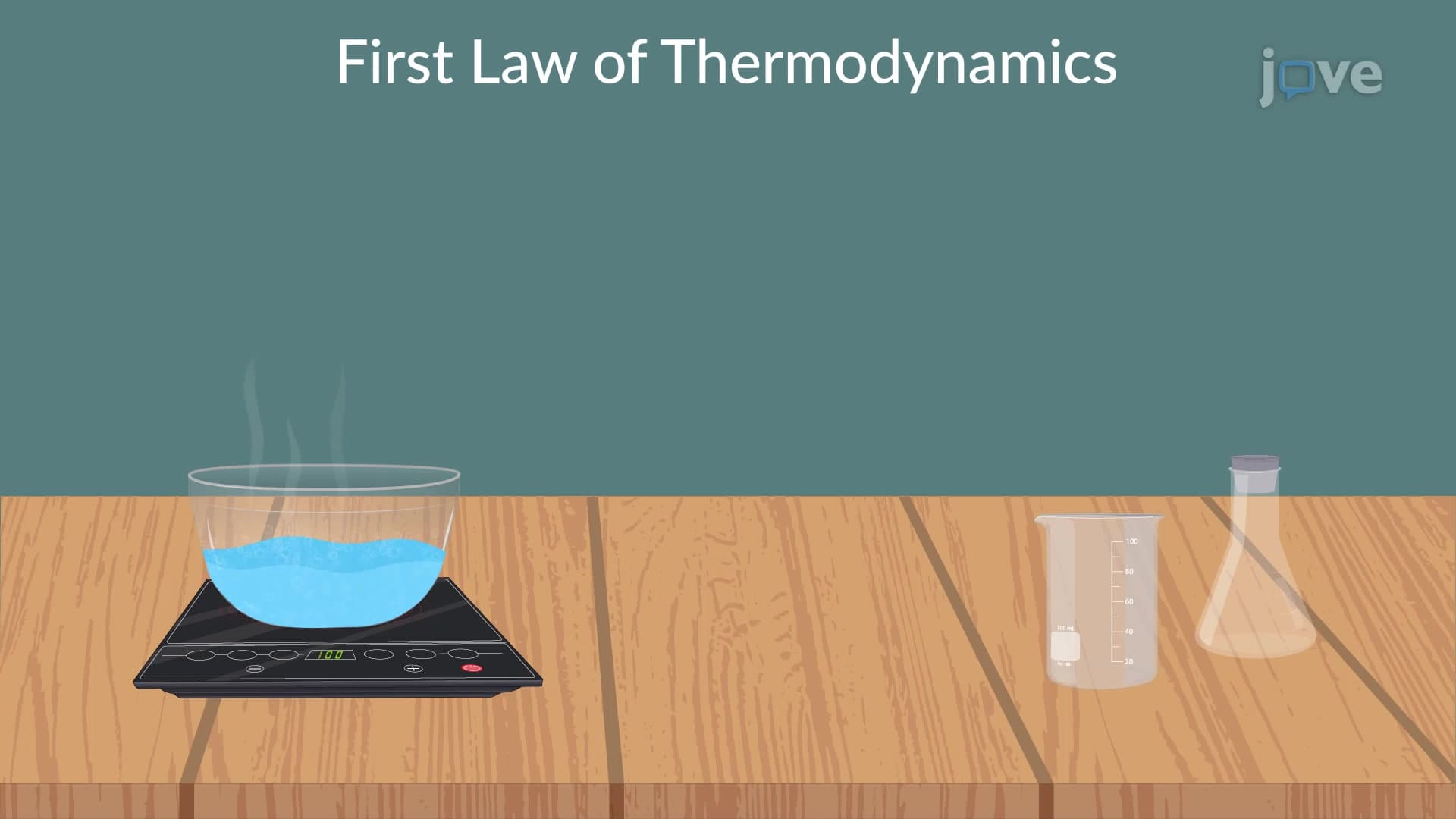
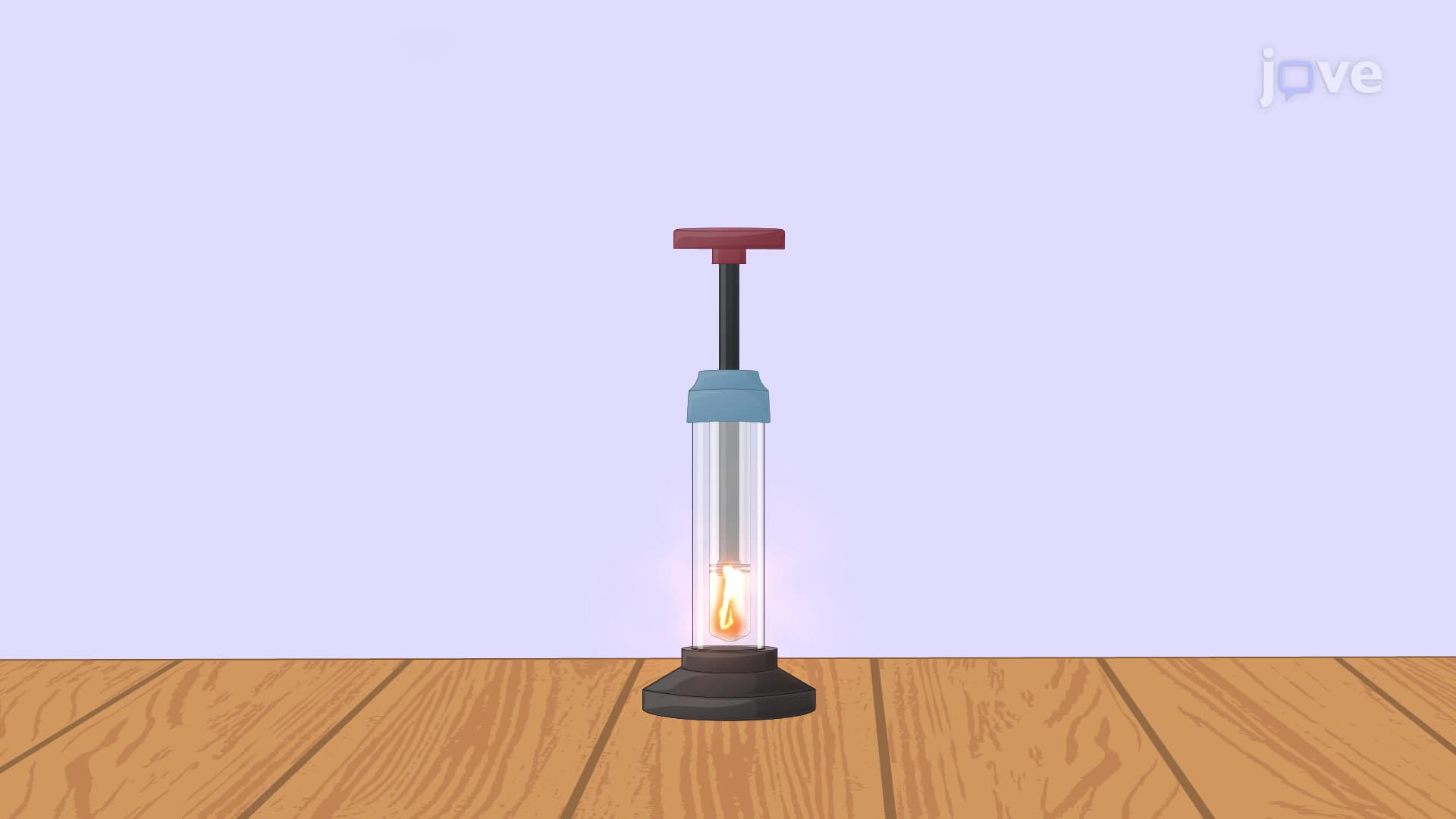
Ever wonder why hot air balloons rise into the sky? The first law of thermodynamics explains this phenomenon through energy conservation principles that govern everything from household heating systems to power plants across America. This fundamental concept demonstrates how energy transforms between heat, work, and internal energy in closed systems. A sky lantern's candle heats air molecules, increasing internal energy and causing expansion that creates lift-perfectly illustrating thermodynamic principles in action. Watch the full video on JoVE Coach to master this concept with expert-led visuals and step-by-step explanations.
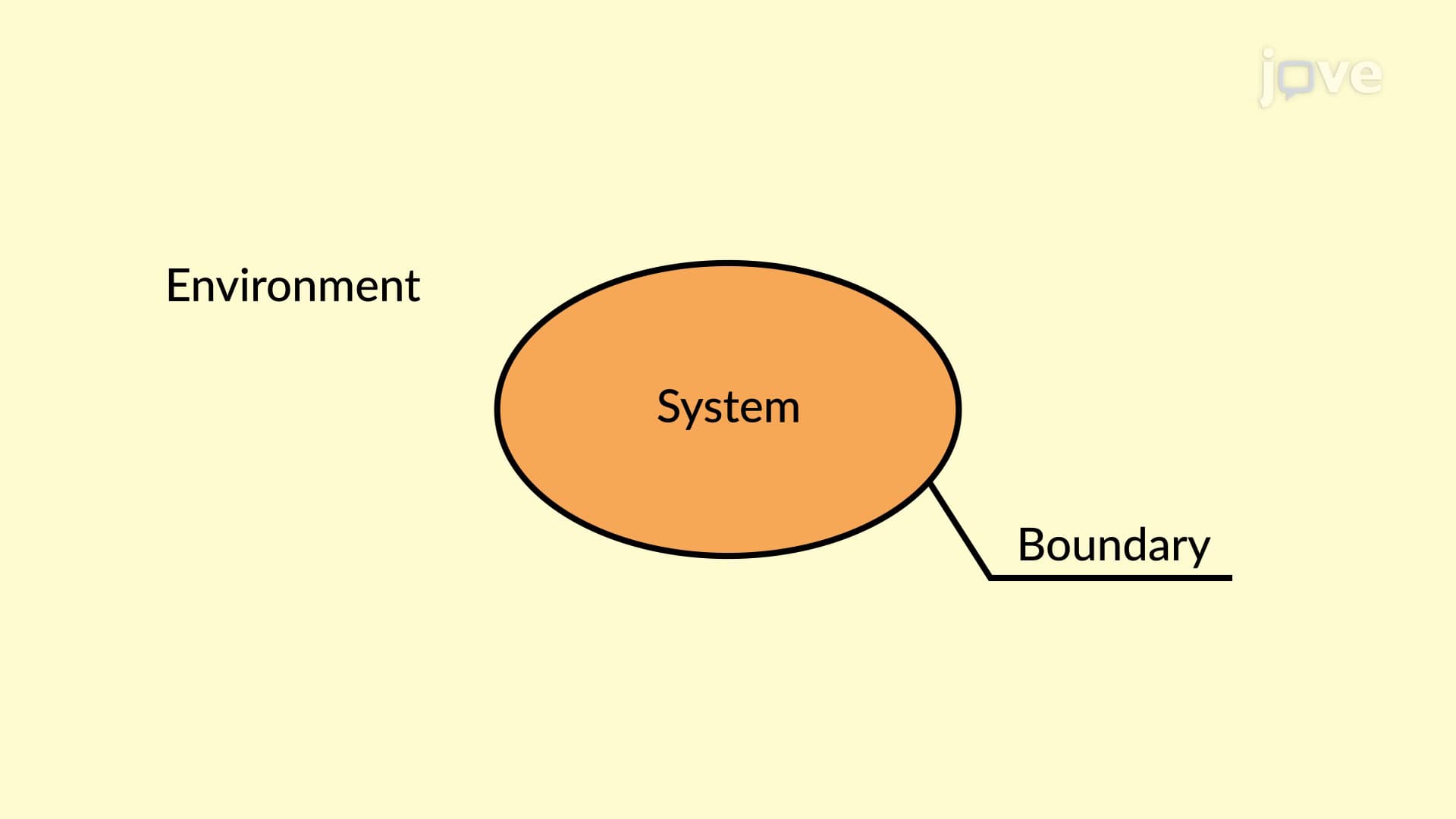
The first law of thermodynamics represents one of the most fundamental principles in physics, establishing that energy cannot be created or destroyed-only transformed from one form to another. This law mathematically expresses energy conservation in thermodynamic systems through the equation ΔU = Q - W, where ΔU represents the change in internal energy, Q is heat transferred to the system, and W is work done by the system.
In everyday American life, the first law of thermodynamics governs countless processes. Consider a typical home furnace: natural gas combustion releases chemical energy as heat (Q), which increases the internal energy of air molecules. This heated air then expands, doing work against atmospheric pressure as it moves through ductwork. The principle also explains why car engines require both fuel (energy input) and coolant systems (energy removal) to function efficiently. Power plants across the United States-from coal facilities in Wyoming to nuclear reactors in Illinois-operate on these same thermodynamic principles.
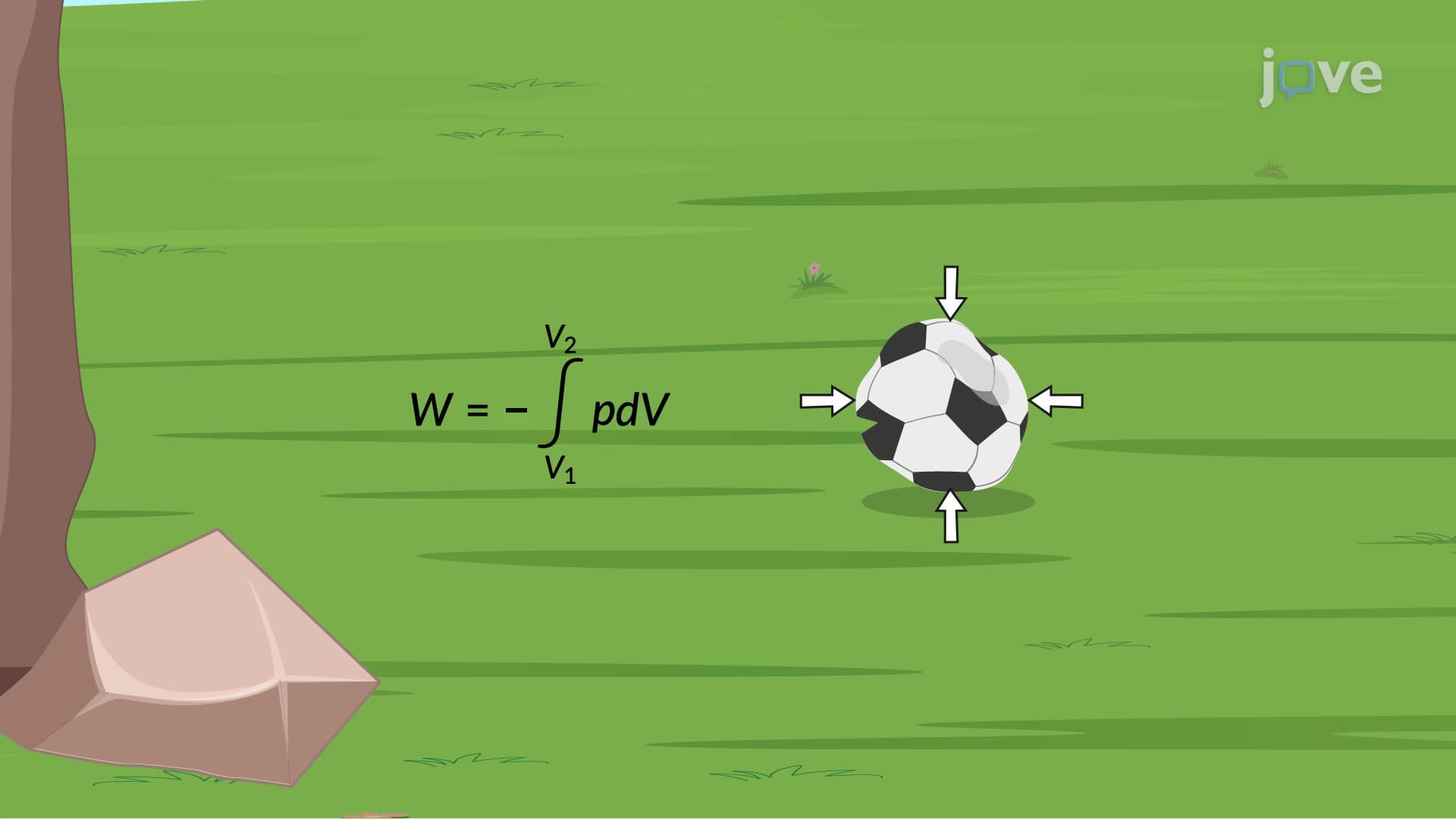
Understanding sign conventions proves crucial for solving thermodynamics problems on AP Physics exams and college coursework. When heat flows into a system, Q is positive; when heat flows out, Q becomes negative. Similarly, when a system performs work on its surroundings (like a piston expanding), W is positive, but when surroundings do work on the system (compression), W becomes negative. These conventions ensure consistent problem-solving across different scenarios, from steam engines to refrigeration cycles.
Internal energy serves as a state function, meaning its change depends only on the initial and final equilibrium states-not the specific process path taken. This concept frequently appears on MCAT physics sections and engineering thermodynamics exams. Whether air inside a sky lantern heats slowly or rapidly, the total change in internal energy remains identical if initial and final temperatures match. This path independence distinguishes state functions from process-dependent variables like heat and work, making thermodynamic analysis more predictable and calculable for engineering applications in industries from aerospace manufacturing in California to petroleum refining in Texas.
Related Micro-courses