Loading subject page…


72,830 views

Video Summary: What Is Isochoric and Isobaric Processes
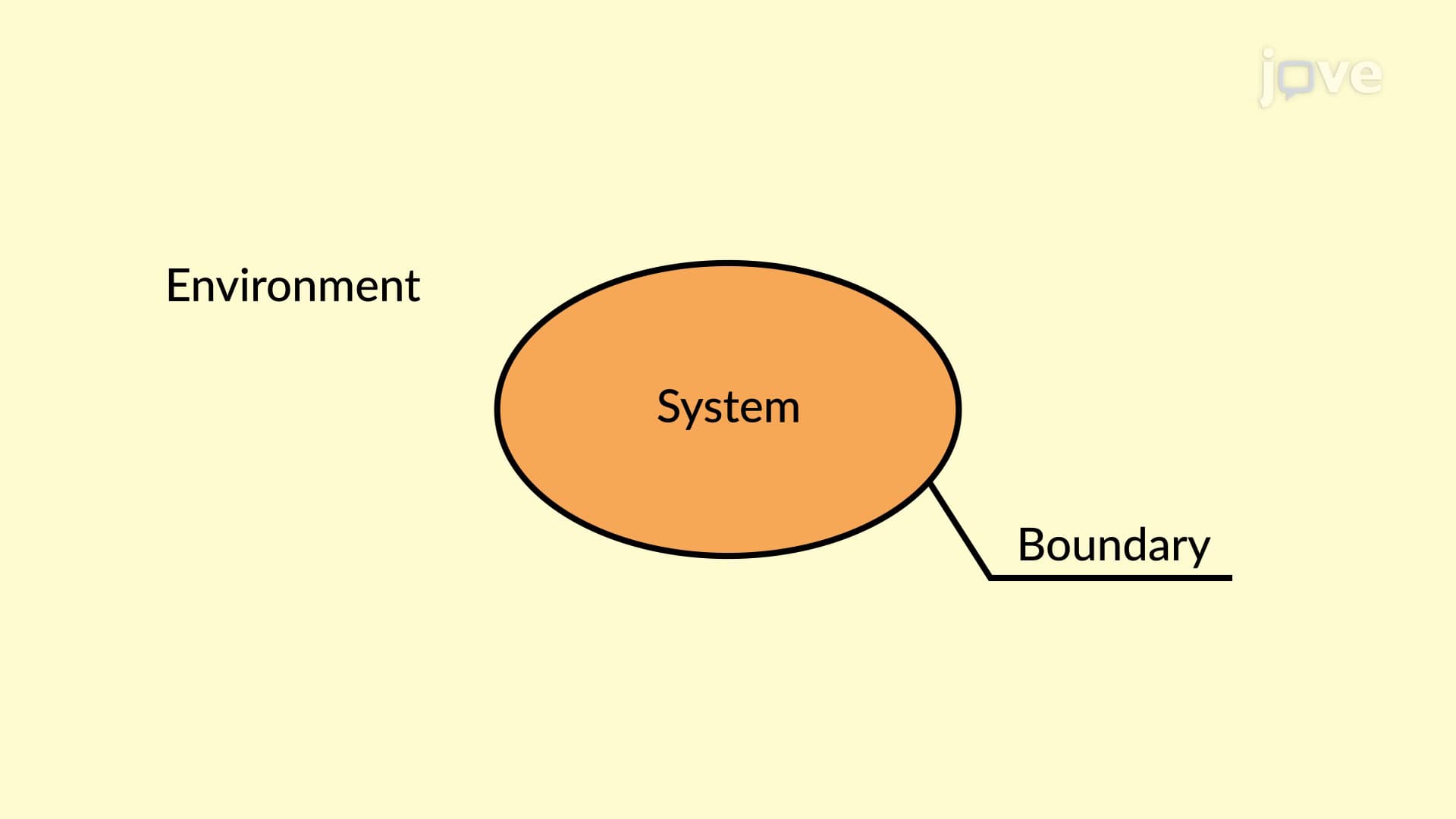
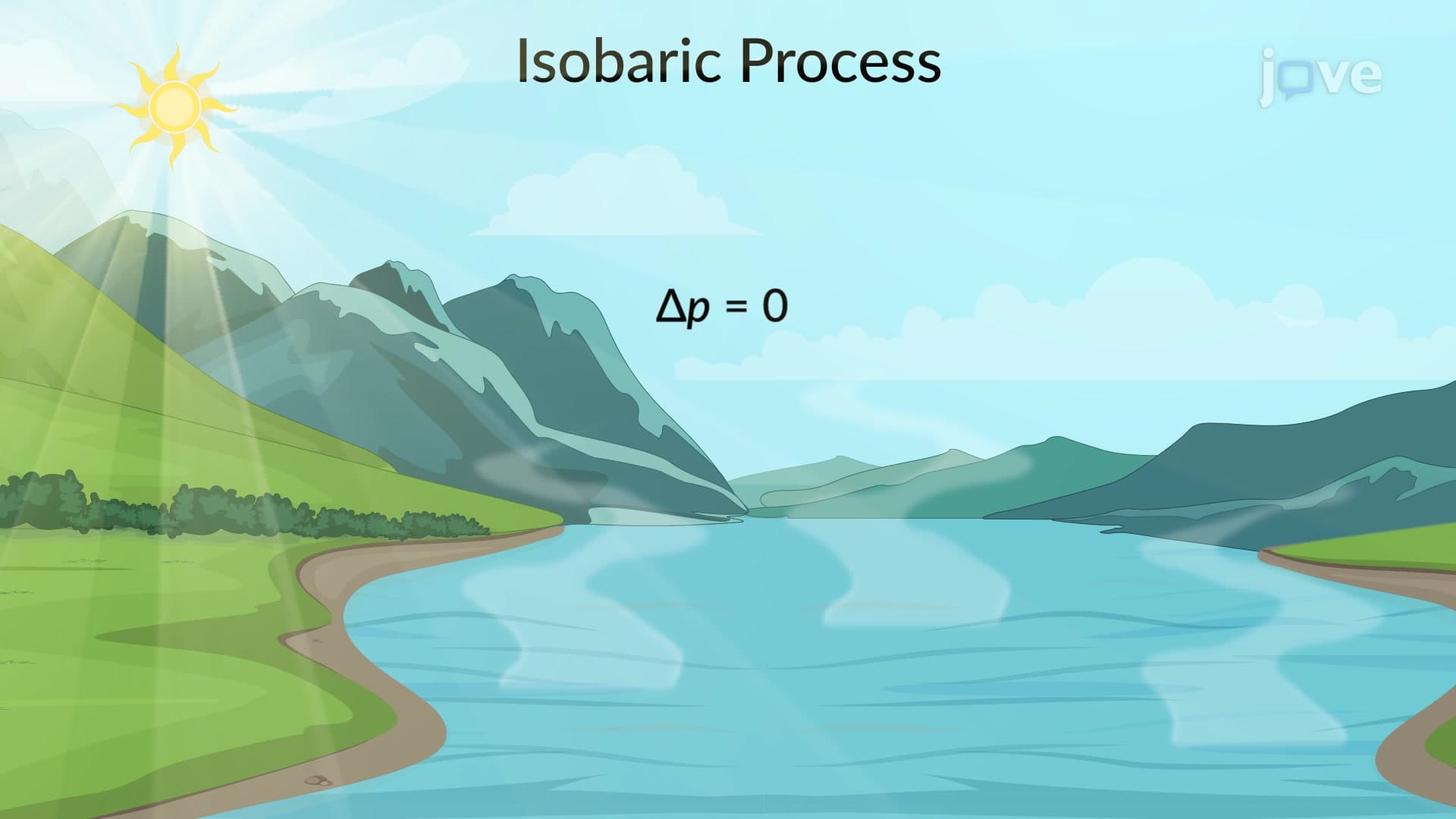
Ever wonder why pressure cookers work so efficiently, or how car engines convert fuel into motion? The answer lies in isochoric and isobaric processes, two fundamental thermodynamic concepts that govern energy transfer in closed systems. In an isochoric process, volume stays constant (like heating gas in a sealed pressure cooker), while isobaric processes maintain constant pressure (like water evaporating from the Great Lakes under atmospheric pressure). Watch the full video on JoVE Coach to master this concept with expert-led visuals and step-by-step explanations.
Isochoric and isobaric processes represent two of the four fundamental thermodynamic processes that form the backbone of energy systems engineering. These processes describe how gases and other working fluids behave under specific constraints, providing crucial insights for understanding everything from automotive engines to power plant operations.
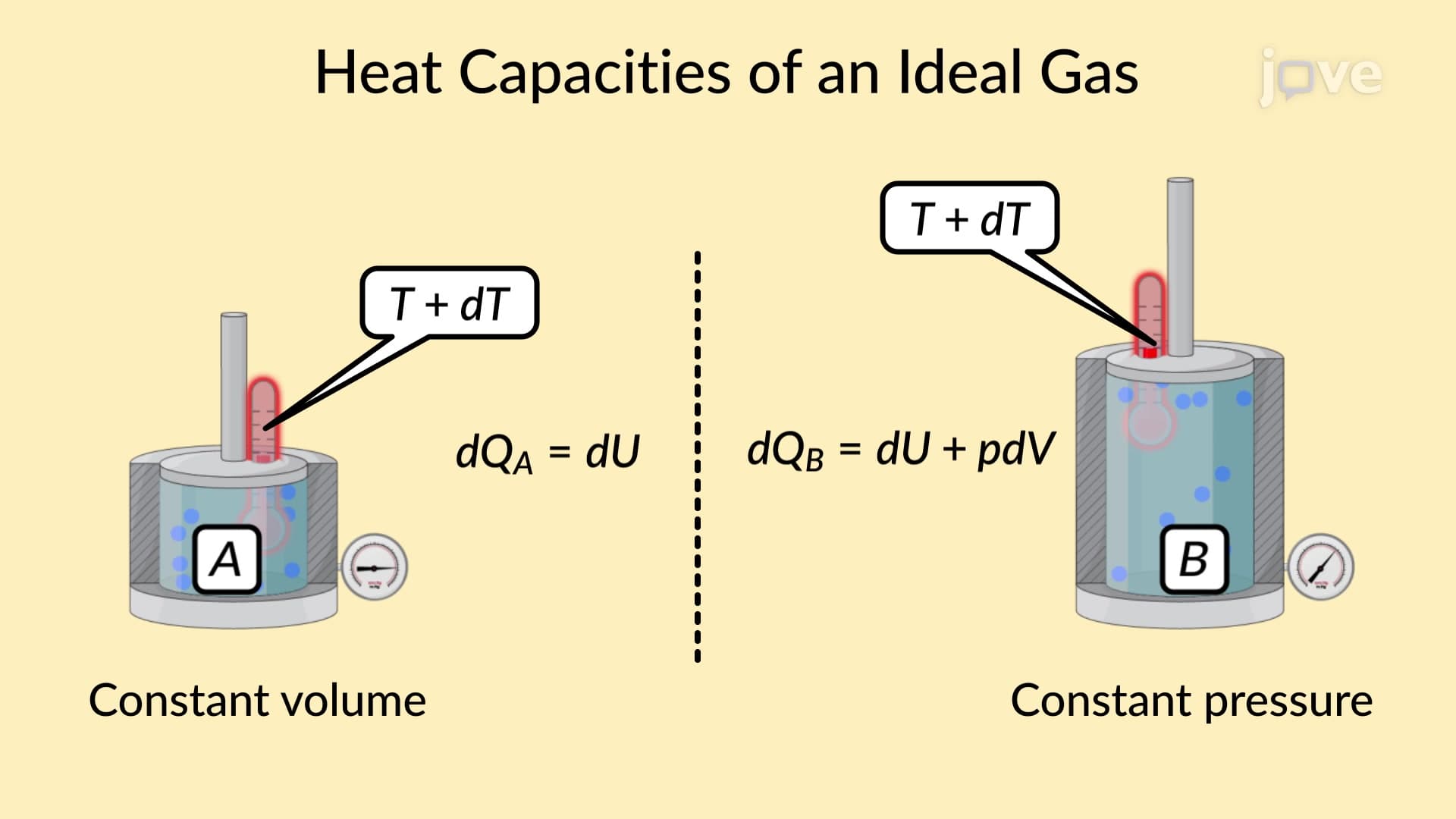
An isochoric process occurs when a system's volume remains fixed while pressure and temperature can vary. Picture a sealed steel tank containing compressed air, as you heat the tank, pressure increases dramatically, but volume cannot change due to the rigid container walls. This constraint creates unique energy transfer characteristics that engineers exploit in various applications.
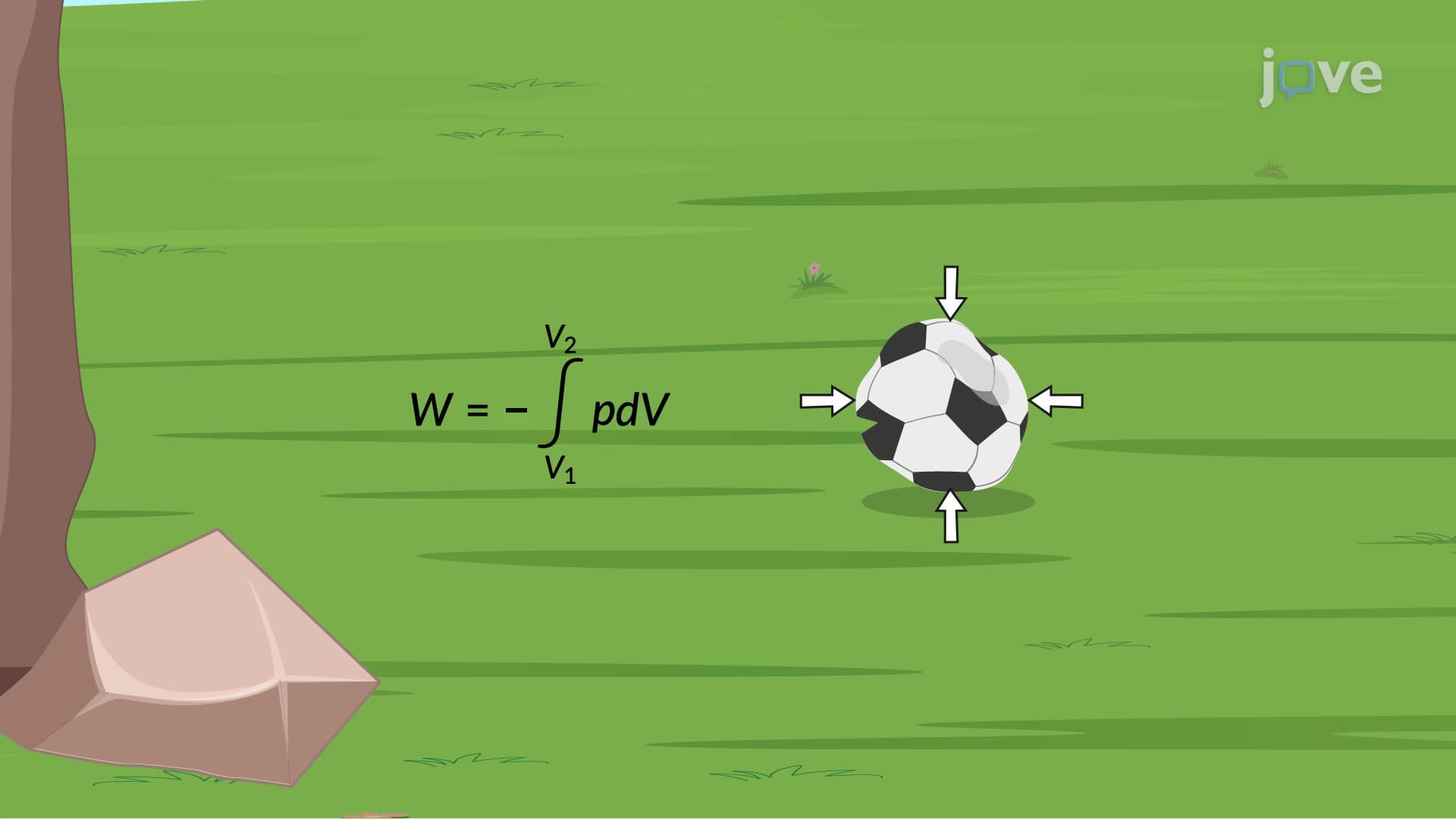
In isochoric processes, the work done by the system equals zero because work = pressure × change in volume, and volume change is zero. This means all heat energy added to the system directly increases its internal energy. For students taking AP Physics or preparing for the MCAT, this relationship simplifies thermodynamic calculations significantly.
Real-world examples include automotive constant-volume combustion engines, where fuel burns in a fixed chamber volume, and industrial autoclaves used in medical sterilization. NASA also uses isochoric heating in spacecraft life support systems to regulate cabin pressure.
Isobaric processes maintain constant pressure while allowing volume and temperature to change. Consider a piston-cylinder system where external pressure remains steady, as you add heat, the gas expands, pushing the piston outward while maintaining equilibrium pressure.
The work done in isobaric processes equals pressure multiplied by volume change (W = P × ΔV). Heat added to the system serves two purposes: increasing internal energy and performing expansion work. This dual energy utilization makes isobaric processes fundamental to understanding heat engines and refrigeration cycles.
Common examples include atmospheric processes like cloud formation over the Rocky Mountains, where water vapor condenses at constant atmospheric pressure, and industrial boilers generating steam for electricity production. The Rankine cycle powering most US electrical generation facilities relies heavily on isobaric heating and cooling processes.
These concepts appear frequently on standardized exams including AP Physics C, SAT Subject Tests, and college-level thermodynamics courses. Students should master pV diagram interpretation, where isochoric processes appear as vertical lines (constant volume) and isobaric processes as horizontal lines (constant pressure). Understanding these graphical representations helps solve complex thermodynamic cycle problems efficiently.
Related Micro-courses