Loading subject page…


72,830 views


Video Summary: What Is Isothermal Processes
Ever wonder why your car's engine runs more efficiently when warmed up? Isothermal processes occur when a system maintains constant temperature while other properties like pressure and volume change. Consider a steam turbine at a power plant in Texas, water converts to steam at exactly 212°F (100°C), demonstrating a perfect isothermal process where temperature stays fixed despite the dramatic phase change. Understanding what is isothermal processes helps explain everything from refrigeration cycles to biological cell functions. Watch the full video on JoVE Coach to master this concept with expert-led visuals and step-by-step explanations.
An isothermal process represents one of the four fundamental thermodynamic processes where temperature remains absolutely constant while other state variables change. The term derives from Greek: "iso" meaning equal and "thermal" referring to temperature. This concept forms a cornerstone of thermodynamics education, appearing prominently in AP Physics courses, college-level physical chemistry, and engineering thermodynamics curricula across American universities.
Isothermal processes manifest everywhere in American industry and daily life. Power plants throughout the United States rely on isothermal steam generation, where water converts to steam at precisely 212°F under standard atmospheric pressure. Pharmaceutical companies use isothermal processes in freeze-drying medications, maintaining exact temperatures during sublimation. Even biological systems demonstrate isothermal behavior, human body temperature regulation maintains 98.6°F through isothermal heat exchange processes.
Refrigeration systems in American homes operate through isothermal compression and expansion cycles. The refrigerant undergoes isothermal phase changes, absorbing heat from your kitchen while maintaining constant temperature during each stage of the cooling cycle.
For ideal gases, isothermal processes follow Boyle's Law: pressure times volume equals a constant (PV = constant). This creates the characteristic hyperbolic curve on pressure-volume diagrams that students encounter in AP Physics C and college thermodynamics exams. The mathematical relationship becomes: P₁V₁ = P₂V₂.
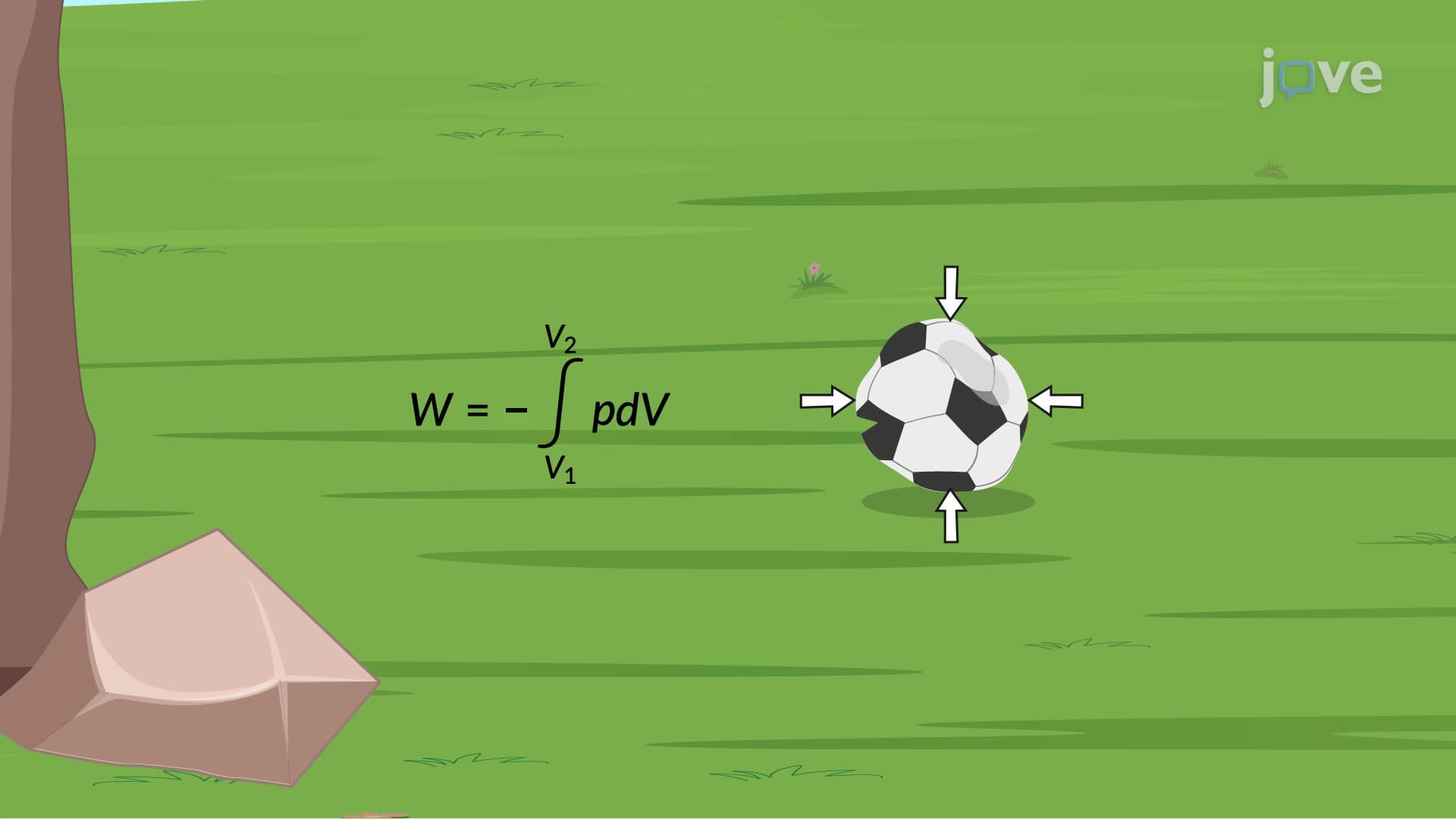
The work done during isothermal expansion or compression equals: W = nRT ln(Vf/Vi), where n represents moles of gas, R is the universal gas constant, T is the constant temperature, and Vf/Vi represents the volume ratio. This formula appears frequently on MCAT physics sections and engineering qualifying exams.
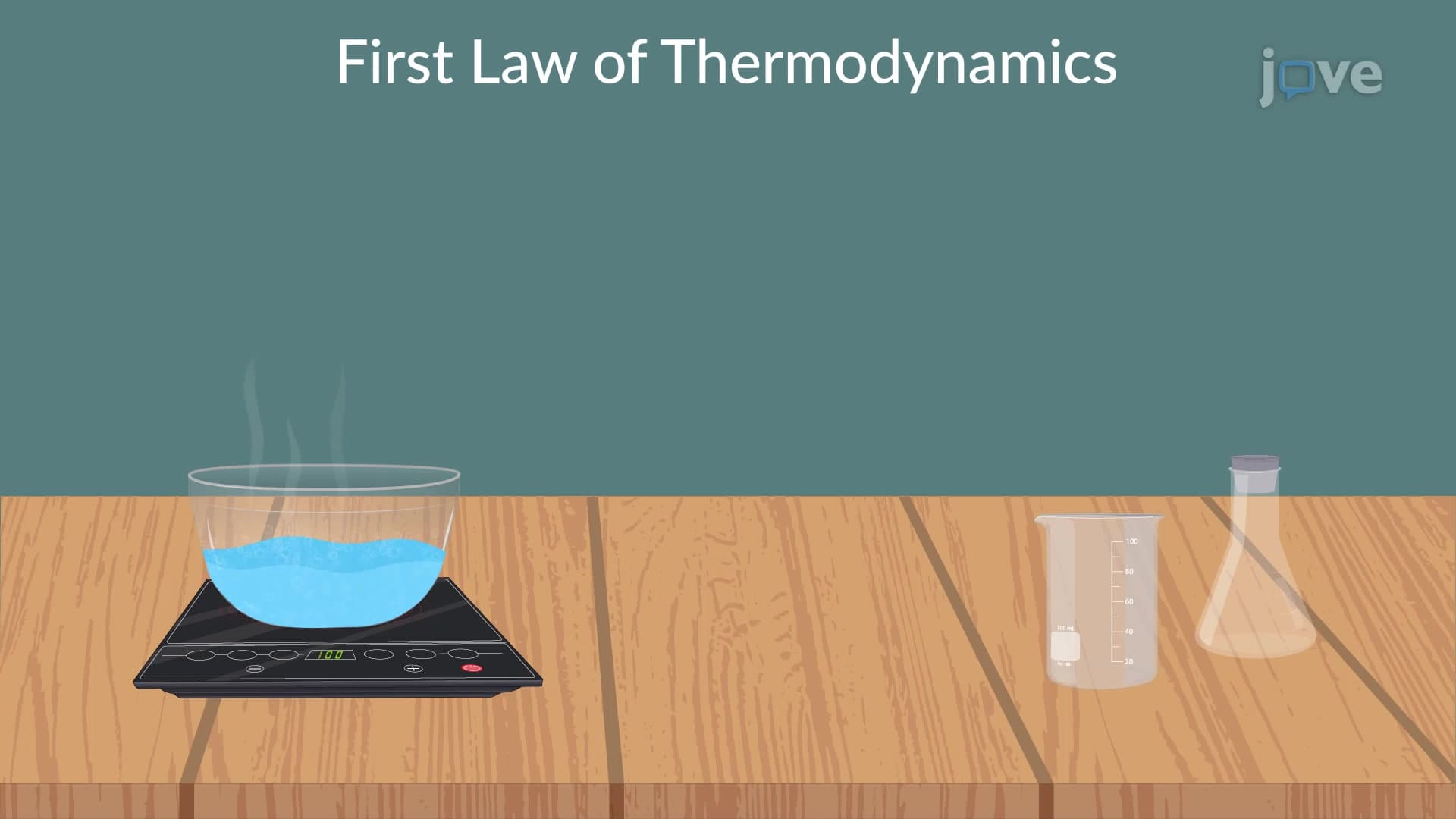
A crucial insight for isothermal processes: internal energy change equals zero because temperature remains constant. According to the first law of thermodynamics (ΔU = Q - W), when ΔU = 0, then Q = W. This means all heat added to the system converts directly to work output, making isothermal processes theoretically 100% efficient for energy conversion.
This principle explains why Carnot engines, operating between isothermal and adiabatic processes, achieve maximum theoretical efficiency. Students studying for the AP Physics C exam or college thermodynamics midterms should remember this fundamental relationship.
Related Micro-courses