Loading subject page…


72,830 views


Video Summary: What Is Path Between Thermodynamics States
Did you know that heating water in your car's engine produces different amounts of work depending on how you control the process? The path between thermodynamics states determines how much energy a system can extract during state changes. For instance, when a piston compresses gas in a Ford F-150's engine, the work output varies dramatically based on whether compression happens rapidly or gradually. This fundamental concept explains why engineers at General Motors design specific compression cycles to maximize fuel efficiency. Watch the full video on JoVE Coach to master this concept with expert-led visuals and step-by-step explanations.
The path between thermodynamics states represents the specific sequence of intermediate states a system follows when transitioning from an initial thermodynamic condition to a final one. Unlike state functions such as temperature or pressure that depend only on the system's current condition, path-dependent properties like work and heat depend entirely on the route taken during the transformation.
Consider a practical example: when NASA engineers design rocket fuel combustion chambers, they must carefully control how rapidly fuel burns. The same initial fuel mixture and final exhaust products can produce vastly different thrust depending on whether combustion occurs in one explosive burst or through controlled staged burning.
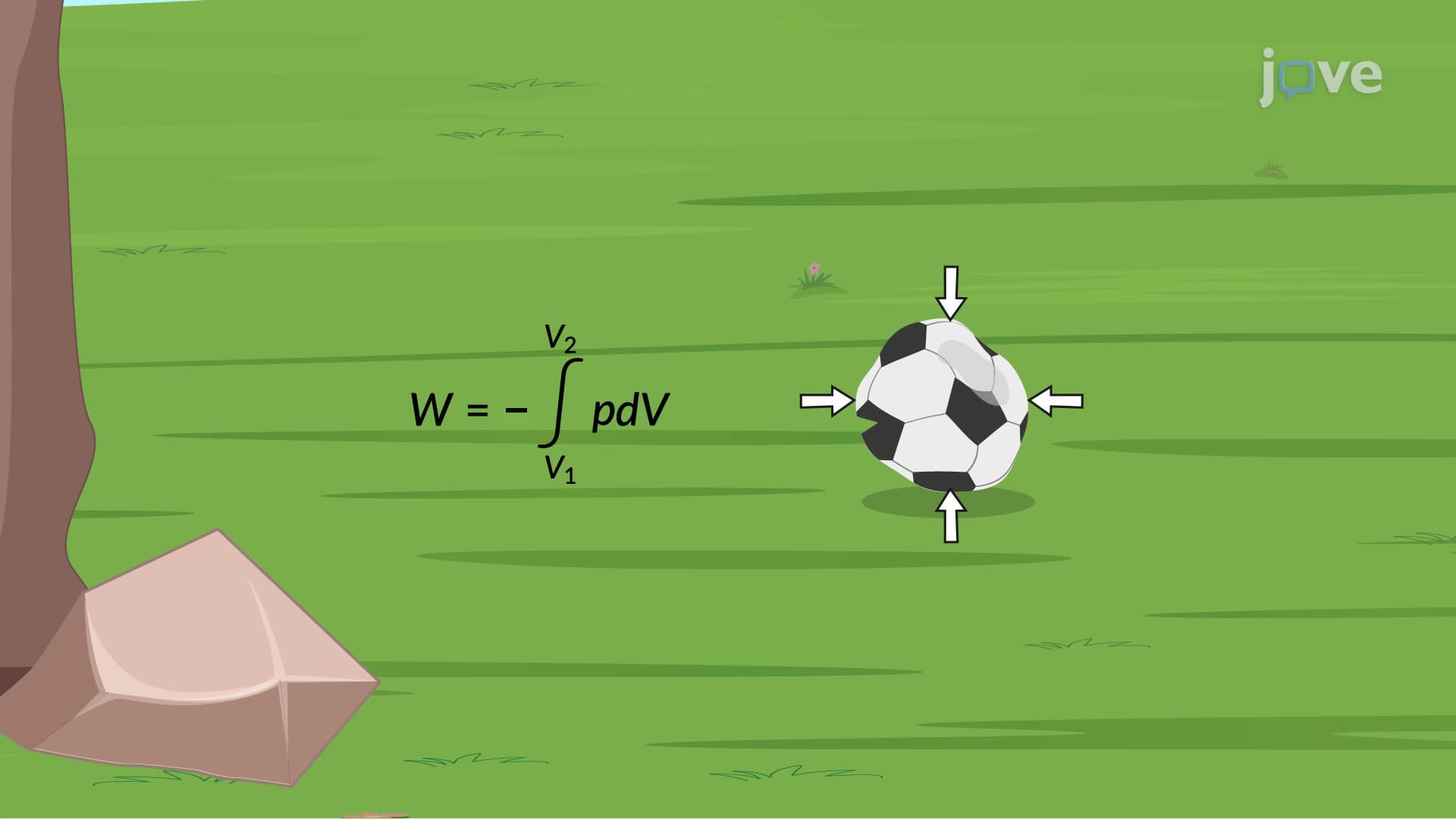
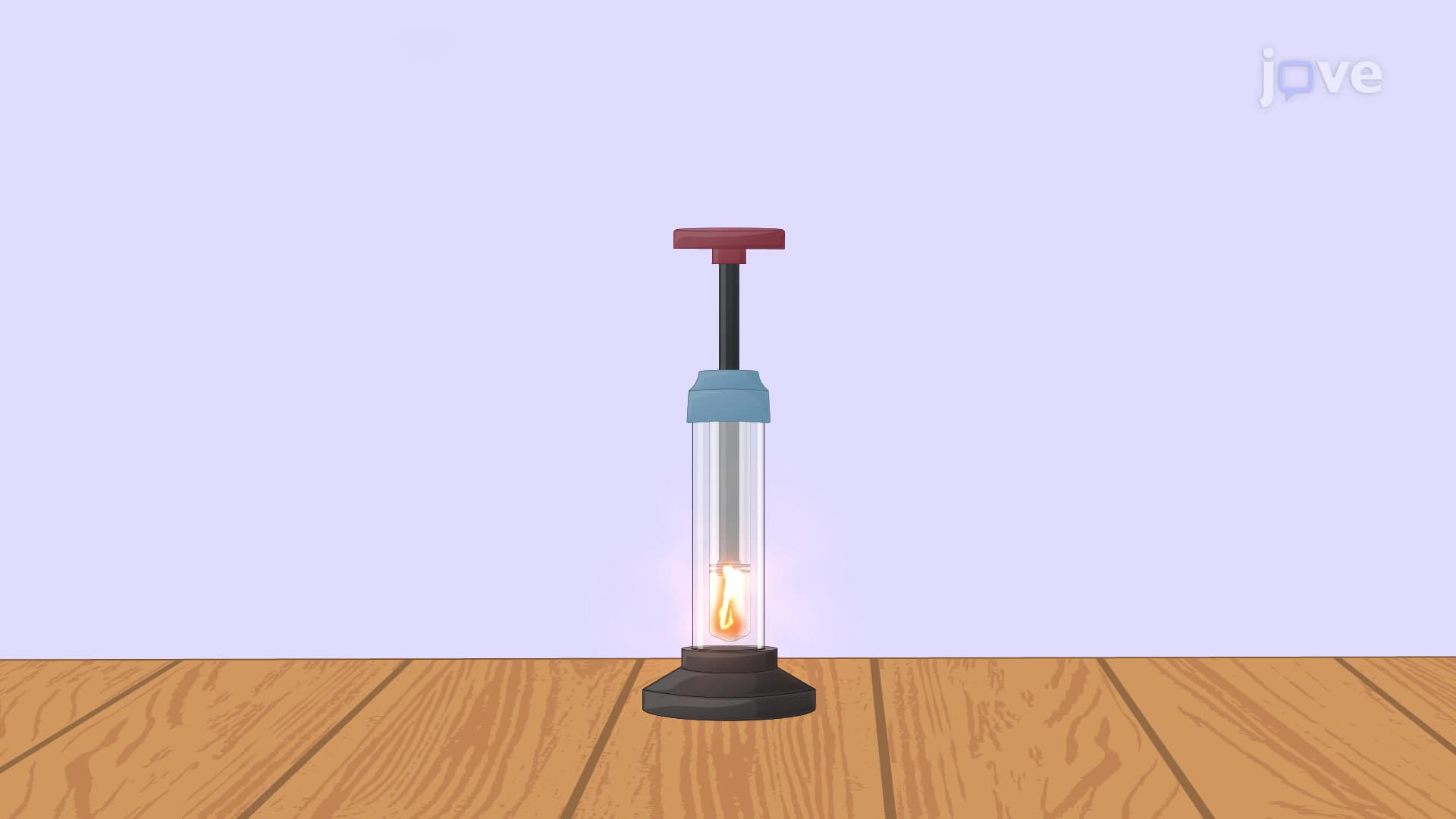
The cylinder-piston system demonstrates this principle perfectly. When external pressure decreases (by reducing the attached mass), the internal gas pressure drives expansion until equilibrium returns. However, the work performed-calculated as the area under the pressure-volume curve-varies significantly based on the expansion method.
In automotive applications, this concept explains why turbocharged engines achieve better fuel efficiency than naturally aspirated ones. A turbocharger creates a specific thermodynamic path that extracts more work from the same fuel-air mixture by controlling how gases expand through the engine cycle.
The transcript illustrates how reducing external pressure in two stages rather than one produces different total work outputs. This principle applies directly to industrial compressors used in facilities like Boeing's aircraft manufacturing plants. Multi-stage compression systems achieve higher efficiency by following optimized thermodynamic paths that minimize energy waste.
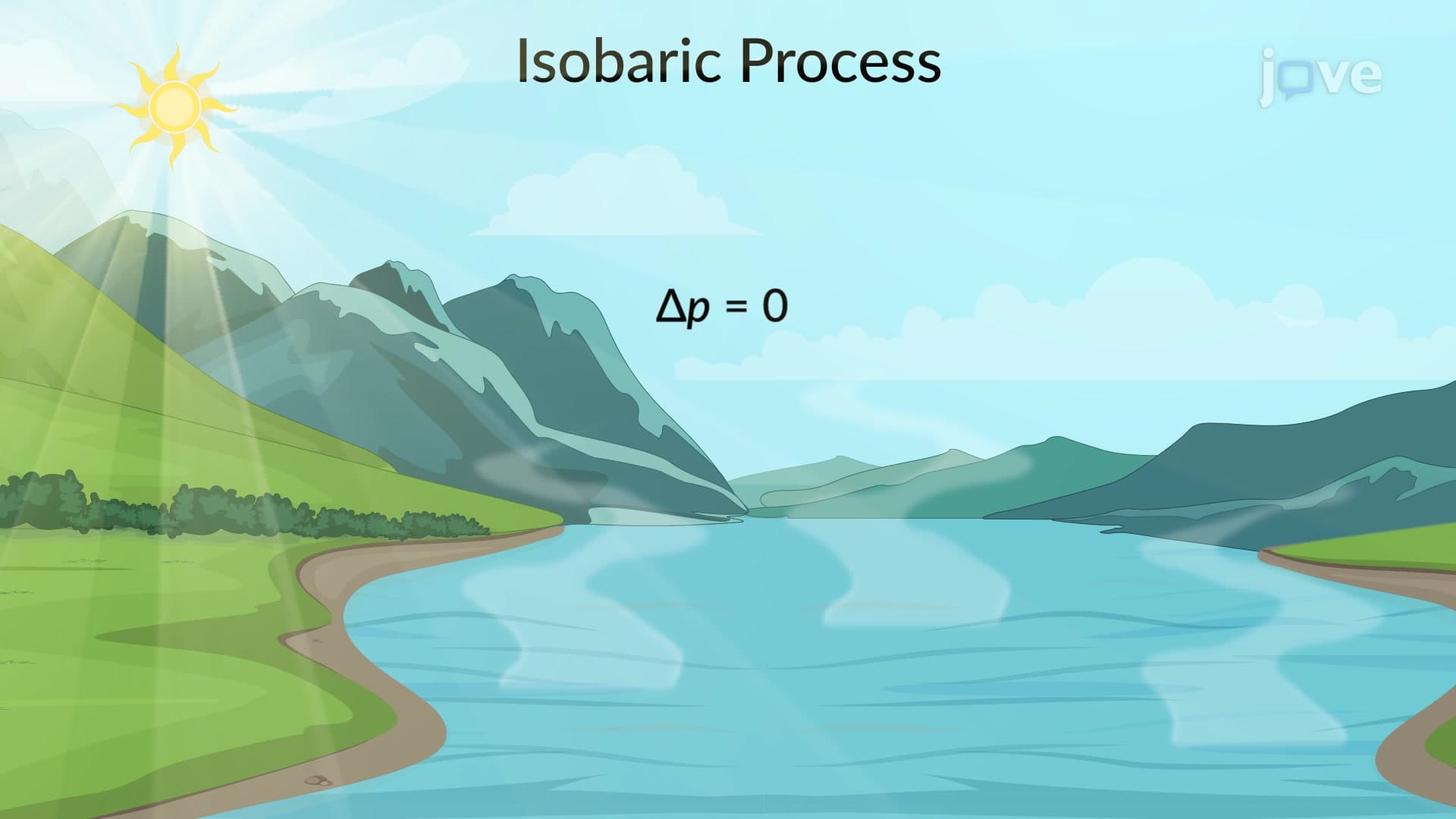
Students preparing for AP Physics or college thermodynamics courses frequently encounter problems comparing isothermal, adiabatic, and isobaric processes between identical states. Each path produces different work values despite connecting the same initial and final conditions.
Power plant engineers at companies like Duke Energy apply path optimization when designing steam turbine cycles. By carefully controlling how steam expands through multiple turbine stages, they maximize electrical generation from each unit of fuel. Similarly, refrigeration systems in commercial buildings use specific thermodynamic paths to achieve maximum cooling efficiency while minimizing electrical consumption.
Understanding these concepts proves essential for MCAT physics sections and engineering coursework, where students must analyze pressure-volume diagrams and calculate work for various thermodynamic processes.
Related Micro-courses