Loading subject page…


72,831 views


Video Summary: What Is Pressure and Volume
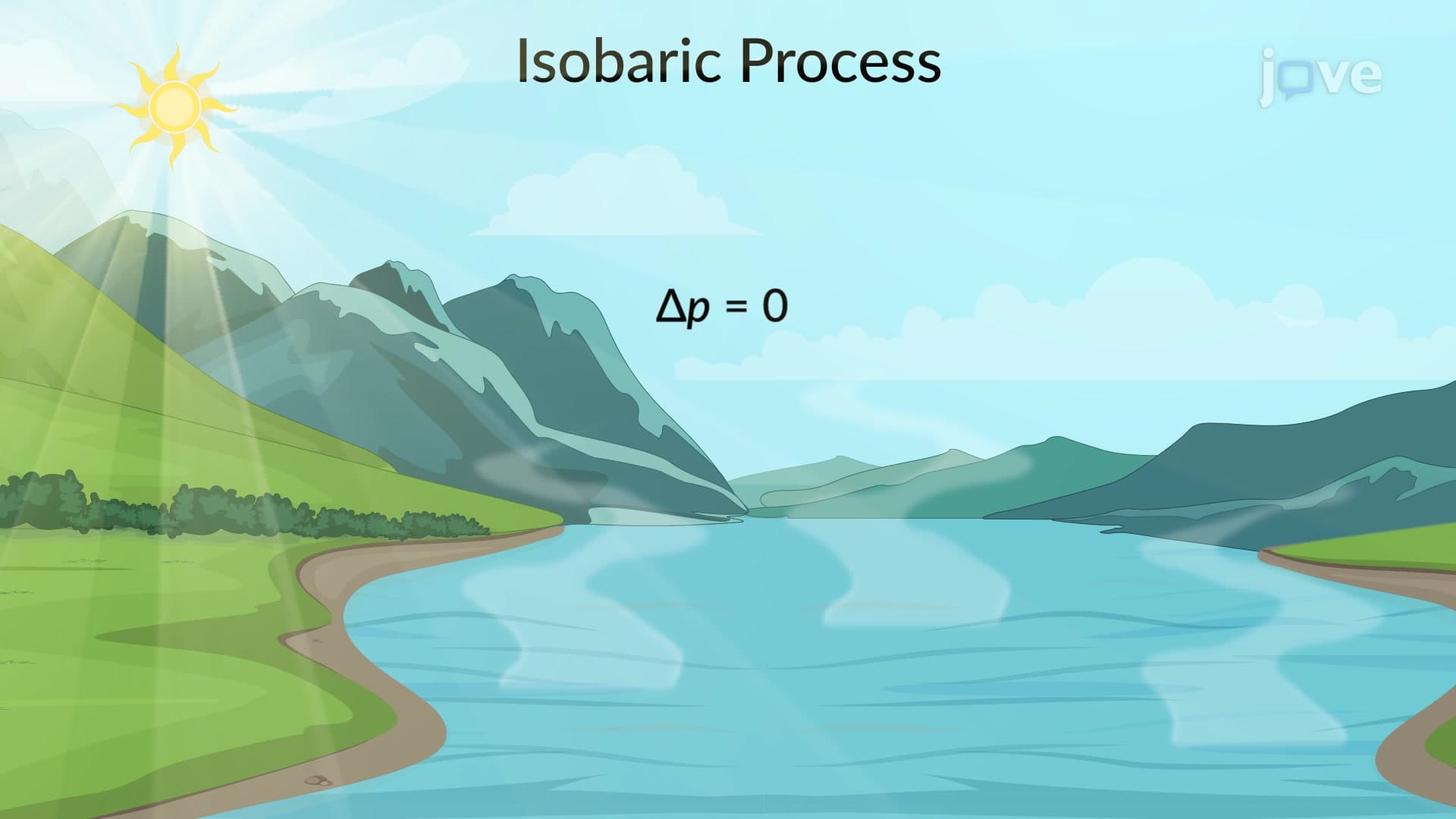
Ever wonder why your ears pop during airplane takeoffs or why weather balloons expand dramatically at high altitudes? Pressure and volume share a fundamental relationship that governs everything from breathing to meteorology. As air molecules rise through Earth's atmosphere, decreasing atmospheric pressure causes them to expand and cool through adiabatic processes-the same principle behind cloud formation over the Rocky Mountains. Watch the full video on JoVE Coach to master this concept with expert-led visuals and step-by-step explanations.
Pressure and volume represent two of the most critical state variables in thermodynamics, forming the foundation for understanding gas behavior across countless applications. Pressure measures the force exerted per unit area by gas molecules colliding with container walls, while volume quantifies the three-dimensional space occupied by those molecules. These properties exhibit an inverse relationship: as one increases, the other typically decreases, assuming temperature remains constant.
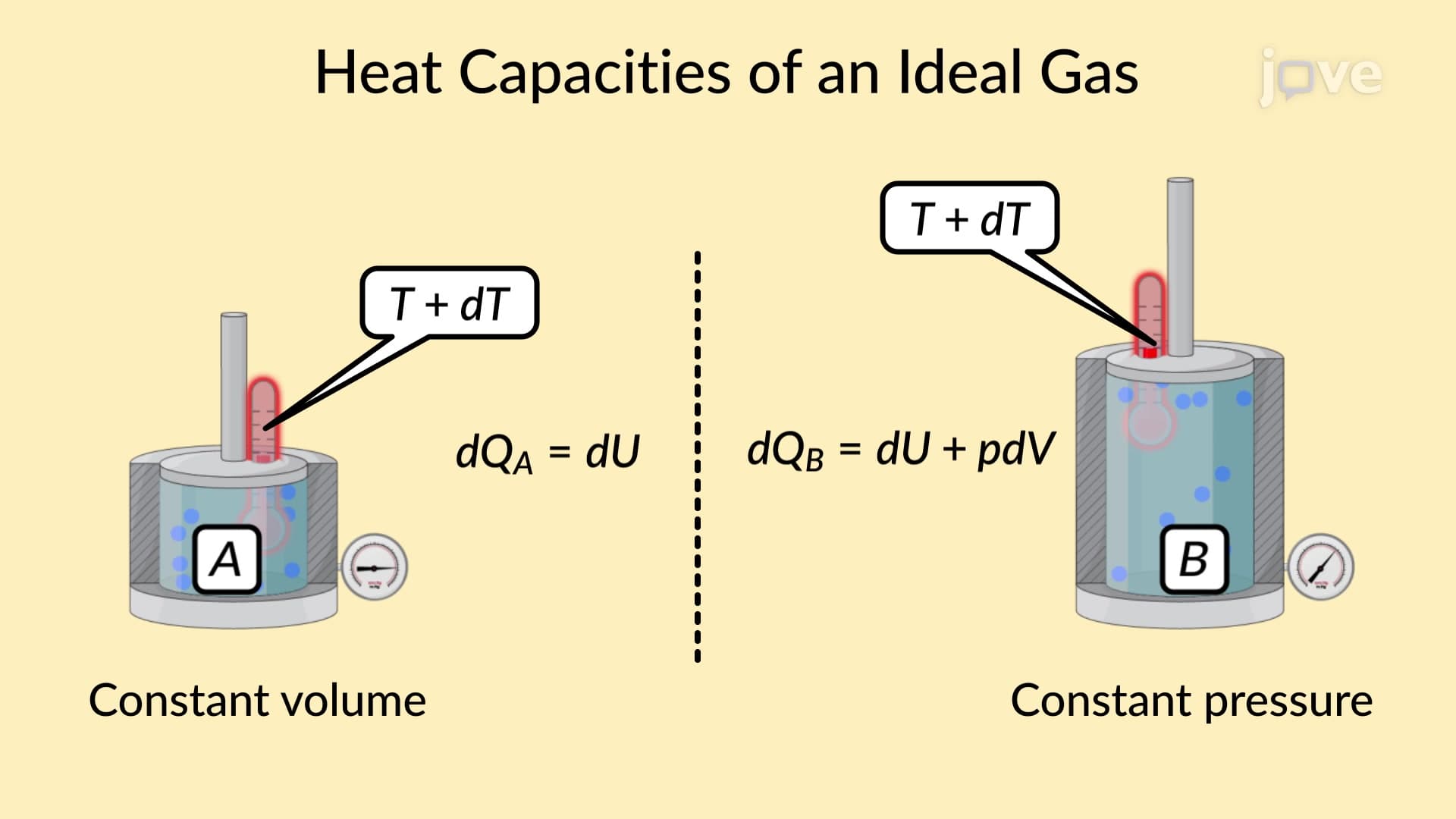
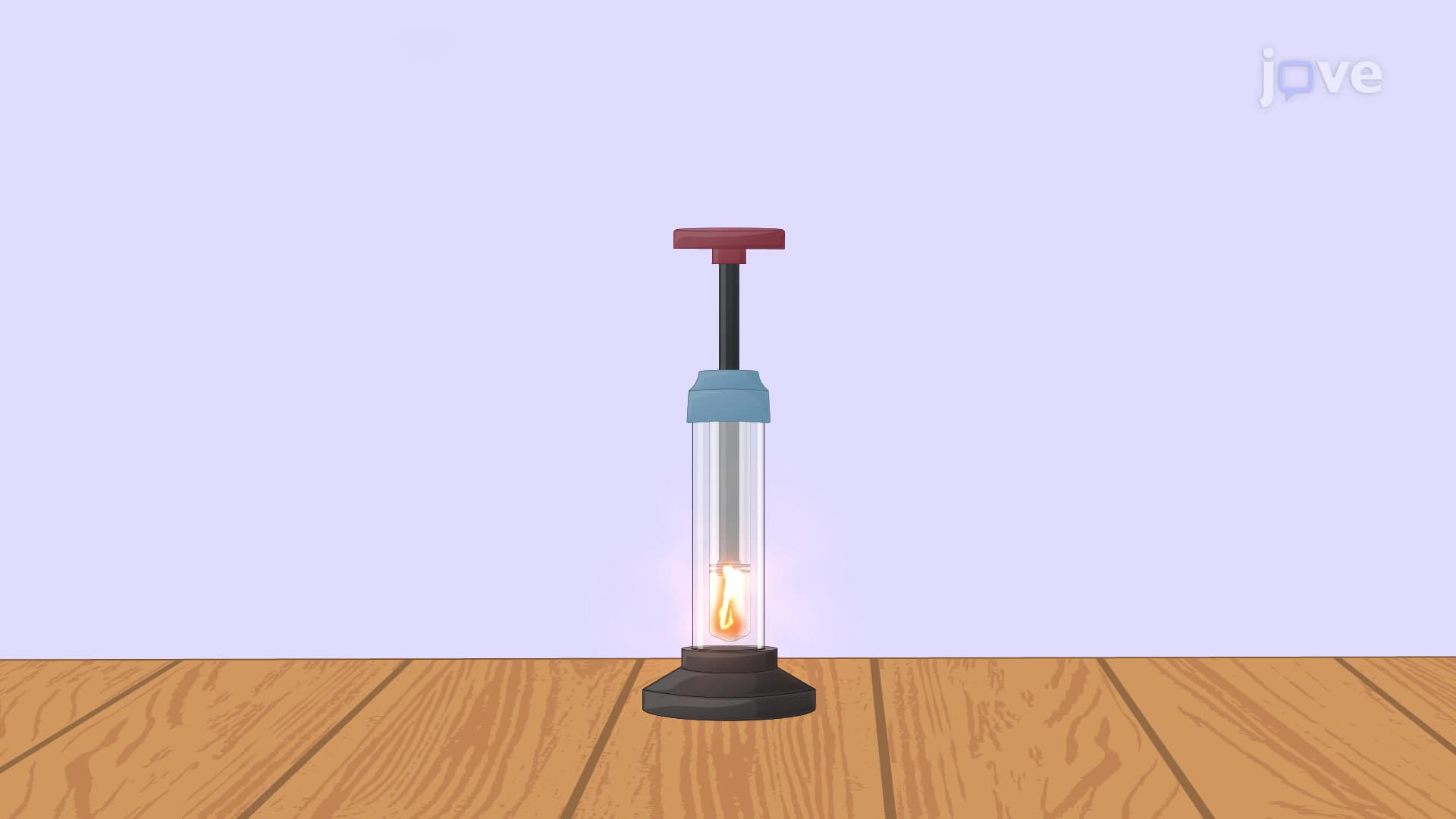
The relationship between pressure and volume becomes particularly fascinating during adiabatic processes-transformations where no heat transfer occurs with the surroundings. Using the ideal gas law (PV = nRT), we can derive mathematical expressions that predict how gases behave under changing conditions. When air parcels rise in the atmosphere, they undergo adiabatic expansion as external pressure decreases, causing volume to increase and temperature to drop without heat exchange with surrounding air masses.
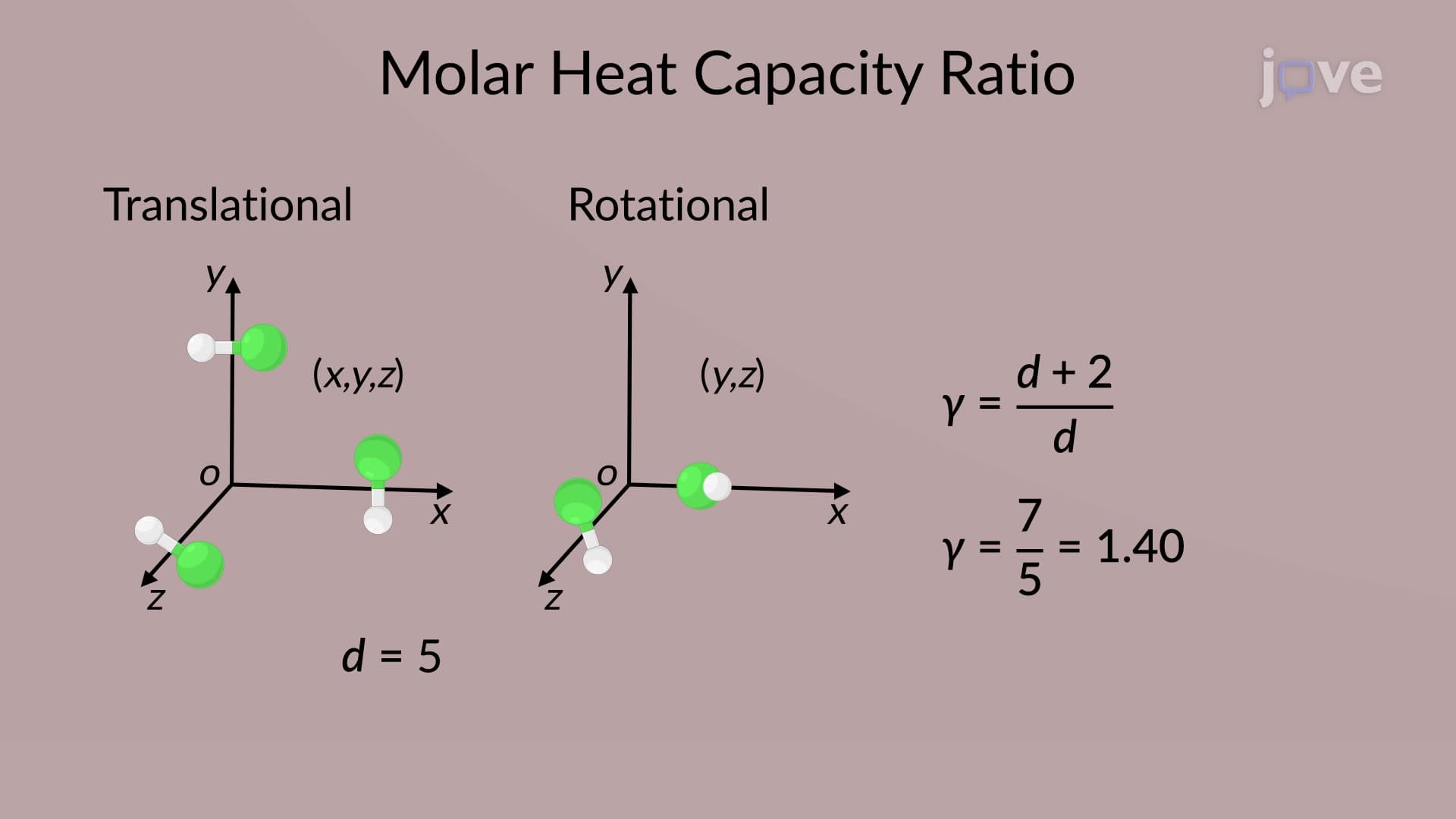
The first law of thermodynamics, combined with the ideal gas law, yields powerful equations connecting pressure, volume, and temperature changes. Through differential calculus and integration techniques commonly taught in AP Physics and college-level thermodynamics courses, students learn that PV^γ = constant for adiabatic processes, where γ (gamma) represents the ratio of specific heats. This relationship explains phenomena ranging from diesel engine compression to atmospheric dynamics.
Consider how pressure-volume relationships drive weather patterns across the United States. When air masses encounter the Sierra Nevada or Appalachian Mountains, they rise and expand adiabatically, cooling until water vapor condenses into clouds and precipitation. This orographic lifting process creates the rain shadows responsible for California's Central Valley agriculture and the distinct climate differences between western and eastern mountain slopes. Similarly, understanding these principles proves essential for meteorologists forecasting severe weather events like thunderstorms and tornadoes that frequently impact the Great Plains.
These concepts appear regularly on standardized tests including the MCAT physics section, AP Physics exams, and college chemistry courses, where students must apply pressure-volume relationships to solve complex thermodynamic problems involving efficiency calculations and phase transitions.
Related Micro-courses