Loading video…


 13 Concepts
 49.7K views

Video Summary: What Is Equation of State
Ever wonder how meteorologists predict weather patterns or how engineers design pressure cookers? The equation of state connects pressure, volume, temperature, and mass in any thermodynamic system. Consider a typical American home's water heater: as water heats up, its volume expands and pressure increases, demonstrating how these state variables interact predictably. Understanding what is equation of state helps explain everything from steam engines to atmospheric science. Watch the full video on JoVE Coach to master this concept with expert-led visuals and step-by-step explanations.
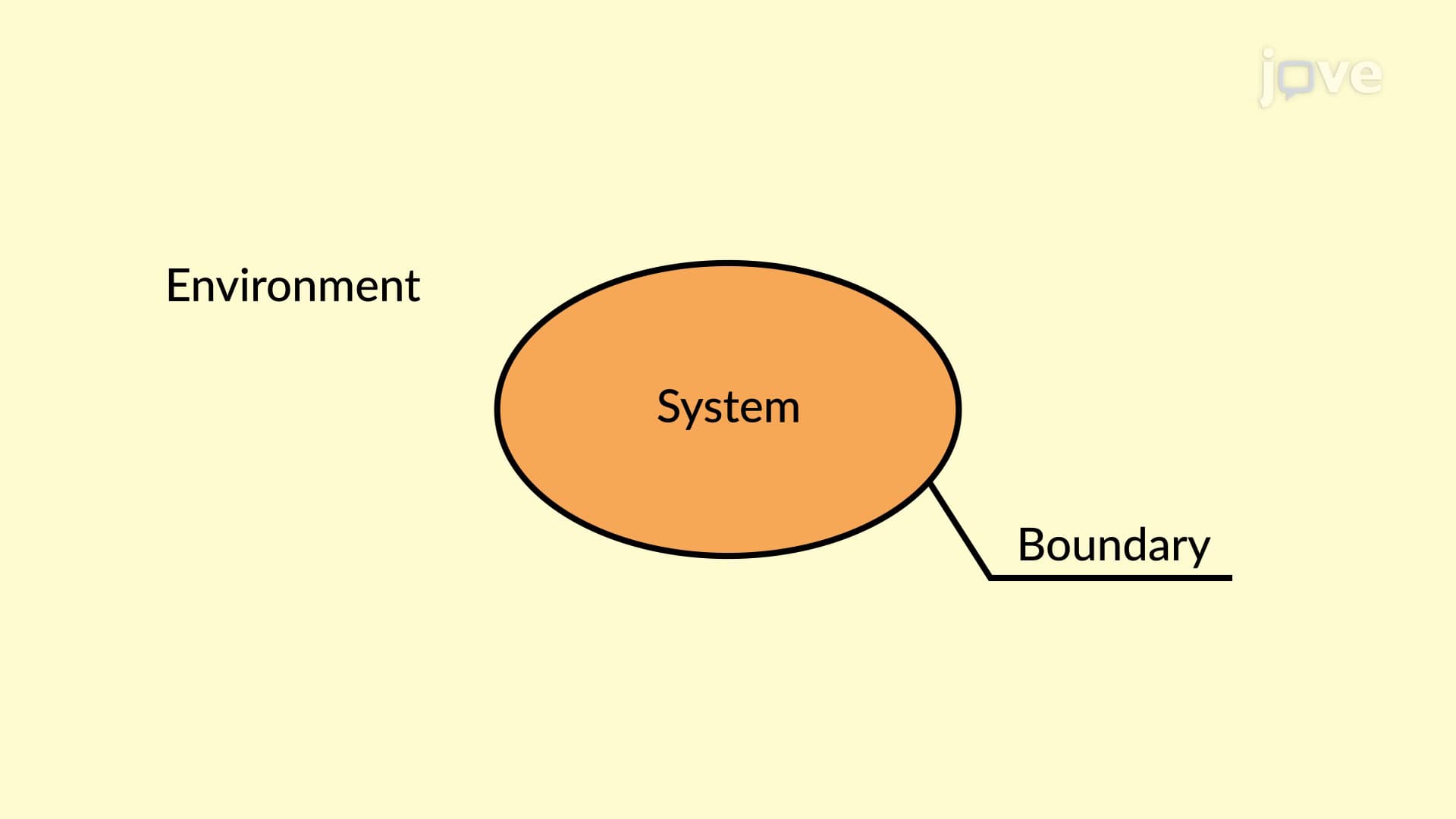
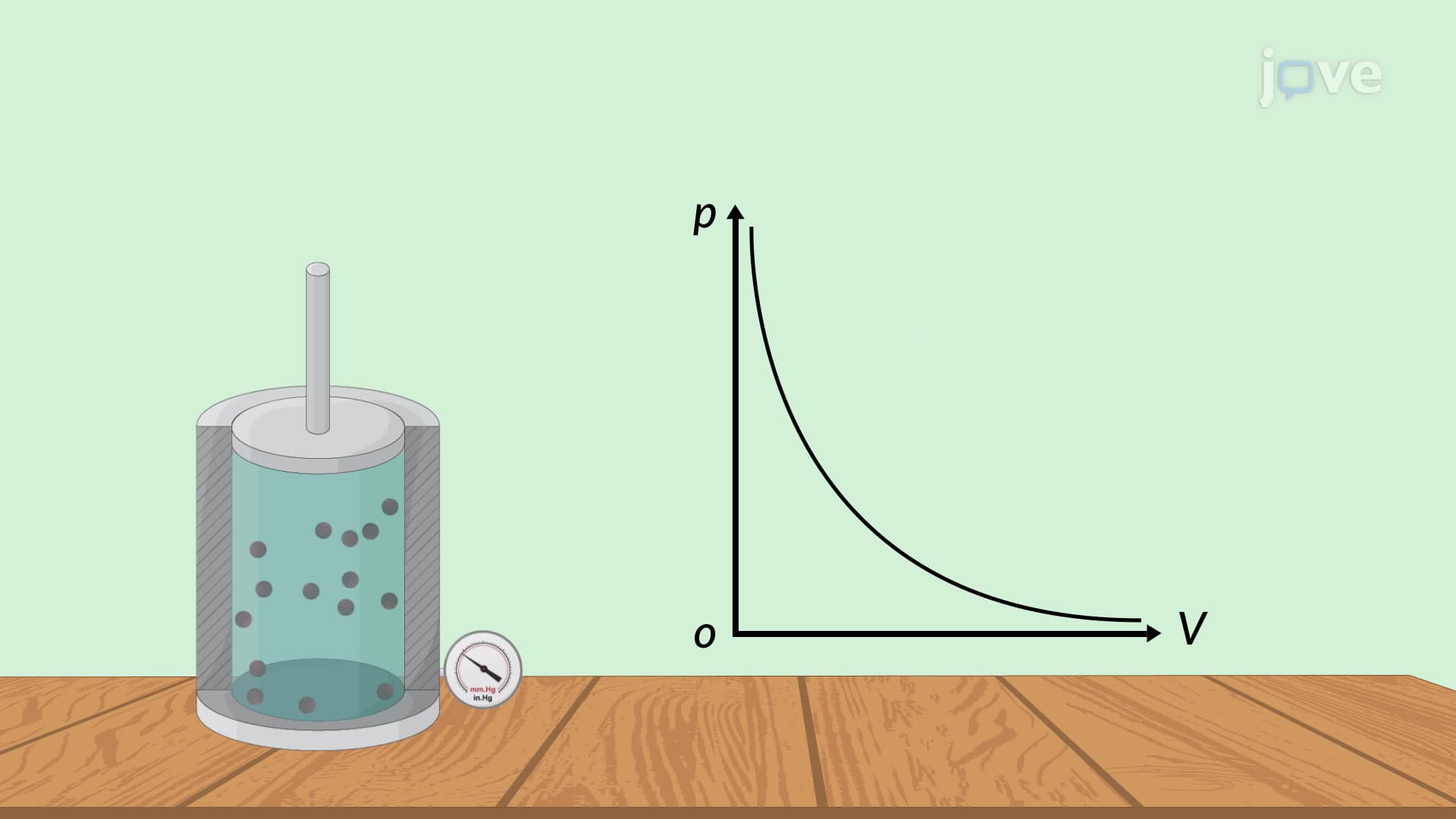
The equation of state serves as a fundamental bridge connecting the physical properties that define any thermodynamic system. Unlike simple mathematical relationships, this concept represents how matter behaves under varying conditions of pressure (P), volume (V), temperature (T), and amount of substance (typically measured in moles, n). These interconnected variables cannot change independently-alter one, and the others must respond according to physical laws.
State variables function as a complete "address" for any thermodynamic system. Think of a NASCAR engine during a race: the fuel-air mixture experiences rapid changes in pressure and temperature within each cylinder, directly affecting the volume available and the engine's power output. Each combustion cycle demonstrates how state variables work together-compression increases pressure and temperature while decreasing volume, then expansion reverses these changes.
The mathematical relationship often appears as f(P,V,T,n) = 0, meaning these variables are bound by specific equations depending on the substance and conditions. For ideal gases, this becomes the familiar PV = nRT, but real substances require more complex relationships accounting for intermolecular forces and molecular size.
Understanding equation of state principles proves essential across numerous US industries. Power plant engineers use these relationships to optimize steam turbine efficiency, while aerospace engineers at NASA rely on them for rocket fuel calculations. Even food processing companies apply these concepts-consider how potato chip bags are filled with nitrogen at specific pressure and temperature conditions to maintain freshness during transport across different altitudes.
Students encounter equation of state concepts throughout their academic journey. AP Chemistry and Physics courses introduce ideal gas relationships, while college thermodynamics courses explore real gas equations like van der Waals. The MCAT includes thermodynamics problems requiring equation of state understanding, particularly in physical chemistry sections. Engineering students must master these concepts for courses in heat transfer, fluid mechanics, and process design-skills directly applicable to careers in chemical engineering, mechanical engineering, and materials science.
Related Micro-courses