14 Concepts
15 Concepts
14 Concepts
11 Concepts
16 Concepts
10 Concepts
15 Concepts
12 Concepts
19 Concepts
14 Concepts
14 Concepts
12 Concepts
24 Concepts
22 Concepts
15 Concepts
15 Concepts
17 Concepts
15 Concepts
13 Concepts
19 Concepts
12 Concepts
16 Concepts
13 Concepts
15 Concepts
12 Concepts
13 Concepts
18 Concepts
12 Concepts
22 Concepts
21 Concepts
13 Concepts
13 Concepts
14 Concepts
The kinetic theory of gases provides a molecular-level understanding of gas behavior through statistical mechanics and molecular motion. This comprehensive course explores the ideal gas kinetic model, Maxwell-Boltzmann distributions, and real gas deviations through Van der Waals equations. Students will master kinetic theory and properties of gases essential for AP Chemistry, MCAT preparation, and advanced chemistry coursework. JoVE Coach delivers clear explanations of complex thermodynamic principles with practical problem-solving applications.
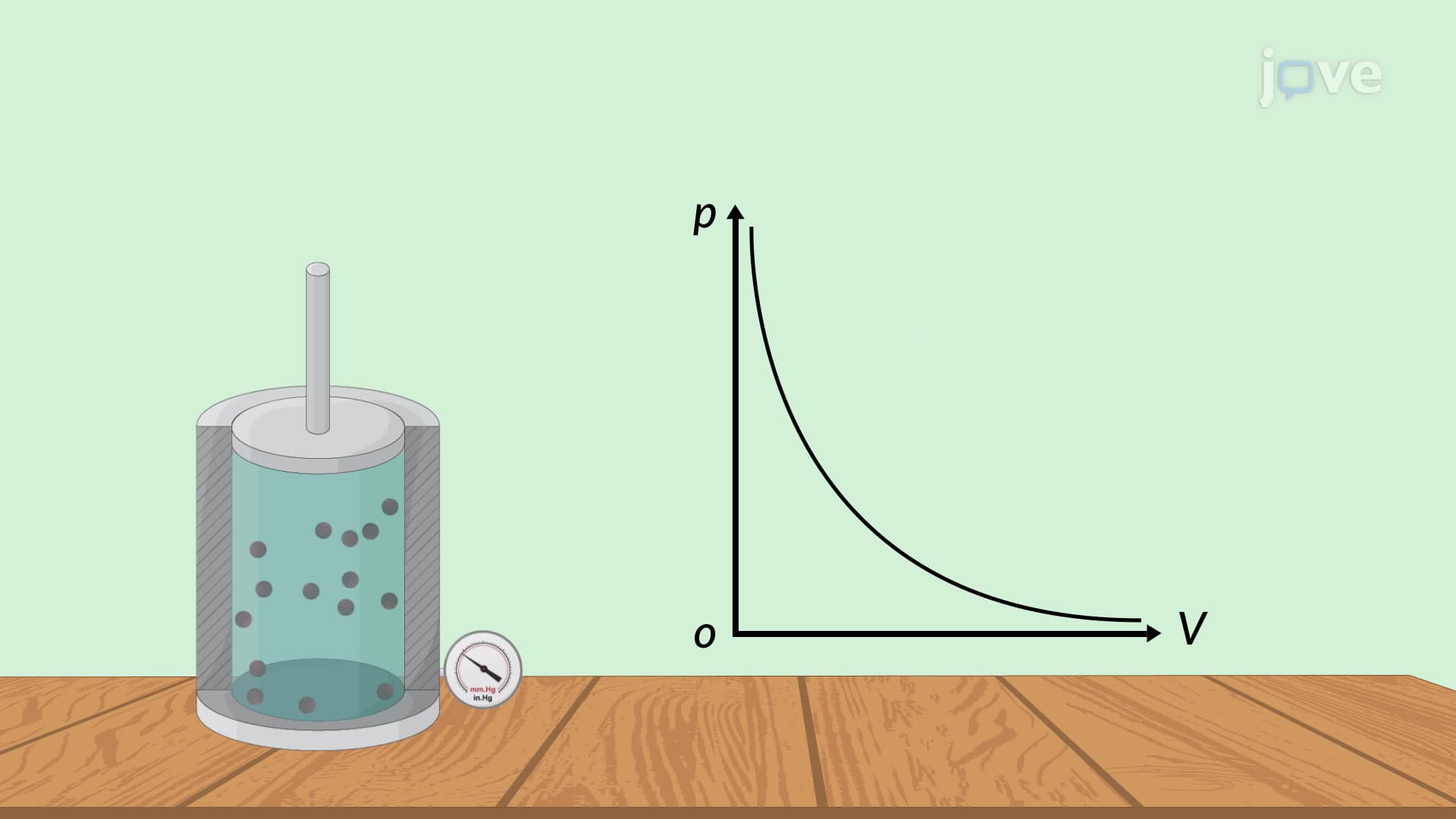
1. Equation of State and Gas Laws The fundamental relationship between pressure, volume, temperature, and amount of gas forms the foundation of gas behavior studies. State variables define any thermodynamic system, while the ideal gas equation (PV = nRT) combines Boyle's, Charles's, Gay-Lussac's, and Avogadro's laws. Students explore how changing one state variable affects others, using examples like steam generation in pressure cookers or tire pressure changes with temperature. The universal gas constant (R = 8.314 J/mol·K) remains independent of gas type, making this equation applicable to hydrogen in weather balloons or oxygen in scuba tanks.
2. Van der Waals Equation and Real Gas Behavior Real gases deviate from ideal behavior due to molecular volume and intermolecular attractions, particularly at high pressures and low temperatures. The Van der Waals equation [(P + a/V²)(V - b) = RT] corrects for these factors, where 'a' accounts for attractive forces and 'b' represents molecular volume. This equation successfully predicts liquid-vapor transitions and the Joule-Thomson effect used in refrigeration systems. Students analyze how different gases like carbon dioxide and methane have unique Van der Waals constants, affecting their behavior in industrial applications such as natural gas processing or carbon capture technologies.
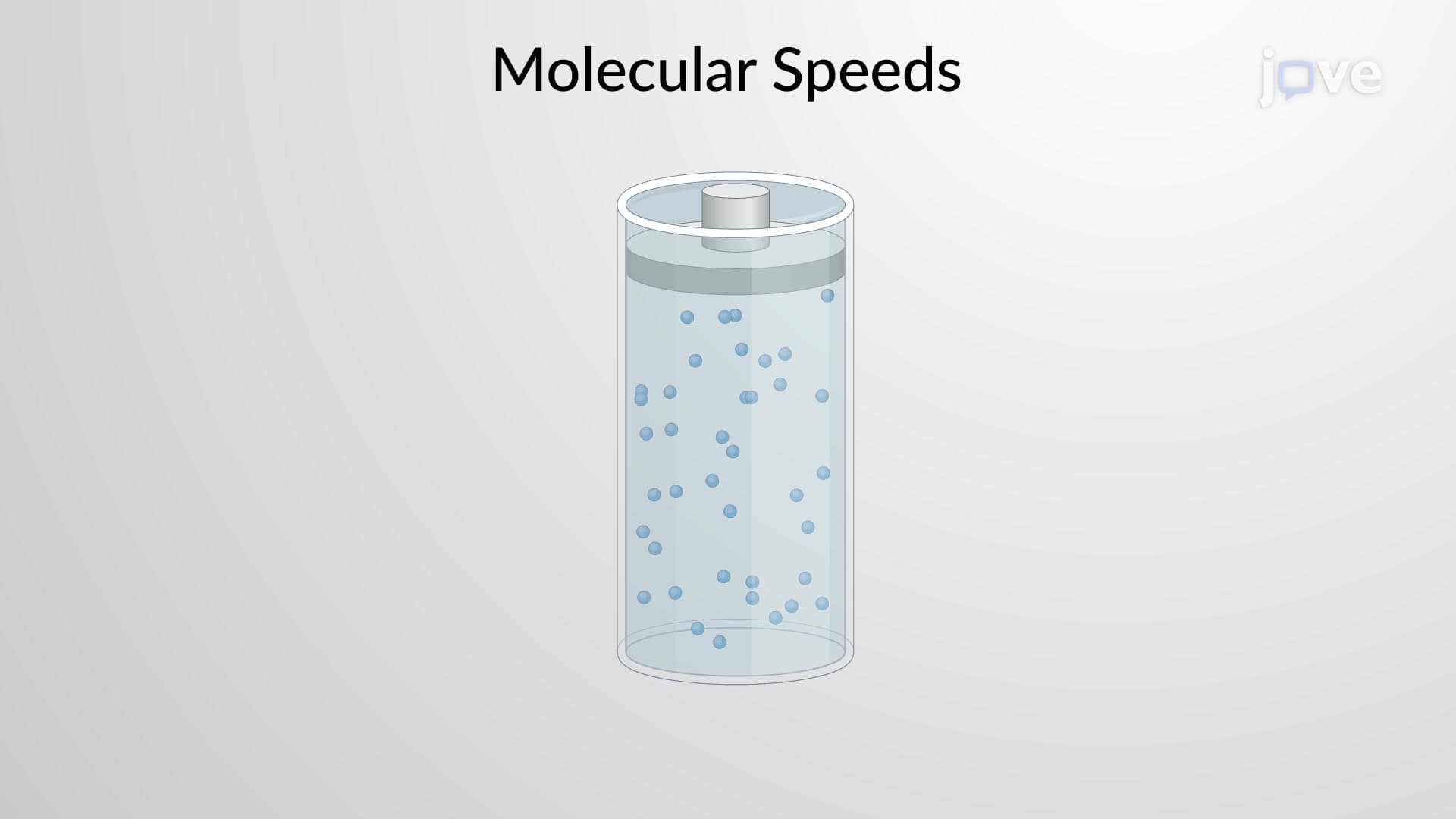
3. Kinetic Molecular Theory and Molecular Motion The kinetic molecular theory explains gas properties through molecular behavior, assuming point particles in constant random motion with elastic collisions. Gas pressure results from molecular collisions with container walls, while temperature directly relates to average kinetic energy. Students learn that molecular speeds follow statistical distributions, with individual molecules constantly changing velocities through collisions. This theory explains why helium diffuses faster than oxygen, why gas pressure increases with temperature in sealed containers, and how molecular motion creates the pressure measured in automobile tires or laboratory gas cylinders.
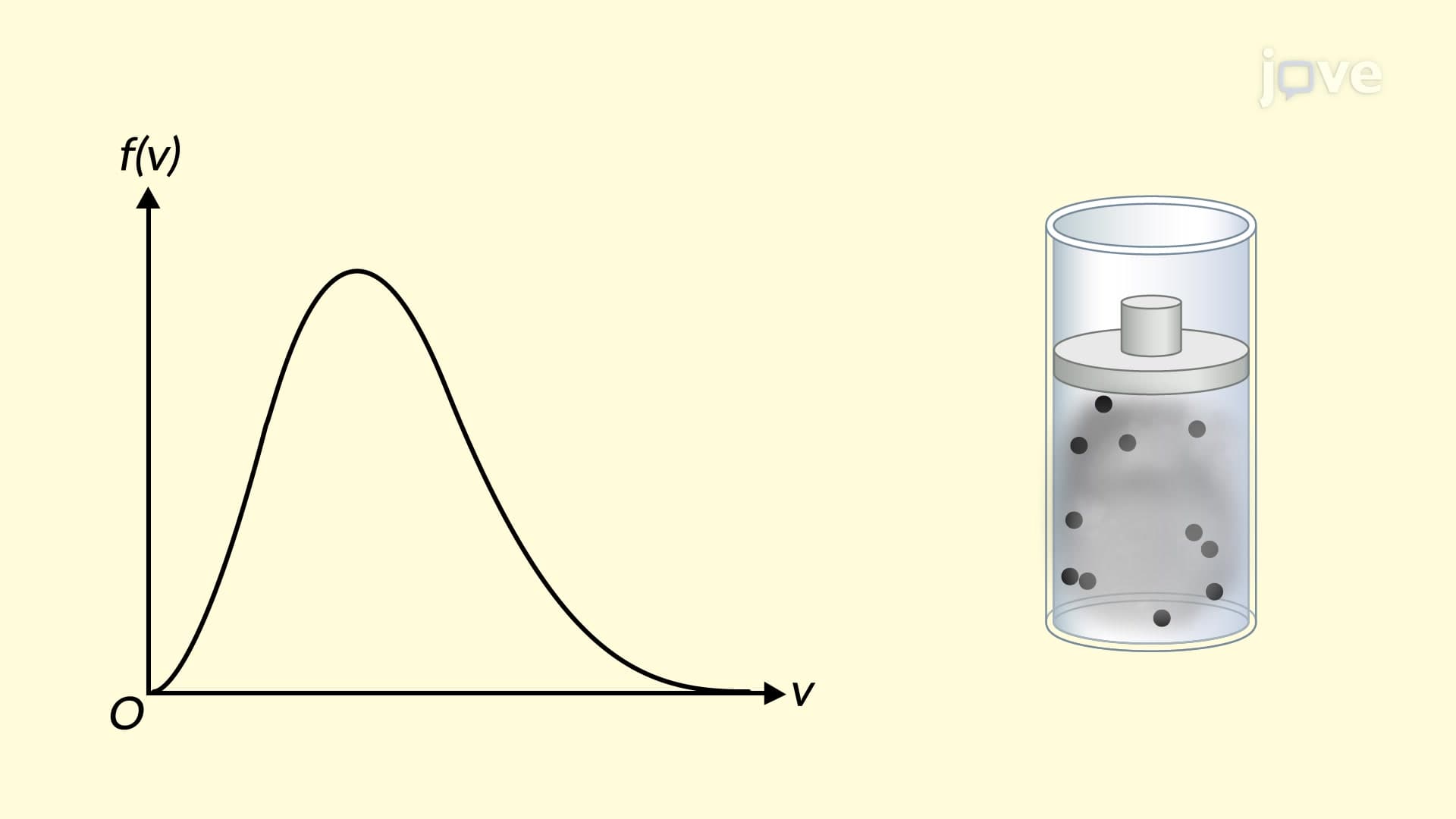
4. Maxwell-Boltzmann Distribution and Molecular Speeds The Maxwell-Boltzmann distribution describes the statistical distribution of molecular speeds in gas samples, showing an asymmetric curve with a distinct peak at the most probable speed. Root-mean-square (rms) speed calculations reveal relationships between temperature, molar mass, and molecular velocities. Higher temperatures broaden the distribution and increase average speeds, while heavier molecules move slower than lighter ones at the same temperature. Students apply these concepts to understand gas effusion rates, atmospheric gas retention, and separation techniques used in uranium enrichment or analyzing exhaled breath samples in medical diagnostics.
5. Phase Diagrams and State Transitions Phase diagrams map pressure-temperature relationships showing solid, liquid, and gas phases along with transition boundaries. Critical points represent conditions where liquid and gas phases become indistinguishable, while triple points show where all three phases coexist simultaneously. Students interpret these diagrams to understand phenomena like sublimation of dry ice, pressure cooking effects on boiling points, and high-altitude cooking challenges. Phase transitions occur at specific conditions: water freezes at 0°C and boils at 100°C at standard atmospheric pressure, but these temperatures shift with pressure changes affecting weather patterns and industrial processes.
6. Mean Free Path and Molecular Collisions Mean free path represents the average distance molecules travel between collisions, while mean free time measures the average interval between successive collisions. These properties depend on molecular size, density, and relative velocities, affecting gas transport properties like diffusion and viscosity. Students calculate collision frequencies and understand how molecular crowding at higher pressures reduces mean free paths. These concepts explain why perfume odors spread slowly through air, how gas molecules mix in the atmosphere, and why high-altitude conditions affect aircraft engine performance and human physiology.
7. Heat Capacity and Energy Distribution Molar heat capacity quantifies the energy required to raise gas temperature, with different values for constant volume (Cv) and constant pressure (Cp) processes. Diatomic gases like oxygen and nitrogen have higher heat capacities than monatomic gases due to rotational energy modes. Students learn the equipartition theorem explaining energy distribution among translational, rotational, and vibrational modes. These principles govern heating and cooling calculations in HVAC systems, engine thermodynamics, and laboratory calorimetry experiments, explaining why specific heat values differ between gases and affect energy efficiency in various applications.